Will high marginal tax rates and redistribution fix inequality?
18 Oct 2015 Leave a comment
in applied price theory, applied welfare economics, entrepreneurship, human capital, labour economics, occupational choice, politics - USA, poverty and inequality Tags: Gini coefficient, rational irrationality, taxation and entrepreneurship, taxation and human capital, taxation and labour supply, taxation investment
An American President on what @nzlabour @NZGreens have become (on housing affordability and trade and investment)
15 Oct 2015 Leave a comment
in politics - New Zealand, Public Choice, rentseeking Tags: American President, expressive voting, New Zealand Greens, New Zealand Labour, rational ignorance, rational irrationality
Leaked letter shows how @Oxfam @sierraclub lobbied to block cheap energy for poor nations @GreenpeaceNZ @oxfamnz
12 Oct 2015 Leave a comment
in development economics, energy economics, entrepreneurship, environmental economics, environmentalism, growth disasters, growth miracles Tags: energy poverty, expressive voting, global poverty, green rent seeking, Leftover Left, Oxfam, rational ignorance, rational irrationality, stream poverty, The Great Escape
https://twitter.com/MichaelBTI/status/651503672002785281
Outrageous & Orwellian for @Oxfam to lobby to deny cheap energy to poorest people in world. #ElectrifyAfrica http://t.co/b2P09Gn7rP—
Mike Shellenberger (@MichaelBTI) October 06, 2015
Oxfam world HQ looks like such a pleasant place to work. Grid electricity. Effective security. Ample parking. http://t.co/lsxTf2DN6b—
Mike Shellenberger (@MichaelBTI) October 06, 2015
Here's @Oxfam's luxury office building in UK. Were its steel & glass components constructed with solar panels? http://t.co/642mm2zB4B—
Mike Shellenberger (@MichaelBTI) October 06, 2015
https://twitter.com/MichaelBTI/status/651458416569909248
https://twitter.com/VoxMaps/status/608411758022291456/photo/1?ref_src=twsrc%5Etfw
@GreenpeaceNZ @savethearctic real reason @Shell stopped Arctic drilling @NZGreens
07 Oct 2015 Leave a comment
5 Ways People Power Helped Defeat Shell >> bit.ly/1L4KgAP #savethearctic http://t.co/e3Bn319yOe—
Greenpeace Canada (@GreenpeaceCA) October 06, 2015
Today in Energy: Sustained low oil prices could reduce exploration and production investment go.usa.gov/3twad http://t.co/zH8EpFc4Xx—
EIA (@EIAgov) September 24, 2015
CHART: Thanks to #fracking, US produced >89% of energy consumed this year (through June) for 1st time since 1984 http://t.co/8yEUac1pBA—
Mark J. Perry (@Mark_J_Perry) September 29, 2015
CHART: Thanks to #fracking, US petroleum imports this year through August (25.3%) are lowest in 44 years, since 1971 http://t.co/ThSbPTVDkH—
Mark J. Perry (@Mark_J_Perry) September 29, 2015
New EIA Data: US oil output fell to 9.1 bpd last week, down by 508,000 bpd from July peak ir.eia.gov/wpsr/overview.… http://t.co/VwAjeQ2dEN—
Mark J. Perry (@Mark_J_Perry) September 30, 2015
Energy Milestone: Thanks #fracking US Nat Gas Production Increased in July to New Record High eia.gov/dnav/ng/ng_pro… http://t.co/8KECE6ftxm—
Mark J. Perry (@Mark_J_Perry) September 30, 2015
Humanity keeps finding new reserves of energy: buff.ly/1LbOCcW #progress http://t.co/QhzgYkjWEi—
HumanProgress.org (@humanprogress) October 04, 2015

How to lie about statistics on inequality and global poverty @oxfamnz @Oxfam
29 Sep 2015 Leave a comment
in applied price theory, applied welfare economics, development economics, econometerics, economic history, growth disasters, growth miracles, human capital, labour economics, Marxist economics, poverty and inequality, rentseeking Tags: activists, do gooders, expressive voting, Leftover Left, Oxfam, rational ignorance, rational irrationality, Twitter left
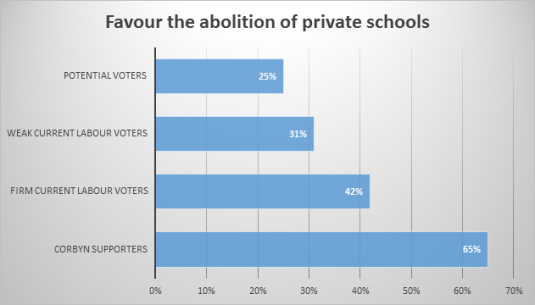
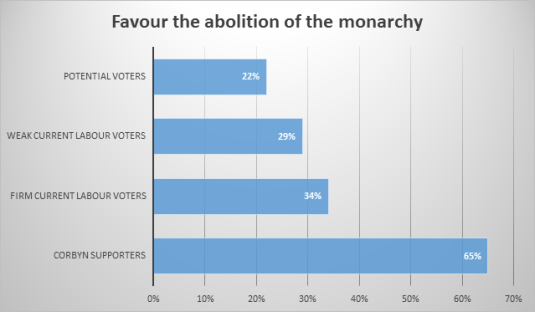
More reasons to let @jeremycorbyn be Corbyn – non-voters believe much the same things as voters
24 Sep 2015 1 Comment
in constitutional political economy, income redistribution, Marxist economics, Public Choice Tags: British politics, expressive voting, rational ignorance, rational irrationality, Twitter left, voter demographics
It is vital to permanent Tory rule that Jeremy Corbyn stay staunch to the principles and electoral strategy on which he was elected by Labour Party members and supporters to be their leader and alternative Prime Minister.
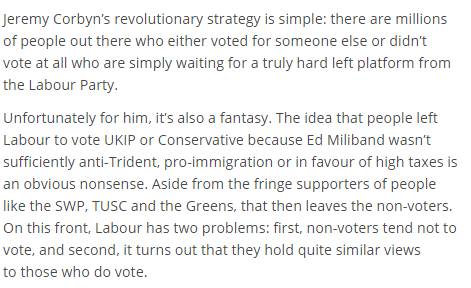
Source: The huge shock coming down the track for the Corbynites | Conservative Home
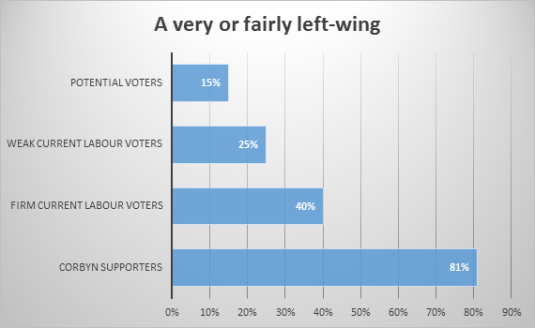
Source: New polling data shows the challenge facing Jeremy Corbyn
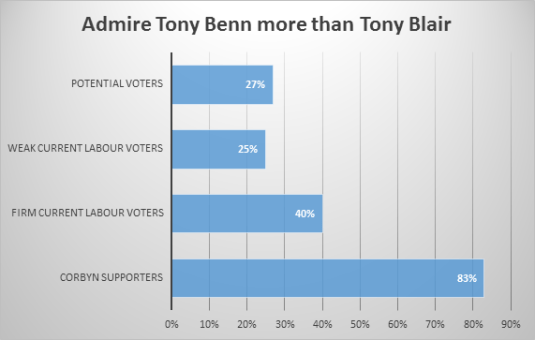
Source: New polling data shows the challenge facing Jeremy Corbyn
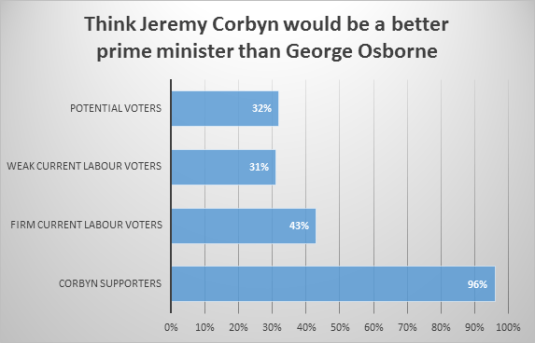
Source: New polling data shows the challenge facing Jeremy Corbyn
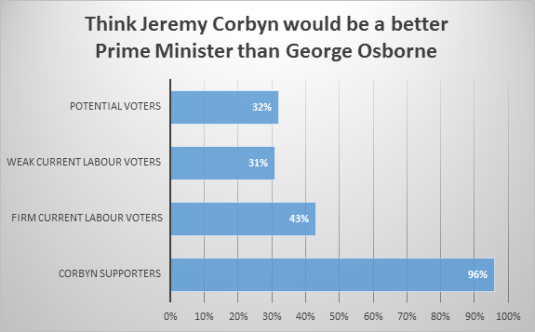
Source: New polling data shows the challenge facing Jeremy Corbyn
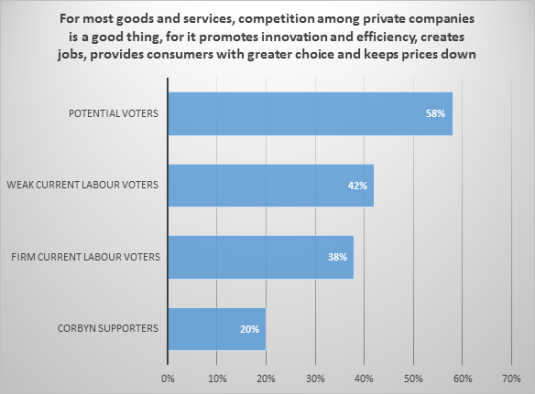
Source: New polling data shows the challenge facing Jeremy Corbyn
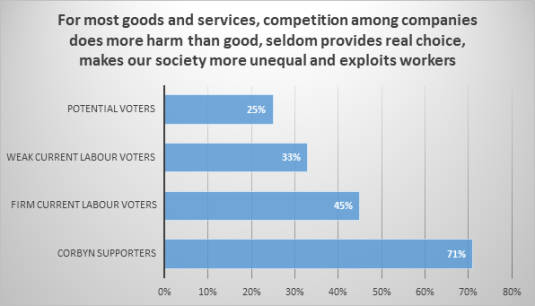
Source: New polling data shows the challenge facing Jeremy Corbyn
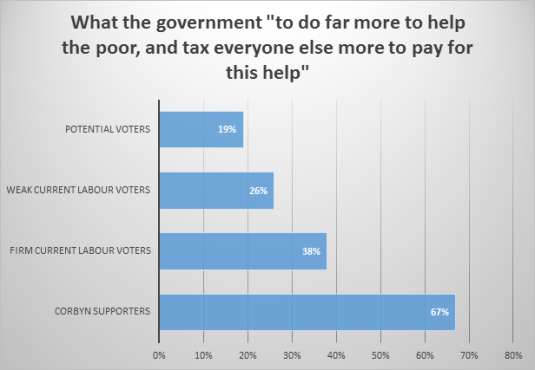
Source: New polling data shows the challenge facing Jeremy Corbyn
Source: New polling data shows the challenge facing Jeremy Corbyn
Source: New polling data shows the challenge facing Jeremy Corbyn
Peter Kellner: Measuring the gap between Corbyn’s supporters and Labour’s target voters – y-g.co/1izSpph http://t.co/f1NaNL4xgt—
(@YouGov) September 25, 2015
How dangerous is nuclear energy?
16 Sep 2015 Leave a comment
in economics of media and culture, economics of regulation, energy economics, environmental economics Tags: atomic power, environmental alarmism, expressive voting, Green alarmism, nuclear energy, rational ignorance, rational irrationality
Fair Trade: Does It Help Poor Workers?
01 Sep 2015 Leave a comment
in applied price theory, applied welfare economics, development economics, growth disasters, growth miracles, labour economics, poverty and inequality Tags: antimarket bias, expressive voting, fair trade, rational irrationality
Bryan Caplan on why H.L. Mencken was right
22 Aug 2015 Leave a comment
in constitutional political economy, economics of information, Public Choice Tags: Bryan Caplan, H.L Mencken, rational ignorance, rational irrationality, voter demographics


Why do unilateral actions to combat global warming fail in Congress?
21 Aug 2015 Leave a comment
in economics of regulation, energy economics, environmental economics, global warming, politics - USA Tags: climate alarmism, evidence-based policy, expressive politics, expressive voting, global warming, rational irrationality
@NZGreens @TransportBlog cars rule in Auckland! Auckland commuting times by transport mode
21 Aug 2015 1 Comment
in job search and matching, labour economics, occupational choice, politics - New Zealand, transport economics, urban economics Tags: Auckland, bicycles, commuting times, compensating differentials, expressive voting, green rent seeking, Inner-city Left, New Zealand Greens, public transport, rational irrationality, search and matching, The fatal conceit, The pretense to knowledge
I am not surprised only 7% of Auckland’s take public transport to work considering it takes much longer than any other form of commuting.
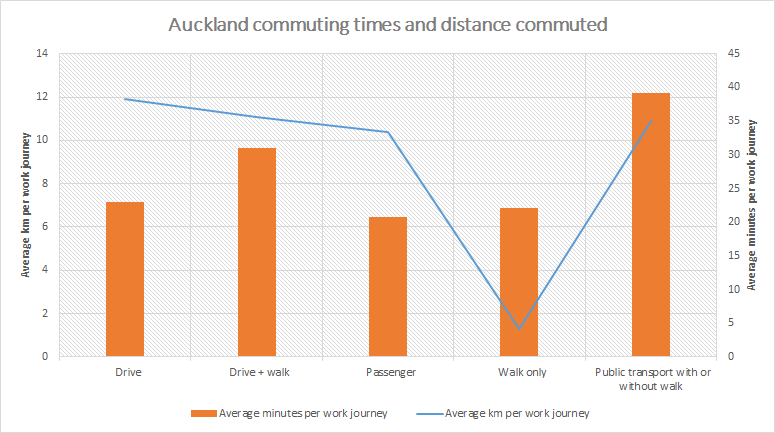
The average commute by public transport is 40 minutes as compared to less than 25 in a car. 74% of Aucklanders drive to work and another 9% are a passenger in a car.
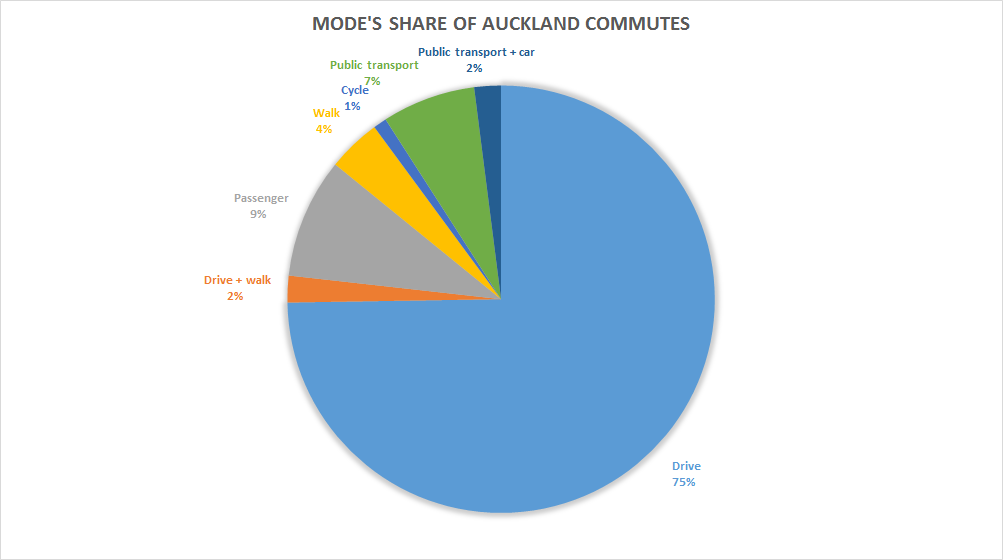
No information was available on those who bike to work because only 1% of Aucklanders bike to work. Only 2% of all New Zealanders take a bike to work. The sample size was therefore too small. Yet another reason to ban bikes at night. Few commute on this mode of transport in Auckland.
The near identical commuting distances irrespective of the mode of transport except walking is further evidence that people are quite discerning in balancing commuting times and job selection as per the theory of compensating differentials. Indeed, average commuting times in Auckland are much the same as the average commuting time in America.

The Auckland transport data showing people commute much the same distance by any mode of transport bar walking also validates Anthony Downs’ theory of triple convergence.

Improving the commuting times in one mode of transport will mean people simply take the mode of peak hour transport that is suddenly become less congested while others who were not going to commute at peak times or start commuting at peak times as Anthony Downs explains:
If that expressway’s capacity were doubled overnight, the next day’s traffic would flow rapidly because the same number of drivers would have twice as much road space.
But soon word would spread that this particular highway was no longer congested. Drivers who had once used that road before and after the peak hour to avoid congestion would shift back into the peak period. Other drivers who had been using alternative routes would shift onto this more convenient expressway. Even some commuters who had been using the subway or trains would start driving on this road during peak periods.
Within a short time, this triple convergence onto the expanded road during peak hours would make the road as congested as it was before its expansion.
Why @NZGreens @nzlabour @GreenpeaceNZ hate applied welfare economics
21 Aug 2015 Leave a comment
in applied welfare economics, economics of regulation, energy economics, environmental economics, health economics, international economics, labour economics, law and economics, politics - New Zealand, Public Choice Tags: antiforeign bias, antimarket bias, expressive voting, Greenpeace, Leftover Left, make-work bias, methodology of economics, New Zealand Greens, New Zealand Labour Party, rational ignorance, rational irrationality
Quotation of the Day from French Economist Frederic Bastiat in the 1850s http://t.co/2ECWtb6m9u—
Mark J. Perry (@Mark_J_Perry) August 14, 2015
Best 2 Minimum Wage Cartoons
21 Aug 2015 Leave a comment
in labour economics, minimum wage, politics - Australia, politics - New Zealand, politics - USA Tags: antimarket bias, expressive voting, Leftover Left, offsetting behaviour, rational ignorance, rational irrationality, The fatal conceit, The pretense to knowledge, unintended consequences
Best 2 Minimum Wage Cartoons Ever, from Henry Payne, Updated for Seattle's $15 "Economic Death Wish" @HenryEPayne http://t.co/vatUzkHMss—
Mark J. Perry (@Mark_J_Perry) August 18, 2015
More evidence of mass kidnappings of #occupywallstreet activists
20 Aug 2015 Leave a comment
in applied price theory, human capital, income redistribution, labour economics, labour supply, politics - USA, poverty and inequality, Public Choice, rentseeking, sports economics Tags: expressive voting, Left-wing hypocrisy, Leftover Left, mass kidnappings, Occupy Wall Street, rational ignorance, rational irrationality, superstar wages, superstars, top 0.1%, top 1%
Ratio of Median Salary of Top 25 Highest Paid MLB Player to Avg. Worker Pay Increased from 100:1 to 700:1 Since 1988 http://t.co/5zLktBXS3D—
Mark J. Perry (@Mark_J_Perry) August 18, 2015
 Utopia, you are standing in it!
Recent Comments