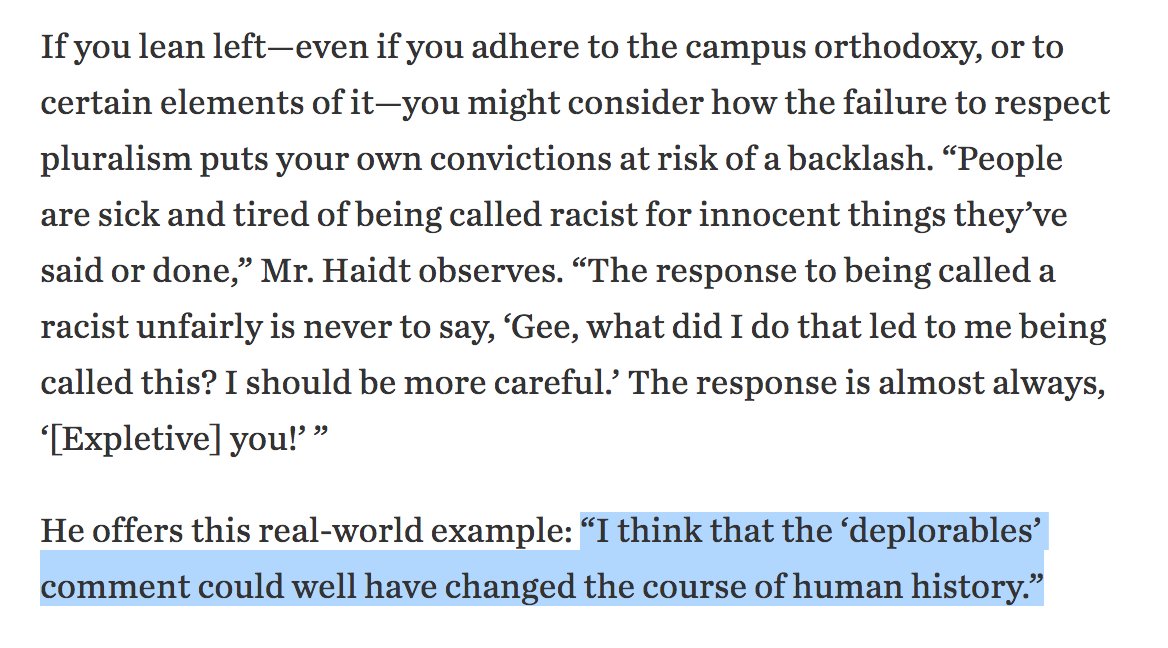
The Rise of Populism and the Backlash Against the Elites, Jonathan Haidt
12 Feb 2017 2 Comments
in economics of information, economics of media and culture, politics - Australia, politics - New Zealand, politics - USA Tags: moral psychology, political psychology, right-wing populists
Why so few successful left-wing populists
16 Aug 2016 Leave a comment
in politics - Australia, politics - New Zealand, politics - USA, Public Choice Tags: economics and immigration, growth of government, left-wing populists, right-wing populists, size of government, social insurance, welfare state
The Twitter Left is doing its best to attribute the surge against globalisation and immigration to inequality. This is despite the main beneficiary at the ballot box is right-wing populists.
The beneficiaries in the last few years were UKIP, the French National Front, Alternative for Germany, various pro-welfare state but anti-immigration parties in the rest of Europe, Pauline Hanson and Donald Trump. Barely a left wing party in sight outside of Greece.
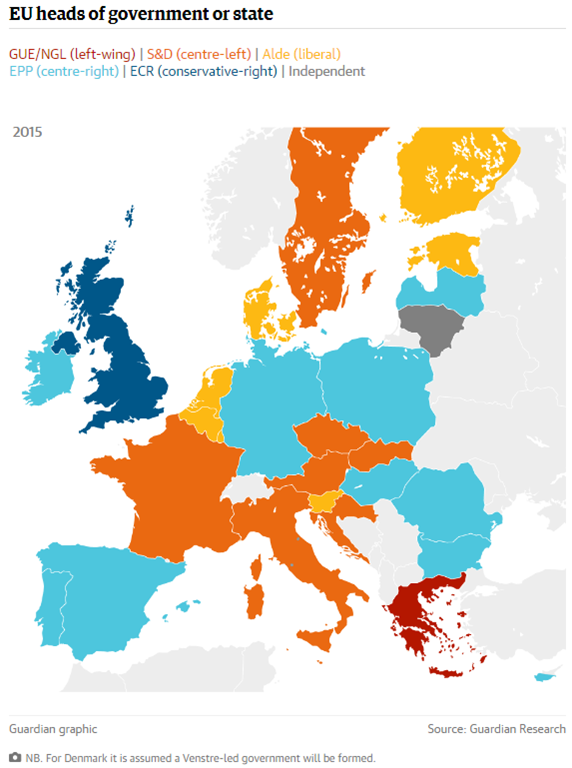
Source: Only a third of the EU is governed by the centre-left | World news | The Guardian.
Bernie Sanders is a fake left-wing populist because much of his support comes from college students and the university educated, not the aroused working class. These college students are unwilling to pay more than $1000 in taxes for the socialist revolution especially if they have a job.
At the last New Zealand election, two-thirds of the electorate voted for other than centre-left and left-wing parties. The hard left party, Mana-Internet, won 1% of the party vote despite having millions of dollars in campaign donations from a criminal fugitive hoping to avoid extradition.
These right-wing populists combine a heady brew of nationalism and social conservatism, scepticism about market competition, strong support for social security and old-age pensions but not welfare dependency, and opposition to immigration, imports and cultural change. The rise of the parties are not the first signs of an aroused working class seeking to overthrow capitalism. Face up to it.
Australian @greens are more extreme than @OneNationAus?
06 Aug 2016 Leave a comment
in Public Choice Tags: 2016 Australian federal election, Australian Greens, left-wing populists, median voter theorem, right-wing populists
42% of party A voters second preferences the Australian Labour Party. Less than 20% of party B voters second preference the Liberal Party of Australia.
Party A is Pauline Hanson’s One Nation voters; party B are Australian Green voters. Which are more extreme in terms of the distance from the median voter?
Which is more likely be persuaded to change their vote by been told over and over in the media that there are a bunch of extremists with concerns completely unrelated to the average Australian. We should note that people vote to anger and displease under the theory of expressive voting. Pauline Hanson’s One Nation is UKIP without the polish.

@RealDonaldTrump @BernieSanders are wrong on taxing imports
31 May 2016 Leave a comment
in applied price theory, applied welfare economics, economic history, international economics Tags: 2016 presidential election, left-wing populists, right-wing populists
HL Mencken on the @realDonaldTrump & @BernieSanders
13 Dec 2015 Leave a comment
in economics of bureaucracy, economics of media and culture, economics of regulation, income redistribution, Marxist economics, politics - USA, Public Choice, rentseeking Tags: 2016 presidential election, expressive voting, left-wing populists, Leftover Left, rational ignorance, rational irrationality, right-wing populists

Sanders, Trump and the median voter theorem
16 Aug 2015 Leave a comment
in politics - USA, Public Choice Tags: 2016 presidential election, expressive voting, left-wing populists, Leftover Left, median voter theorem, rational ignorance, rational irrationality, right-wing populists
Why is Labour so staunch on its left-wing policies – the voters must come to them – but opportunistic on race?
11 Jul 2015 Leave a comment
in constitutional political economy, international economics, law and economics, politics - New Zealand, property rights, Public Choice, rentseeking Tags: antiforeign bias, antimarket bias, left-wing populists, New Zealand First, New Zealand Labour Party, political opportunism, racism, rational ignorance, rational irrationality, right-wing populists, traditional labour voter, working class Tory
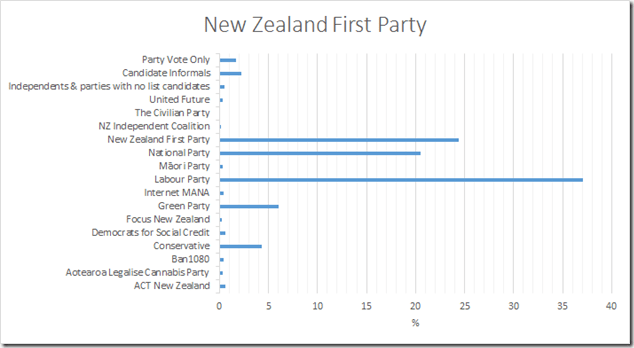
Figure 1: who won the electorate vote of New Zealand First party voters, 2014 New Zealand election
Source: Electoral Commission.
New Zealand First vote splitting data in Figure 1 suggests many more Labour voters vote New Zealand First than for the National Party with their electorate votes.
1/3rd of voters who gave their party vote to New Zealand First voted Labour with their electorate vote. This compares to one in five New Zealand First voters who gave their electorate vote to the National Party.
The Labour Party can win back some traditional Labour voters by borrowing populist policies from New Zealand First and its ageing leader such as prohibiting foreigners from buying New Zealand land.
Who mentioned Shane Jones?
In politics we don't pull our punches, unless you've got one of the world's best in town! http://t.co/Xiz2l36btg—
Winston Peters (@winstonpeters) August 08, 2013
Donald Trump explained
27 Jun 2015 Leave a comment
in international economic law, international economics, politics - USA, Public Choice, rentseeking Tags: 2016 presidential election, antiforeign bias, antimarket bias, crony capitalism, Donald Trump, expressive voting, left-wing populists, populists, right-wing populists
 Utopia, you are standing in it!
Recent Comments