Genetic testing identifies disease risk, enabling individuals to dodge environmental triggers, optimize treatments, and improve planning. Yet, the fear of increased insurance premiums deters many from undergoing tests. Genetic testing offers societal benefits but also presents significant distributional challenges. To address this, my 1994 paper proposed the idea of genetic insurance. For a small fee […]
Genetic Insurance
Genetic Insurance
28 Feb 2024 Leave a comment
in applied price theory, economics of information, entrepreneurship, health economics Tags: adverse selection, health insurance, moral hazard, screening, self-selection, signaling
Self-selection explained
15 Feb 2024 Leave a comment
in labour economics, labour supply, occupational choice, unemployment Tags: adverse selection, asymmetric information, moral hazard, screening, self-selection, signaling
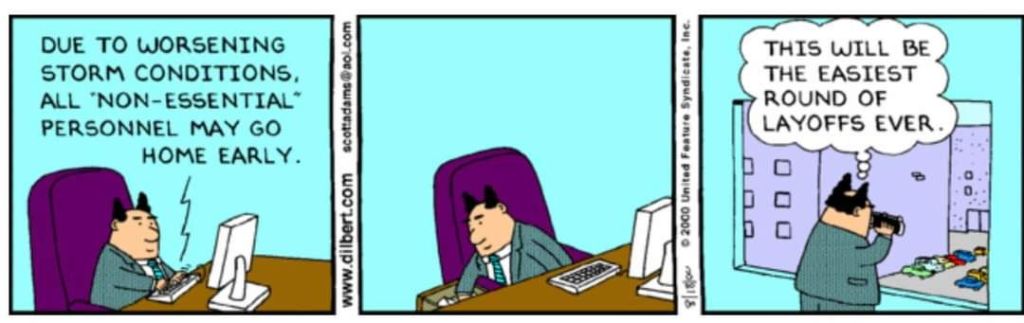
Why Are Scam Emails Obviously Scams? A Game Theory 101 Investigation
12 Aug 2022 Leave a comment
in applied price theory, economics of crime, economics of information, law and economics Tags: adverse selection, asymmetric information, game theory, screening, self-selection
Oklahoma Doctors vs. Obamacare
03 Dec 2020 Leave a comment
in applied price theory, economics of bureaucracy, economics of information, health economics, industrial organisation, managerial economics, organisational economics, personnel economics, politics - USA, Public Choice, theory of the firm Tags: adverse selection, asymmetric information, health insurance, moral hazard, self-selection
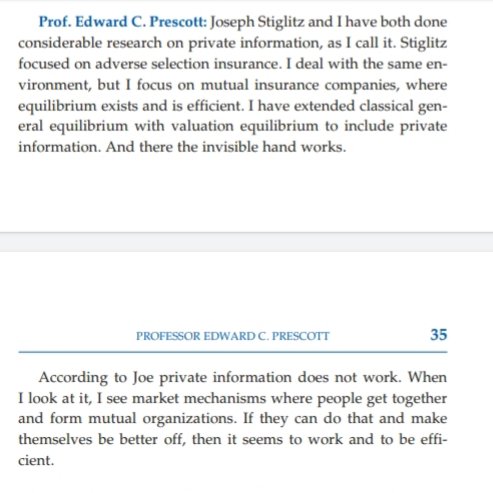

.@Bryan_Caplan’s best presentation of the case against education
18 Mar 2020 Leave a comment
in applied price theory, applied welfare economics, comparative institutional analysis, economics of education, economics of information, history of economic thought, human capital, income redistribution, industrial organisation, labour economics, labour supply, managerial economics, occupational choice, organisational economics, personnel economics, Public Choice, public economics, rentseeking, survivor principle Tags: adverse selection, asymmetric information, College premium, graduate premium, screening, self-selection, signaling

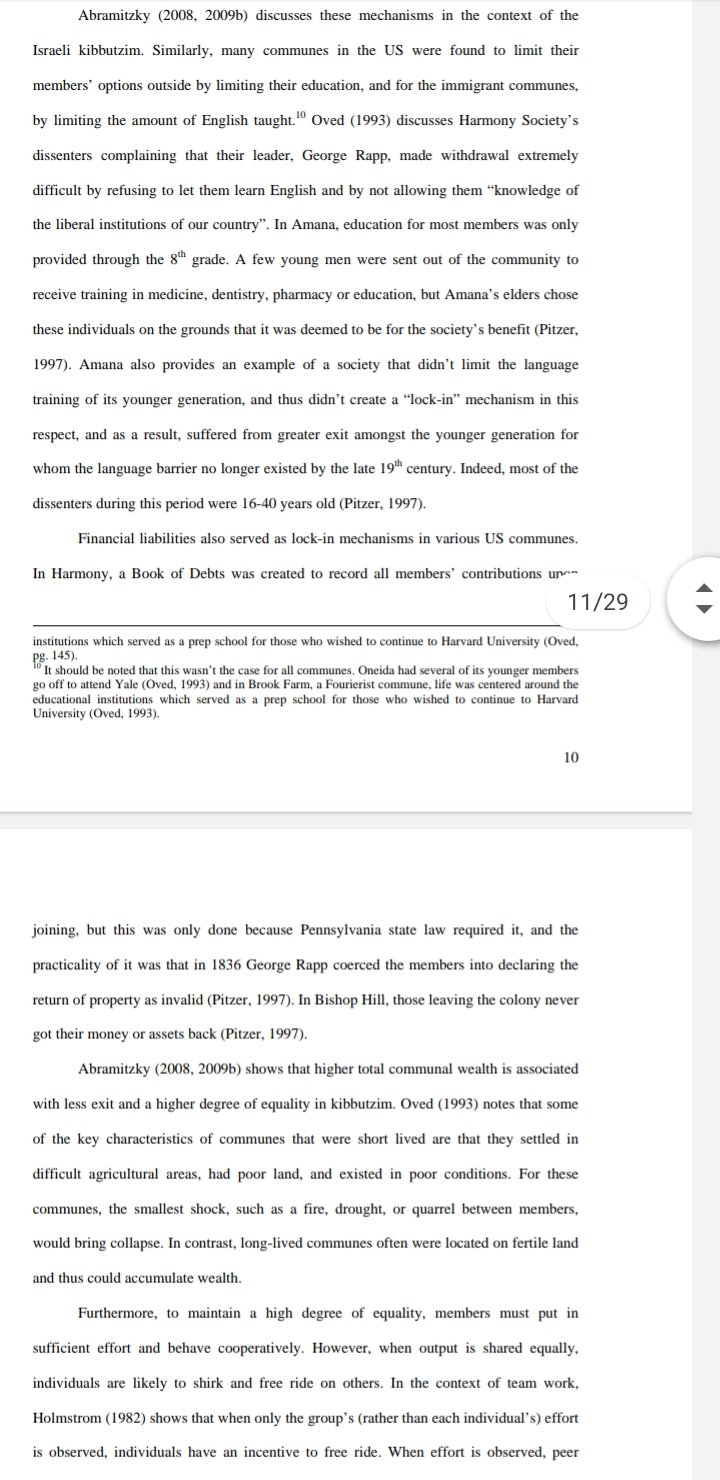
Caballero on the great safe collateral contraction
27 Feb 2020 Leave a comment
in budget deficits, business cycles, currency unions, economic growth, economic history, entrepreneurship, Euro crisis, financial economics, fiscal policy, global financial crisis (GFC), great recession, international economics, law and economics, macroeconomics, monetary economics, property rights, Public Choice Tags: adverse selection, asymmetric information, monetary policy, moral hazard, self-selection, sovereign debt crises, sovereign defaults
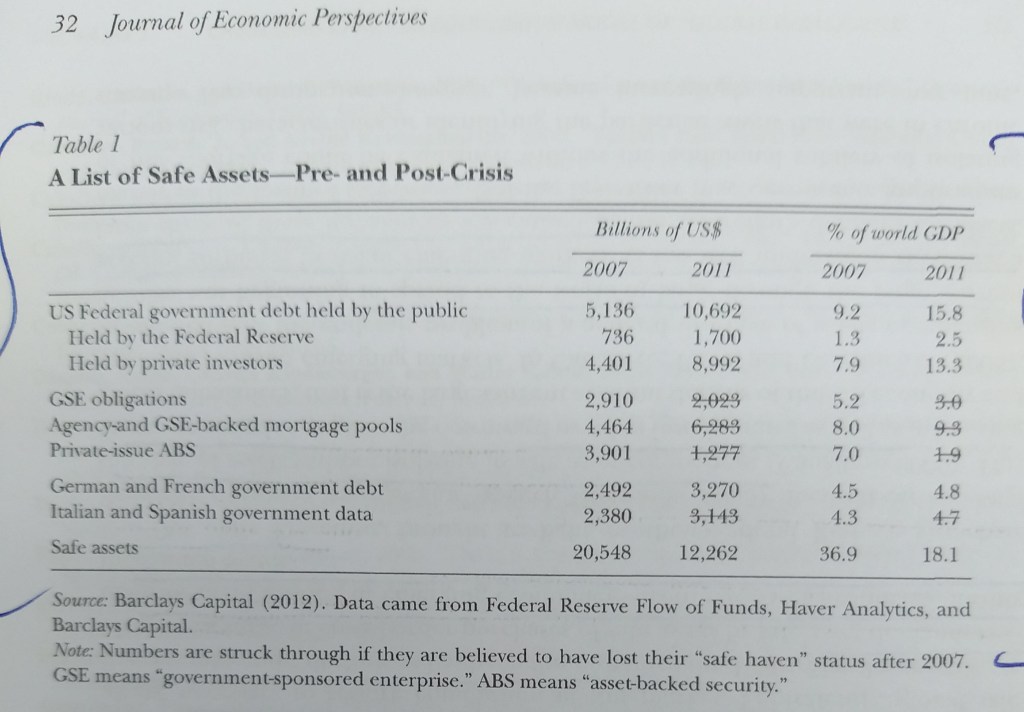
 Utopia, you are standing in it!
Recent Comments