That is the topic of my latest Free Press column. Excerpt: …in recent years they [Meta] have moved into AI in a big way. Over that same time period, the valuation of the company has risen from about $236 billion in November 2022 to almost $2 trillion at the end of this July. The reasons for […]
Is anyone worth a billion dollars?
Is anyone worth a billion dollars?
12 Aug 2025 1 Comment
in applied price theory, entrepreneurship, industrial organisation Tags: superstar wages
Why Top CEOs Earn Big Paychecks
22 Aug 2024 Leave a comment
in applied price theory, economic history, economics of education, entrepreneurship, human capital, industrial organisation, labour economics, labour supply, liberalism, managerial economics, market efficiency, occupational choice, organisational economics, personnel economics, politics - USA, poverty and inequality, survivor principle Tags: CEO pay, superstar wages

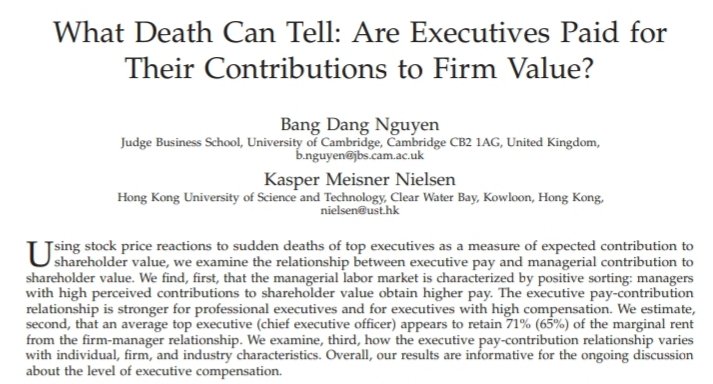
CEO compensation at large firms is high, especially in comparison to average worker wages, sparking debates over income inequality. Critics argue that such pay packages are unfair and disproportionate to actual company performance. Proponents contend that high pay reflects productivity and is necessary to attract scarce top talent to large firms. Let’s go to the […]
Why Top CEOs Earn Big Paychecks
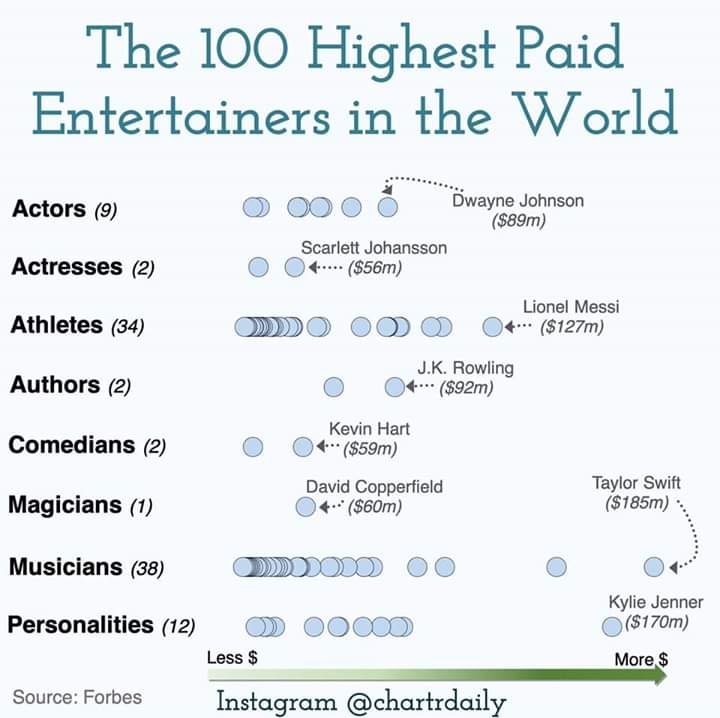
Highest Paid Athletes in the World (1990-2021)
15 May 2022 Leave a comment
in income redistribution, industrial organisation, labour economics, labour supply, occupational choice, poverty and inequality, sports economics Tags: superstar wages, superstars, top1%
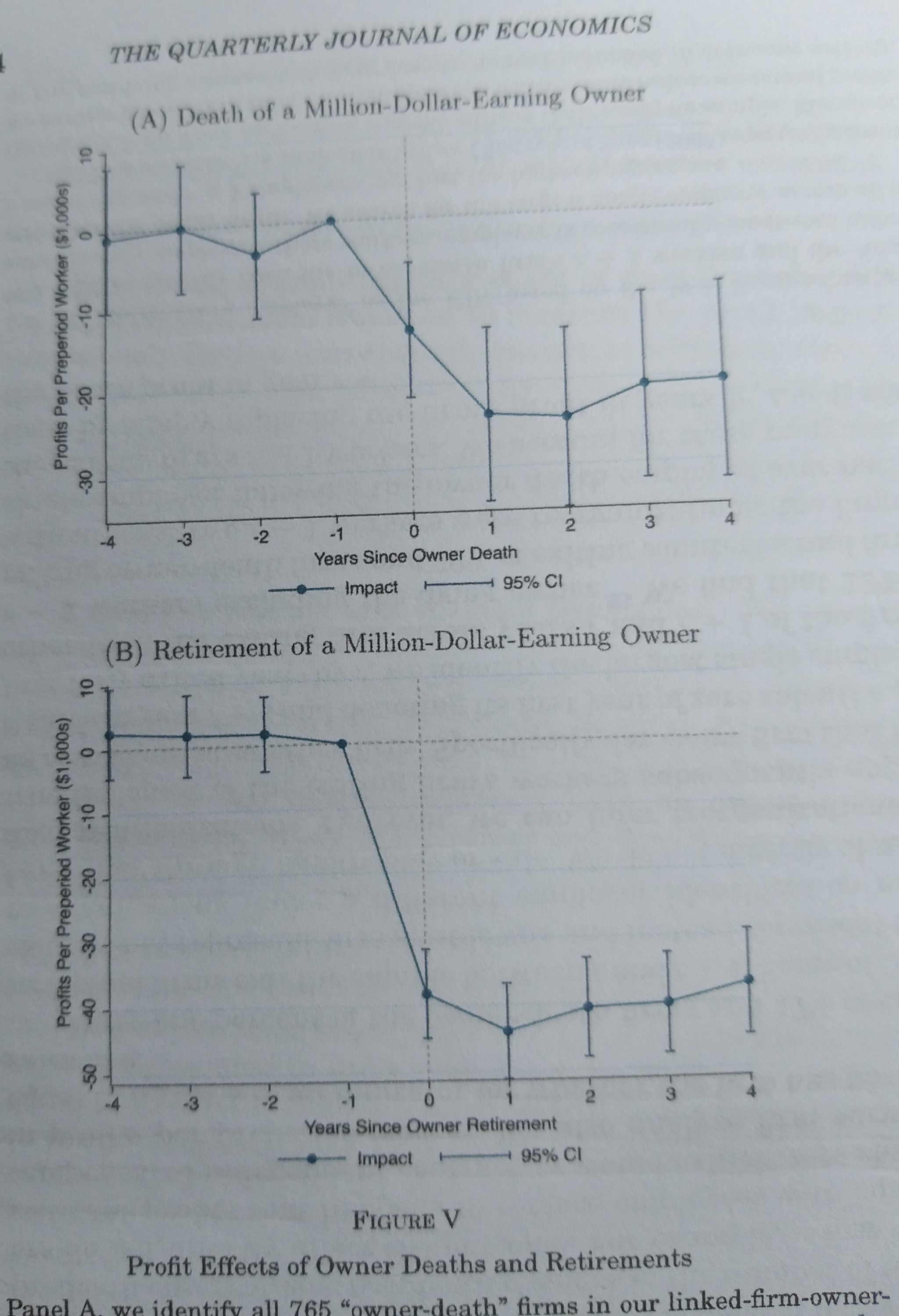
What Do Entrepreneurs Actually Do?
05 Dec 2019 Leave a comment
in economic history, economics of information, entrepreneurship, fisheries economics, human capital, income redistribution, industrial organisation, labour economics, labour supply, managerial economics, Marxist economics, occupational choice, organisational economics, personnel economics, politics - USA, poverty and inequality, property rights, Public Choice, public economics, survivor principle Tags: creative destruction, entrepreneurial alertness, superstar wages, superstars, top 1%
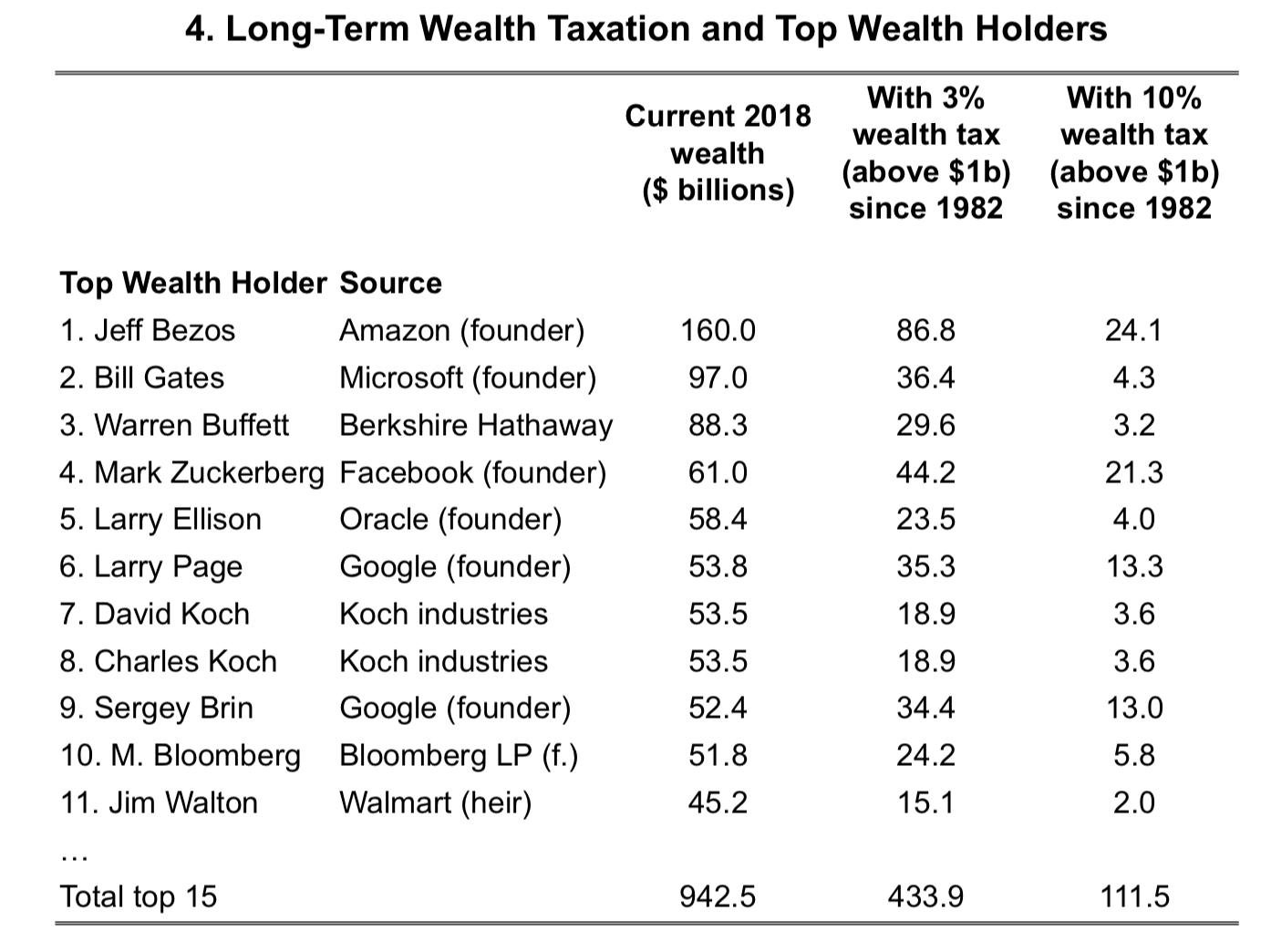
Would a “Wealth Tax” Help Combat Inequality? A Debate with Saez, Summers, and Mankiw
20 Oct 2019 Leave a comment
in applied price theory, applied welfare economics, comparative institutional analysis, economics of education, entrepreneurship, financial economics, human capital, income redistribution, industrial organisation, labour economics, labour supply, Marxist economics, occupational choice, politics - USA, poverty and inequality, Public Choice, public economics, rentseeking, survivor principle Tags: envy, superstar wages, superstars, taxation and entrepreneurship, taxation and investment, taxation and labour supply, top 1%, wealth taxes
Would these tech giants ever have become superstars if their founders had to sell down their controlling interests years ago to pay their wealth taxes
08 Sep 2019 Leave a comment
in economic history, entrepreneurship, human capital, industrial organisation, labour economics, labour supply, occupational choice, politics - USA, Public Choice, public economics, survivor principle Tags: envy, superstar wages, superstars, top 1%
Inequality, Productivity Stagnation and Moore’s Law | Tyler Cowen
21 Jun 2019 Leave a comment
in applied welfare economics, economic history, economics of information, economics of regulation, financial economics, human capital, industrial organisation, labour economics, labour supply, occupational choice, poverty and inequality Tags: superstar wages, top 1%
Top income shares falling since 1950s @FairnessNZ @CloserTogether
07 Apr 2017 Leave a comment
in economic history, politics - New Zealand, poverty and inequality Tags: superstar wages, superstars, top 1%
It has become an urban legend in New Zealand that inequality is getting worse and worse.
Brian Easton adjusted the top income share database for New Zealand for the introduction of dividend imputation. This encouraged companies to distribute more dividends.
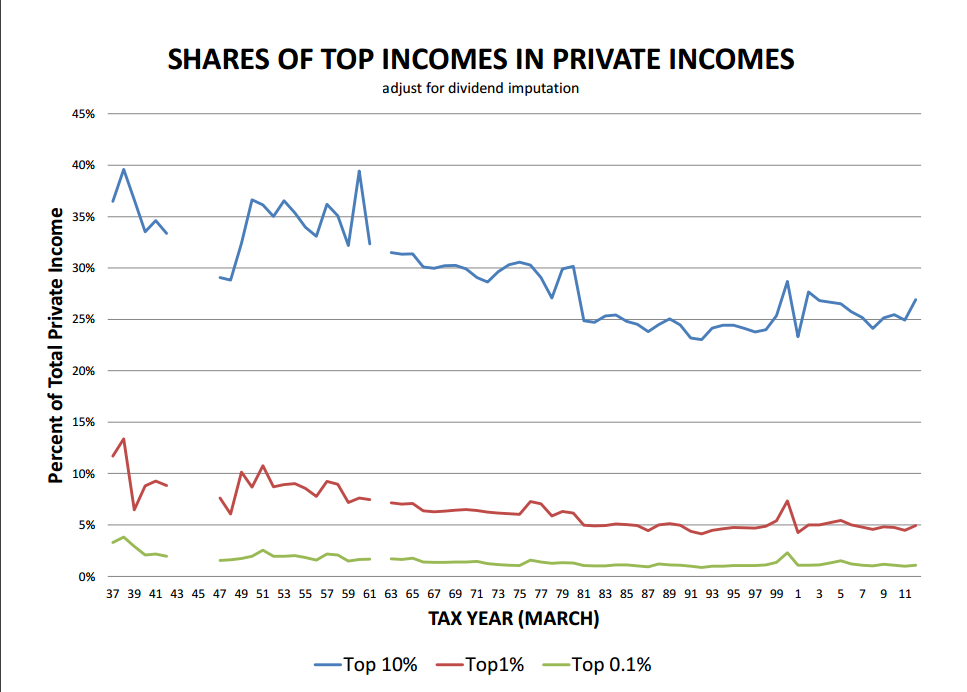
Once this measurement error was corrected by Easton, there has been no increase in top income shares in New Zealand since the 1950s. It has been a slow taper at best or a flat line.
There is a wages boom from the early 1990s after 20 years of wage stagnation, a period which some people regard as the good old days.
The return of real wages growth, and strong employment growth to boot, came straight after the Ruth Richardson horror budget and the passage of the Employment Contracts Act.
Every ethnic group experienced strong income growth as well as the graphic below shows. The rich got richer and the poor got richer too.

The rise of a working rich in Australia
12 Oct 2016 Leave a comment
in economic history, human capital, industrial organisation, labour economics, labour supply, politics - Australia, poverty and inequality, survivor principle Tags: superstar wages, superstars, top 1%, top incomes
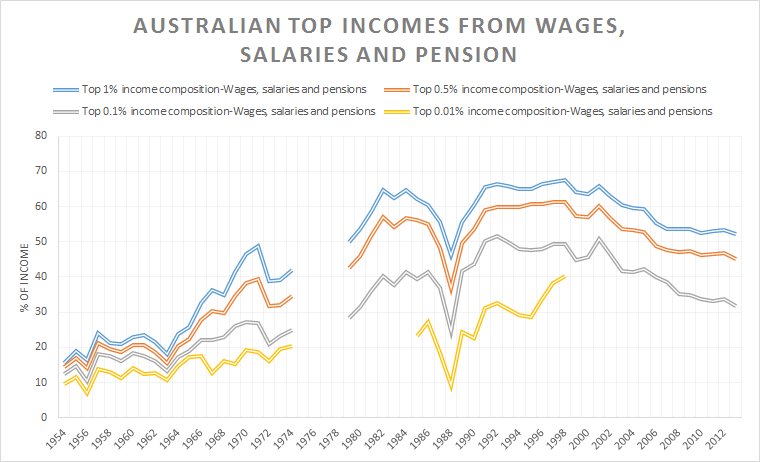
Source: The World Wealth and Income Database.
 Utopia, you are standing in it!
Recent Comments