Alex Epstein champions fossil fuels at the Senate
24 May 2016 Leave a comment
in development economics, economics, economics of religion, energy economics, entrepreneurship, environmental economics Tags: The Great Enrichment
Why were 1970s fashions just so bad, so loud?
23 May 2016 Leave a comment
in economic history, economics of media and culture Tags: fashions, The Great Enrichment
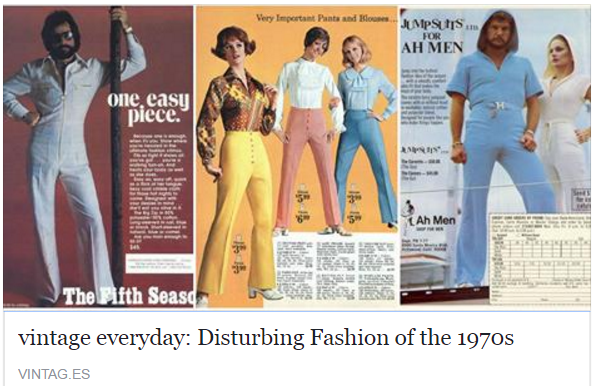 My explanation is the rapid income growth in the 1950s and 60s caught fashion designers short.
Comparing different income growth series 1900-2010 bit.ly/195NbKb http://t.co/9Uazhmayd4—
Catherine Mulbrandon (@VisualEcon) August 18, 2014
Up until the 1970s, and the swinging 60s in London where a tastes of that, clothing design for the masses is very much functional. It took 10 to 15 years for the fashion designers to work out how to respond to this sudden increase in demand for clothing as an expression of individual identity.
By the 1980s and 1990s, people were able to dress with distinction in finely cut clothing without the need to be gauche and loud.
Basic Facts of Growth and Development
12 May 2016 Leave a comment
in applied welfare economics, development economics, economic history, economics of media and culture, growth disasters, growth miracles Tags: The Great Enrichment, The Great Escape, The Great Fact
Is the Cost of Living Really Rising?
10 May 2016 Leave a comment
in economic history, economics of media and culture, entrepreneurship Tags: living standards, The Great Enrichment

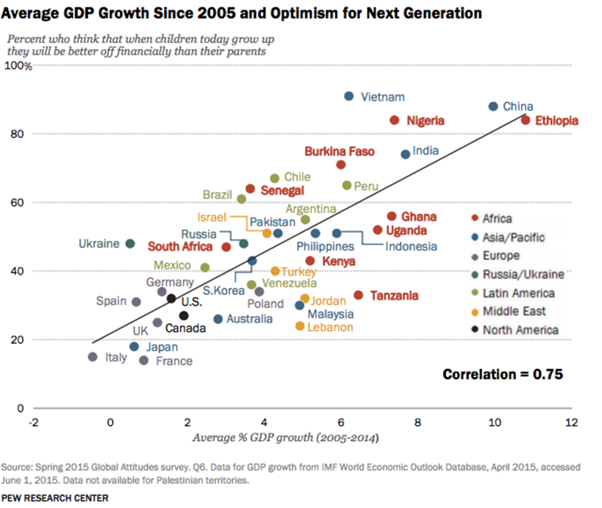
What are rich countries so grumpy?
07 May 2016 Leave a comment
in applied welfare economics, development economics, growth disasters, growth miracles Tags: compensating differentials, pessimism bias, The Great Enrichment, The Great Fact

“Bourgeois Equality” lecture
28 Apr 2016 Leave a comment
in applied welfare economics, development economics, economic history, economics, economics of regulation, entrepreneurship, growth disasters, growth miracles, history of economic thought, industrial organisation, poverty and inequality, survivor principle Tags: Deirdre McCloskey, industrial revolution, The Great Enrichment
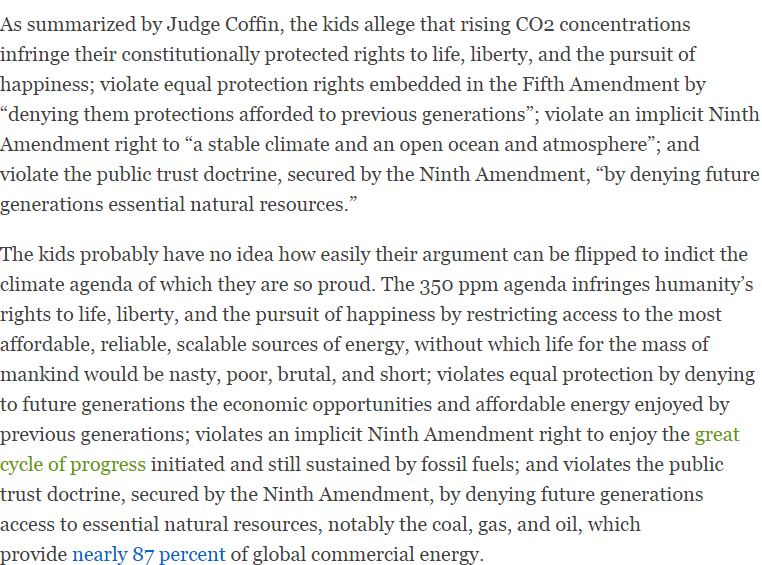
The future should sue today’s climate activists for slowing The Great Escape
16 Apr 2016 Leave a comment
in development economics, economic history, economics of media and culture, energy economics, environmental economics, global warming, growth miracles, law and economics Tags: climate activists, climate alarmism, extreme poverty, The Great Enrichment, The Great Escape, vexatious litigation
What will global GDP look like in 2030?
11 Apr 2016 Leave a comment
in development economics, economic growth, economics, economics of media and culture, growth disasters, growth miracles Tags: The Great Enrichment
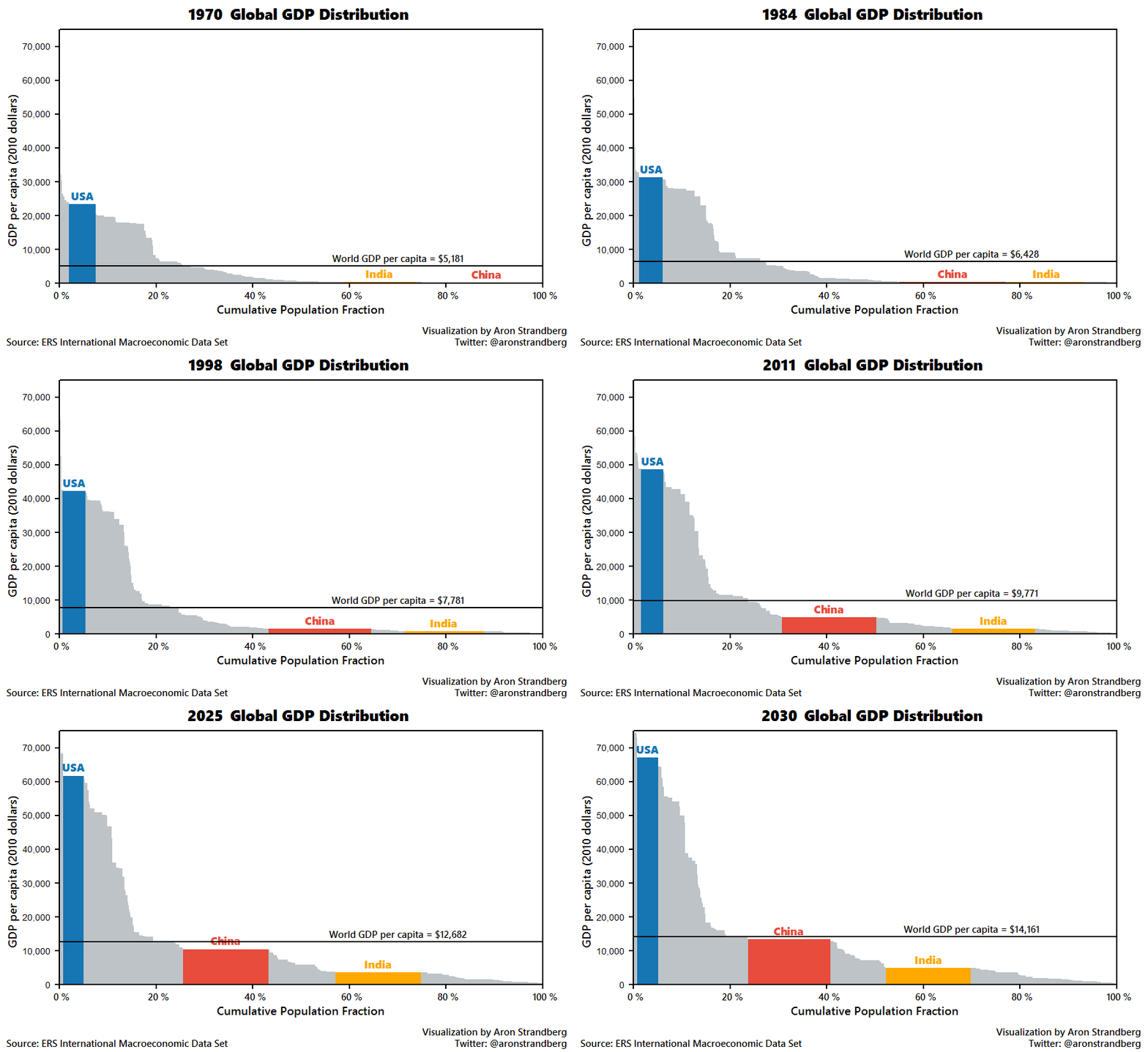

35 years of the global economy in one video
06 Apr 2016 Leave a comment
in development economics, economic history, economics of media and culture, growth miracles Tags: The Great Enrichment, The Great Fact


Recent Comments