

Mises on the cause of The Great Enrichment
25 Dec 2014 Leave a comment
in development economics, growth disasters, growth miracles, liberalism, Ludwig von Mises, technological progress Tags: capitalism and freedom, Ludwig von Mises, The Great Enrichment, The Great Escape, The Great Fact
The 10 deadliest diseases through history
24 Dec 2014 Leave a comment
in health economics Tags: The Great Escape
The Great Escape – Australian edition
22 Dec 2014 3 Comments
in health economics, liberalism Tags: The Great Escape

/assets.sbnation.com/uploads/chorus_asset/file/2527402/Death_chart_by_industry-01__1_.0.png)
Smallpox was eradicated not that long ago by vaccines
14 Dec 2014 Leave a comment
in health economics Tags: Anti-Science left, anti-vaccination movement, smallpox, The Great Escape, vaccinations, vaccines
Global Warming Was Worth It – And if we had to, we’d do it again
13 Dec 2014 Leave a comment
in climate change, development economics, environmental economics, global warming, growth disasters, growth miracles, history of economic thought, liberalism, population economics, technological progress Tags: capitalism and freedom, The Great Enrichment, The Great Escape, The Great Fact
Now, my conception (read: European) of progress and a better standard of living would place many advances above composting, organic farming, or even urban chicken coops.
- Higher incomes that allow people to make livings that afford them more than merely survival or avoiding starvation.
- A low poverty rate.
- High quality and diversity of employment opportunities. Rather than the choice of being a farmer or being a blacksmith, the average citizen should have an array of careers to choose from, and the ability to be industrious and take risks for profit.
- The availability of housing. On an average night in the United States, a country with a population of somewhere around 350 million, fewer than one million people are homeless.
- Consistent GDP growth.
- Access to quality health care.
- The availability of quality education. (I suppose we could quibble over the word “quality,” but certainly there is widespread free education availability.)
- High life expectancy. Worldwide life expectancy has more than doubled from 1750 to 2007.
- Low frequency of deadly disease.
- Affordable goods and services.
- Infrastructure that bolsters economic growth.
- Political stability.
- Air conditioning.
- Freedom from slavery, torture and discrimination.
- Freedom of movement, religion and thought.
- The presumption of innocence under the law.
- Equality under the law regardless of gender or race.
- The right to have a family – as large as one can support. Maybe even larger.
- The right to enjoy the fruits of labor without government – or anyone else – stealing it.
There’s much more, of course. If the “sustainability movement” had its way, many of these advances would be degraded.
And since Caradonna offered a few charts highlighting climate change and population growth (a bad thing), I too was assembling a number of graphs that could offer visual examples of the rise of positive developments since the Industrial Revolution. I also soon noticed that all of them looked virtually identical.
So below is what a graph encompassing nearly every one of my bullet points looks like:

First World "privilege"
13 Dec 2014 Leave a comment
in health economics Tags: Andy vaccinations movement, The Great Escape, vaccinations, vaccines
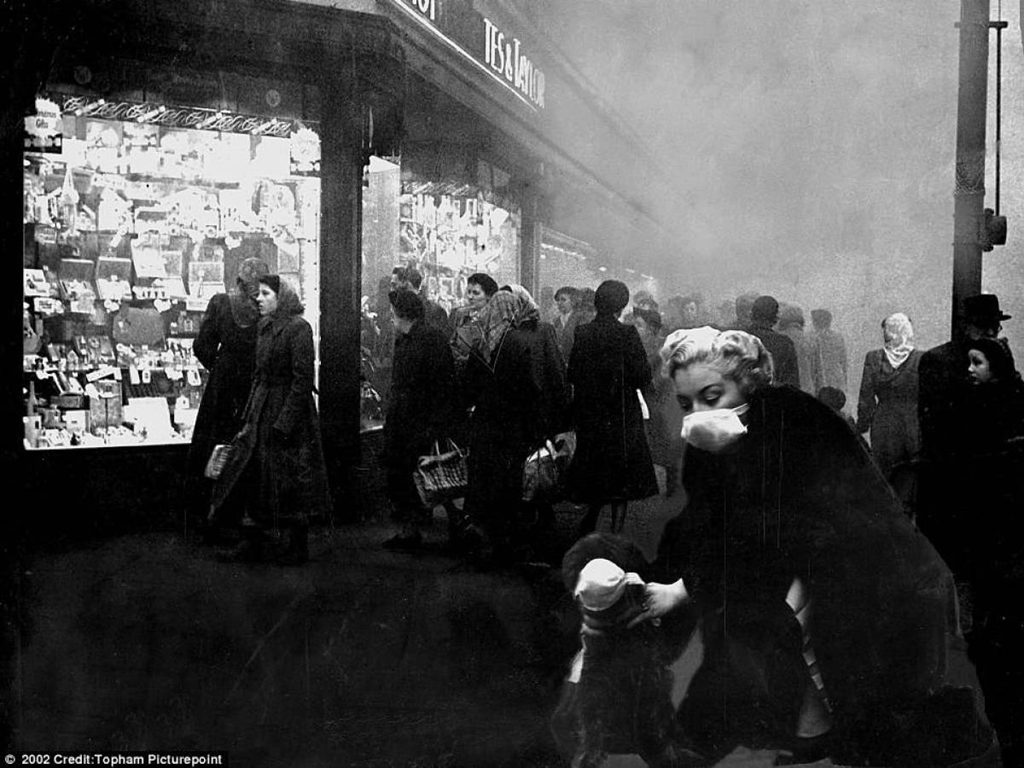
Good old days alert: the London smog that killed 12,000
07 Dec 2014 Leave a comment
in environmental economics, environmentalism, technological progress Tags: air pollution, The Great Escape, The Great Fact





Who chooses to be a vegetarian?
06 Dec 2014 Leave a comment
in applied welfare economics, development economics, economics of media and culture, growth disasters, growth miracles, population economics, technological progress Tags: food snobs, growth disasters, growth miracles, The Great Escape, The Great Fact


Recent Comments