Jaw-dropping bit from the Grocery Regulator, in interview at Interest.co.nz:“What we’ve been told by these players is when they come and they want to open up a large store in New Zealand, the cost to get a spade in the ground is double that of Australia,” he says in a new episode of the Of…
Please legalise new supermarkets
Please legalise new supermarkets
11 Sep 2024 Leave a comment
in applied price theory, economics of regulation, environmental economics, politics - New Zealand, transport economics, urban economics Tags: land supply, zoning
Uber messy
11 Sep 2024 Leave a comment
in applied price theory, comparative institutional analysis, economics of regulation, entrepreneurship, industrial organisation, labour economics, labour supply, law and economics, occupational choice, politics - New Zealand, property rights, Public Choice, transport economics, urban economics Tags: employment law, Uber
Caught a fun phone call from an accountant after this week’s column over at the Dom Post (and Christchurch Press, etc) on the court’s decision in the Uber case.If Uber drivers are employees, rather than contractors, as the Court sees things, how will depreciation on their cars be handled? Contractors can count all those expenses…
Uber messy
Rent controls make many tenants worse off in the Netherlands
10 Sep 2024 Leave a comment
in applied price theory, economic history, economics of regulation, income redistribution, Public Choice, rentseeking, transport economics, urban economics Tags: rent control
Rent controls have created shortages of housing, every time and in every place that they have been tried. In the latest futile attempt to create working rent controls, the Netherlands has worsened its housing shortage. As Bloomberg reported recently (paywalled, but try this alternative link):Two years ago, Nine Moraal and her two children moved into a…
Rent controls make many tenants worse off in the Netherlands
Uber ruling – driving in the wrong direction
09 Sep 2024 Leave a comment
in applied price theory, economics of regulation, labour economics, labour supply, law and economics, occupational choice, occupational regulation, property rights, Public Choice, rentseeking, transport economics, urban economics Tags: employment law, Uber
Dr Oliver Hartwich writes – Last week, an Uber driver surprised me in a conversation about the recent Court of Appeal decision classifying four Uber drivers as employees rather than contractors. My driver was blunt. He has no desire to be an employee. He values his flexibility to take breaks and drive when and where […]
Uber ruling – driving in the wrong direction
Employers are reluctant to admit workers work because they are paid wages
09 Sep 2024 Leave a comment
in applied price theory, labour economics, labour supply, managerial economics, organisational economics, personnel economics

https://www.facebook.com/groups/774813624767808/permalink/829599789289191/?ref=share&mibextid=NSMWBT
Friedman vs Stiglitz: Estonia and Poland vs. Argentina and Venezuela
06 Sep 2024 Leave a comment
in applied price theory, comparative institutional analysis, development economics, economic history, economics of bureaucracy, entrepreneurship, growth disasters, growth miracles, history of economic thought, income redistribution, industrial organisation, international economics, labour economics, law and economics, liberalism, Marxist economics, poverty and inequality, property rights, Public Choice, rentseeking, survivor principle Tags: Argentina, Chile, Poland, regressive left, Venezuela
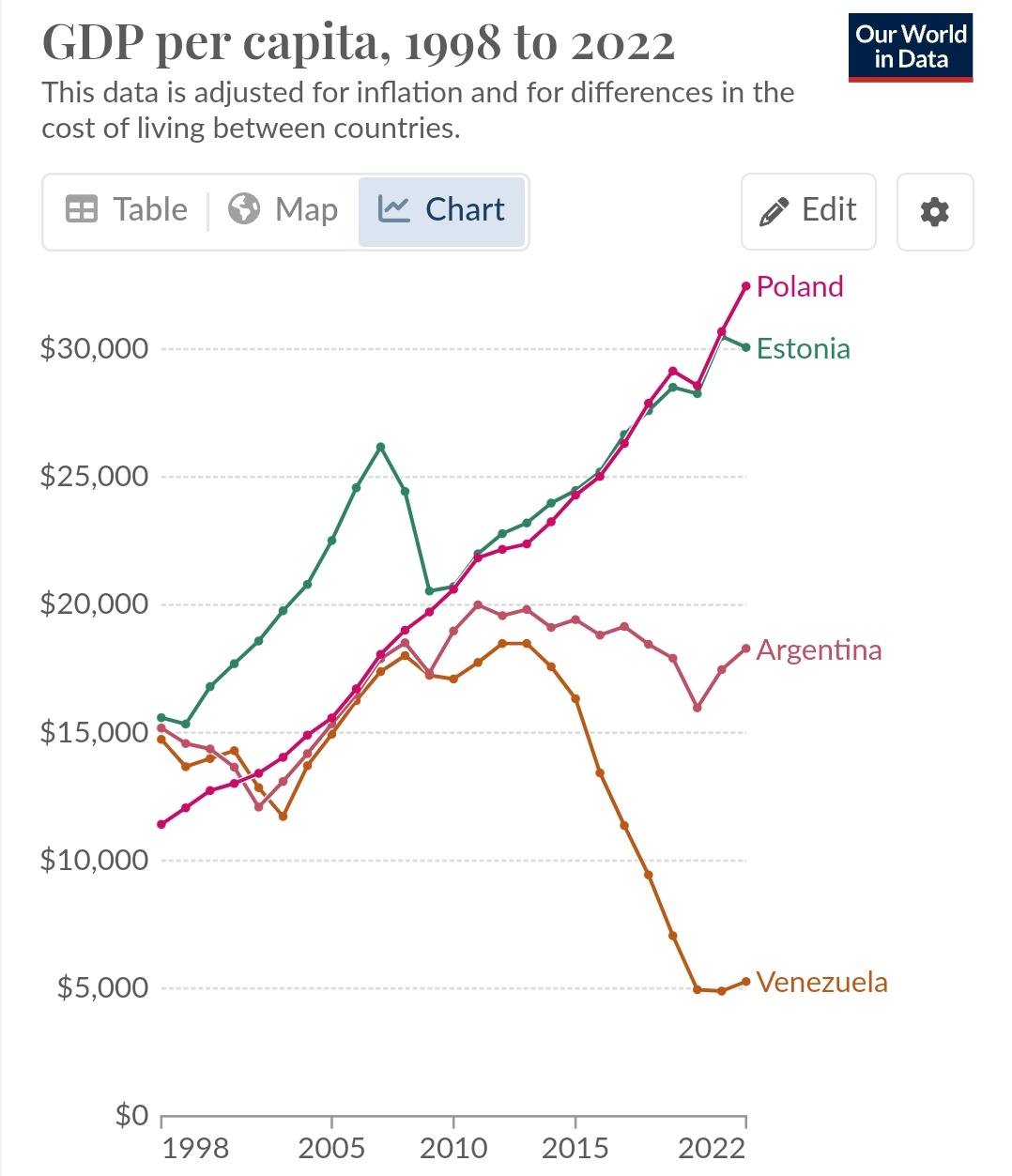
About 10 days ago, i showed that Milton Friedman was a much better economist than Joseph Stiglitz by comparing Chile (which followed Friedman’s ideas) and Venezuela (which followed Stiglitz’s ideas). It was a slam-dunk win for Friedman. Chile started poor and has become relatively prosperous. The opposite happened in Venezuela, which started relatively prosperous and […]
Friedman vs Stiglitz: Estonia and Poland vs. Argentina and Venezuela
Jim Crow and Black Economic Progress After Slavery
05 Sep 2024 Leave a comment
in applied price theory, discrimination, economic history, economics of education, human capital, labour economics, labour supply, politics - USA, poverty and inequality Tags: economics of slavery, racial discrimination
This paper studies the long-run effects of slavery and restrictive Jim Crow institutions on Black Americans’ economic outcomes. We track individual-level census records of each Black family from 1850 to 1940, and extend our analysis to neighborhood-level outcomes in 2000 and surname-based outcomes in 2023. We show that Black families whose ancestors were enslaved until […]
Jim Crow and Black Economic Progress After Slavery
Interview with Greg Mankiw: New Keynesian Macro, Growth, and Economic Policy
04 Sep 2024 Leave a comment
in applied price theory, budget deficits, business cycles, development economics, econometerics, economic growth, economic history, Edward Prescott, fiscal policy, great depression, history of economic thought, labour economics, law and economics, macroeconomics, Milton Friedman, monetarism, monetary economics, politics - USA, Public Choice, Robert E. Lucas, unemployment
Jon Hartley interviews Greg Mankiw on topics including New Keynesian macroeconomics, growth, and economic policy more broadly at his Capitalism and Freedom website (August 20, 2024, video and transcript available). Here are a few of the comments that caught my eye. On big models and small models in studying the macroeconomy: [O]n the issue of…
Interview with Greg Mankiw: New Keynesian Macro, Growth, and Economic Policy
Marx explained
01 Sep 2024 Leave a comment
in applied price theory, Austrian economics, entrepreneurship, history of economic thought, human capital, income redistribution, labour economics, labour supply, law and economics, liberalism, Marxist economics, occupational choice, poverty and inequality, property rights, Public Choice

It is wonderful to put inefficient firms out of business
31 Aug 2024 1 Comment
in applied price theory, econometerics, economic history, entrepreneurship, history of economic thought, industrial organisation, survivor principle Tags: creative destruction
The differences between the most and least productive companies can be startlingly high. By one estimate, in the US alone the most productive firms in a sector can be more than two to four times more cost-effective than the least productive ones. Given the size of those discrepancies, any expansion of trade or innovation that makes […]
It is wonderful to put inefficient firms out of business
European Policies = European Stagnation
31 Aug 2024 Leave a comment
in applied price theory, applied welfare economics, Austrian economics, comparative institutional analysis, constitutional political economy, economic growth, economic history, economics of bureaucracy, entrepreneurship, human capital, income redistribution, labour economics, labour supply, liberalism, macroeconomics, Marxist economics, politics - USA, poverty and inequality, Public Choice, public economics, rentseeking, welfare reform Tags: Europe, social insurance
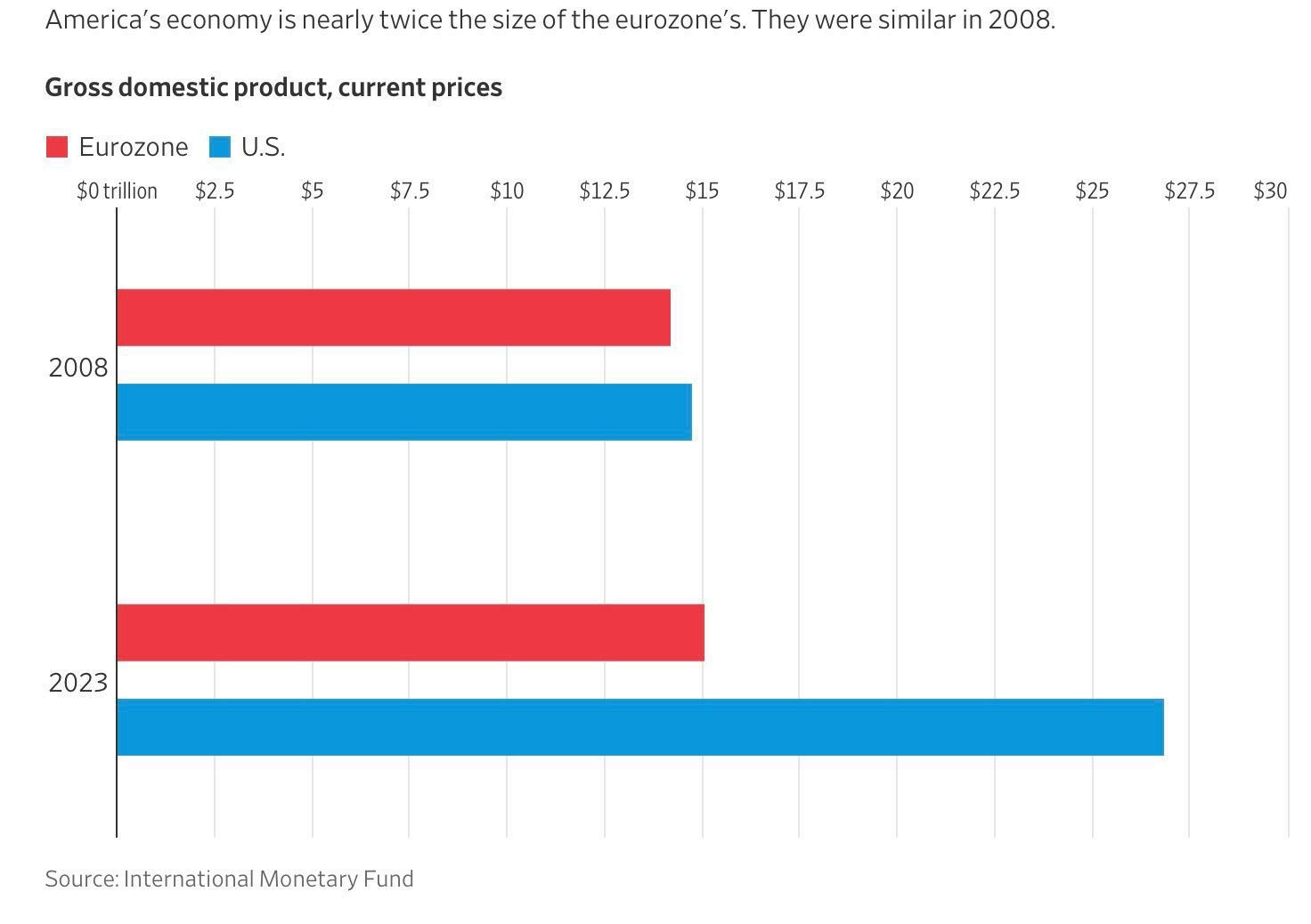
I’ve written many times about how Americans are much richer than Europeans. And I’ve also written many times that the U.S. economy has been growing faster (which shouldn’t happen according to convergence theory). There’s a simple reason for America’s superior performance. The U.S. is burdened by a medium-sized welfare state and a bad tax system […]
European Policies = European Stagnation
Price Controls Reflect Utter Economic Insanity
25 Aug 2024 Leave a comment
in applied price theory, economics of regulation, entrepreneurship, history of economic thought, industrial organisation, liberalism, Marxist economics, politics - USA Tags: 2024 presidential election, price controls, regressive left, rent control
TweetIn the print edition of tomorrow’s (Friday’s) Wall Street Journal, Richard McKenzie and I explain some of the many unintended ill-consequences of the price controls proposed by Kamala Harris. A slice: Price-control proponents often justify their position by claiming that grocery stores are monopolies. They point to a fantasy economic theory that purports to show how…
Price Controls Reflect Utter Economic Insanity
The Intellectual Roots of YIMBYism
23 Aug 2024 Leave a comment
in applied price theory, comparative institutional analysis, economic history, economics of regulation, history of economic thought, politics - USA, urban economics Tags: housing affordability, zoning
At the Democratic National Convention former President Obama came out strongly in favor of housing deregulation saying “we need to build more homes and clear away some of the outdated laws and regulations that make it harder to build homes”. Robert Kwasny asks on X, “What are the intellectual roots of present-day YIMBYism?” Looking at […]
The Intellectual Roots of YIMBYism
Why Top CEOs Earn Big Paychecks
22 Aug 2024 Leave a comment
in applied price theory, economic history, economics of education, entrepreneurship, human capital, industrial organisation, labour economics, labour supply, liberalism, managerial economics, market efficiency, occupational choice, organisational economics, personnel economics, politics - USA, poverty and inequality, survivor principle Tags: CEO pay, superstar wages

CEO compensation at large firms is high, especially in comparison to average worker wages, sparking debates over income inequality. Critics argue that such pay packages are unfair and disproportionate to actual company performance. Proponents contend that high pay reflects productivity and is necessary to attract scarce top talent to large firms. Let’s go to the […]
Why Top CEOs Earn Big Paychecks
Kamala’s Proposed Increase in the Corporate Tax Rate: The Good News and Bad News
21 Aug 2024 Leave a comment
in applied price theory, entrepreneurship, Public Choice, public economics Tags: taxation and entrepreneurship, taxation and investment
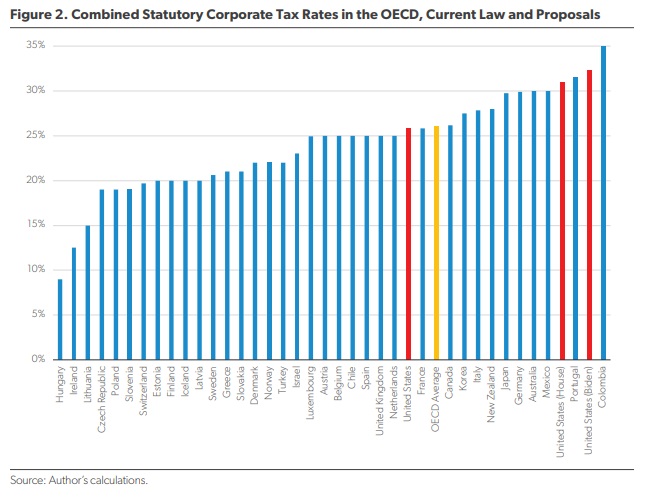
As part of her tax-and-spend agenda, Kamala Harris says she wants to increase the federal corporate tax rate from 21 percent to 28 percent. While it doesn’t seem possible, there is a tiny sliver of good news in her proposal. I’m happy that she isn’t proposing to push the rate to 35 percent, which is […]
Kamala’s Proposed Increase in the Corporate Tax Rate: The Good News and Bad News


Recent Comments