A conversation with Ronald H. Coase
11 Mar 2019 Leave a comment
in applied price theory, comparative institutional analysis, economics of regulation, industrial organisation, law and economics, privatisation, Ronald Coase Tags: Coase theorem
Ronald Coase Interview with CEI Founder Fred Smith
10 Mar 2019 Leave a comment
in applied price theory, economics of regulation, environmental economics, industrial organisation, law and economics, Ronald Coase Tags: Coase theorem
Review of “The Passage of Power: The Years of Lyndon Johnson (Vol 4)” by Robert Caro
10 Mar 2019 Leave a comment
MIDNIGHT IN CHERNOBYL: THE UNTOLD STORY OF THE WORLD’S GREATEST NUCLEAR DISASTER by Adam Higginbotham
10 Mar 2019 Leave a comment


(Chernobyl a few days after the explosion at Reactor #4)

March 28, 1979 was an overcast day in Woodbridge, Va. when news arrived of a nuclear accident at Three Mile Island Unit 2 reactor near Middletown, Pa. Feeling totally in the dark when it came to information about the accident, my neighbors and I gathered outside our homes and immediately began testing to see which way the winds were blowing, and should we pack up and head in the opposite direction. Living about two and a half hours from the reactor which would eventually partially melt down, we were scared. Up to that time this would be considered the greatest nuclear accident in history being unaware of the Kyshtym Disaster which was a radioactive contamination accident that occurred on September 29, 1957 at Mayak, a plutonium production site in Russia for nuclear weapons and a nuclear fuel reprocessing plant in the Soviet Union. After reading Adam Higginbotham’s new book, MIDNIGHT IN…
View original post 1,508 more words
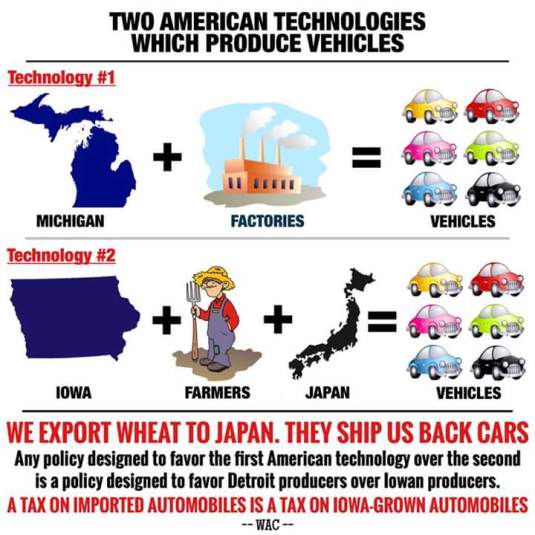
Climate economics (UG): Costs of emission reduction
09 Mar 2019 Leave a comment
in applied price theory, applied welfare economics, energy economics, environmental economics, global warming Tags: climate alarmism
David Friedman – Hidden Order (Booknotes on C-SPAN)
09 Mar 2019 Leave a comment
in applied price theory, comparative institutional analysis, David Friedman, economics of crime, economics of regulation, history of economic thought, law and economics, property rights
Debunking the Guardian myth that anti-Zionism is not antisemitic
08 Mar 2019 Leave a comment

In a long Guardian op-ed, Peter Beinart argues that anti-Zionism isn’t antisemitic. In his piece (Debunking the myth that anti-Zionism is antisemitic, March 7), Beinart argues that the 30 countries who’ve adopted the IHRA Working Definition of Antisemitism, which defines as antisemitic denying Jews the right self-determination, have made a tragic mistake.
First, he claims it’s wrong to suggest it’s racist to deny Jews the right to self-determination by making the following argument:
The Kurds don’t have their own state. Neither do the Basques, Catalans, Scots, Kashmiris, Tibetans, Abkhazians, Ossetians, Lombards, Igbo, Oromo, Uyghurs, Tamils and Québécois, nor dozens of other peoples who have created nationalist movements to seek self-determination but failed to achieve it.
Yet barely anyone suggests that opposing a Kurdish or Catalan state makes you an anti-Kurdish or anti-Catalan bigot.
However, these aren’t currently states, whereas the Jewish state actually exists. Opposing Israel’s right to…
View original post 681 more words
Jonathan Pie on the Will Smith “colorism” flap
08 Mar 2019 Leave a comment

I wasn’t aware of this controversy, which borders on the risible. It turns out, as reported by the BBC, that actor Will Smith is set to play Richard Williams, the father of tennis stars Venus and Serena Williams, in a movie about their lives (dad coached his two daughters).
Although Will Smith is black, he’s apparently not black enough, because he was immediately criticized—on social media, of course, which attracts the entire Offense Brigade—for playing an African-American who is blacker than he is. Some examples of the offense:
View original post 137 more words
Murrow-McCarthy, 65 years on: Tenacious media myth and a telling reminder
07 Mar 2019 Leave a comment

The 65th anniversary of Edward R. Murrow’s report about Joseph R. McCarthy — extravagantly called “television’s finest half-hour” — falls this week. Over the intervening years, the program has become infused with a tenacious media myth.
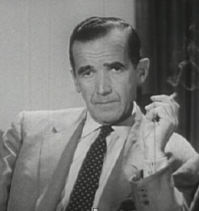 Murrow
And yet the program resonates still, particularly in Murrow’s comments about dissent and false allegations.
The program about McCarthy, the senator from Wisconsin who had unsettled the country with allegations about communist infiltration of U.S. government agencies, aired on the CBS “See It Now” newsmagazine show on March 9, 1954.
The myth has it that Murrow, alone in American journalism, had the courage, will, and stature to stand up to McCarthy and expose him as the demagogue he was.
That makes for an appealing trope about media power and the agency of a committed, high-profile journalist. But neither Murrow nor his producer, Fred Friendly, embraced…
View original post 948 more words
Why many married women were banned from working in US during the Great Depression?
07 Mar 2019 Leave a comment

Ronald Coase on JS Mill’s false doctrine of natural monopoly
07 Mar 2019 Leave a comment
in applied price theory, comparative institutional analysis, economic history, economics of regulation, entrepreneurship, industrial organisation, law and economics, property rights, Public Choice, rentseeking, Ronald Coase, survivor principle Tags: natural monopoly, regulatory capture, special interest groups
David Friedman: Should We Abolish Criminal Law?
07 Mar 2019 Leave a comment
in applied price theory, applied welfare economics, comparative institutional analysis, constitutional political economy, David Friedman, economics of crime, law and economics, property rights, Public Choice Tags: anarchocapitalism


Recent Comments