Why Nations Fail: Daron Acemoglu interview | The Economist
29 Sep 2018 Leave a comment
in comparative institutional analysis, constitutional political economy, development economics, economic history, economics of bureaucracy, economics of regulation, entrepreneurship, growth disasters, growth miracles, income redistribution, international economics, law and economics, property rights, Public Choice, rentseeking Tags: Daron Acemoglu
David Friedman – A Consequentialist Theory of Anarcho-Capitalism – PorcFest X
26 Sep 2018 Leave a comment
in applied price theory, comparative institutional analysis, constitutional political economy, David Friedman, defence economics, economics of crime, law and economics, property rights
A Conversation With David Friedman – part 7: Keynesianism, Chicago & Austrian Schools, & AnCap
21 Sep 2018 Leave a comment
in applied price theory, Austrian economics, comparative institutional analysis, constitutional political economy, David Friedman, economics of crime, law and economics
Can the Free Market End Global Poverty? Nobel Laureate Joseph Stiglitz vs. NYU’s William Easterly
15 Sep 2018 1 Comment
in applied price theory, comparative institutional analysis, development economics, economic history, growth disasters, growth miracles, history of economic thought Tags: The Great Enrichment, William easterly
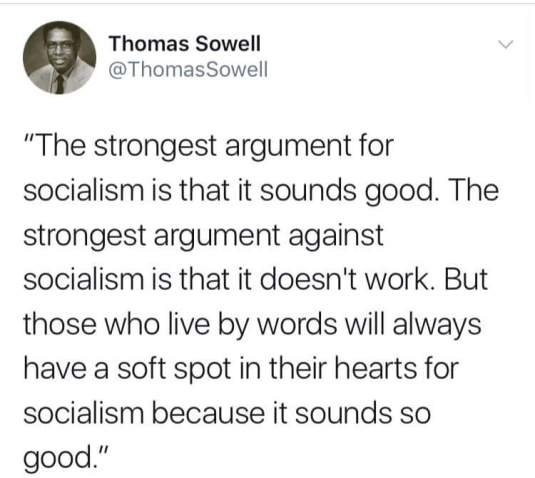
The legacies of colonisation by the British for Maori (aside from the abolition of slavery and no more musket wars)
10 Sep 2018 Leave a comment
in comparative institutional analysis, development economics, economics of crime, law and economics, politics - New Zealand, property rights Tags: age of empires, economics of colonialism
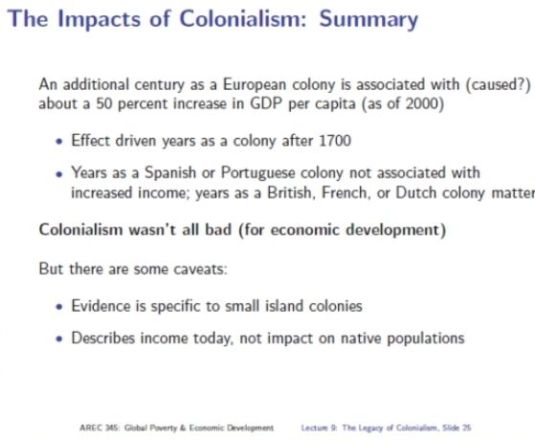
For more, see James Feyrer & Bruce Sacerdote, 2009. “Colonialism and Modern Income: Islands as Natural Experiments,” The Review of Economics and Statistics, MIT Press, vol. 91(2), pages 245-262, May.
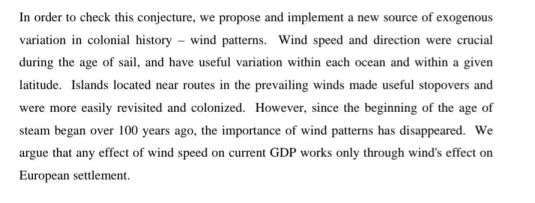
They argue that the nature of discovery and colonization of islands provides random variation in the length and type of colonial experience. They instrument for length of colonization using variation in prevailing wind patterns and direction.
They argue that wind speed and direction had a significant effect on historical colonial rule but do not have a direct effect on GDP today. The data also suggest that years as a colony after 1700 are more beneficial than earlier years.
They also find a discernable pecking order among the colonial powers, with years under U.S., British, French, and Dutch rule having more beneficial effects than Spanish or Portuguese rule.

Antonin Scalia – Text And Intent
09 Sep 2018 Leave a comment
in comparative institutional analysis, constitutional political economy, law and economics, politics - USA, Public Choice Tags: Antonin Scalia, constitutional law
The Case for the Norway Option
08 Sep 2018 Leave a comment
in applied price theory, applied welfare economics, comparative institutional analysis, international economics Tags: Brexit
Imran Khan is bad for Pakistan’s democracy | IN 60 SECONDS
07 Sep 2018 Leave a comment
in comparative institutional analysis, constitutional political economy, development economics, economic history, economics of bureaucracy, economics of crime, growth disasters, law and economics, poverty and inequality, Public Choice, rentseeking Tags: Pakistan, war against terror
Would Socialism Better Our Lives?
03 Sep 2018 Leave a comment
in applied price theory, Austrian economics, comparative institutional analysis, development economics, economic history, economics of bureaucracy, growth disasters, growth miracles, history of economic thought, industrial organisation, law and economics, Marxist economics, property rights, Public Choice, survivor principle Tags: fall of communism, kibbutzim
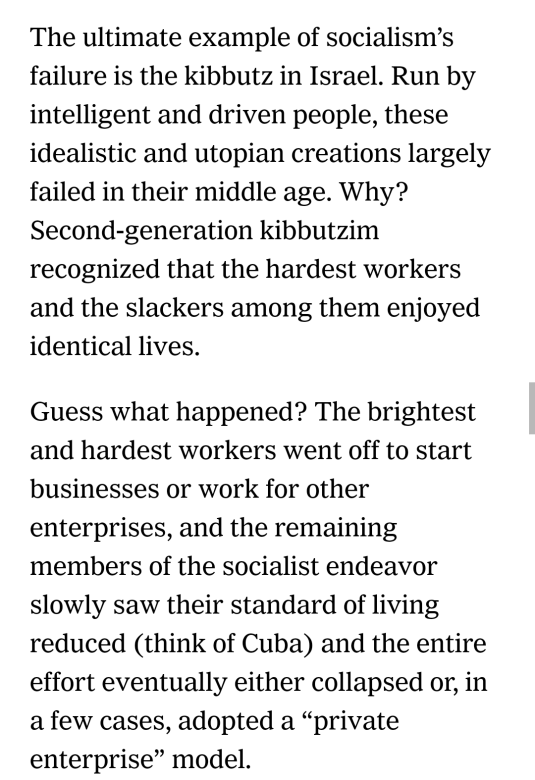
Would Socialism Better Our Lives? https://nyti.ms/2MFC2v8
Antonin Scalia – On American Exceptionalism
03 Sep 2018 Leave a comment
in comparative institutional analysis, constitutional political economy, politics - USA, Public Choice Tags: Antonin Scalia, constitutional law
Has real socialism ever been tried?
31 Aug 2018 Leave a comment
in comparative institutional analysis, constitutional political economy, economics of bureaucracy, industrial organisation, law and economics, Marxist economics, Public Choice, public economics Tags: fall of communism, regressive left
An Introduction to Externalities
30 Aug 2018 Leave a comment
in applied price theory, applied welfare economics, comparative institutional analysis, economics of information, economics of regulation
Who is the working economist is this @dompost report today?
28 Aug 2018 Leave a comment
in applied price theory, comparative institutional analysis, discrimination, economics of regulation, law and economics, politics - New Zealand, property rights, Public Choice, rentseeking Tags: offsetting behaviour, rent control



Recent Comments