
Bill Easterly on the great dangers of evidence-based policy and field trials
28 Sep 2014 Leave a comment


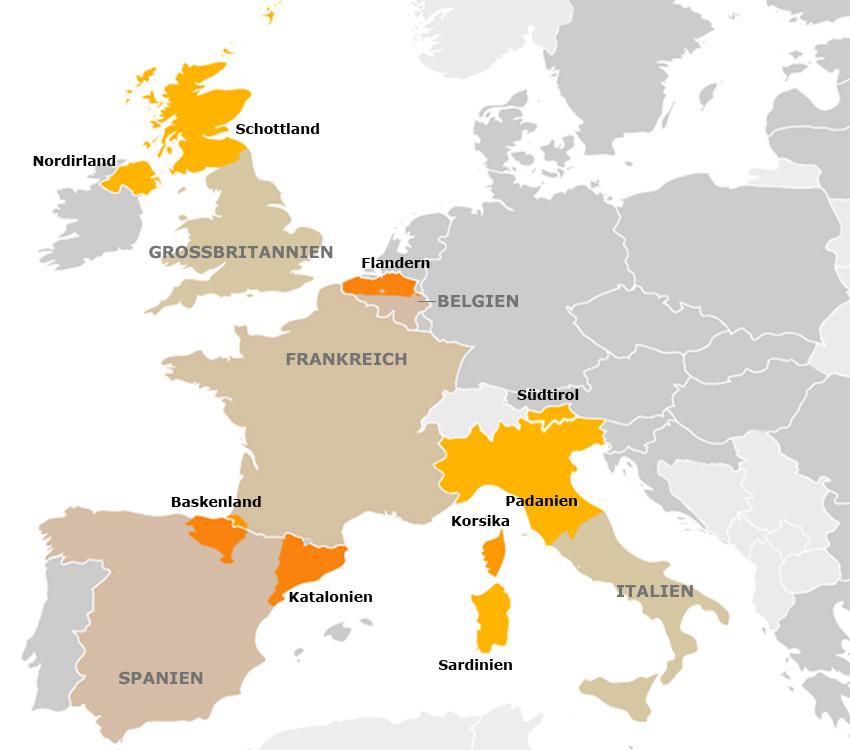
How many countries have a reason to make an example of a Scottish application to join the EU?
17 Sep 2014 Leave a comment
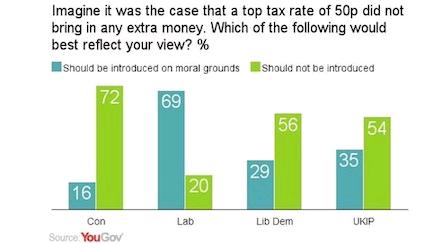
Churchill on capitalism
14 Sep 2014 Leave a comment
in applied welfare economics, constitutional political economy, market efficiency, Public Choice, public economics, technological progress Tags: capitalism, Winston Churchill


Managerial Econ: Make the rules or your rivals will: use anti-growth activists to erect entry barriers
08 Sep 2014 Leave a comment
in comparative institutional analysis, constitutional political economy, economics of regulation, environmental economics, Public Choice, rentseeking Tags: bootleggers and baptists, rent seeking
The courts have sanctioned the right to organize community opposition that urges government officials and agencies to deny land use permits to applicants, even when the underlying motive of the opposition is protecting market share and eliminating competition.
What’s more, the courts are protecting third-party funding sources, in many cases anonymous funding sources, which support the opposition efforts in order to block potential competition.
If Scotland votes yes
07 Sep 2014 4 Comments
in constitutional political economy, international economic law, International law, law and economics Tags: English nationalism, Scottish independence


Ideas: When Mao died, The Economist wrote
06 Sep 2014 Leave a comment
in comparative institutional analysis, constitutional political economy, growth disasters, liberalism, Public Choice Tags: China, communism, How China Became Capitalist, mao, useful idiots
In the final reckoning, Mao must be accepted as one of history’s great achievers: for devising a peasant-centered revolutionary strategy which enabled China’s Communist Party to seize power, against Marx’s prescriptions, from bases in the countryside; for directing the transformation of China from a feudal society, wracked by war and bled by corruption, into a unified, egalitarian state where nobody starves; and for reviving national pride and confidence so that China could, in Mao’s words, ‘stand up’ among the great powers.


via Ideas and http://www.scottmanning.com/content/visualizing-the-great-leap-forward/
Film review – Elysium
03 Sep 2014 Leave a comment
in constitutional political economy, development economics, economic growth, entrepreneurship, history of economic thought, law and economics, liberalism, P.T. Bauer, politics - USA, property rights, Public Choice, Rawls and Nozick, technological progress Tags: democracies, movies, rule of law, The Great Enrichment
Elysium was on TV. When I saw it on the big screen, no one told me it was a depiction of contemporary capitalism and the class war.

I read it as a contrast between third world countries lacking the rule of law and capitalist democracies.
The ships shooting up to the space station reminded me of Cubans trying to cross into the USA by boat to Florida.
Sorry, but I am just a simple country boy from the back blocks of Tasmania.


Recent Comments