I’ve chatted with a lot of Iranians online in the past few years (they’re in Iran). Some of their takes (always subject to the “plural of anecdote is not “data”)… 1. Islam is seen by younger people as the doctrine of a failed government staffed by a bunch of crooks. 2. And it’s a foreign, […]
Claims about Iran (from the comments)
Claims about Iran (from the comments)
27 Feb 2024 Leave a comment
in defence economics, development economics, economics of crime, economics of religion, growth disasters, law and economics Tags: Iran
Is El Salvador special?
10 Feb 2024 Leave a comment
in development economics, economic history, economics of crime, growth disasters, law and economics
But Bukele copycats and those who believe his model can be replicated far and wide overlook a key point: The conditions that allowed him to wipe out El Salvador’s gangs are unlikely to jointly appear elsewhere in Latin America. El Salvador’s gangs were unique, and far from the most formidable criminal organizations in the entire […]
Is El Salvador special?
Will Milei succeed in Argentina?
22 Jan 2024 Leave a comment
in applied price theory, budget deficits, comparative institutional analysis, development economics, economic growth, economic history, economics of bureaucracy, economics of regulation, fiscal policy, growth disasters, income redistribution, labour economics, liberalism, libertarianism, macroeconomics, Marxist economics, monetary economics, Public Choice, public economics, rentseeking Tags: Argentina
I give him a 30-40% chance, which is perhaps generous because I am rooting for him. Bryan Caplan, who is more optimistic, offers some analysis and estimates that Milei needs to close a fiscal gap of about five percent of gdp. I have two major worries. First, if Milei approaches fiscal success, the opposing parties […]
Will Milei succeed in Argentina?
A boom
22 Jan 2024 Leave a comment
in development economics, economic history, entrepreneurship, financial economics, growth disasters, growth miracles Tags: India
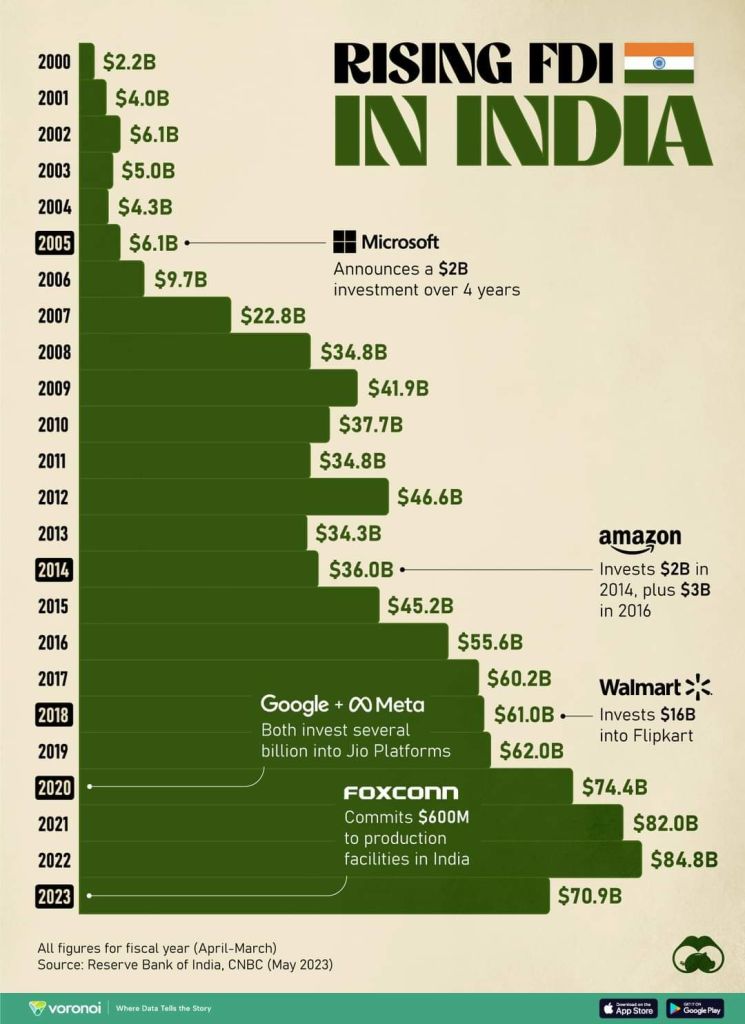
📸 Look at this post on Facebook
https://www.facebook.com/share/utqMWmwSv6CsNYNR/?mibextid=RXn8sy
Milei Speaks Truth to WEF Elite Power
19 Jan 2024 Leave a comment
in applied price theory, Austrian economics, comparative institutional analysis, constitutional political economy, development economics, economic growth, economic history, entrepreneurship, growth disasters, growth miracles, history of economic thought, labour economics, law and economics, macroeconomics, property rights Tags: Argentina

Argentina’s President Javier Milei had a warning for those attending the annual WEF meeting in Davos, Switzerland; ‘the Western world is in danger’ from ‘collectivist experiments’ such as Diversity, Equity and Inclusion (DEI), and has called on the world to reject socialism and instead embrace “free enterprise capitalism” to end global poverty. H/T zerohedge “Today, […]
Milei Speaks Truth to WEF Elite Power
The authorities officially referred to the Berlin Wall as the Anti-Fascist Protection Rampart
06 Jan 2024 Leave a comment
in applied price theory, Austrian economics, comparative institutional analysis, constitutional political economy, development economics, economic history, growth disasters, growth miracles, history of economic thought, liberalism, Marxist economics Tags: fall of the Berlin wall, The Great Enrichment

The Bottom Billion: Why the Poorest Countries are Failing and What Can Be Done About It by Paul Collier (2007)
05 Jan 2024 Leave a comment
in applied price theory, defence economics, development economics, economic history, growth disasters, history of economic thought, war and peace Tags: Africa
Catching up is about radically raising growth in the countries now at the bottom…This book sets out an [aid] agenda for the G8 that would be effective. (The Bottom Billion, pages 12 and 13) Sir Paul Collier, Commander of the British Empire (CBE) and Fellow of the British Academy (FBA) is a British development economist […]
The Bottom Billion: Why the Poorest Countries are Failing and What Can Be Done About It by Paul Collier (2007)
India Determined To Increase Coal Output
01 Jan 2024 Leave a comment
in development economics, energy economics, environmental economics, global warming, growth disasters, growth miracles Tags: India

By Paul Homewood h/t Dennis Ambler This is in the latest edition of World Coal While growth in coal production slows gradually across the globe, India is setting itself apart from other countries, with its ambitions to aggressively increase its output.
India Determined To Increase Coal Output
The Worst Journalism of 2023
29 Dec 2023 Leave a comment
in budget deficits, business cycles, development economics, economic history, fiscal policy, growth disasters, macroeconomics, monetarism, monetary economics Tags: Argentina
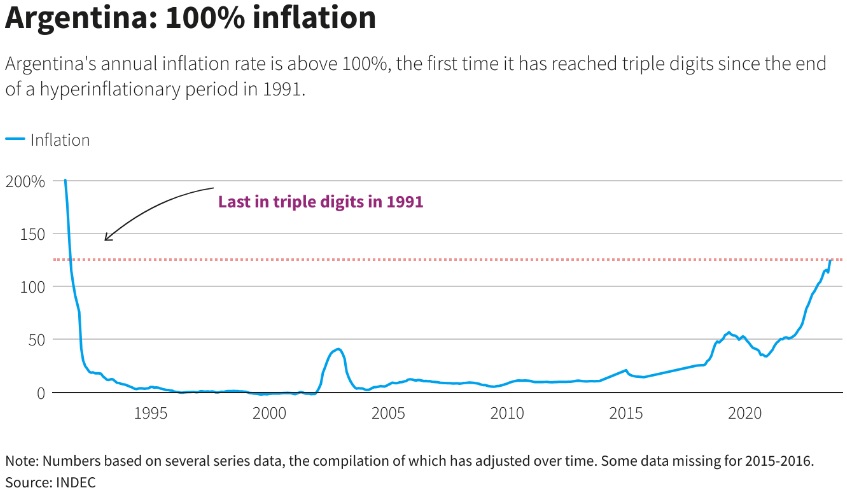
Writing about the economic tragedy of Argentina, I’ve explained that one major problem is inflation, thanks to that country’s version of “modern monetary theory.” This is not a trivial problem. Here’s a chart, from a recent report by Reuters, showing how prices have been rising for nearly 10 years and skyrocketing for the past three […]
The Worst Journalism of 2023
190308 [Webinar] Consistent Economic Policy and Economic Development
29 Dec 2023 Leave a comment
in applied price theory, budget deficits, business cycles, defence economics, economic growth, economic history, economics of information, Euro crisis, fiscal policy, fisheries economics, global financial crisis (GFC), great recession, growth disasters, growth miracles, history of economic thought, human capital, inflation targeting, labour economics, labour supply, macroeconomics, monetary economics, Public Choice, public economics, unemployment
Beijing Breaks Seven Decade Cold Weather Record
28 Dec 2023 Leave a comment
in development economics, energy economics, environmental economics, global warming, growth disasters, growth miracles Tags: China
I wonder how their solar panels and frost sensitive EVs are working out for them?
Beijing Breaks Seven Decade Cold Weather Record
Interview with Angus Deaton: Critiques of Cosmopolitan Prioritarianism and Randomized Control Trials
25 Dec 2023 Leave a comment
in applied price theory, development economics, econometerics, experimental economics, growth disasters, growth miracles, history of economic thought
David A. Price of the Richmond Fed carries out an interview titled “Angus Deaton: On deaths of despair, randomized controlled trials, and winning the Nobel Prize” (Econ Focus: Federal Reserve Bank of Richmond, Fourth Quarter 2023, pp. 18-22). Here are a few of Deaton’s comments that caught my eye: On his shift from “cosmopolitan prioritarianism” to…
Interview with Angus Deaton: Critiques of Cosmopolitan Prioritarianism and Randomized Control Trials
Argentina Milei reform impressions
23 Dec 2023 Leave a comment
in applied price theory, budget deficits, business cycles, comparative institutional analysis, constitutional political economy, development economics, economic growth, economics of bureaucracy, economics of regulation, fiscal policy, growth disasters, history of economic thought, income redistribution, international economics, labour economics, law and economics, liberalism, libertarianism, macroeconomics, Marxist economics, monetary economics, property rights, Public Choice, public economics, rentseeking, unemployment Tags: Argentina
I didn’t have much time in Argentina, but I can pass along a few impressions about how Milei is doing, noting I hold these with “weak belief”: 1. He is pretty popular with the general population. He is also popular in B.A. in particular. People are fed up with what they have been experiencing. It […]
Argentina Milei reform impressions
FMI Public Speaker Series – Finn Kydland
23 Dec 2023 Leave a comment
in applied price theory, budget deficits, business cycles, comparative institutional analysis, development economics, economic growth, economic history, economics of bureaucracy, fiscal policy, global financial crisis (GFC), great depression, great recession, growth disasters, growth miracles, history of economic thought, human capital, income redistribution, labour economics, labour supply, macroeconomics, Public Choice, public economics, rentseeking
Finn E. Kydland Nobel Lecture at CERGE-EI
22 Dec 2023 Leave a comment
in applied price theory, budget deficits, business cycles, comparative institutional analysis, development economics, economic growth, economic history, economics of regulation, fiscal policy, global financial crisis (GFC), great depression, great recession, growth disasters, growth miracles, history of economic thought, human capital, income redistribution, labour economics, labour supply, macroeconomics, monetary economics, Public Choice, public economics


Recent Comments