The world’s poor deserve better than another utopia designed for them by the globalist intelligentsia. They deserve cheap energy, open markets, secure property rights, and the freedom to industrialise on terms they choose for themselves. That is what worked in East Asia. It is what will work in South Asia, Africa and Latin America. And…
Piketty’s Eco-Marxist Utopia: Why Degrowth and Global Redistribution Will Trap the Poor in Poverty
Piketty’s Eco-Marxist Utopia: Why Degrowth and Global Redistribution Will Trap the Poor in Poverty
13 Jun 2026 Leave a comment
in applied price theory, development economics, econometerics, economic growth, economic history, economics of climate change, economics of regulation, energy economics, environmental economics, environmentalism, fiscal policy, global warming, human capital, income redistribution, industrial organisation, international economics, labour economics, labour supply, macroeconomics, Public Choice, public economics Tags: climate activists, climate alarmism, regressive left
Blair Destroys Net Zero Policy
07 Jun 2026 1 Comment
in development economics, economics of climate change, economics of regulation, energy economics, environmental economics, environmentalism, global warming, growth miracles Tags: British politics, China, climate activists

By Paul Homewood Well worth a watch, as Tony Blair destroys Mad Miliband’s obsession with Net Zero: https://x.com/NetZeroWatch/status/2059927624537743869
Blair Destroys Net Zero Policy
My Opening Statement for the UATX Caplan-Jones Immigration Rematch
04 Jun 2026 Leave a comment
in applied price theory, development economics, growth disasters, labour economics, labour supply, liberalism, libertarianism, politics - USA Tags: economics of immigration

Garett Jones is the best critic of immigration in all of social science. In fact, it’s not even close. To the best of my knowledge, he is the only such critic who has seriously tried to show that the social costs of immigration are even more astronomical than the social benefits of immigration. In fact,…
My Opening Statement for the UATX Caplan-Jones Immigration Rematch
Absurdity Alert: Writing About Germany’s Economic Decline Without Mentioning Green Energy Policies
02 Jun 2026 Leave a comment
in applied price theory, development economics, economic growth, economic history, economics of climate change, energy economics, environmental economics, environmentalism, global warming, income redistribution, industrial organisation, labour economics, macroeconomics, Public Choice, rentseeking Tags: Argentina, Germany

I was astounded in 2020 when I read an article in the New York Times about the economic catastrophe in Venezuela and there was not a single mention of socialism. And I was even more astounded in 2024 when the NYT published another article about Venezuela’s economic misery and once again didn’t mention socialism. Today’s […]
Absurdity Alert: Writing About Germany’s Economic Decline Without Mentioning Green Energy Policies
Europe’s War on Wealth
29 May 2026 Leave a comment
in applied price theory, economic growth, economic history, fiscal policy, income redistribution, industrial organisation, labour economics, labour supply, macroeconomics, occupational choice, P.T. Bauer, poverty and inequality, Public Choice, public economics Tags: European Union

Given the relative economic weakness that plagues most European nations (documented here, here, here, here, and here), a top priority for policy makers should be to improve incentives for wealth creation. But that assumes politicians care about the prosperity of citizens. Based on a new report from the European Commission, the answer is no. Instead of […]
Europe’s War on Wealth
The Case Against Socialism, Part V
24 May 2026 Leave a comment
in applied price theory, comparative institutional analysis, constitutional political economy, development economics, economic growth, economic history, growth disasters, growth miracles, macroeconomics, Marxist economics Tags: North Korea, South Korea

As far as I know, Matt Mitchell and I are not related, but we both have a low opinion of socialism. He covers a lot of ground (defining socialism, the role of prices, socialism’s death toll, and the myth of Nordic socialism) in this 15-minute interview. Matt does such a good job that I didn’t […]
The Case Against Socialism, Part V
The Sting in the India Trade Deal
16 May 2026 Leave a comment
in comparative institutional analysis, constitutional political economy, development economics, economic history, economics of regulation, international economic law, international economics, International law, law and economics, politics - New Zealand, property rights Tags: India, preferential trading agreements
A Constitutional Trojan Horse: advancing change through political stealth Trade Minister Hon Todd McClay has announced that the New Zealand-India free trade agreement has been signed and that the formal parliamentary treaty scrutiny process is now under way. The full text of the agreement is now public and has been referred to Parliament’s Foreign Affairs, Defence and Trade Committee […]
The Sting in the India Trade Deal
A Friendly Appeal to the Unconvinced
14 May 2026 Leave a comment
in applied price theory, comparative institutional analysis, constitutional political economy, development economics, economic history, liberalism Tags: The Great Enrichment
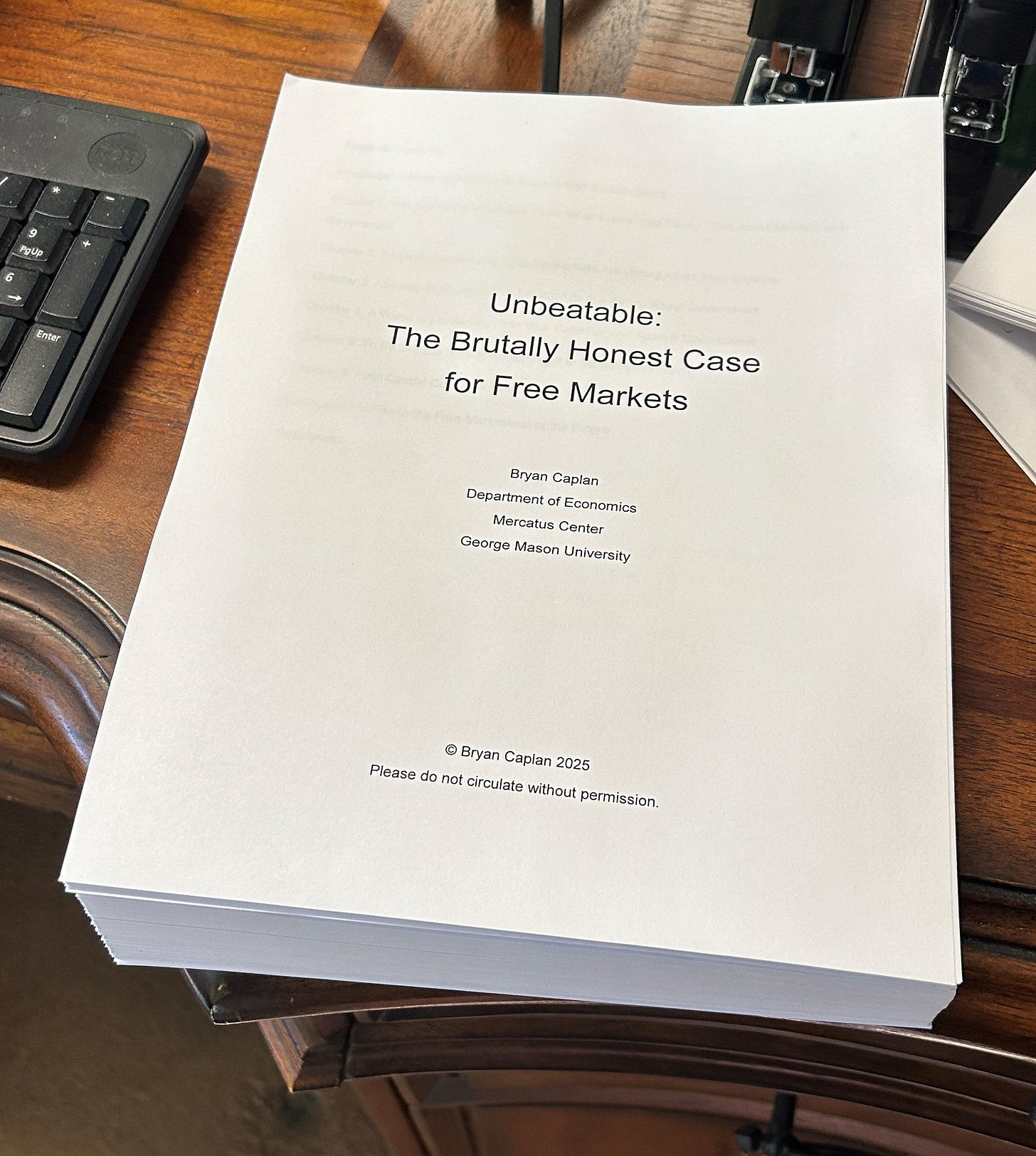
An excerpt from the conclusion of *Unbeatable*
A Friendly Appeal to the Unconvinced
The Great Enrichment
12 May 2026 Leave a comment
in development economics, economic history, growth disasters, growth miracles Tags: The Great Enrichment
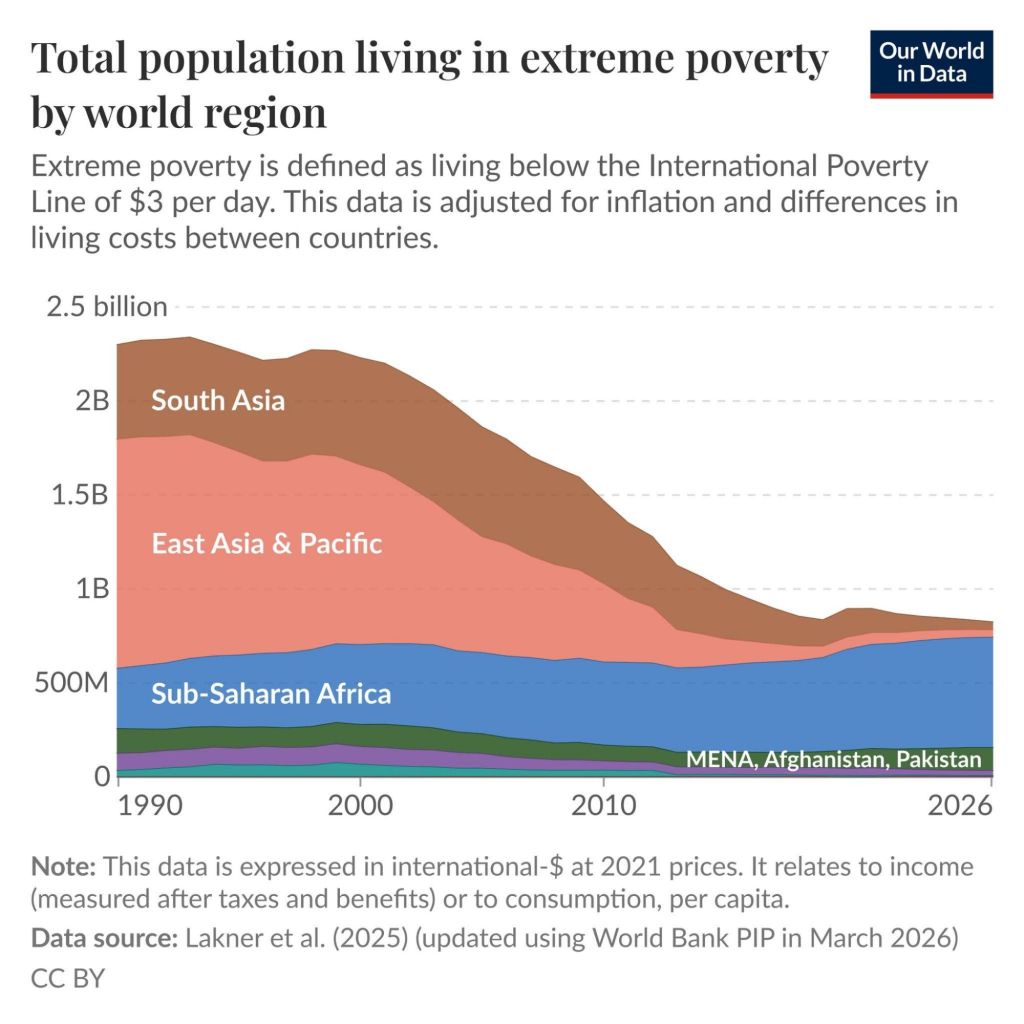
Do Market Reforms Cause Growth?
08 May 2026 Leave a comment
in applied price theory, development economics, econometerics, economic growth, economic history, history of economic thought, labour economics, macroeconomics, unemployment
Do market-oriented reforms cause economic growth? This paper revisits this question using a cross-country panel of reform episodes identified from various changes in well-known economic freedom and structural reform indices. We exploit the timing of reforms using distributed-lag and event-study frameworks that trace the dynamic response of per-capita GDP. We find little evidence of immediate…
Do Market Reforms Cause Growth?
China Shock 2.0 vs. China Shock 1.0
04 May 2026 Leave a comment
in applied price theory, development economics, econometerics, economic history, growth miracles, history of economic thought, industrial organisation, international economics, survivor principle Tags: China, free trade
TweetThis post by Oxford economist J. Zachary Mazlish is very good; I encourage you to read it. (HT David Levey) Nevertheless, there are two points that I think to be worth making in response to Mazlish’s post. I will here make one of these points. I’ll make the other of these points in a follow-up…
China Shock 2.0 vs. China Shock 1.0
How Reform Happens
30 Apr 2026 Leave a comment
in applied price theory, comparative institutional analysis, constitutional political economy, development economics, econometerics, economic history, economics of bureaucracy, growth disasters, growth miracles, history of economic thought, Public Choice
What determines whether and how regulations are reformed? We use a newly constructed data set of 3,590 successful and failed regulatory reforms in 189 countries, between 2005 and 2022, to address this question. We document that regulations have become more business friendly in some regulatory domains but not others. We also show that regulations are…
How Reform Happens
Cargo Cult Climate Economics
26 Apr 2026 Leave a comment
in applied price theory, development economics, econometerics, economic history, economics of climate change, energy economics, environmental economics, environmentalism, global warming Tags: climate alarmism

Part 2 of 2 on a damning new paper that takes on the top-down climate-economics literature — “The empirically inscrutable climate-economy relationship”
Cargo Cult Climate Economics
Cape Town estimate of the day
24 Apr 2026 Leave a comment
in applied price theory, development economics, growth disasters, Public Choice, urban economics Tags: South Africa
From young professionals to the working poor, many Cape Town residents complain that out-of-control housing prices have forced them to live far from the jobs, affluent schools and healthy supermarkets available in the city center. They blame deep-pocketed tourists for occupying housing in prime locations and developers for pricing them out. Some 70 percent of…
Cape Town estimate of the day
The Paper That Breaks Climate Economics
22 Apr 2026 Leave a comment
in applied price theory, applied welfare economics, development economics, econometerics, economic history, economics of climate change, economics of natural disasters, energy economics, environmental economics, environmentalism, global warming, growth miracles

Part 1 of 2 on a damning new paper that takes on the top-down climate-economics literature — “The empirically inscrutable climate-economy relationship”
The Paper That Breaks Climate Economics


Recent Comments