Reason: In a sweeping move to overhaul Argentina’s food trade policies, Javier Milei’s administration officially deregulated food imports and exports on Monday. The reform, outlined in Decree 35/2025, seeks to boost foreign trade, cut bureaucratic red tape, and lower consumer prices. Federico Sturzenegger, head of the Ministry of Deregulation and State Transformation, explained in a post on […]
Milei Implements Peer Approval for Food
Milei Implements Peer Approval for Food
24 Jan 2025 Leave a comment
in applied price theory, development economics, economics of regulation, health economics, politics - Australia, politics - New Zealand, politics - USA Tags: drug lags, food safety
Quotation of the Day…
19 Jan 2025 1 Comment
in Adam Smith, applied price theory, comparative institutional analysis, development economics, economic history, economics of love and marriage, economics of regulation, entrepreneurship, history of economic thought, industrial organisation, labour economics, labour supply, law and economics, poverty and inequality, property rights, unemployment
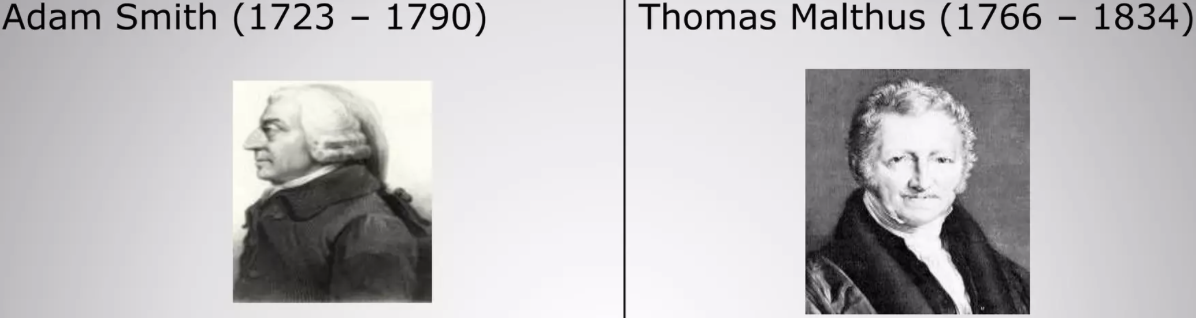
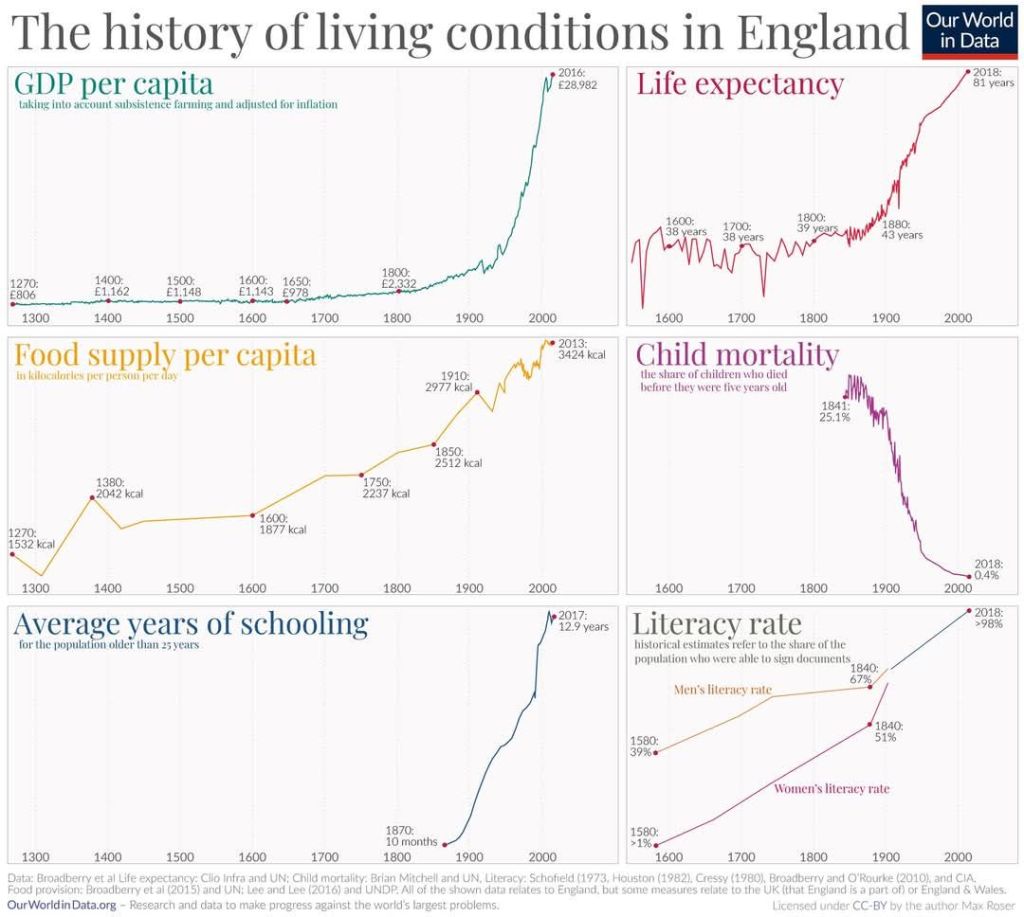
Tweet… is from page 53 of the late, great Harold Demsetz’s excellent 2008 book, From Economic Man to Economic System: Adam Smith and Thomas Malthus differed in their forecasts of mankind’s future. Smith (1776), in his Wealth of Nations, offered an optimistic view, basing this on his understanding of the new economic system that began…
Quotation of the Day…
Some Links
12 Jan 2025 Leave a comment
in applied price theory, budget deficits, development economics, economic growth, economic history, economics of regulation, entrepreneurship, fiscal policy, global financial crisis (GFC), great recession, growth disasters, growth miracles, human capital, income redistribution, industrial organisation, international economics, job search and matching, labour economics, labour supply, macroeconomics, monetary economics, poverty and inequality, Public Choice, rentseeking, survivor principle, unemployment
TweetGMU Econ alum Holly Jean Soto busts the myth of “greedflation.” Scott Lincicome identifies an interesting contrast between the facts and opinion about China. George Will decries the spinelessness of the modern U.S. Congress. A slice: The incoming president will be able, on a whim, to unilaterally discombobulate international commerce — and the domestic economy…
Some Links
Left-Wing Economists Were Wildly Wrong about Javier Milei and his Libertarian Agenda for Argentina
10 Jan 2025 Leave a comment
in applied price theory, Austrian economics, budget deficits, business cycles, comparative institutional analysis, constitutional political economy, development economics, economic growth, economics of regulation, financial economics, fiscal policy, growth disasters, growth miracles, history of economic thought, income redistribution, international economics, labour economics, law and economics, liberalism, libertarianism, macroeconomics, Marxist economics, monetarism, monetary economics, political change, politics - USA, property rights, Public Choice, public economics, rentseeking, unemployment Tags: Argentina
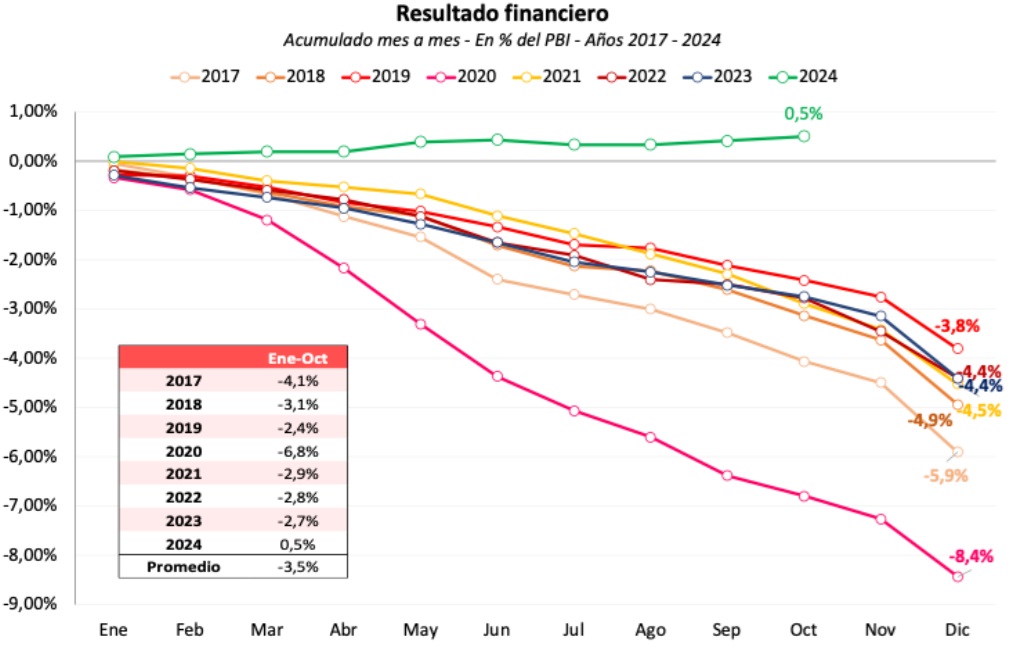
It’s easy to mock economists. Consider the supposedly prestigious left-leaning academics who asserted in 2021 that Biden’s agenda was not inflationary. At the risk of understatement, they wound up with egg on their faces.* Today, we’re going to look at another example of leftist economists making fools of themselves. It involves Argentina, where President Javier […]
Left-Wing Economists Were Wildly Wrong about Javier Milei and his Libertarian Agenda for Argentina
JOHN MENDZELA: Submission on the Treaty Principles Bill
07 Jan 2025 1 Comment
in comparative institutional analysis, constitutional political economy, development economics, discrimination, economic history, income redistribution, law and economics, liberalism, Marxist economics, politics - New Zealand, Public Choice, rentseeking Tags: constitutional law, racial discrimination

4 January, 2025 Justice Committee Parliament of New Zealand Dear Committee Members, I wish to make a submission on the Principles of the Treaty of Waitangi Bill that you will be considering in the near future. As the map below demonstrates, I have independently consulted on governance and management in dozens of diverse nations. Many…
JOHN MENDZELA: Submission on the Treaty Principles Bill
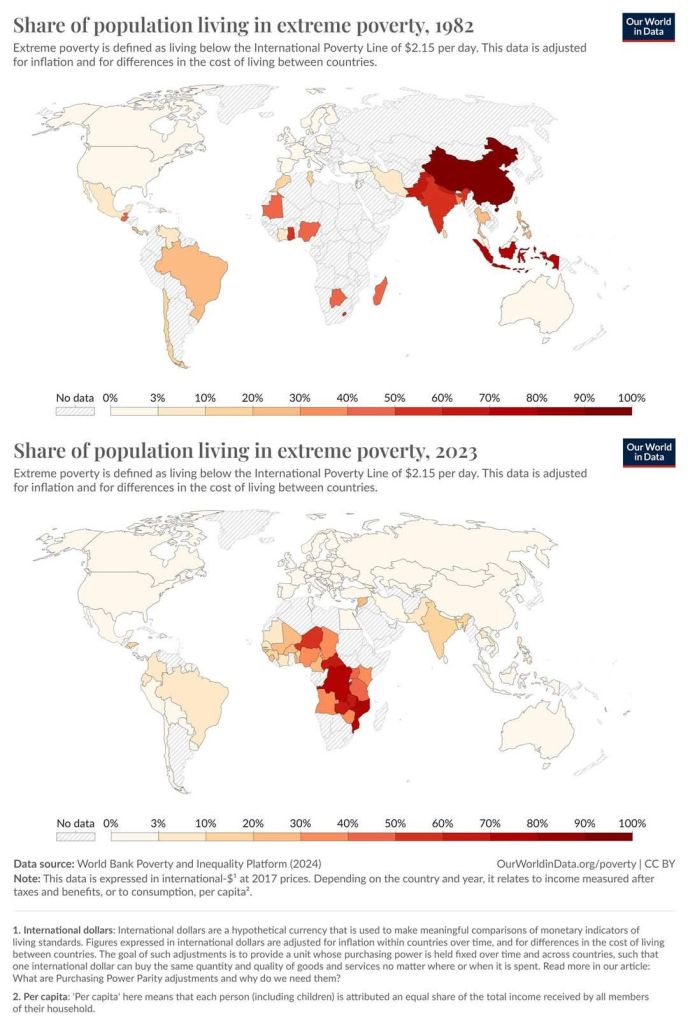
The Great Enrichment
01 Jan 2025 Leave a comment
in development economics, economic history, growth disasters, growth miracles Tags: The Great Enrichment
Argentina facts of the day
29 Dec 2024 Leave a comment
in budget deficits, comparative institutional analysis, development economics, economic growth, economics of bureaucracy, economics of regulation, F.A. Hayek, financial economics, fiscal policy, growth disasters, income redistribution, international economics, labour economics, law and economics, liberalism, libertarianism, macroeconomics, Milton Friedman, monetarism, monetary economics, property rights, Public Choice, rentseeking, unemployment Tags: Argentina
Argentina’s bonds have already rallied dramatically. One gauge of the nation’s hard-currency debt, the ICE BofA US Dollar Argentina Sovereign Index, has generated a total return of about 90% this year. Meanwhile, the S&P Merval Index has risen more than 160% this year through Monday, far outpacing stock benchmarks in developed, emerging and frontier markets […]
Argentina facts of the day
Manmohan Singh, RIP
28 Dec 2024 Leave a comment
in development economics, growth disasters, growth miracles, history of economic thought Tags: India
I am sad to hear about the passing of Manmohan Singh at age 92. Singh was perhaps the most influential Indian policymaker in the last five decades. An Oxbridge educated trade economist, he became India’s most important technocrat in the 1980s and 1990s – occupying every top position in economic policy – finance secretary; deputy […]
Manmohan Singh, RIP
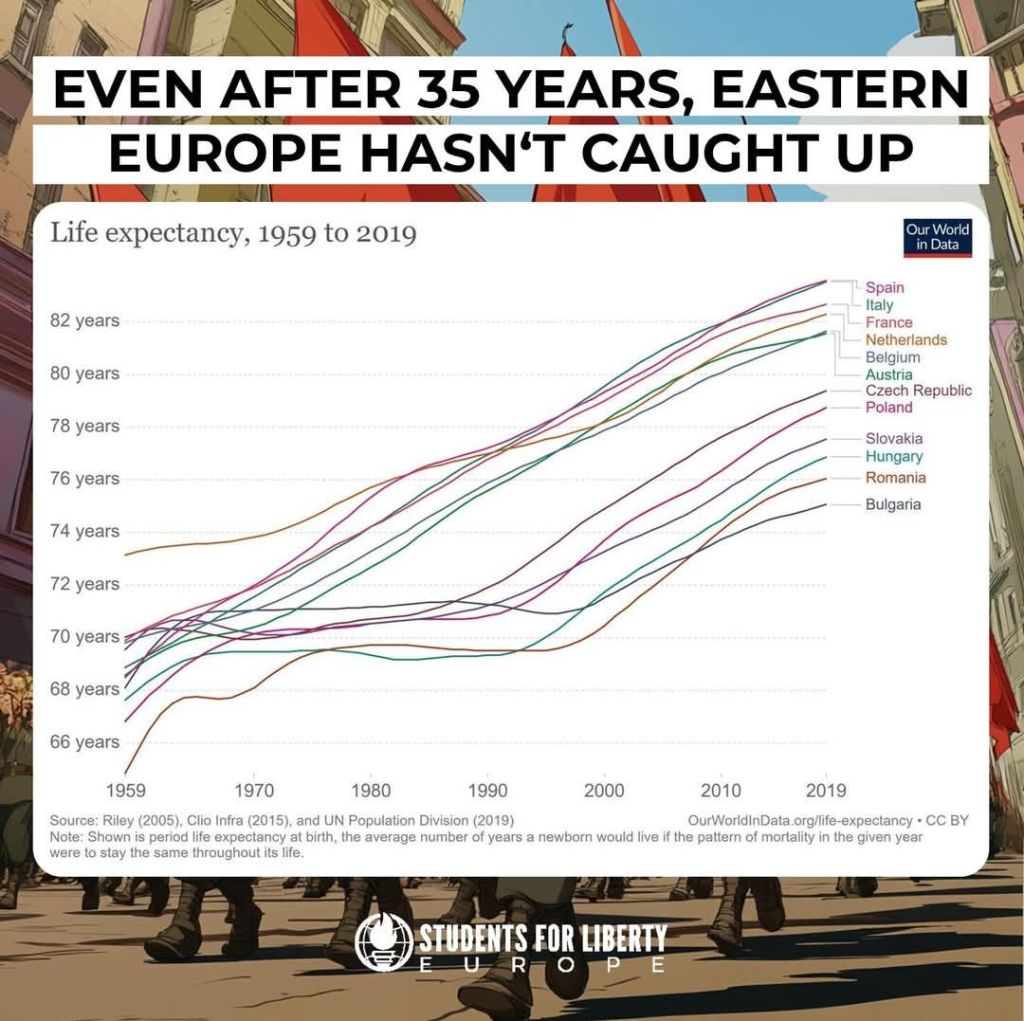
The curse of socialism
27 Dec 2024 Leave a comment
in development economics, economic history, economics of bureaucracy, economics of crime, growth disasters, health economics, history of economic thought, law and economics, liberalism, Marxist economics, property rights, Public Choice Tags: economics of socialism, The Great Escape
The Great Enrichment
27 Dec 2024 Leave a comment
in development economics, economic history, growth miracles
Coal Use Hits Record High in 2024 Thanks to India and China
23 Dec 2024 Leave a comment
in development economics, economics of climate change, energy economics, environmental economics, environmentalism, global warming, growth miracles Tags: China
The only takeaways from the coal use data are that countries with sensible leaders are looking to the energy needs of their citizens and that climate is too complex an issue to attribute to a gas that is 0.04% of Earth’s atmosphere.
Coal Use Hits Record High in 2024 Thanks to India and China
New Study: Achieving A ‘Net Zero’ Emissions Policy Would Have A ‘Negligible’ 0.28°C Climate Effect
14 Dec 2024 1 Comment
in applied price theory, applied welfare economics, development economics, economics of climate change, energy economics, environmental economics, environmentalism, global warming, growth miracles, politics - Australia, politics - New Zealand, politics - USA

Cost-benefit analyses affirm it would be better to abandon Net Zero policy initiatives and instead “do nothing” about greenhouse gas emissions. New research finds CO2’s largest possible climate impact is “negligible.” The cumulative expected temperature change in doubling CO2 from 400 to 800 ppm is only 0.81°C at most, and this is “certainly not cause…
New Study: Achieving A ‘Net Zero’ Emissions Policy Would Have A ‘Negligible’ 0.28°C Climate Effect
The Nobel Prize lectures in economics
12 Dec 2024 Leave a comment
in applied price theory, comparative institutional analysis, constitutional political economy, development economics, economics of crime, economics of regulation, growth disasters, growth miracles, history of economic thought, law and economics, property rights, Public Choice
Mexican Cartels Lure Chemistry Students to Make Fentanyl
10 Dec 2024 Leave a comment
in development economics, economics of crime, growth disasters, human capital, industrial organisation, labour economics, labour supply, law and economics, occupational choice Tags: Mexico
Criminals turn college campuses into recruitment hubs, recruiting chemistry students in Mexico with big paydays.By Natalie Kitroeff and Paulina Villegas of The NY Times. Excerpts:”In their quest to build fentanyl empires, Mexican criminal groups are turning to an unusual talent pool: not hit men or corrupt police officers, but chemistry students studying at Mexican universities.People…
Mexican Cartels Lure Chemistry Students to Make Fentanyl
The Timeline of Crimes Committed by Bashar al-Assad
09 Dec 2024 Leave a comment
in defence economics, development economics, economic history, economics of crime, growth disasters, International law, law and economics, laws of war, war and peace Tags: Middle-East politics, Syria, war against terror

Bashar al-Assad has been the President of Syria since 2000, inheriting power from his father, Hafez al-Assad. His presidency has been marked by widespread human rights abuses, war crimes, and violations of international law, particularly during the Syrian Civil War that began in 2011. As the leader of the Syrian government, Assad’s policies and military […]
The Timeline of Crimes Committed by Bashar al-Assad
 Utopia, you are standing in it!
Recent Comments