10 Dec 2019
by Jim Rose
in comparative institutional analysis, constitutional political economy, defence economics, development economics, economic history, economics of bureaucracy, economics of crime, economics of regulation, growth disasters, growth miracles, income redistribution, law and economics, property rights, Public Choice, rentseeking
Tags: The Great Enrichment
08 Dec 2019
by Jim Rose
in applied price theory, applied welfare economics, econometerics, economic history, economics of education, human capital, labour economics, labour supply, minimum wage, occupational choice, poverty and inequality
Tags: The fatal conceit
08 Dec 2019
by Jim Rose
in applied price theory, applied welfare economics, development economics, economic history, economics of education, economics of regulation, growth disasters, growth miracles, human capital, income redistribution, labour economics, labour supply, occupational choice, politics - USA, poverty and inequality, Public Choice, public economics, rentseeking, unemployment, welfare reform
Tags: child poverty, family poverty, social insurance, welfare state
05 Dec 2019
by Jim Rose
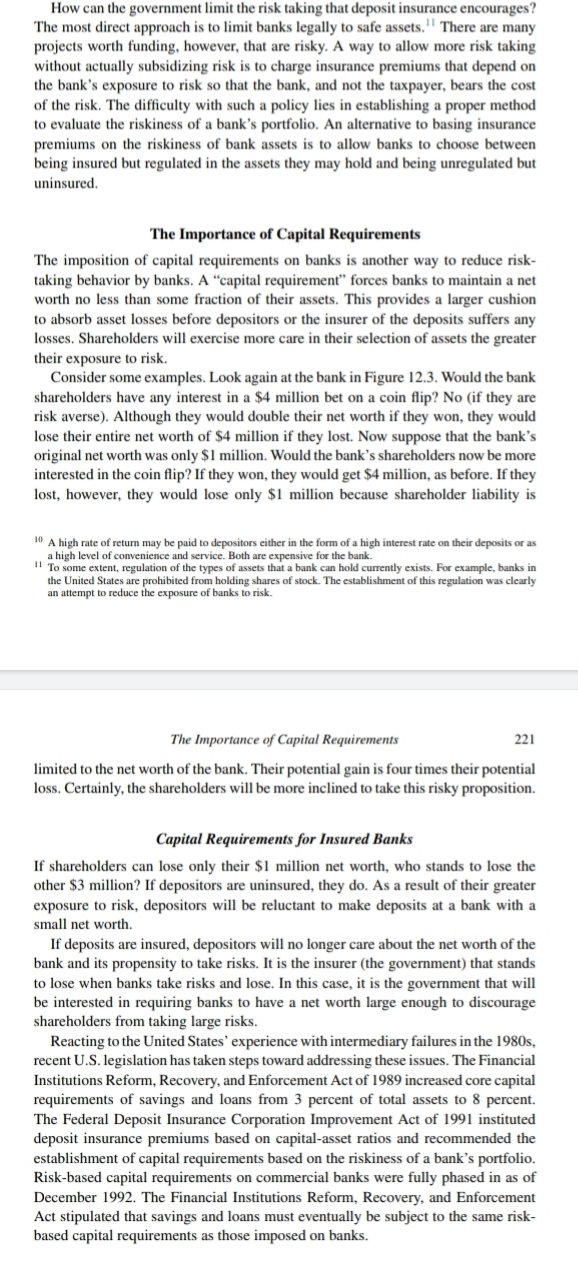
in applied price theory, applied welfare economics, business cycles, economic history, economics of information, economics of regulation, financial economics, global financial crisis (GFC), great depression, great recession, industrial organisation, macroeconomics, monetary economics, politics - New Zealand, Public Choice, survivor principle
Tags: adverse selection, agent principal problem, deposit insurance, economics of central banking, monetary policy, moral hazard, prudential regulation
05 Dec 2019
by Jim Rose
in economic history, economics of information, entrepreneurship, fisheries economics, human capital, income redistribution, industrial organisation, labour economics, labour supply, managerial economics, Marxist economics, occupational choice, organisational economics, personnel economics, politics - USA, poverty and inequality, property rights, Public Choice, public economics, survivor principle
Tags: creative destruction, entrepreneurial alertness, superstar wages, superstars, top 1%
Previous Older Entries Next Newer Entries





Recent Comments