For centuries, atheists, Christians, and Jews have regarded one another as intellectual and cultural adversaries. Their disagreements are real and often profound. They disagree about the existence of God, the authority of scripture, the nature of morality, the meaning of history, and the destiny of humanity. These disputes have generated entire libraries of argument and […]
In support of a pragmatic alliance
In support of a pragmatic alliance
13 Feb 2026 Leave a comment
in constitutional political economy, economic history, economics of crime, economics of religion, law and economics, liberalism, Marxist economics, property rights Tags: free speech, political correctness, regressive left
Asian Americans: Two Alternate Histories
10 Feb 2026 Leave a comment
in economic history, human capital, labour economics, labour supply Tags: China, Japan, economics of immigration, The Philippines
In editing two papers on Asian American immigration for the Winter 2026 issue of the Journal of Economic Perspectives (where I work as Managing Editor), I found myself musing over two alternative histories: one about more such immigration, one about less. Hannah Postel describes “Asian Immigration to the United States in Historical Perspective” (Journal of Economic…
Asian Americans: Two Alternate Histories
The Rise and Fall (and Rise) of Sweden, Part III
10 Feb 2026 Leave a comment
in applied price theory, comparative institutional analysis, constitutional political economy, economic growth, economic history, economics of regulation, fiscal policy, income redistribution, industrial organisation, labour economics, labour supply, macroeconomics, Public Choice, public economics Tags: Sweden

Based on a video from the Center for Freedom and Prosperity back in 2010, as well a video from Johan Norberg I shared in 2016, there’s a lot to learn by looking at Swedish economic history. Here’s a more recent video that also looks at that nation’s economic track record. You’ll notice a similar message […]
The Rise and Fall (and Rise) of Sweden, Part III
New Zealand Emancipation Day
06 Feb 2026 Leave a comment
in economic history, economics of crime, law and economics, politics - New Zealand Tags: age of empires, Age of Enlightenment, constitutional law, economics of slavery, regressive left
Today we celebrate the signing of the Treaty of Waitangi – a day which should be called Emancipation Day. For on the 6th of February 1840, slavery became illegal in New Zealand. The granting of British citizenship to Maori freed the slaves in law (the practice took a while longer to end) Slavery was not…
New Zealand Emancipation Day
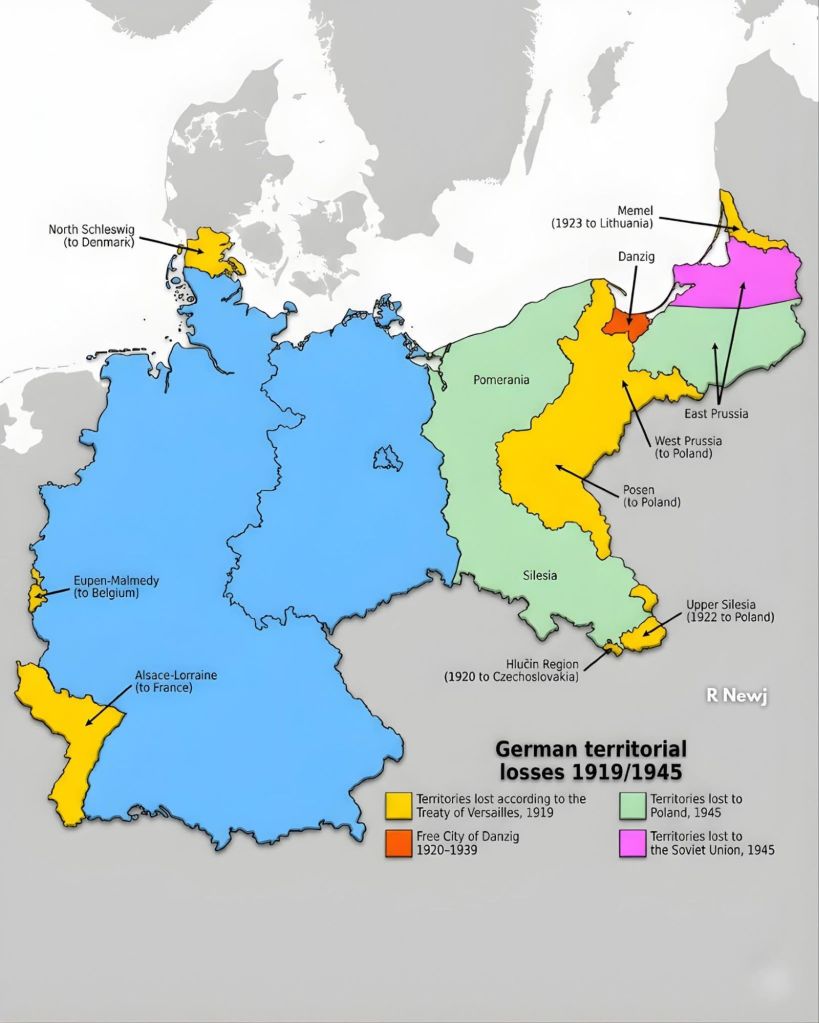
More maps
05 Feb 2026 Leave a comment
in defence economics, economic history, International law, war and peace Tags: Germany, World War I, World War II
STEVE MILLOY: 20 Years After ‘An Inconvenient Truth’
05 Feb 2026 Leave a comment
in economic history, economics of climate change, economics of natural disasters, economics of regulation, energy economics, environmental economics, environmentalism, global warming, movies, politics - USA Tags: climate activists, climate alarmism
Jan. 24 marked the 20th anniversary of the release of Al Gore’s alarmist global warming movie “An Inconvenient Truth.” Gore has surfed the movie and climate alarmism to a net worth estimated at $300 million and a Nobel Peace Prize.
STEVE MILLOY: 20 Years After ‘An Inconvenient Truth’
Debunking Trump’s Error-Filled WSJ Column
04 Feb 2026 Leave a comment
in applied price theory, budget deficits, economic growth, economic history, fisheries economics, history of economic thought, income redistribution, industrial organisation, international economic law, international economics, macroeconomics, politics - USA, Public Choice, rentseeking Tags: free trade, tarrifs
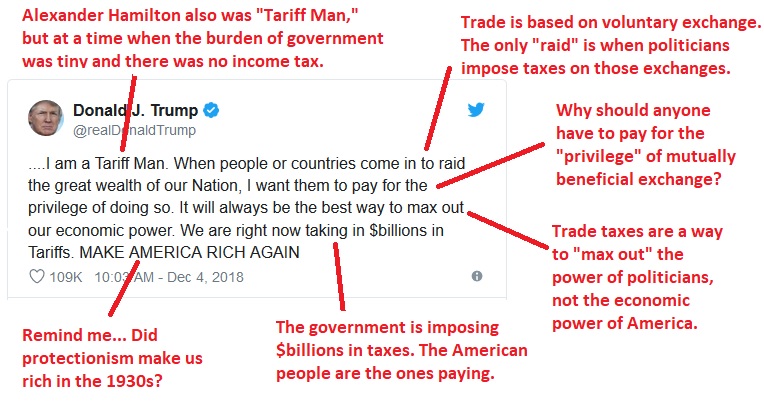
Donald Trump, who describes himself as “Tariff Man,” recently wrote a column in defense of his protectionist trade policy for the Wall Street Journal. After reading the column, my first thought was that Trump was trying to show he is more economically illiterate than Joe Biden (a big challenge, as seen here and here). And […]
Debunking Trump’s Error-Filled WSJ Column
Colonialism, Slavery, and Foreign Aid (with William Easterly) 12/8/25
01 Feb 2026 1 Comment
in applied price theory, comparative institutional analysis, constitutional political economy, development economics, economic history, growth disasters, growth miracles, history of economic thought, labour economics, labour supply, law and economics, property rights Tags: age of empires, economics of colonialism, economics of slavery
The initial underappreciation of great inventions
31 Jan 2026 Leave a comment
in economic history, industrial organisation Tags: creative destruction, The Great Enrichment
When a truly great new invention appears, people rarely greet it with the reverence that hindsight later bestows. Instead, they squint at it through the lens of the familiar. They ask: What is this like? And because it is not like anything they already know, they underestimate it. History is littered with inventions that, at […]
The initial underappreciation of great inventions
Exciting New Research on the Laffer Curve
30 Jan 2026 Leave a comment
in applied price theory, econometerics, economic growth, economic history, fiscal policy, history of economic thought, labour economics, labour supply, macroeconomics Tags: taxation and investment, taxation and labour supply

Unless you’re a policy wonk, I realize “exciting” may not be the right word to describe new developments in public-finance economics. For nerds, however, three economists at the Joint Committee on Taxation have some important new research on the Laffer Curve. The study, authored by Rachel Moore, Brandon Pecoraro, and David Splinter, concludes that the […]
Exciting New Research on the Laffer Curve
Violent Saviors: The West’s Conquest of the Rest
29 Jan 2026 Leave a comment
in applied price theory, comparative institutional analysis, constitutional political economy, development economics, economic history, economics of bureaucracy, growth disasters, growth miracles, history of economic thought, income redistribution, law and economics, liberalism, libertarianism, Marxist economics, property rights, Public Choice, rentseeking Tags: age of empires, economics of colonialism
Some Links
26 Jan 2026 Leave a comment
in applied price theory, economic history, history of economic thought, international economics, liberalism, Marxist economics, politics - USA, Public Choice
TweetPhil Magness’s new essay on the origins of the vague and derogatory term “neoliberalism” is superb. A slice: While most versions of the neoliberal label still come from the academic left today, the term has come back into favor within a certain, curious strand of the right. Conservative writers such as Patrick Deneen, Adrian Vermeule,…
Some Links
Sectoral shifts in supply, wartime agriculture edition
26 Jan 2026 Leave a comment
in defence economics, economic history, industrial organisation, war and peace Tags: British history, World War II
It is all the more remarkable, then, that within six years Britain’s agricultural output had transformed, more profoundly and at a faster pace than any time since the start of the Industrial Revolution. The most urgent need was to provide a substitute for all that previously imported foreign wheat. In 1939, Britain only had 11.8…
Sectoral shifts in supply, wartime agriculture edition
The economics of currency values
25 Jan 2026 Leave a comment
in applied price theory, economic history, financial economics, international economics, macroeconomics, monetary economics Tags: Japan
That is the topic of my latest Free Press column, here is one excerpt: What else are currency values telling us today? The Japanese yen continues a very weak run, now coming in at about 158 to the U.S. dollar. I can recall when it was common for the yen to stand at about 100…
The economics of currency values
Climate Change Economics, Skip the Hysteria (Lomborg)
25 Jan 2026 Leave a comment
in development economics, economic history, economics of climate change, economics of regulation, energy economics, environmental economics, environmentalism, global warming, resource economics Tags: climate activists, climate alarmism, pessimism bias

For those who prefer reading, below is an excerpted transcript lightly edited from the interview, including my bolds and added images. Hey everyone, it’s Andrew Klavan with this week’s interview with Bjorn Lomborg. I met Bjorn, he probably doesn’t remember this, but I met him many, many years ago at Andrew Breitbart’s house. Andrew brought […]
Climate Change Economics, Skip the Hysteria (Lomborg)
 Utopia, you are standing in it!
Recent Comments