1990 Cell Phone Commercial from “Radio Shack” “The wave of the future”
04 Aug 2016 Leave a comment
in economic history, economics Tags: cell phones
KIDS REACT TO VCR/VHS
04 Aug 2016 Leave a comment
in economic history, economics of media and culture
US age-adjusted Death Rates, 1950-2014
04 Aug 2016 Leave a comment
in economic history, health economics Tags: cancer survival rates, life expectancies, The Great Escape
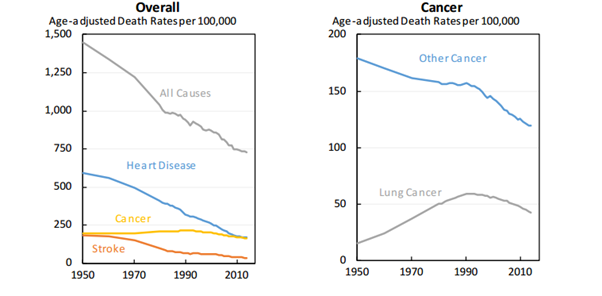
Source: Jason Furman speaking at the World Bank via Incentives in Action – Marginal REVOLUTION.
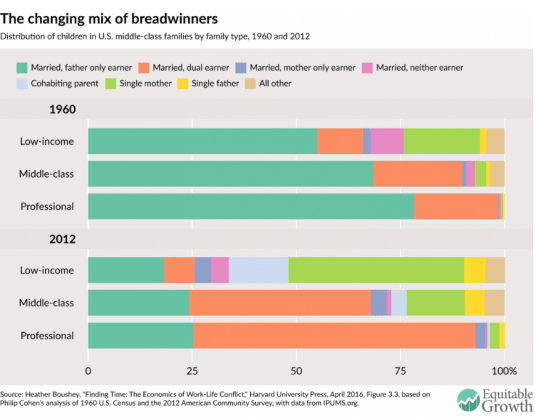
The ‘hollowing’ of the American middle class
04 Aug 2016 Leave a comment
in economic history, labour economics, politics - USA, poverty and inequality Tags: child poverty, family poverty, technology diffusion, The Great Enrichment


The present rate of technology adoption is nearly a vertical line —@blackrock https://t.co/3oS3YAI4ld—
Vala Afshar (@ValaAfshar) January 22, 2016
Pessimism bias runs deep
03 Aug 2016 Leave a comment
in economic history, economics of media and culture Tags: pessimism bias

.
Socialism DOES Work | Jeremy Corbyn | Oxford Union
03 Aug 2016 Leave a comment
in applied price theory, economic history, economics, income redistribution, Public Choice, public economics, Rawls and Nozick Tags: British politics, Leftover Left
Brad de Long on Marx and adapting to The Great Enrichment
30 Jul 2016 Leave a comment
in applied welfare economics, constitutional political economy, development economics, economic history, poverty and inequality
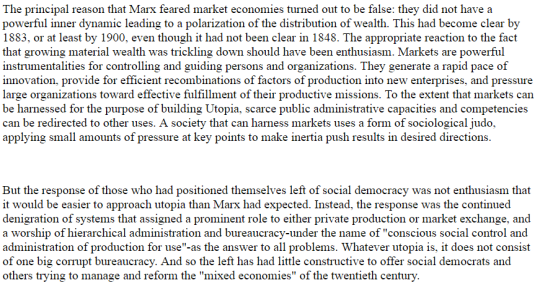
Source: Brad de Long, The Fall of the Soviet Union
Tertiary educational attainment, 2000 and 2014, USA, UK, France, Germany, Canada, Australia
24 Jul 2016 Leave a comment
in economic history, economics of education, human capital, labour economics Tags: Australia, Canada, France, Germany, Italy, tertiary educational attainment.
The British, Australians, and Italians experienced strong growth in tertiary attainment since the year 2000. In the case of the Italians, it was from a low base. There is still a big difference in tertiary attainment between English-speaking and other countries.

Source: OECD Factbook 2015-2016.
Best defence of Employment Contracts Act is a @FairnessNZ graphic
24 Jul 2016 1 Comment
in economic growth, economic history, labour economics, macroeconomics, politics - New Zealand, unions Tags: economic reform, Employment Contracts Act, employment protection laws, employment regulation, Leftover Left, neoliberalism, pessimism bias
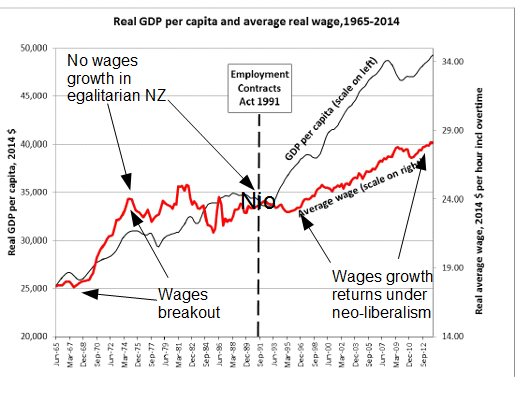
Source: Low Wage Economy | New Zealand Council of Trade Unions – Te Kauae Kaimahi, with extra annotations by this blogger.
#DavidAislabie shares @MaxRashbrooke’s boy’s own view of pre-1984 NZ as an egalitarian paradise
23 Jul 2016 Leave a comment
in economic history, liberalism, politics - New Zealand Tags: Leftover Left, pessimism bias, Twitter left
David Aislabie yesterday in the Wanganui Chronicle went beyond Max Rashbrooke’s boy’s own view of the 1970s New Zealand is an egalitarian paradise. Aislabie said
The post-war New Zealand I grew up in was the envy of the world — an egalitarian paradise and a great place to bring up children.
It is a sad irony that the baby boomers who benefited from the welfare state they inherited from their parents’ generation should be responsible for snatching those benefits away from subsequent generations.
At least last year, Max Rashbrooke was good enough to qualify his pre-economic reform egalitarian paradise to not include women and Maori
New Zealand up until the 1980s was fairly egalitarian, apart from Maori and women, our increasing income gap started in the late 1980s and early 1990s,” says Rashbrooke. “These young club members are the first generation to grow up in a New Zealand really starkly divided by income.
Leaving out a good 60% of the population from the pre-1984 New Zealand egalitarian paradise is a bit of a stretch on any paradise.
 Pre-1984 was no paradise to sing that you were glad to be gay; you could have been thrown in jail and many were.
History of Colonial America 1497 – 1763
19 Jul 2016 Leave a comment
in economic history, economics Tags: maps
% Australian top incomes from wages, salaries and pensions since 1954
19 Jul 2016 Leave a comment
in economic history, human capital, industrial organisation, labour economics, occupational choice, politics - Australia, poverty and inequality Tags: Australia, CEO pay, superstar wages, superstars, top 1%, top incomes
Australia has had a working rich for a long time now. Australian top income earners are top wage earners. They are athletes, celebrities, business executives and in the professions.
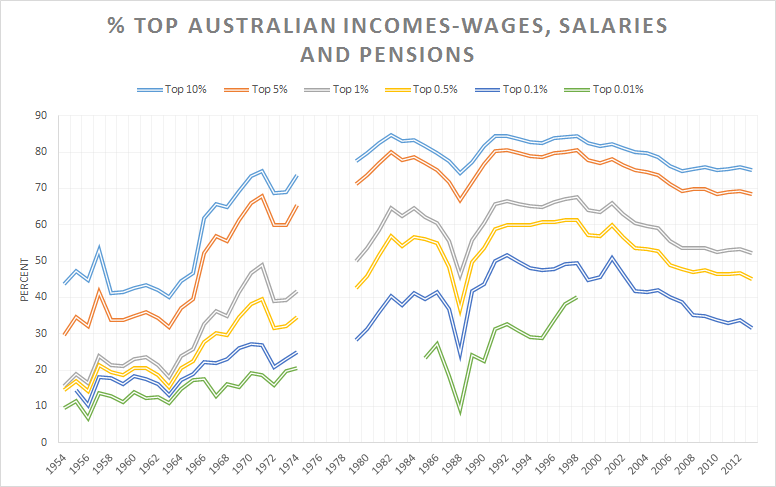
Source: The World Wealth and Income Database.


Recent Comments