What is a Luddite?
14 Jun 2016 Leave a comment
in applied price theory, economic history, industrial organisation, labour economics, labour supply Tags: Luddites, pessimism bias, technological unemployment
A Price Is a Signal Wrapped up in an Incentive
13 Jun 2016 Leave a comment
in applied price theory, comparative institutional analysis, economic history, entrepreneurship, industrial organisation Tags: spontaneous order
Bill Maher: Sanders Supporters Are “Used To Getting Shit For Free”; That’s Not Socialism, It’s “Santa-ism”
13 Jun 2016 Leave a comment
in applied price theory, applied welfare economics, defence economics, economic history, economics of education, economics of media and culture, economics of regulation, environmental economics, industrial organisation, politics - USA, survivor principle Tags: 2016 presidential election, Twitter left
Where European Imperial powers sent their convicts
13 Jun 2016 Leave a comment
in economic history, economics of crime, labour economics, law and economics, occupational choice Tags: age of empires, economics of prisons
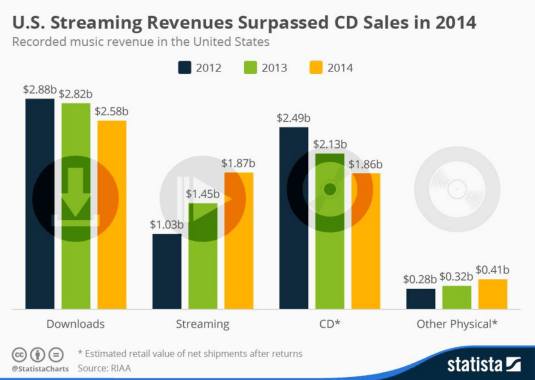
First Motion Picture Unit: Army Air Forces” on YouTube
12 Jun 2016 Leave a comment
in defence economics, economic history, economics, economics of media and culture Tags: World War II
Does Child Labor Help Children in Poverty?
12 Jun 2016 Leave a comment
in development economics, economic history, growth disasters, growth miracles, industrial organisation, labour economics, labour supply Tags: child labour
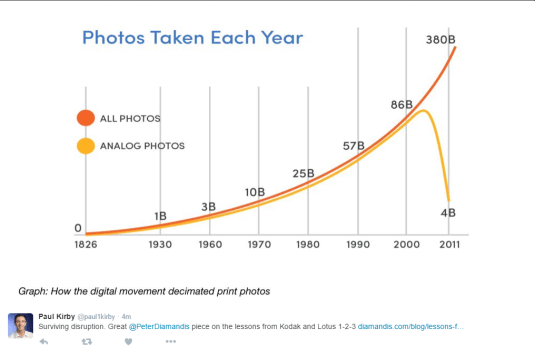
Creative destruction in photos since 1826
11 Jun 2016 Leave a comment
in economic history, entrepreneurship, technological progress
Kodak built the Apple QuickTake, the world’s first consumer digital camera but decided it did not want to put its name to it. Kodak went bankrupt in 2012.
Most things are getting cheaper
11 Jun 2016 Leave a comment
in applied welfare economics, economic history Tags: living standards, pessimism bias
The Bourgeois Era (with Deirdre McCloskey)
10 Jun 2016 Leave a comment
in economic history, economics, history of economic thought, liberalism, libertarianism Tags: Deidre McCloskey
World map by percentage of french speakers
10 Jun 2016 Leave a comment
in economic history Tags: economics of languages, France, network goods
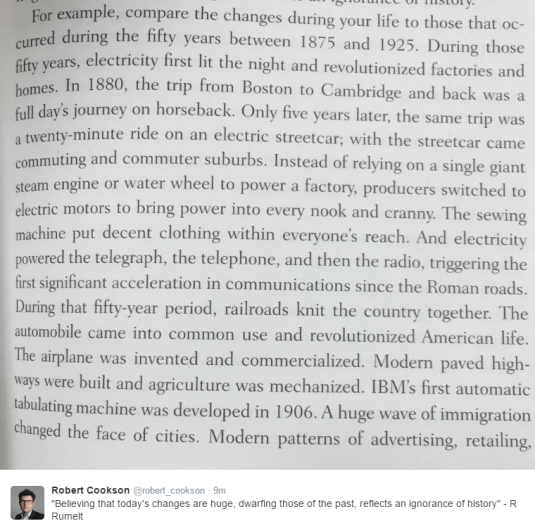
Believing that today’s changes are huge, dwarfing those of the past, reflects an ignorance of history
09 Jun 2016 Leave a comment
Why Capitalism is Better than Socialism
09 Jun 2016 Leave a comment
in applied price theory, applied welfare economics, comparative institutional analysis, constitutional political economy, development economics, economic history, history of economic thought, Marxist economics Tags: capitalism and freedom
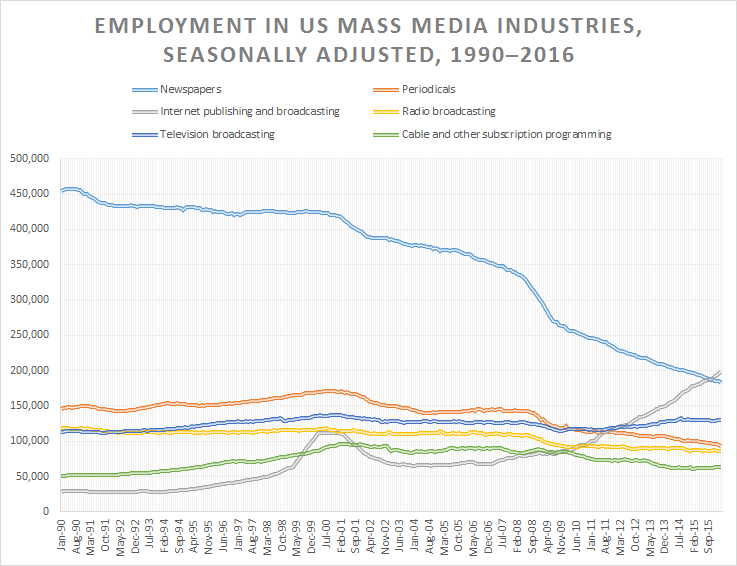
Creative destruction in mass media employment since 1990
09 Jun 2016 Leave a comment
in economic history, economics of media and culture, entrepreneurship, industrial organisation, labour economics, labour supply, occupational choice, survivor principle Tags: entrepreneurial alertness, legacy media, mass media, radio, social media
The Bureau of Labour Statistics chart included books which I took it out along with a few others to confine the information to newspapers and other competitors in the mass media. People still study journalism but more and more go to public relations jobs in government and business.
..


Recent Comments