The differences between the most and least productive companies can be startlingly high. By one estimate, in the US alone the most productive firms in a sector can be more than two to four times more cost-effective than the least productive ones. Given the size of those discrepancies, any expansion of trade or innovation that makes […]
It is wonderful to put inefficient firms out of business
It is wonderful to put inefficient firms out of business
31 Aug 2024 1 Comment
in applied price theory, econometerics, economic history, entrepreneurship, history of economic thought, industrial organisation, survivor principle Tags: creative destruction
Creative destruction
31 Aug 2024 Leave a comment
in economic history, entrepreneurship, industrial organisation Tags: The Great Enrichment

Why the @NZGreens are beside the point
31 Aug 2024 Leave a comment
in applied welfare economics, Austrian economics, comparative institutional analysis, constitutional political economy, development economics, economic growth, economic history, entrepreneurship, growth miracles, history of economic thought, human capital, income redistribution, industrial organisation, labour economics, labour supply, law and economics, liberalism, macroeconomics, Marxist economics, politics - New Zealand, poverty and inequality, property rights, Public Choice, rentseeking, technological progress Tags: child poverty, family poverty, The Great Enrichment
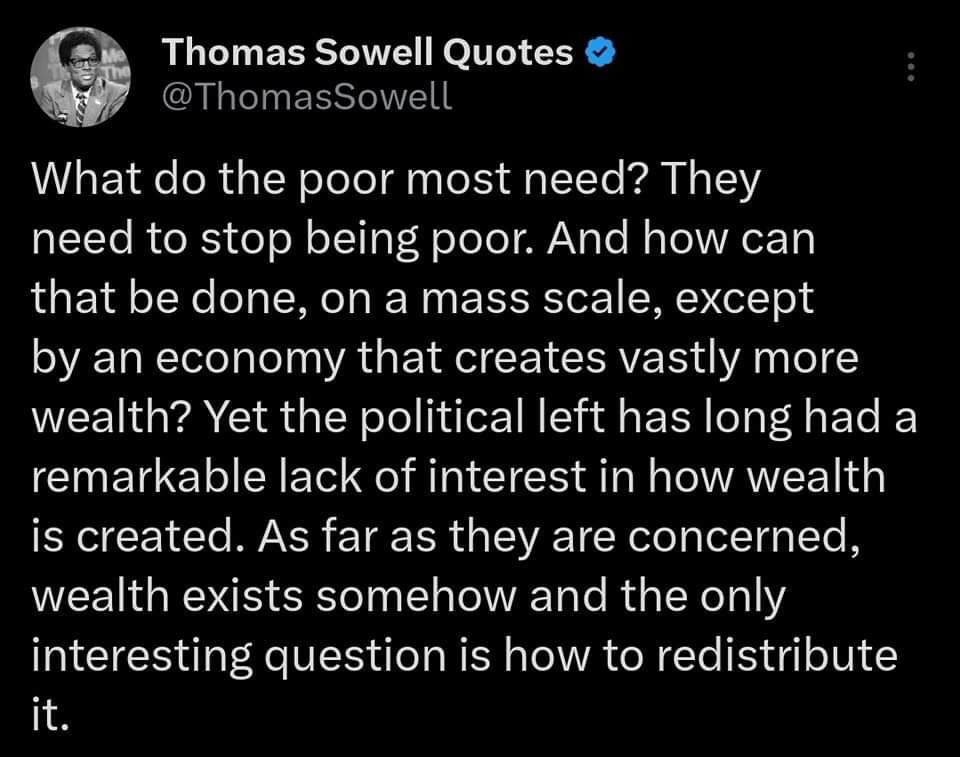
European Policies = European Stagnation
31 Aug 2024 Leave a comment
in applied price theory, applied welfare economics, Austrian economics, comparative institutional analysis, constitutional political economy, economic growth, economic history, economics of bureaucracy, entrepreneurship, human capital, income redistribution, labour economics, labour supply, liberalism, macroeconomics, Marxist economics, politics - USA, poverty and inequality, Public Choice, public economics, rentseeking, welfare reform Tags: Europe, social insurance
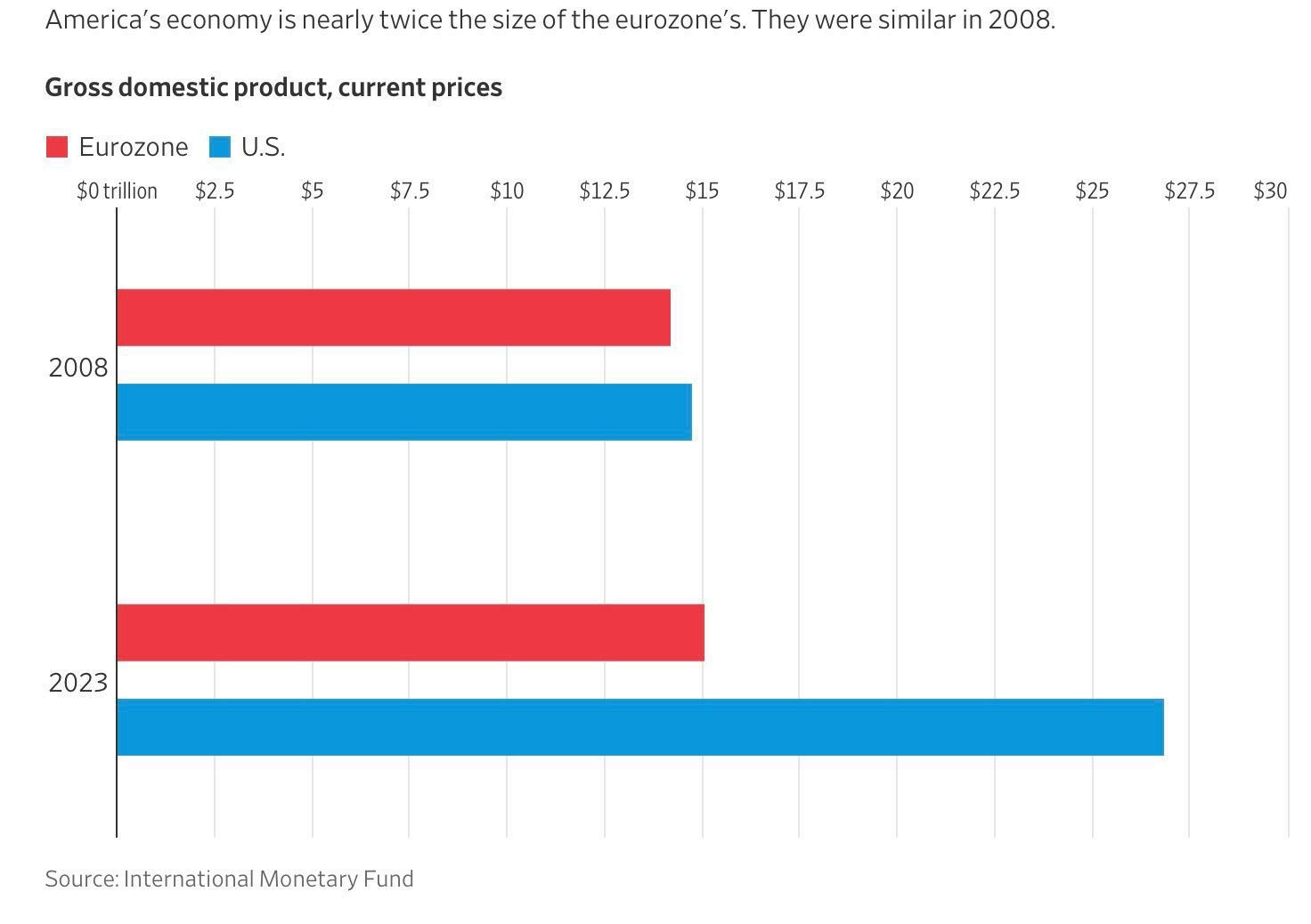
I’ve written many times about how Americans are much richer than Europeans. And I’ve also written many times that the U.S. economy has been growing faster (which shouldn’t happen according to convergence theory). There’s a simple reason for America’s superior performance. The U.S. is burdened by a medium-sized welfare state and a bad tax system […]
European Policies = European Stagnation
The 1934 German Head of State Referendum: A Pivotal Moment in Nazi Consolidation of Power
29 Aug 2024 Leave a comment
in economic history, economics of crime, law and economics Tags: Nazi Germany
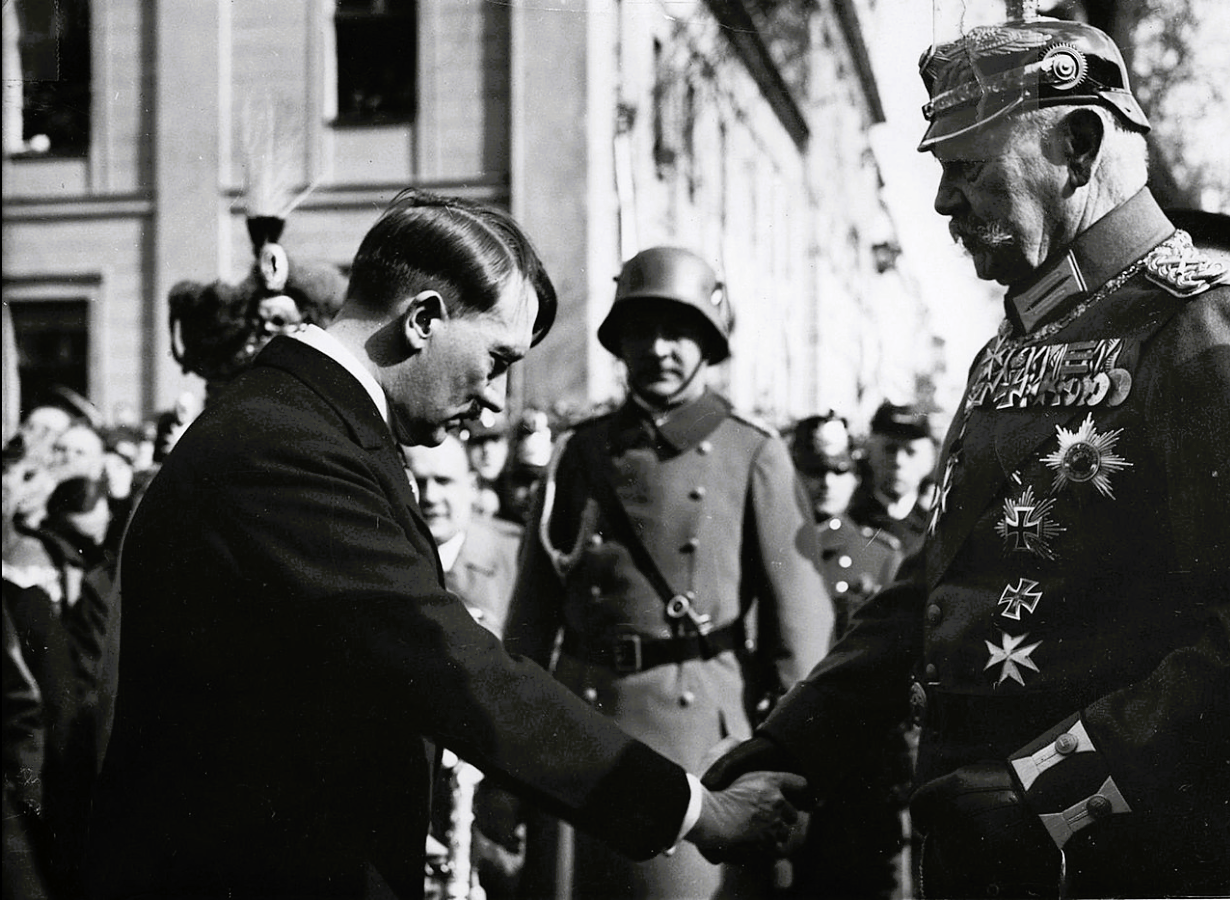
The 1934 German head-of-state referendum, held on August 19, stands as a crucial moment in the Nazi regime’s consolidation of power. Following the death of President Paul von Hindenburg on August 2, 1934, Adolf Hitler sought to solidify his grip on Germany by merging the offices of President and Chancellor, thus assuming the title of […]
The 1934 German Head of State Referendum: A Pivotal Moment in Nazi Consolidation of Power
Former Labour PM’s Clark and Ardern wrecked NZ’s Health System: they should be held accountable for the lives that have been lost
28 Aug 2024 1 Comment
in economic history, economics of bureaucracy, health economics, industrial organisation, Marxist economics, politics - New Zealand, Public Choice, theory of the firm Tags: health insurance
Enough is enough. Former PMs Helen Clark and Jacinda Ardern should come clean about how they were the Chief Architects of the omni-shambles that has become our health system. They should take responsibility for the folks who suffered from long waiting lists and declining health-care quality, some of whom didn’t make it. The person who…
Former Labour PM’s Clark and Ardern wrecked NZ’s Health System: they should be held accountable for the lives that have been lost
Fiscal and monetary policy
27 Aug 2024 Leave a comment
in budget deficits, business cycles, econometerics, economic growth, economic history, financial economics, fiscal policy, history of economic thought, inflation targeting, macroeconomics, monetary economics, politics - New Zealand Tags: monetary policy

Over the last few years, The Treasury seems to have been toying with bidding for a more significant role for fiscal policy as a countercyclical stabilisation tool It seemed to start when Covid hubris still held sway – didn’t we do well? – and the first we saw of it in public was at a […]
Fiscal and monetary policy
Meanwhile at the Democratic National Convention. . .
23 Aug 2024 Leave a comment
in economic history, income redistribution, law and economics, liberalism, Marxist economics, politics - USA, property rights, Public Choice Tags: 2024 presidential election
I’m off to the Blyde River Canyon today and most of tomorrow, so posts will be nonexistent or thin for a few days—save for Matthew’s postings of the Hili Dialogues. I’ve largely avoided reading the news, as I find it depressing and not conducive to a relaxing vacation, but two readers sent me stuff about […]
Meanwhile at the Democratic National Convention. . .
Guest Post: Criticising Cuba
23 Aug 2024 Leave a comment
in comparative institutional analysis, constitutional political economy, development economics, economic history, economics of crime, growth disasters, history of economic thought, law and economics, liberalism, Marxist economics, politics - New Zealand, Public Choice Tags: Cuba
A guest post by Lucy Rogers: Today (as of the time of writing) I saw Associate Professor Michael Mawson of the theology faculty at Auckland University advertise on Facebook an event hosting Professor Miguel De La Torre, a Cuban academic specialising in liberation theology. The event is to be held at the Maclaurin Chapel at […]
Guest Post: Criticising Cuba
The Intellectual Roots of YIMBYism
23 Aug 2024 Leave a comment
in applied price theory, comparative institutional analysis, economic history, economics of regulation, history of economic thought, politics - USA, urban economics Tags: housing affordability, zoning
At the Democratic National Convention former President Obama came out strongly in favor of housing deregulation saying “we need to build more homes and clear away some of the outdated laws and regulations that make it harder to build homes”. Robert Kwasny asks on X, “What are the intellectual roots of present-day YIMBYism?” Looking at […]
The Intellectual Roots of YIMBYism
Fashionable backpack and a 1 year warranty too (1985)
22 Aug 2024 Leave a comment
in economic history, industrial organisation Tags: creative destruction, Great Enrichment

Why Top CEOs Earn Big Paychecks
22 Aug 2024 Leave a comment
in applied price theory, economic history, economics of education, entrepreneurship, human capital, industrial organisation, labour economics, labour supply, liberalism, managerial economics, market efficiency, occupational choice, organisational economics, personnel economics, politics - USA, poverty and inequality, survivor principle Tags: CEO pay, superstar wages

CEO compensation at large firms is high, especially in comparison to average worker wages, sparking debates over income inequality. Critics argue that such pay packages are unfair and disproportionate to actual company performance. Proponents contend that high pay reflects productivity and is necessary to attract scarce top talent to large firms. Let’s go to the […]
Why Top CEOs Earn Big Paychecks
When Did We Start Getting Cavities?
22 Aug 2024 Leave a comment
in economic history, economics of media and culture, health economics
How Chlöe Swarbrick struggled to accept the PM’s position on sovereignty
21 Aug 2024 Leave a comment
in comparative institutional analysis, constitutional political economy, economic history, law and economics, liberalism, Marxist economics, politics - New Zealand, property rights, Public Choice Tags: constitutional law
Bob Edlin writes – Historian and former Labour Government cabinet minister Michael Bassett, in an article posted here earlier today, said those who spend time on the web examining the Treaty of Waitangi will find claims there are four or even five articles when officially there have never been more than three. Bassett went on […]
How Chlöe Swarbrick struggled to accept the PM’s position on sovereignty
 Utopia, you are standing in it!
Recent Comments