Why are SJWs more likely to be female? Jordan Peterson
30 Oct 2020 Leave a comment
in discrimination, economics of education, gender, human capital, labour supply, occupational choice, poverty and inequality Tags: political correctness, regressive left
Why Does Racial Inequality Persist? | Glenn Loury & Adaner Usmani [The Glenn Show]
29 Oct 2020 Leave a comment
in discrimination, economics of education, gender, health and safety, human capital, labour economics, labour supply, minimum wage, occupational choice, occupational regulation, politics - USA, poverty and inequality, unemployment, unions, welfare reform Tags: child poverty, family poverty, The fatal conceit
“In Pursuit of Happiness” by Angus Deaton
28 Oct 2020 Leave a comment
in development economics, economic history, economics of education, growth disasters, growth miracles, health economics Tags: The Great Escape
The Prince | Machiavelli
28 Oct 2020 Leave a comment
in defence economics, economic history, economics of bureaucracy, economics of education, Public Choice
The test of science
28 Oct 2020 Leave a comment
in economics of education Tags: philosophy of science

More gender gaps
27 Oct 2020 Leave a comment
in discrimination, economics of education, gender, health and safety, human capital, labour economics, labour supply, occupational choice, politics - USA, poverty and inequality, unemployment, welfare reform Tags: gender wage gap, political correctness, regressive left

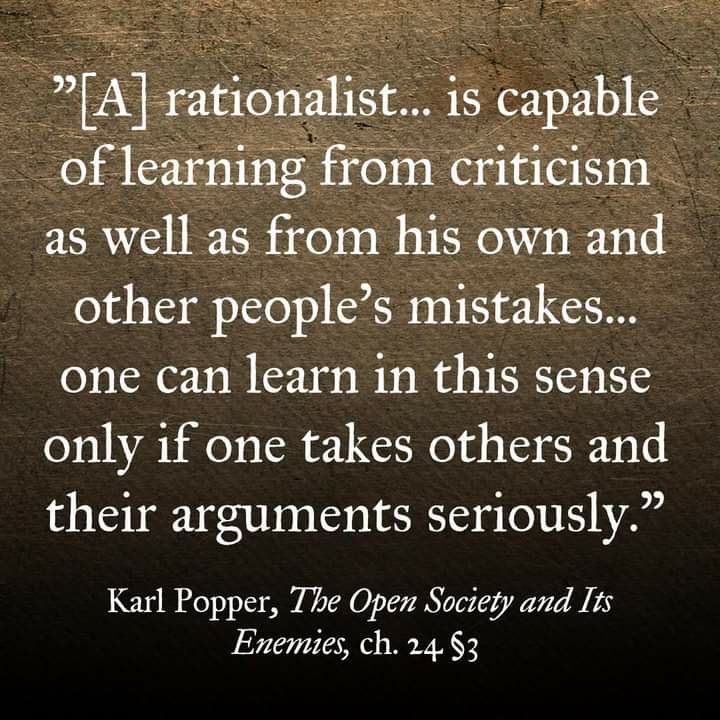
Lost on the woke
27 Oct 2020 Leave a comment
in economics of education, history of economic thought, Karl Popper, politics - Australia, politics - New Zealand, politics - USA Tags: Age of Enlightenment, philosophy of science, political correctness, regressive left
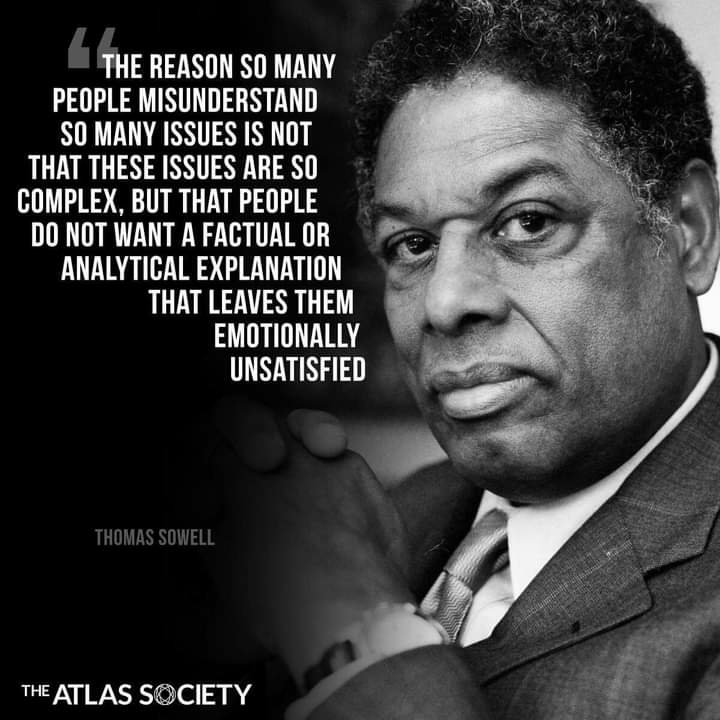
Anti-science @Greenpeace @NZGreens @Greens @AOC @BernieSanders
26 Oct 2020 Leave a comment
in applied price theory, applied welfare economics, comparative institutional analysis, constitutional political economy, development economics, economic history, economics of bureaucracy, economics of crime, economics of education, economics of information, economics of media and culture, economics of regulation, energy economics, environmental economics, environmentalism, financial economics, global warming, history of economic thought, income redistribution, industrial organisation, labour economics, law and economics, macroeconomics, Marxist economics, Public Choice, rentseeking, Thomas Sowell Tags: Anti-Science left, conjecture and refutation, offsetting behaviour, philosophy of science, The fatal conceit, unintended consequences, useful idiots
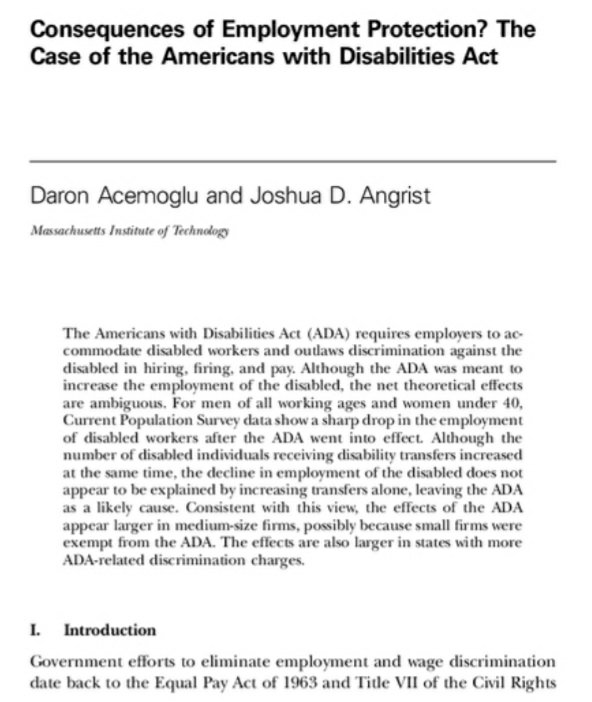
Employment Protection laws reduces hiring of risky applicants
26 Oct 2020 Leave a comment
in applied price theory, comparative institutional analysis, discrimination, economics of bureaucracy, economics of education, economics of information, health economics, human capital, industrial organisation, labour economics, labour supply, law and economics, managerial economics, organisational economics, personnel economics, politics - USA, poverty and inequality, Public Choice, survivor principle Tags: employment law, employment protection laws, offsetting behaviour, The fatal conceit, unintended consequences
Professor Robert E. Lucas Jr.,
26 Oct 2020 Leave a comment
in comparative institutional analysis, development economics, economic growth, economic history, economics of education, growth disasters, growth miracles, history of economic thought, human capital, labour economics, labour supply, law and economics, macroeconomics, occupational choice, occupational regulation, poverty and inequality, property rights, Robert E. Lucas Tags: industrial revolution
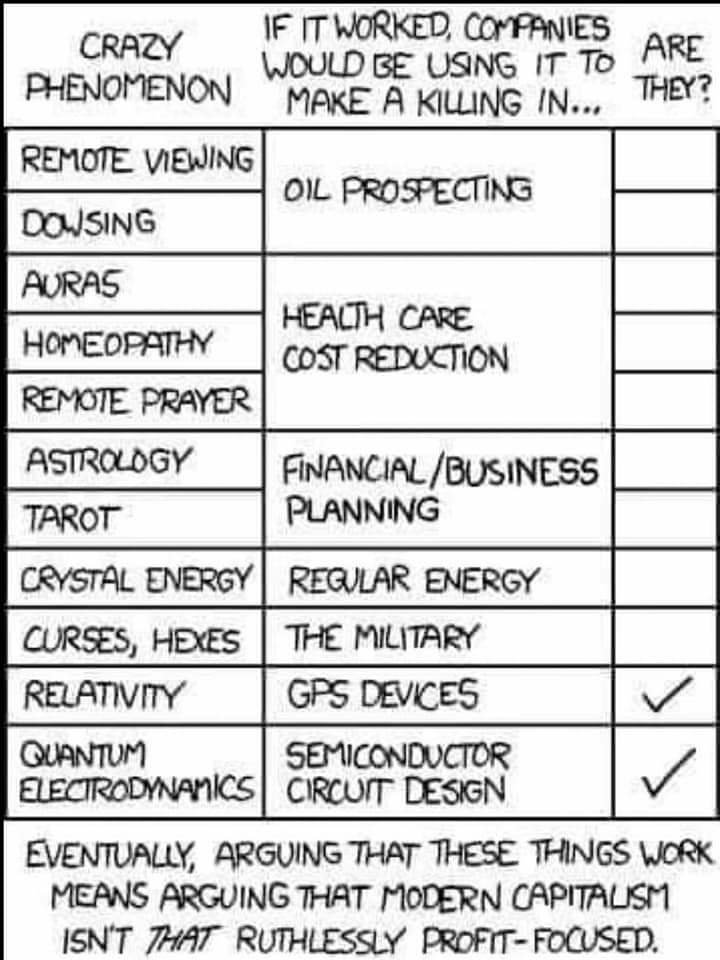
The ultimate market test
24 Oct 2020 Leave a comment
in economics of education, economics of media and culture, entrepreneurship Tags: cranks, Quacks
Robert E. Lucas Jr. What was the industrial revolution
23 Oct 2020 Leave a comment
in applied welfare economics, comparative institutional analysis, constitutional political economy, development economics, economic growth, economic history, economics of bureaucracy, economics of education, history of economic thought, human capital, income redistribution, industrial organisation, labour economics, labour supply, law and economics, macroeconomics, occupational choice, occupational regulation, poverty and inequality, property rights, Public Choice, public economics, rentseeking, Robert E. Lucas Tags: industrial revolution
Lacea Lames 2012 – ROBERT LUCAS
22 Oct 2020 Leave a comment
in budget deficits, business cycles, development economics, economic growth, economic history, economics of education, Euro crisis, fiscal policy, global financial crisis (GFC), great depression, great recession, history of economic thought, human capital, inflation targeting, job search and matching, labour economics, labour supply, law and economics, macroeconomics, monetary economics, occupational choice, property rights, Public Choice, Robert E. Lucas Tags: endogenous growth theory
Robert Lucas and Paco Buera | Idea Flows and Economic Growth
20 Oct 2020 Leave a comment
in applied price theory, applied welfare economics, comparative institutional analysis, development economics, econometerics, economic history, economics of education, history of economic thought, human capital, industrial organisation, international economics, labour economics, labour supply, law and economics, managerial economics, occupational choice, organisational economics, personnel economics, poverty and inequality, Robert E. Lucas Tags: endogenous growth theory
 Utopia, you are standing in it!
Recent Comments