

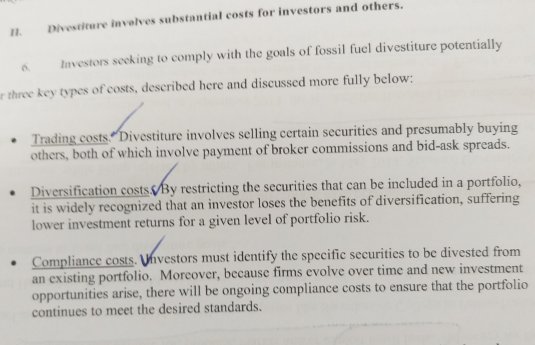
It isn’t cheap being @NZGreen @Greens @GreenpeaceAP #globalwarming #climateemergency @mfe_news @jamespeshaw
12 Mar 2020 Leave a comment
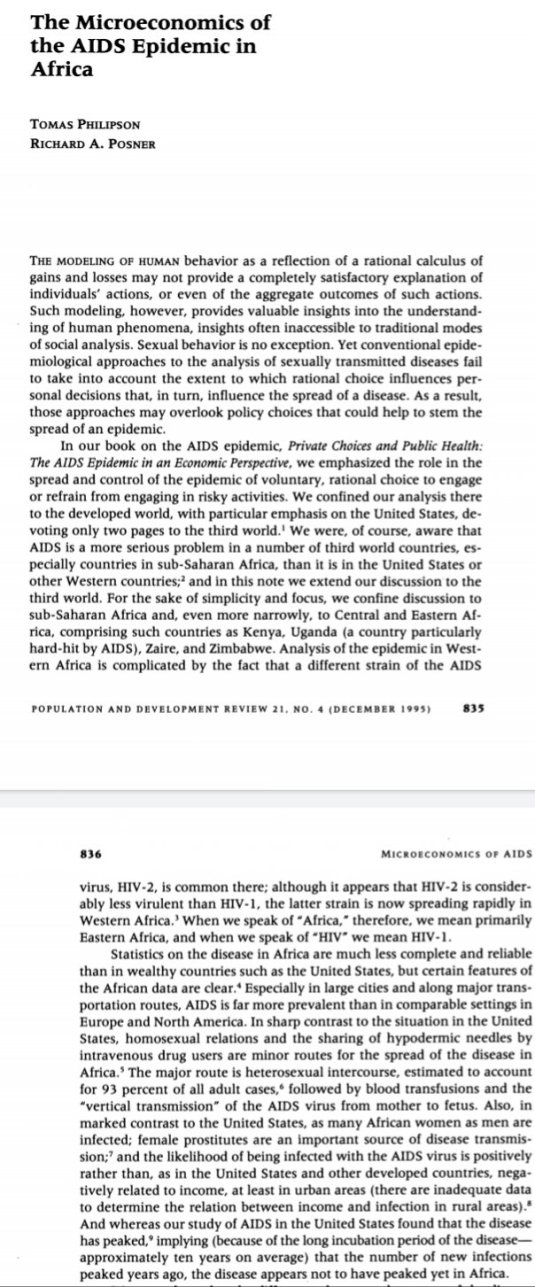
The great contraction in safe collateral
09 Mar 2020 Leave a comment
in business cycles, economic history, economics of information, Euro crisis, financial economics, fiscal policy, global financial crisis (GFC), great recession, law and economics, macroeconomics, monetary economics, property rights, Public Choice, public economics Tags: adverse selection, asymmetric information, efficient markets hypothesis, moral hazard
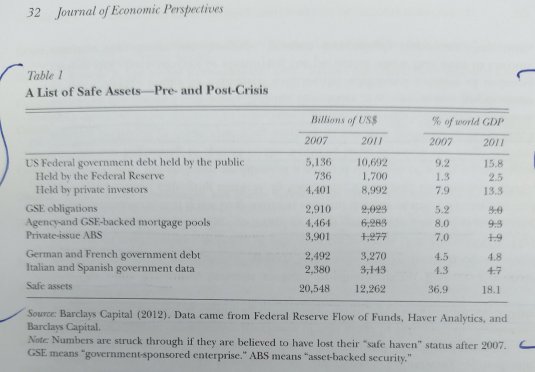


More Sex is Safer Sex and Other Surprises – Steven E. Landsburg
08 Mar 2020 Leave a comment
in applied price theory, economics of education, economics of information, economics of media and culture, economics of regulation, economics of religion, health economics, labour economics, law and economics, Public Choice, public economics Tags: offsetting behaviour, The fatal conceit, unintended consequences
Steve Kaplan Discusses CEO Pay
08 Mar 2020 Leave a comment
in economics of bureaucracy, economics of crime, economics of education, economics of information, entrepreneurship, financial economics, human capital, income redistribution, industrial organisation, labour economics, labour supply, law and economics, managerial economics, market efficiency, occupational choice, organisational economics, personnel economics, politics - USA, poverty and inequality, property rights, Public Choice, rentseeking, survivor principle Tags: CEO pay, efficient markets hypothesis
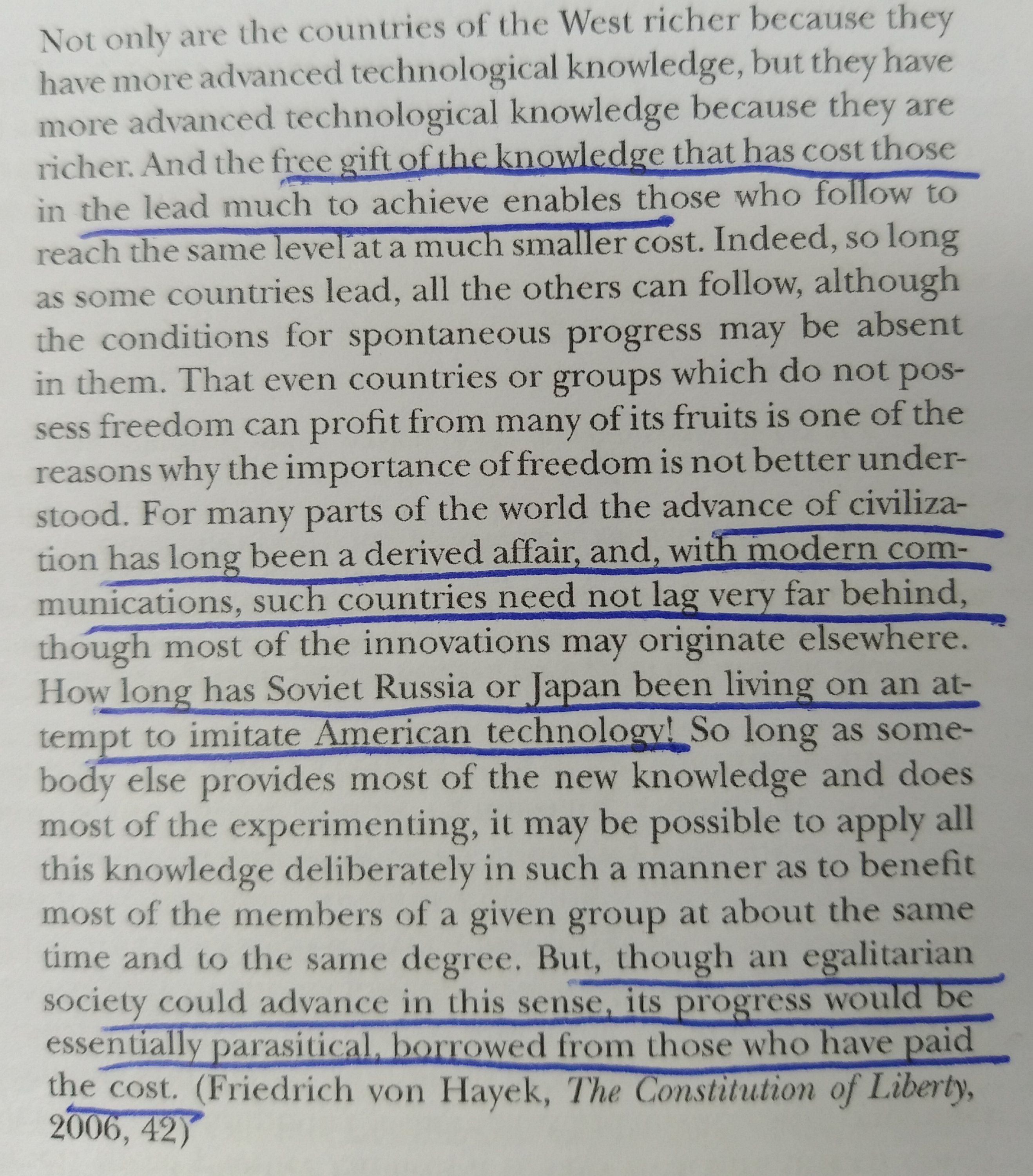
Scandinavian welfare states free-ride
08 Mar 2020 Leave a comment
in applied price theory, Austrian economics, comparative institutional analysis, constitutional political economy, economic growth, economics of education, economics of information, economics of regulation, entrepreneurship, F.A. Hayek, history of economic thought, human capital, income redistribution, industrial organisation, international economics, law and economics, macroeconomics, poverty and inequality, property rights, Public Choice, public economics Tags: creative destruction, taxation and entrepreneurship, taxation and investment, taxation and labour supply
Nobel Symposium Gary Gorton Financial regulation
08 Mar 2020 Leave a comment
in business cycles, economics of information, economics of regulation, financial economics, global financial crisis (GFC), great recession, law and economics, macroeconomics, monetary economics
Are CEOs overpaid?
05 Mar 2020 Leave a comment
in economics of information, financial economics, human capital, labour economics, labour supply, law and economics, managerial economics, occupational choice, organisational economics, personnel economics, property rights, theory of the firm Tags: CEO pay, efficient markets hypothesis
Does Fractional Reserve Banking Endanger the Economy? A Debate
02 Mar 2020 Leave a comment
in applied price theory, Austrian economics, business cycles, comparative institutional analysis, economic history, economics of information, economics of regulation, law and economics, macroeconomics, monetary economics, property rights Tags: economics of banking, monetary policy
 Utopia, you are standing in it!
Recent Comments