Apple Camera Cars Will Hit the Road to Build a Google Street View Rival popularmechanics.com/default/a15958… http://t.co/YKRo0nMQZD—
Popular Mechanics (@PopMech) July 12, 2015
Thomas Macaulay (1830) on the green movement
19 Jul 2015 Leave a comment
in development economics, economic history, economics of media and culture, environmental economics, environmentalism, growth disasters, growth miracles Tags: doomsday prophecies, doomsday prophets, Leftover Left, Thomas Macaulay
“…we see nothing but improvement behind us [yet] expect nothing but deterioration before us” buff.ly/1HscRBL http://t.co/cKILhkKWvr—
HumanProgress.org (@humanprogress) June 30, 2015
Dinner is served
19 Jul 2015 Leave a comment
in economics of media and culture Tags: Africa, economics of tourism, Lions, wildlife tourism
http://t.co/gWGh6TyrZa—
Fascinating Pictures (@Fascinatingpics) July 18, 2015
1st cellphone
18 Jul 2015 Leave a comment
in economic history, economics of media and culture, entrepreneurship, technological progress Tags: cell phones, creative destruction, entrepreneurial alertness
This is the first cellphone.
It went on sale 30 years ago today for $4,000 http://t.co/6zFIf3cxDV—
History Pics (@HistoryPixs) March 14, 2014
Research papers decoded
17 Jul 2015 Leave a comment
in economics of education, economics of media and culture Tags: academic bias, academic jargon, conjecture and refutation
More vital information on the dangers of DHMO
17 Jul 2015 Leave a comment
in applied welfare economics, economics of information, economics of media and culture, economics of regulation, environmental economics, environmentalism, health economics Tags: antiscience left, DHMO, expressive voting, green scare tactics, precautionary principle, rational ignorance, rational irrationality
Entrepreneurial alertness in green, clean technologies
17 Jul 2015 Leave a comment
in economics of information, economics of media and culture, environmental economics, global warming, Public Choice Tags: climate alarmism, creative destruction, entrepreneurial alertness, global warming, green technologies, innovation
The remarkably rapid diffusion of cell phones in Africa
16 Jul 2015 Leave a comment
in development economics, economic history, economics of media and culture, growth disasters, growth miracles Tags: Africa, cell phones, international technology diffusion, technology diffusion, The Great Fact


The rise and rise of Amazon
16 Jul 2015 Leave a comment
in economic history, economics of media and culture, entrepreneurship, industrial organisation, survivor principle Tags: amazon, creative destruction, e-commerce, entrepreneurial alertness
The rise and rise of Amazon in two charts econ.st/1Od8KdV http://t.co/HTs0zngL0Y—
The Economist (@TheEconomist) July 15, 2015
Rather common on the University of the Internet
13 Jul 2015 Leave a comment
in economics of media and culture Tags: information cocoons, infotopia
Guide to the cults – Daily Mirror 1979
13 Jul 2015 Leave a comment
in economics of media and culture Tags: cults
Guide to the cults – Daily Mirror 1979. http://t.co/OnFn3yjJYM—
History (@HistoryTime_) June 06, 2015
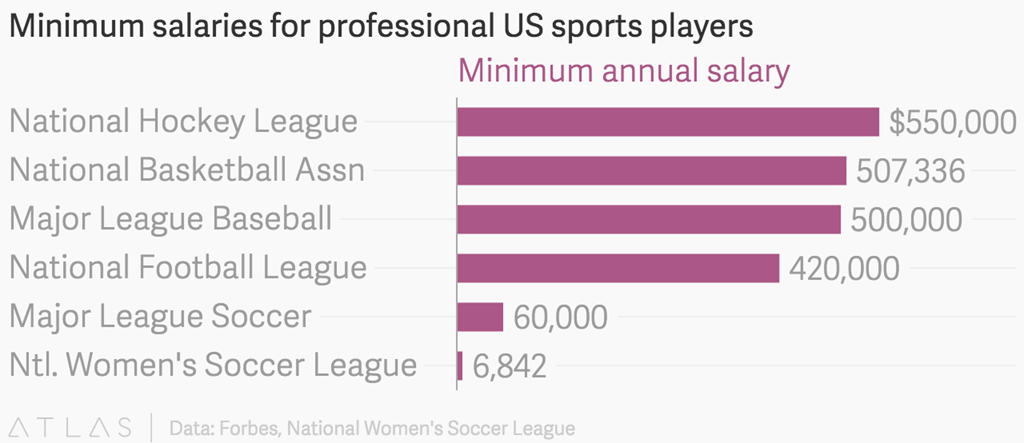
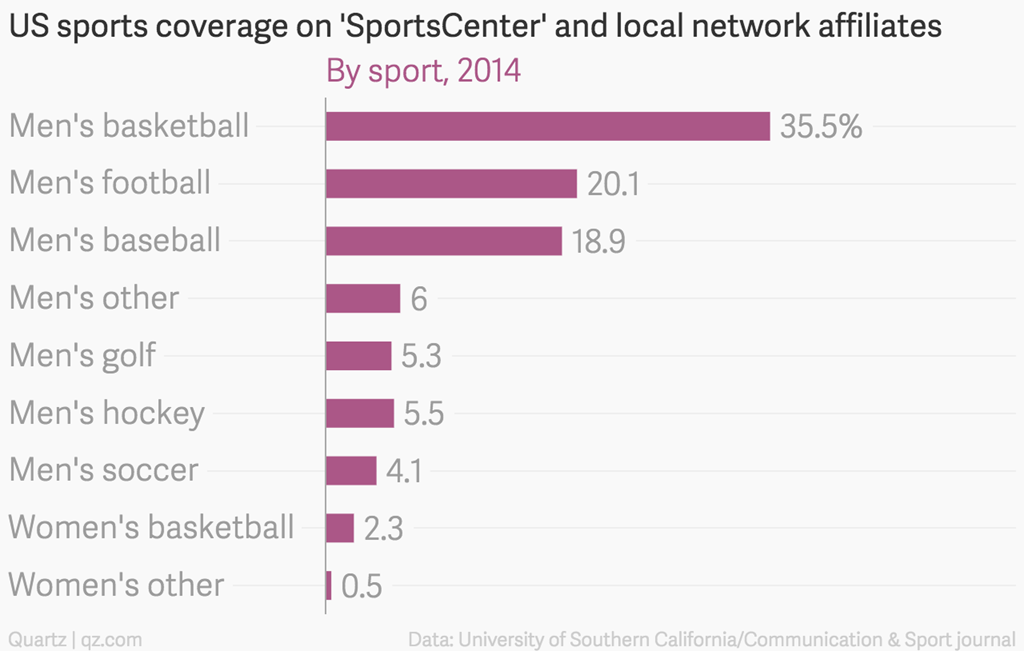
Minimum salaries of American professional sports players and media coverage
13 Jul 2015 Leave a comment
in applied price theory, discrimination, economics of media and culture, entrepreneurship, gender, industrial organisation, labour economics, occupational choice, sports economics, survivor principle Tags: gender wage gap, media bias, sex discrimination, superstar wages, superstars

Creative destruction in London newspapers
12 Jul 2015 Leave a comment
in economic history, economics of information, economics of media and culture, entrepreneurship, industrial organisation, Public Choice Tags: British economy, British politics, creative destruction, London, media bias
Truth is that editorialising has v little influence – less now than ever. Here's why: specc.ie/1c58mAr http://t.co/m8UM22W0zj—
Fraser Nelson (@FraserNelson) May 07, 2015
Good old left-wing hate speech at its best
12 Jul 2015 Leave a comment
in economic history, economics of media and culture, entrepreneurship, income redistribution, Public Choice, rentseeking Tags: British elections, expressive voting, free speech, hate speech, London newspapers, media bias, rational ignorance, rational irrationality
I agree with @D_Blanchflower – I wish newspapers didn't spin elections and played it straight, like they used to… http://t.co/5btL7PAFWe—
Fraser Nelson (@FraserNelson) May 07, 2015


Recent Comments