The executive order is another eleventh-hour move in what appears to be an effort to stymy President-elect Donald Trump’s energy agenda, which is expected to include a vast expansion of oil and gas drilling on federal lands and waters. Biden announced a ban Monday for future offshore oil and gas activity across 625 million acres of the outer continental shelf, citing a law that could prevent a successive administration from easily reversing the policy.
Biden Uses Last-Minute AI Executive Order To Force More Green Energy Onto The Grid
Biden Uses Last-Minute AI Executive Order To Force More Green Energy Onto The Grid
18 Jan 2025 Leave a comment
in economics of regulation, energy economics, environmental economics, global warming, politics - USA, resource economics Tags: solar power, wind power
Further proof the Council just made things worse
17 Jan 2025 Leave a comment
in applied price theory, comparative institutional analysis, economics of bureaucracy, economics of regulation, entrepreneurship, industrial organisation, politics - New Zealand, Public Choice, public economics, rentseeking, survivor principle
Stuff reports: Reading Cinemas is set to return to Wellington after it was revealed on Tuesday night that the cinema chain’s owner, Reading International, intends to undertake a redevelopment of the old building. The company has entered into a Sale and Purchase Agreement with Prime Property Group, with part of the deal including a seismic upgrade […]
Further proof the Council just made things worse
CA gov prevents voluntary wealth-creating transactions
17 Jan 2025 Leave a comment
in applied price theory, comparative institutional analysis, economics of natural disasters, economics of regulation, law and economics, politics - USA, property rights
From REASON: On January 7, Newsom issued a state of emergency as fires spread in Los Angeles County. On Tuesday, Newsom signed Executive Order N-7-25, prohibiting buyers for three months from “making any unsolicited offer to an owner of real property” in fire-affected areas “for an amount less than the fair market value of the…
CA gov prevents voluntary wealth-creating transactions
Margaret Thatcher, Michael Curley, and the 19th Theorem of Government
16 Jan 2025 Leave a comment
in applied price theory, applied welfare economics, Austrian economics, comparative institutional analysis, constitutional political economy, economic growth, economic history, economics of regulation, energy economics, environmental economics, financial economics, fiscal policy, human capital, income redistribution, international economics, labour economics, labour supply, law and economics, liberalism, libertarianism, macroeconomics, Marxist economics, politics - USA, poverty and inequality, property rights, Public Choice, public economics, regulation, rentseeking
In this 12-second video, Margaret Thatcher is talking about the Labour Party in the United Kingdom, but her warning has universal application. And when I say her warning has universal application, I’m not joking. Politicians generally can’t resist the temptation to buy votes. And I fear that this can and will happen at all levels […]
Margaret Thatcher, Michael Curley, and the 19th Theorem of Government
Assigning Responsibility for the Tragic Los Angeles Fires
15 Jan 2025 1 Comment
in economics of natural disasters, economics of regulation, environmental economics, environmentalism, law and economics, politics - USA, property rights, urban economics
Blaming climate change for these disasters only deflects attention away from actual causes. Fabrications linking rising CO2 to wildfires should be ignored. Governments must employ solutions that will truly protect people and their property from the unstoppable, natural conditions enabling devastating fires.
Assigning Responsibility for the Tragic Los Angeles Fires
2024 Registrations Of New Electric Cars Plummet 27.5% In Germany…”Petrol Dominates”
15 Jan 2025 1 Comment
in economics of regulation, energy economics, environmental economics, global warming, industrial organisation, survivor principle, transport economics Tags: electric cars, Germany
How’s the Green New Deal working out in Germany? Not very well at all. Firstly, Germany has been in recession for almost 2 years now – thanks mostly to the policies of Economics Minster Robert Habeck (Green Party), who incidentally has no education in economics, business or finance. The guy just doesn’t know what he’s…
2024 Registrations Of New Electric Cars Plummet 27.5% In Germany…”Petrol Dominates”
Climatists Make Their Case by Omitting Facts
15 Jan 2025 1 Comment
in applied price theory, applied welfare economics, economic history, economics of climate change, economics of regulation, energy economics, environmental economics, environmentalism, global warming, politics - USA Tags: climate activists, climate alarmism

One of the world’s top economists has written an expert court report that forcefully supports a group of children and young adults who have sued the federal government for failing to act on climate change. (Source: Inside Climate News here) Excerpts in italics with my bolds. Stiglitz, a Columbia University economics professor and former World […]
Climatists Make Their Case by Omitting Facts
Economists Should Never Abandon Their Principles
14 Jan 2025 Leave a comment
in applied price theory, Austrian economics, comparative institutional analysis, economics of information, economics of regulation
TweetIn the Spring of 2023 I had the honor of delivering, at the Richmond Fed, the annual Sandridge Lecture to the Virginia Association of Economists. The text of that lecture – the title of which is “The Role of the Economic Scholar in Highly Politicized Society” – is available here. And pasted below are two…
Economists Should Never Abandon Their Principles
Climate Crisis Policies Destructive to Los Angles Area Environment and Harmful to Wildlife
13 Jan 2025 Leave a comment
in economics of climate change, economics of natural disasters, economics of regulation, environmental economics, environmentalism, global warming, politics - USA Tags: climate alarmism
When Americans supported the Endangered Species Act, these were some of the species they had in mind…not bait fish.
Climate Crisis Policies Destructive to Los Angles Area Environment and Harmful to Wildlife
Many supporters of sensible climate science policies have gone into great depth about the realities of climate change because of these fires. However, this is the first time I recall “climate crisis’ propaganda posts being so heavily ratioed.
Will Australia’s Mandatory Climate Reporting make Greenwashing Illegal?
13 Jan 2025 Leave a comment
in economics of climate change, economics of information, economics of regulation, energy economics, entrepreneurship, environmental economics, environmentalism, financial economics, global warming, politics - Australia Tags: climate activists, climate alarmism

Legal penalties for greenwashing could force Aussie companies to declare their total lack of interest in climate action.
Will Australia’s Mandatory Climate Reporting make Greenwashing Illegal?
Some Links
12 Jan 2025 Leave a comment
in applied price theory, budget deficits, development economics, economic growth, economic history, economics of regulation, entrepreneurship, fiscal policy, global financial crisis (GFC), great recession, growth disasters, growth miracles, human capital, income redistribution, industrial organisation, international economics, job search and matching, labour economics, labour supply, macroeconomics, monetary economics, poverty and inequality, Public Choice, rentseeking, survivor principle, unemployment
TweetGMU Econ alum Holly Jean Soto busts the myth of “greedflation.” Scott Lincicome identifies an interesting contrast between the facts and opinion about China. George Will decries the spinelessness of the modern U.S. Congress. A slice: The incoming president will be able, on a whim, to unilaterally discombobulate international commerce — and the domestic economy…
Some Links
Price controls destroy wealth: California Fire Insurance
11 Jan 2025 Leave a comment
in economics of natural disasters, economics of regulation, environmentalism, financial economics, income redistribution, law and economics, politics - USA, property rights, Public Choice, regulation, rentseeking, urban economics Tags: price controls
Noah Smith via Marginal Revolution, and Kim Mai Cutler. The CA insurance regulator is elected, and is reluctant to allow higher rates for fire insurance, despite the big risks, lest she be voted out of office. As a consequence, expected profits are low, so a majority of top insurers have stopped issuing fire insurance in CA.…
Price controls destroy wealth: California Fire Insurance
Smart Growth Burns Thousands of Homes
11 Jan 2025 1 Comment
in economics of bureaucracy, economics of natural disasters, economics of regulation, environmental economics, law and economics, property rights, Public Choice, urban economics Tags: land use planning, unintended consequences, zoning
Los Angeles city and regional planners are just as responsible for the Palisades, Eaton, and other fires that have burned in the past few days as if they had poured gasoline on the homes and lit the matches. The destruction of these homes, including, for what it is worth, homes … Continue reading →
Smart Growth Burns Thousands of Homes
Left-Wing Economists Were Wildly Wrong about Javier Milei and his Libertarian Agenda for Argentina
10 Jan 2025 Leave a comment
in applied price theory, Austrian economics, budget deficits, business cycles, comparative institutional analysis, constitutional political economy, development economics, economic growth, economics of regulation, financial economics, fiscal policy, growth disasters, growth miracles, history of economic thought, income redistribution, international economics, labour economics, law and economics, liberalism, libertarianism, macroeconomics, Marxist economics, monetarism, monetary economics, political change, politics - USA, property rights, Public Choice, public economics, rentseeking, unemployment Tags: Argentina
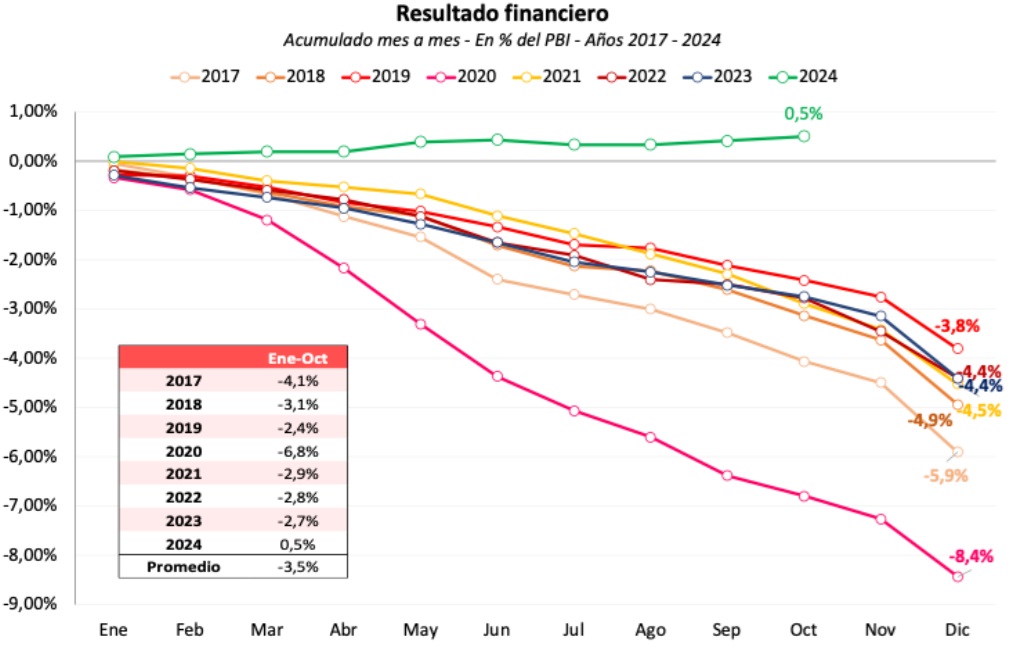
It’s easy to mock economists. Consider the supposedly prestigious left-leaning academics who asserted in 2021 that Biden’s agenda was not inflationary. At the risk of understatement, they wound up with egg on their faces.* Today, we’re going to look at another example of leftist economists making fools of themselves. It involves Argentina, where President Javier […]
Left-Wing Economists Were Wildly Wrong about Javier Milei and his Libertarian Agenda for Argentina
Anti-ag activists at it again
10 Jan 2025 Leave a comment
in economics of regulation, politics - New Zealand Tags: agricultural economics, animal rights, Animal welfare
The anti-ag activist group Peta is at it again – using selective footage which appears to show animal abuse by shearers. If they were genuinely concerned about animal welfare they would have acted on the abuse immediately and reported incidents to the Ministry for Primary Industries (MPI) and/or the SPCA. Instead they went to the […]
Anti-ag activists at it again


Recent Comments