
The #fatalconceit of #daylightsaving in #Australia
05 Nov 2016 Leave a comment
in economics of media and culture, economics of religion, politics - Australia
Queensland refused to follow the southern states of Australia in adopt daylight saving. Conceited Southerners attributed that to the backward nature of those further north.
Daylight savings is not such a good idea if summer and winter day length does not vary that much and there is not much of a twilight.
The closer you get to the tropics, such as Queensland is, day length does not vary through the year and there is next to no twilight. In the tropics, you can look forward to the night because it is cooler.
Arrogant Southerners pretended to know what was good for Queensland despite knowing nothing of why daylight savings was introduced in the first place. It was to take advantage of large variations in the length of the day over the seasons. There are no such large variations in the length of the day in tropical Queensland, particularly in North Queensland.
GMOs by MRuniversity
30 Oct 2016 Leave a comment
in economics of religion, environmental economics, health economics Tags: GMOs
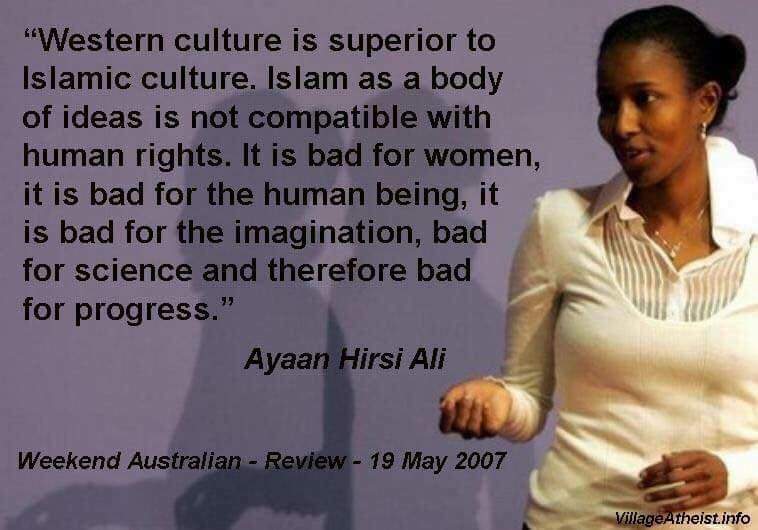
Why Do People Become Islamic Extremists?
18 Oct 2016 Leave a comment
in defence economics, economics of crime, economics of religion, labour economics, law and economics, occupational choice Tags: economics of oppositional identities, war on terror

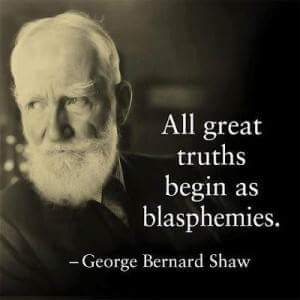
Religion and blasphemy
10 Oct 2016 Leave a comment
in economics of religion, liberalism Tags: Blasphemy, free speech, political correctness
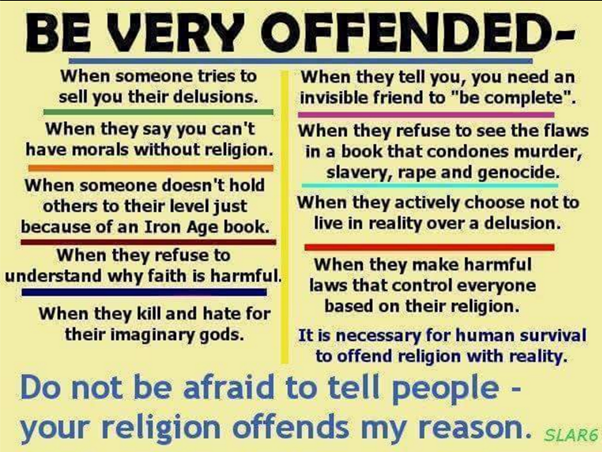
Why Don’t Feminists Fight for Muslim Women?
08 Oct 2016 Leave a comment
in economics of religion, liberalism Tags: feminism, political correctness
Where is it still illegal to insult religion?
29 Sep 2016 Leave a comment
in economics of regulation, economics of religion, liberalism Tags: Blasphemy, free speech
Christopher Hitchens – Mother Teresa: Hell’s Angel
04 Sep 2016 Leave a comment
in economics of religion Tags: Mother Teresa
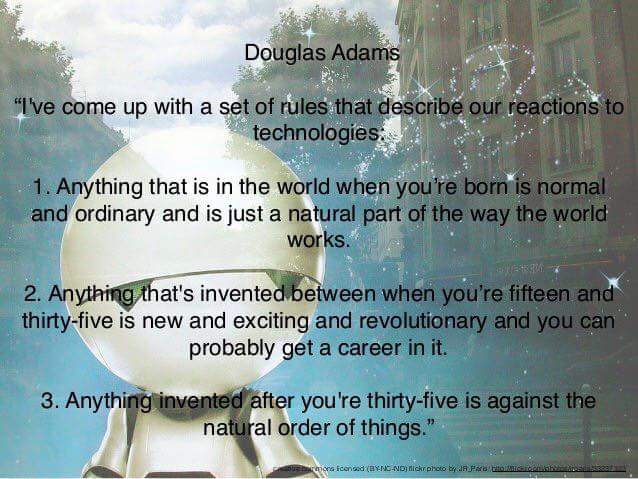
Douglas Adams and his laws of technology
24 Aug 2016 Leave a comment
in economic history, economics of media and culture, economics of religion, environmental economics, health economics
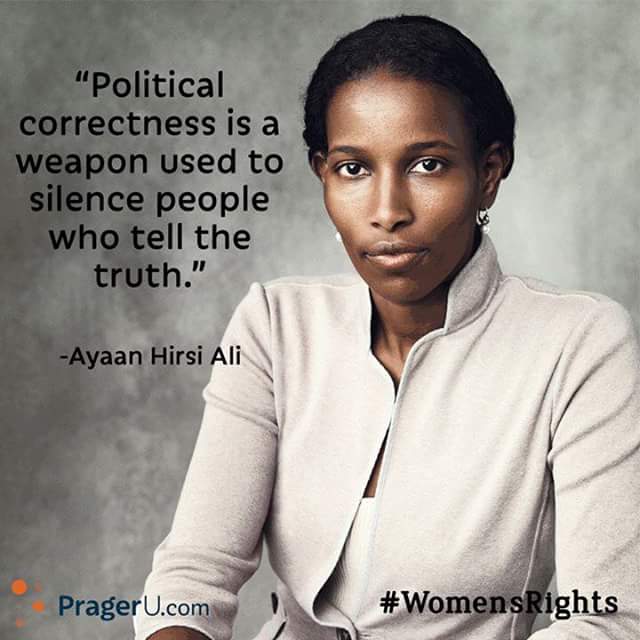
Again, wise words
20 Aug 2016 Leave a comment
in economics of media and culture, economics of religion, liberalism Tags: political correctness


Recent Comments