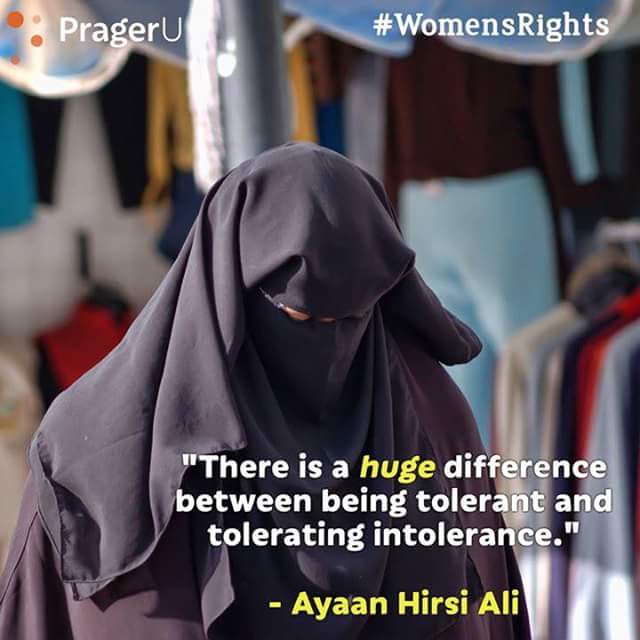
Popper said same in the Open Society and its Enemies
15 Aug 2016 Leave a comment
in constitutional political economy, economics of religion, liberalism Tags: Karl Popper, political correctness
Economically Speaking: Government Regulation – George Stigler
07 Aug 2016 Leave a comment
in applied price theory, applied welfare economics, economics, economics of religion, George Stigler
Bill Maher on the Superiority of Western Values
31 Jul 2016 Leave a comment
in constitutional political economy, economics of religion, liberalism Tags: The Age of Enlightenment
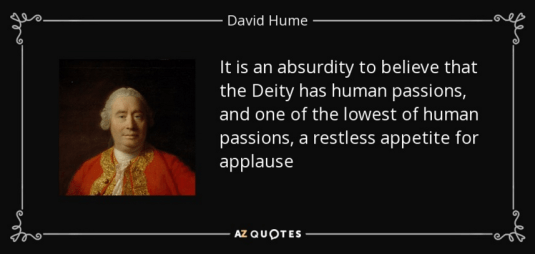
Christopher Hitchens brutal honesty pissing off Muslims
20 Jul 2016 Leave a comment
in economics, economics of religion, liberalism Tags: political correctness
How religious are so-called “Islamic terrorists”?
15 Jul 2016 Leave a comment
in defence economics, economics, economics of crime, economics of religion, law and economics Tags: economics of oppositional identities, war against terror
Atheism: The only opinion about imaginary friends that is taxed
14 Jul 2016 Leave a comment
in economics, economics of religion Tags: atheism
Central to the case of atheism is to be deeply blasphemous
29 Jun 2016 Leave a comment
in economics of religion, liberalism Tags: atheism, free speech, political correctness, safe spaces


Odd @SundayStarTimes story on surveillance of New Zealand mosques
26 Jun 2016 Leave a comment
in defence economics, economics of crime, economics of religion
The Sunday Star Times today took an unfortunate big brother angle to a one-page feature story who second half was about cooperation between New Zealand Muslims and the police and security services. Like any law-abiding people, they report potential criminal behaviour and mentally disturbed people.

Source: Marked by their religion – is the threat of homegrown terrorism real? | Stuff.co.nz.
The fact that these wannabe jihadists go blabbing about their plans at the local mosque despite knowing that their leadership and members are open about reporting suspicious behaviour to the police shows how stupid these people are.
That does not mean that these wannabe jihadists are not dangerous, but they are still stupid. Being completely useless appears to not disqualify them from joining either Al Qaeda or ISIS.
There are ratbags attracted to many large groups, be they secular or religious. Plenty of parties on the left and the right have at their wings a few wild men and one or two potentially violent people who are often off their medication. There are rat-bags everywhere.
An In-Depth Interview with Ayaan Hirsi Ali on Islam and the Defense of Western Civilization
23 Jun 2016 Leave a comment
in defence economics, economics of religion, liberalism
Dara Ó Briain – A Catholic & Protestant Mixed Marriage
20 Jun 2016 Leave a comment
in economics, economics of love and marriage, economics of religion, property rights Tags: Ireland
HT: Donal McChaffery

Too close to the truth for comfort
04 Jun 2016 Leave a comment
in discrimination, economics of religion, gender, liberalism
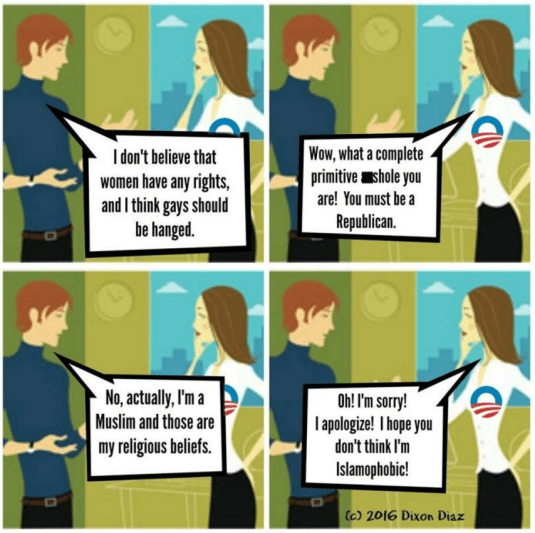
HT: John Ansell
Dominant religions across British Indian Empire in 1909
01 Jun 2016 Leave a comment
in economic history, economics of religion Tags: India
India


Recent Comments