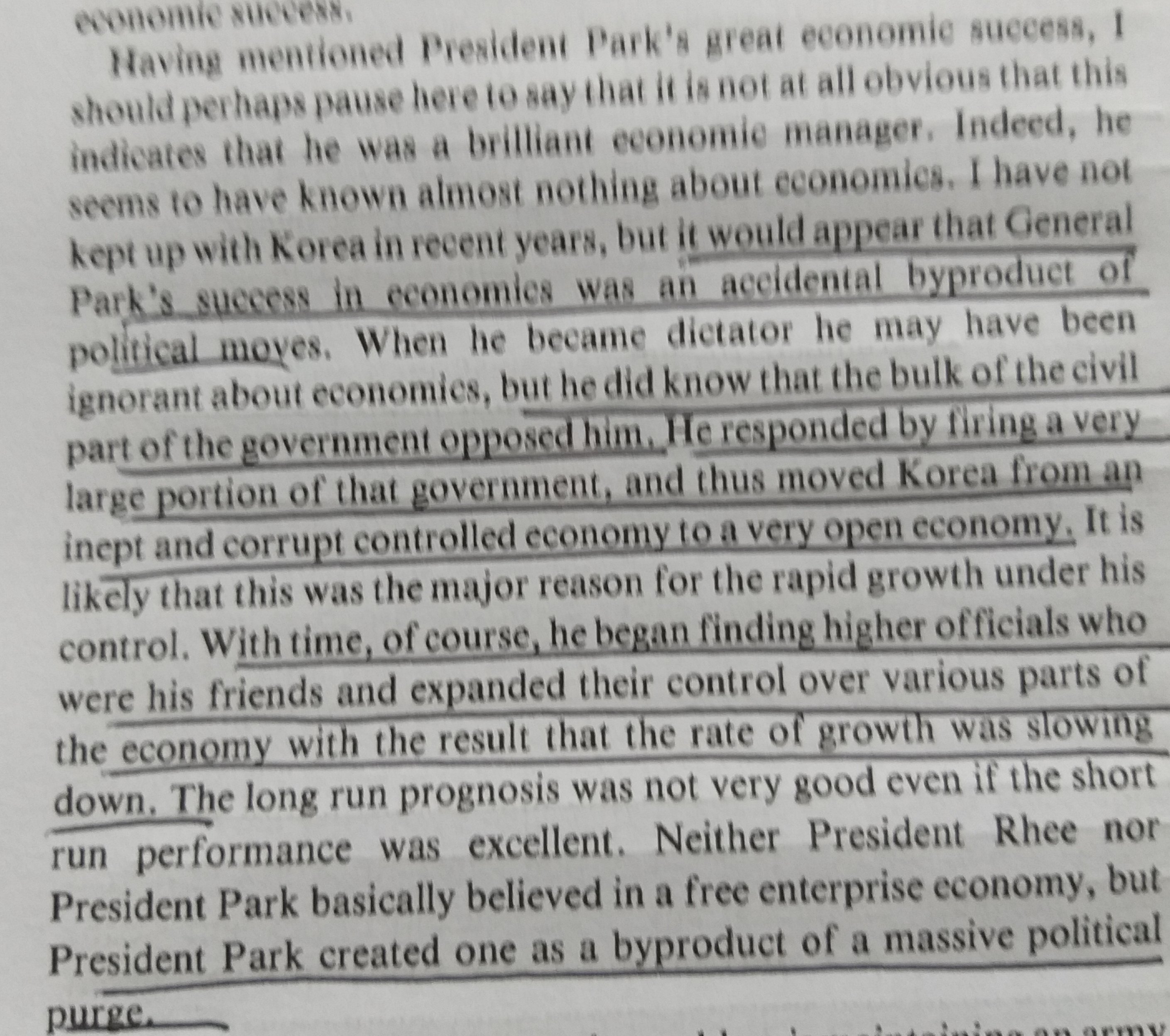
Gordon Tullock on the accidental Korean economic miracle
04 Oct 2020 Leave a comment
in comparative institutional analysis, constitutional political economy, defence economics, development economics, economic growth, economic history, economics of bureaucracy, economics of crime, economics of regulation, entrepreneurship, Gordon Tullock, growth disasters, growth miracles, history of economic thought, industrial organisation, international economics, law and economics, macroeconomics, property rights, Public Choice, rentseeking, survivor principle Tags: South Korea
.@BernieSanders @AOC @Greens @NZGreens
02 Oct 2020 Leave a comment
in business cycles, development economics, discrimination, economic growth, economic history, economics of bureaucracy, economics of crime, economics of education, Economics of international refugee law, economics of love and marriage, economics of regulation, economics of religion, energy economics, entrepreneurship, environmental economics, financial economics, fiscal policy, gender, global warming, growth disasters, growth miracles, health and safety, health economics, history of economic thought, human capital, income redistribution, industrial organisation, international economics, International law, job search and matching, labour economics, labour supply, law and economics, macroeconomics, Marxist economics, minimum wage, occupational choice, occupational regulation, politics - Australia, politics - New Zealand, politics - USA, poverty and inequality, privatisation, property rights, Public Choice, public economics, rentseeking, survivor principle, unemployment, unions, welfare reform Tags: Age of Enlightenment, moral psychology, offsetting behaviour, political psychology, regressive left, The fatal conceit, The Great Enrichment, unintended consequences, useful idiots
Economic Reform in New Zealand | Ruth Richardson
23 Sep 2020 Leave a comment
in applied price theory, applied welfare economics, comparative institutional analysis, constitutional political economy, economic growth, economic history, economics of bureaucracy, economics of education, economics of regulation, entrepreneurship, financial economics, history of economic thought, human capital, income redistribution, industrial organisation, international economics, labour economics, labour supply, law and economics, macroeconomics, Marxist economics, minimum wage, occupational choice, occupational regulation, politics - New Zealand, poverty and inequality, privatisation, property rights, Public Choice, public economics, rentseeking, survivor principle, unemployment, unions, welfare reform Tags: creative destruction, offsetting behaviour, The fatal conceit, unintended consequences
Judge Frank Easterbrook on antitrust law history
23 Sep 2020 Leave a comment
in Adam Smith, applied price theory, applied welfare economics, Austrian economics, comparative institutional analysis, economic history, economics of bureaucracy, economics of crime, economics of education, economics of information, economics of regulation, entrepreneurship, history of economic thought, industrial organisation, law and economics, politics - USA, Public Choice, rentseeking, Richard Posner, Ronald Coase, Ronald Coase, survivor principle Tags: competition and monopoly, competition law, creative destruction, offsetting behaviour, patents and copyright, The fatal conceit, The meaning of competition, unintended consequences
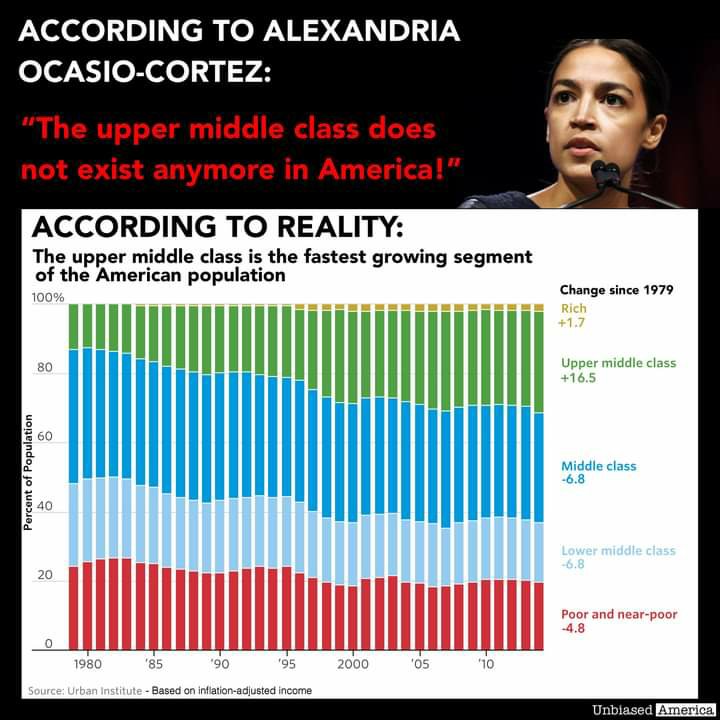
The withering away of the proletariat @AOC @BernieSanders
16 Sep 2020 Leave a comment
in economic history, economics of education, entrepreneurship, human capital, industrial organisation, labour economics, labour supply, politics - USA, poverty and inequality Tags: envy, The Great Enrichment
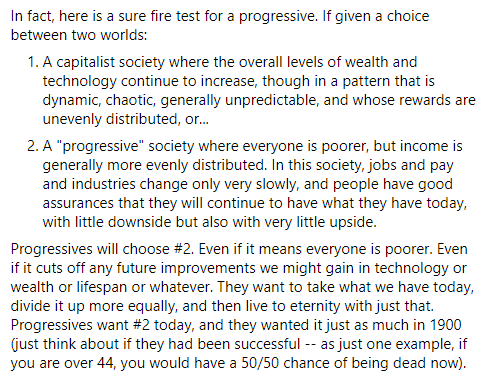
What would @AOC @oxfam @Greenpeace @berniesanders @Greens @NZGreens choose?
15 Sep 2020 Leave a comment
in applied welfare economics, comparative institutional analysis, constitutional political economy, development economics, economic growth, economic history, economics of bureaucracy, economics of regulation, entrepreneurship, growth disasters, growth miracles, health economics, history of economic thought, human capital, income redistribution, industrial organisation, Joseph Schumpeter, labour economics, labour supply, law and economics, liberalism, libertarianism, macroeconomics, Marxist economics, minimum wage, occupational choice, occupational regulation, politics - Australia, politics - New Zealand, politics - USA, poverty and inequality, property rights, Public Choice, public economics, rentseeking, survivor principle, unemployment, unions Tags: The fatel conceit, The Great Enrichment
Richard Posner on the Breakup of AT&T: A Twenty-Five Year Retrospective” on YouTube
15 Sep 2020 Leave a comment
in applied price theory, comparative institutional analysis, economics of bureaucracy, entrepreneurship, industrial organisation, law and economics, managerial economics, organisational economics, politics - USA, Public Choice, public economics Tags: competition, creative destruction
The rise and fall of the Chinese Economy
15 Sep 2020 Leave a comment
in comparative institutional analysis, constitutional political economy, development economics, entrepreneurship, growth miracles, history of economic thought, industrial organisation, law and economics, property rights, survivor principle Tags: China
Jordan Peterson: The fatal flaw in leftist American politics | Big Think
12 Sep 2020 Leave a comment
in comparative institutional analysis, constitutional political economy, development economics, economic history, economics of education, entrepreneurship, history of economic thought, human capital, income redistribution, industrial organisation, labour economics, liberalism, libertarianism, Marxist economics, poverty and inequality, Public Choice, public economics, Rawls and Nozick Tags: anti-market bias, envy, pessimism bias, regressive left, top 1%

3rd. Global Conference Business Cycles – Edward C Prescott
10 Sep 2020 Leave a comment
in applied price theory, applied welfare economics, budget deficits, business cycles, comparative institutional analysis, development economics, economic growth, economic history, economics of regulation, Edward Prescott, entrepreneurship, Euro crisis, financial economics, fiscal policy, global financial crisis (GFC), great depression, great recession, growth disasters, growth miracles, history of economic thought, industrial organisation, international economics, labour economics, labour supply, macroeconomics, monetarism, monetary economics, public economics, unemployment Tags: real business cycles
Did @NZComCom freet about Netscape’s natural monopoly?
08 Sep 2020 Leave a comment
in economics of bureaucracy, entrepreneurship, industrial organisation, law and economics, politics - New Zealand, politics - USA, Public Choice, survivor principle Tags: competition law, creative destruction
Another Great Escape
03 Sep 2020 Leave a comment
in economic history, entrepreneurship, health economics Tags: The Great Escape

INCU Global Conference 2014 – Thomas J. Sargent – Keynote Address on the effects of opening borders
02 Sep 2020 Leave a comment
in applied price theory, applied welfare economics, budget deficits, business cycles, comparative institutional analysis, constitutional political economy, currency unions, econometerics, economic history, economics of bureaucracy, economics of regulation, entrepreneurship, financial economics, fiscal policy, growth disasters, growth miracles, history of economic thought, human capital, income redistribution, industrial organisation, international economic law, international economics, International law, labour economics, labour supply, law and economics, macroeconomics, politics - Australia, politics - New Zealand, politics - USA, poverty and inequality, property rights, Public Choice, rentseeking, survivor principle, transport economics, unemployment Tags: custom unions, free trade, tariffs
 Utopia, you are standing in it!
Recent Comments