40 years ago New Zealand had a nationwide, coherent system of psychiatric hospitals – 8,000 psychiatric in-patient beds – each hospital fully staffed with psychiatrists, specialist psychiatric general practitioners, psychologists, trained psychiatric nurses, social workers, occupational therapists, etc. Then, according to The Encyclopedia of New Zealand: “In response to a mix of ideological and fiscal imperatives,…
ANDY ESPERSEN: Schizophrenic neglect must be addressed
ANDY ESPERSEN: Schizophrenic neglect must be addressed
24 Mar 2024 Leave a comment
in health economics, politics - New Zealand Tags: economics of mental illness
The tohunga suppression myth that won’t die
08 Mar 2024 Leave a comment
in economic history, economics of regulation, health economics, liberalism, Marxist economics, politics - New Zealand Tags: Age of Enlightenment, cranks, free speech, political correctness, racial discrimination, regressive left
Graham Adams writes — Jonathan Swift’s observation in 1710 that “Falsehood flies, and the Truth comes limping after it” seems entirely apt for last week’s parliamentary debate on disestablishing the Māori Health Authority. No fewer than three MPs — MPs Cushla Tangaere-Manuel (Labour), Hana-Rawhiti Maipi-Clarke (Te Pāti Māori), and Steve Abel (Greens) — referred to […]
The tohunga suppression myth that won’t die
What can be learned from Singaporean health care institutions?
06 Mar 2024 Leave a comment
in applied price theory, comparative institutional analysis, development economics, growth miracles, health economics, industrial organisation Tags: health insurance, Singapore
Besides the usual, that is. Max Thilo of the UK has a new and excellent study on this, here is one excerpt from the foreword by Lord Warner: Second, and critical, the Singaporeans are not fixated on delivering services from acute hospitals – the most expensive part of any healthcare system because of its fixed […]
What can be learned from Singaporean health care institutions?
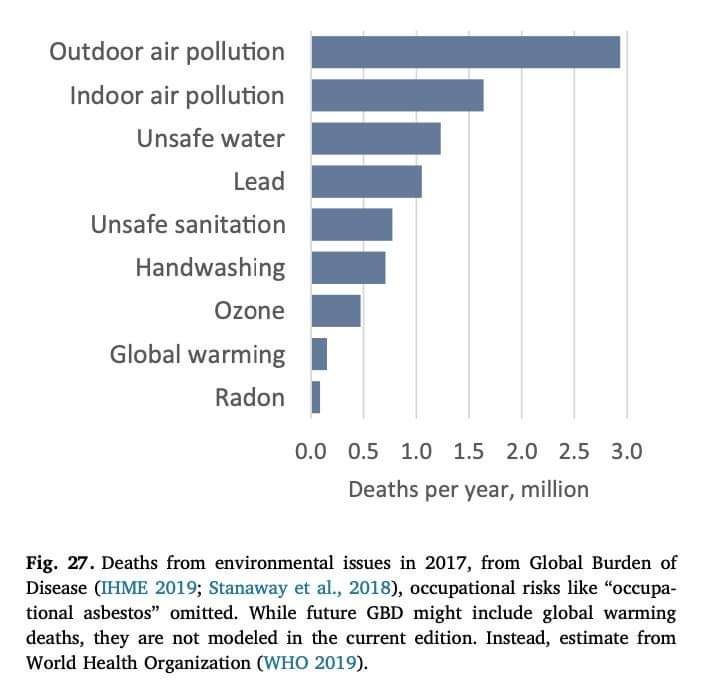
Climate alarmism
04 Mar 2024 Leave a comment
in development economics, energy economics, environmental economics, global warming, health economics Tags: air pollution, climate alarmism, indoor air pollution, life expectancies
Productivity Commission gone tomorrow, Māori Health Authority gone in June – so what should we do with the Waitangi Tribunal?
28 Feb 2024 Leave a comment
in economics of bureaucracy, health economics, law and economics, politics - New Zealand, property rights, Public Choice, rentseeking
The Productivity Commission will cease operations tomorrow, to make way for the new Ministry for Regulation. On the same day, the Waitangi Tribunal will begin an urgent inquiry into the government’s proposal to disestablish the Māori Health Authority. But legislation passed under urgency by Parliament will result in the authority being shut down by the end […]
Productivity Commission gone tomorrow, Māori Health Authority gone in June – so what should we do with the Waitangi Tribunal?
Genetic Insurance
28 Feb 2024 Leave a comment
in applied price theory, economics of information, entrepreneurship, health economics Tags: adverse selection, health insurance, moral hazard, screening, self-selection, signaling
Genetic testing identifies disease risk, enabling individuals to dodge environmental triggers, optimize treatments, and improve planning. Yet, the fear of increased insurance premiums deters many from undergoing tests. Genetic testing offers societal benefits but also presents significant distributional challenges. To address this, my 1994 paper proposed the idea of genetic insurance. For a small fee […]
Genetic Insurance
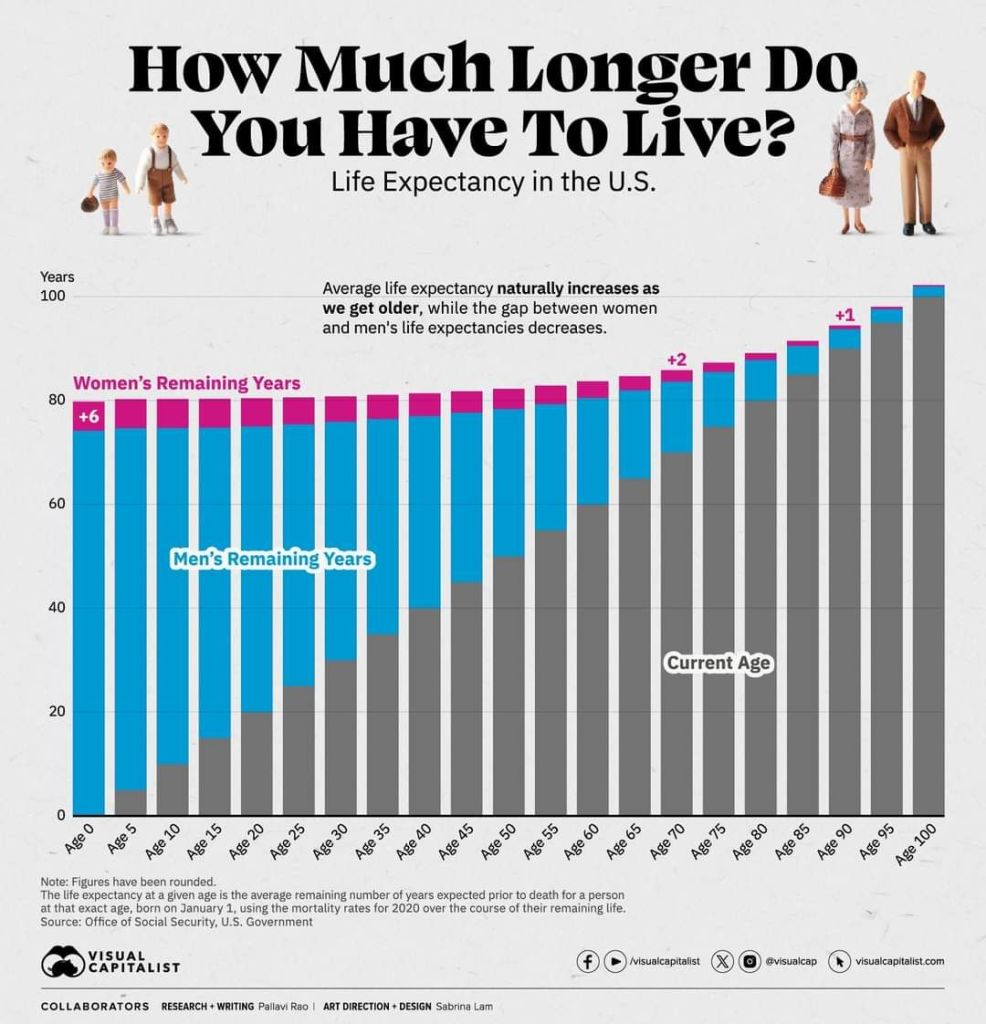
Life expectancies
27 Feb 2024 Leave a comment
in health economics Tags: life expectancies, The Great Escape
ROBERT MacCULLOCH: Former PM Hipkins & Profs Bloomfield & Baker should be held accountable for quoting statistics that have now been shown to be wrongly estimated
27 Feb 2024 1 Comment
in applied welfare economics, econometerics, economic history, economics of regulation, health economics, politics - New Zealand Tags: economics of pandemics
Why are we still talking about Covid when many countries – like the US – have moved on? Well the US economy is currently booming and ours is stuck in the mud. The reason has emerged over time. Although our response to the virus was to be commended in early 2020 when no-one knew what…
ROBERT MacCULLOCH: Former PM Hipkins & Profs Bloomfield & Baker should be held accountable for quoting statistics that have now been shown to be wrongly estimated
Texas professor fired, then reinstated after a lawsuit, for teaching that chromosomes determine human sex
23 Feb 2024 Leave a comment
in discrimination, economics of bureaucracy, economics of education, gender, health economics, labour economics, law and economics, politics - USA, Public Choice Tags: Age of Enlightenment, employment law, free speech, political correctness, regressive left, sex discrimination

In general, one can’t say that chromosomes “determine sex” in animals, as there are other genetic or environmental features that determine what sex an individual becomes. As Coyne and Maroja (2023) note: Different sexes can determined during development bybe based on different chromosomes and their genes (e.g., XX vs. XY in humans, ZW vs. ZZ in birds, […]
Texas professor fired, then reinstated after a lawsuit, for teaching that chromosomes determine human sex
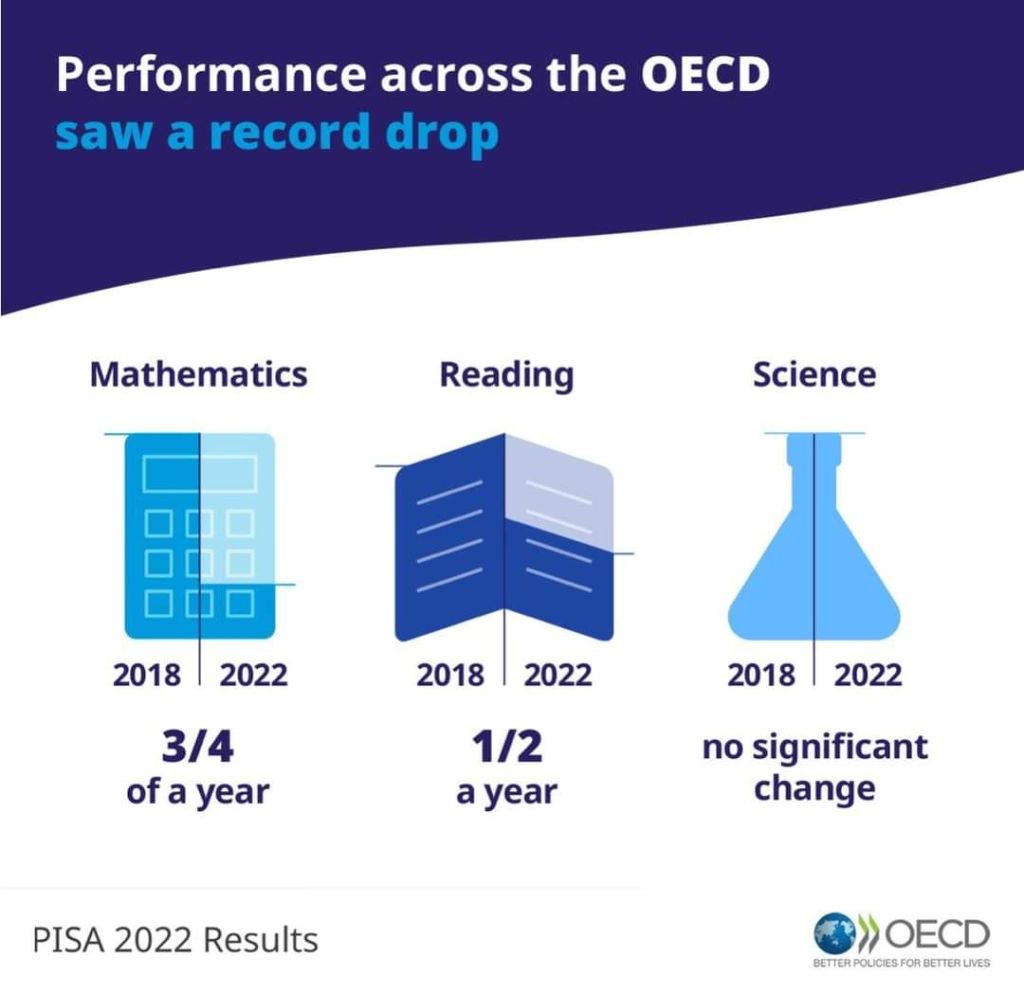
#COVID19 educational scarring
16 Feb 2024 Leave a comment
in economics of education, health economics, human capital, labour economics, labour supply Tags: economics of pandemics
Weaponizing ‘The Science’
14 Feb 2024 Leave a comment
in economics of education, economics of information, economics of media and culture, health economics, liberalism, Marxist economics, politics - USA Tags: Age of Enlightenment, conjecture and refutation, free speech, philosophy of science, political correctness, regressive left
Pielke Jr. argues like this: “The notion of consensus-as-truth has been operationalized in various forms: journalistic “fact checkers,” academic “misinformation” researchers, and content moderation on social media platforms. The practical effect is the creation of self-appointed arbiters of truth — journalists, academics, social media platforms, and even governments — who render judgments on acceptable and unacceptable speech according to conformance with an acceptable view.”
Weaponizing ‘The Science’
What Did Soldiers Eat in the Trenches of World War One?
09 Feb 2024 Leave a comment
in defence economics, health economics, war and peace Tags: World War I
Could You Survive on British World War Two Rations?
07 Feb 2024 Leave a comment
in defence economics, health economics, war and peace Tags: rationing, World War II
King Charles, cancer, and homeopathy
07 Feb 2024 Leave a comment
in health economics Tags: British politics, cranks
This morning I received an email from a colleague that said this about the New York Times‘s article on King Charles’s cancer diagnosis: In the NY Times report there is one sentence mentioning that he is using homeopathy as part of his suite of treatments. UPDATE: My colleague, who is reliable, swears he saw this […]
King Charles, cancer, and homeopathy


Recent Comments