The Economics of Inequality | John Cochrane
30 Nov 2021 Leave a comment
in applied price theory, applied welfare economics, economic history, economics of education, entrepreneurship, financial economics, history of economic thought, human capital, industrial organisation, labour economics, labour supply, occupational choice, poverty and inequality, survivor principle Tags: creative destruction, top 1%
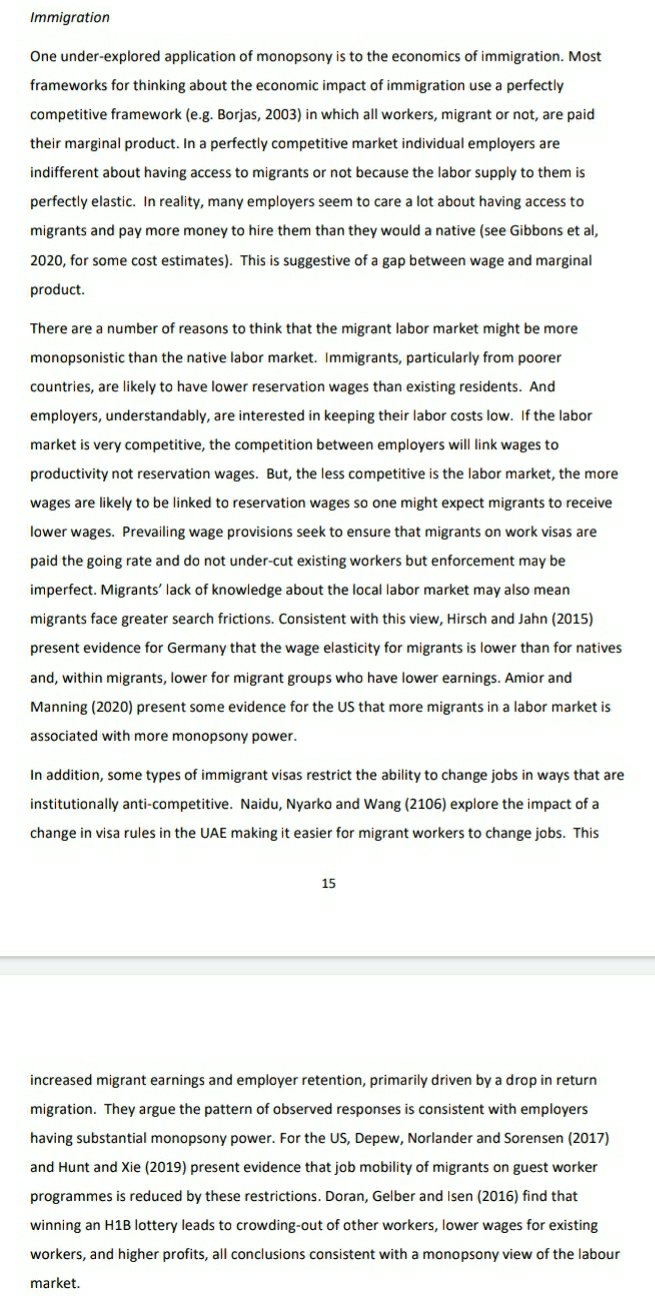
Alan Manning on the quirky implications of modern monopsony for immigration
29 Nov 2021 Leave a comment
in applied price theory, history of economic thought, labour economics, labour supply Tags: economics of immigration, monopsony
The 2012 Martin Feldstein Lecture: Executive Compensation and Corporate Governance in the US: Perceptions, Facts, and Challenges
29 Nov 2021 Leave a comment
in applied price theory, applied welfare economics, economic history, economics of education, entrepreneurship, history of economic thought, human capital, income redistribution, industrial organisation, international economics, labour economics, labour supply, occupational choice, politics - USA, poverty and inequality, Public Choice, survivor principle Tags: creative destruction, superstars, top 1%
Economic Growth in the Long Run: Artificial Intelligence Explosion or an Empty Planet? Ben Jones & Chad Jones
27 Nov 2021 Leave a comment
in applied price theory, applied welfare economics, behavioural economics, comparative institutional analysis, development economics, discrimination, economic growth, economic history, economics of education, economics of regulation, entrepreneurship, gender, growth disasters, growth miracles, history of economic thought, human capital, industrial organisation, labour economics, labour supply, law and economics, macroeconomics, occupational choice, population economics, poverty and inequality, property rights, public economics, survivor principle Tags: creative destruction, economics of fertility, endogenous growth theory
12th Annual Feldstein Lecture – 2020 Claudia Goldin
27 Nov 2021 Leave a comment
in applied price theory, comparative institutional analysis, discrimination, economic history, economics of education, gender, history of economic thought, human capital, industrial organisation, labour economics, labour supply, occupational choice, occupational regulation, poverty and inequality
George Selgin the Fed’s century of failure
26 Nov 2021 Leave a comment
in applied price theory, applied welfare economics, Austrian economics, business cycles, comparative institutional analysis, economic history, global financial crisis (GFC), great depression, great recession, history of economic thought, macroeconomics, monetarism, monetary economics Tags: monetary policy
Re-Absorbing East Germany After the Fall of the Berlin Wall
25 Nov 2021 Leave a comment
in comparative institutional analysis, constitutional political economy, defence economics, development economics, economic history, growth disasters, growth miracles, history of economic thought, human capital, income redistribution, industrial organisation, international economic law, international economics, International law, labour economics, labour supply, law and economics, liberalism, Marxist economics, occupational choice, poverty and inequality, property rights, Public Choice, survivor principle, war and peace Tags: Berlin wall, East Germany, fall of communism, Nazi Germany, World War II
The Private Supply of Money | George A. Selgin
24 Nov 2021 1 Comment
in applied price theory, applied welfare economics, Austrian economics, business cycles, economic history, global financial crisis (GFC), great depression, great recession, history of economic thought, macroeconomics, monetarism, monetary economics Tags: monetary policy
The Anachronism of State-controlled Money | George Selgin
22 Nov 2021 Leave a comment
in applied price theory, applied welfare economics, Austrian economics, business cycles, comparative institutional analysis, constitutional political economy, economic history, history of economic thought, industrial organisation, law and economics, macroeconomics, monetary economics, property rights Tags: monetary policy
Ed Prescott Says ‘Partial’ Default Is Likely for Greece
22 Nov 2021 Leave a comment
in applied price theory, applied welfare economics, budget deficits, business cycles, comparative institutional analysis, currency unions, economic growth, economic history, Edward Prescott, Euro crisis, fiscal policy, global financial crisis (GFC), great recession, history of economic thought, labour economics, labour supply, macroeconomics, monetary economics, unemployment Tags: real business cycles
Markets & Defense: Is Government Inevitable? – David Friedman and Randall Holcombe
22 Nov 2021 Leave a comment
in applied price theory, applied welfare economics, comparative institutional analysis, constitutional political economy, David Friedman, defence economics, economics of crime, history of economic thought, law and economics, property rights
Edward C Prescott on the EU, business cycles and European economic research
20 Nov 2021 Leave a comment
in applied price theory, applied welfare economics, budget deficits, business cycles, economic history, Edward Prescott, Euro crisis, fiscal policy, global financial crisis (GFC), great recession, history of economic thought, industrial organisation, labour economics, labour supply, macroeconomics Tags: real business cycles
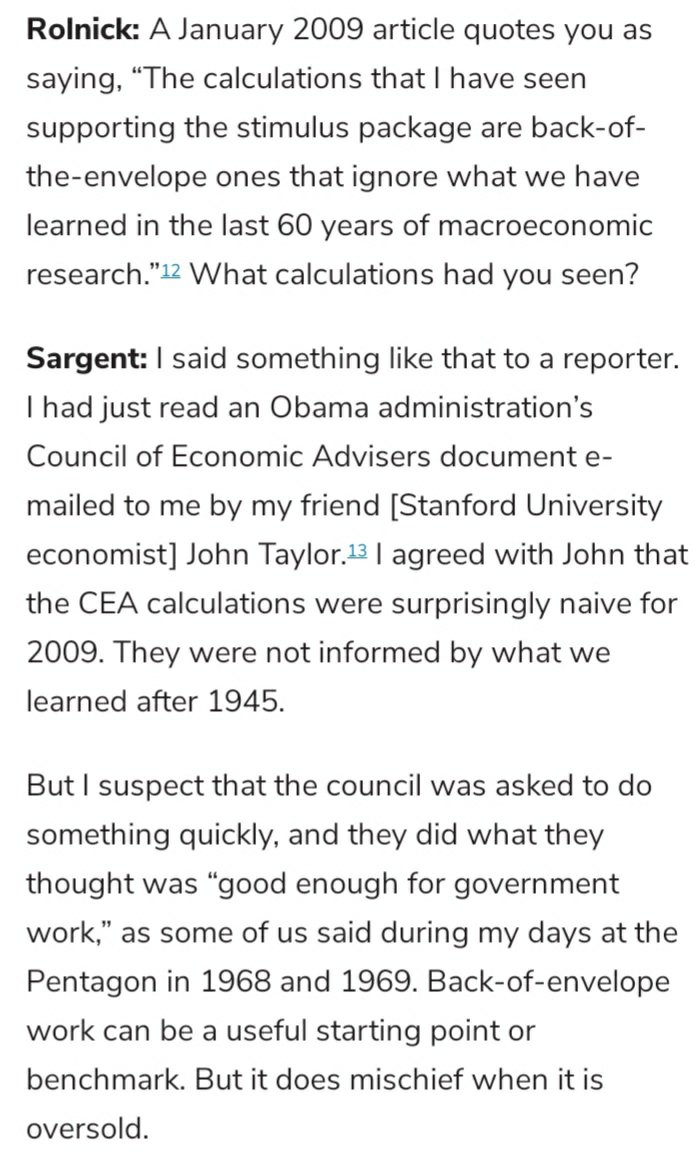
Creative destruction
18 Nov 2021 Leave a comment
in economic history, entrepreneurship, history of economic thought, industrial organisation, survivor principle Tags: creative destruction

Prescott on business cycles
16 Nov 2021 Leave a comment
in business cycles, Edward Prescott, history of economic thought, labour supply, macroeconomics, monetary economics, public economics
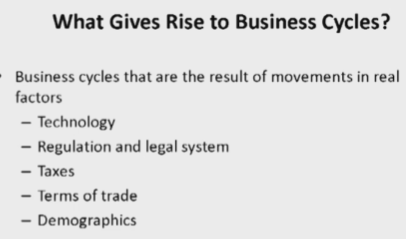
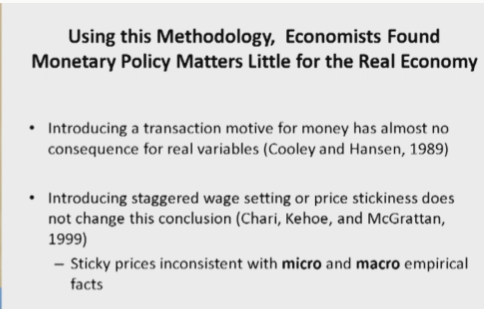
Edward C. Prescott 2015 Nov 11. Video – Edward C. Prescott (2014) – The Revolution in Aggregate Economics https://www.mediatheque.lindau-nobel.org/videos/33975/edward-prescott/laureate-prescott Accessed 2021 Nov 15.
 Utopia, you are standing in it!
Recent Comments