Future directions of research in the Coasean tradition: Sam Peltzman
16 Oct 2020 Leave a comment
in Alfred Marshall, applied price theory, applied welfare economics, comparative institutional analysis, economic history, economics of crime, economics of regulation, entrepreneurship, George Stigler, history of economic thought, industrial organisation, law and economics, property rights, Public Choice, Ronald Coase, Ronald Coase, Ronald Coase, Sam Peltzman, theory of the firm Tags: offsetting behaviour, The fatal conceit, unintended consequences
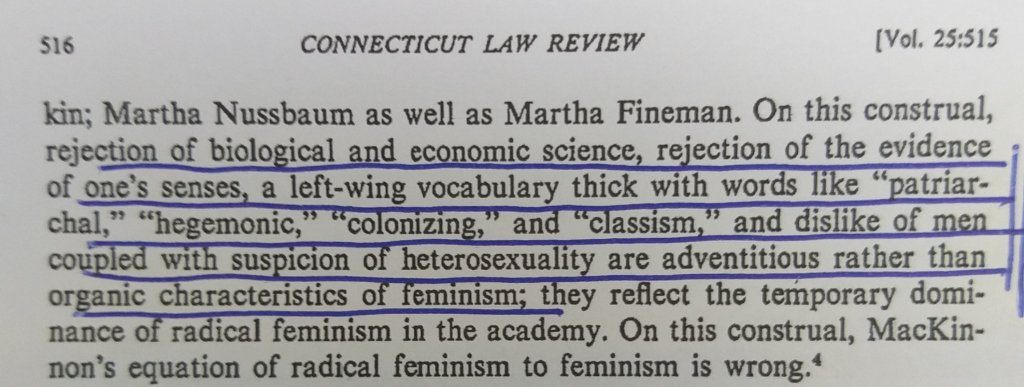
Richard Posner (1992) on feminists
14 Oct 2020 Leave a comment
in comparative institutional analysis, discrimination, economic history, economics of crime, economics of education, economics of media and culture, economics of religion, gender, history of economic thought, human capital, labour economics, labour supply, law and economics, occupational choice, poverty and inequality, property rights, Richard Posner Tags: gender wage gap, political correctness, regressive left, sex discrimination

.@AOC @BernieSanders @Greens @NZGreens
12 Oct 2020 Leave a comment
in Austrian economics, comparative institutional analysis, constitutional political economy, development economics, economic growth, economic history, entrepreneurship, growth disasters, growth miracles, history of economic thought, human capital, income redistribution, industrial organisation, international economics, labour economics, labour supply, law and economics, liberalism, macroeconomics, Marxist economics, politics - Australia, politics - New Zealand, politics - USA, poverty and inequality, property rights, Public Choice, survivor principle Tags: pessimism bias, regressive left, The Great Enrichment
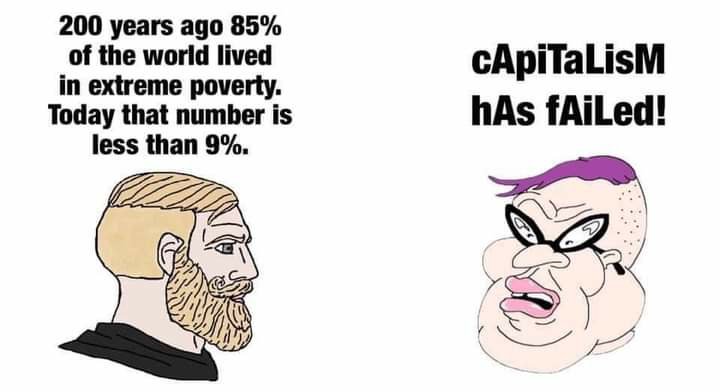
Steven Landsburg – Why is there something instead of nothing? – September 19,2020
11 Oct 2020 Leave a comment
in applied price theory, applied welfare economics, Austrian economics, comparative institutional analysis, constitutional political economy, development economics, economic history, economics of education, entrepreneurship, environmental economics, financial economics, health economics, history of economic thought, industrial organisation, international economics, labour economics, law and economics, macroeconomics, managerial economics, market efficiency, organisational economics, personnel economics, Public Choice, public economics Tags: offsetting behaviour, pessimism bias, The Great Enrichment, unintended consequences
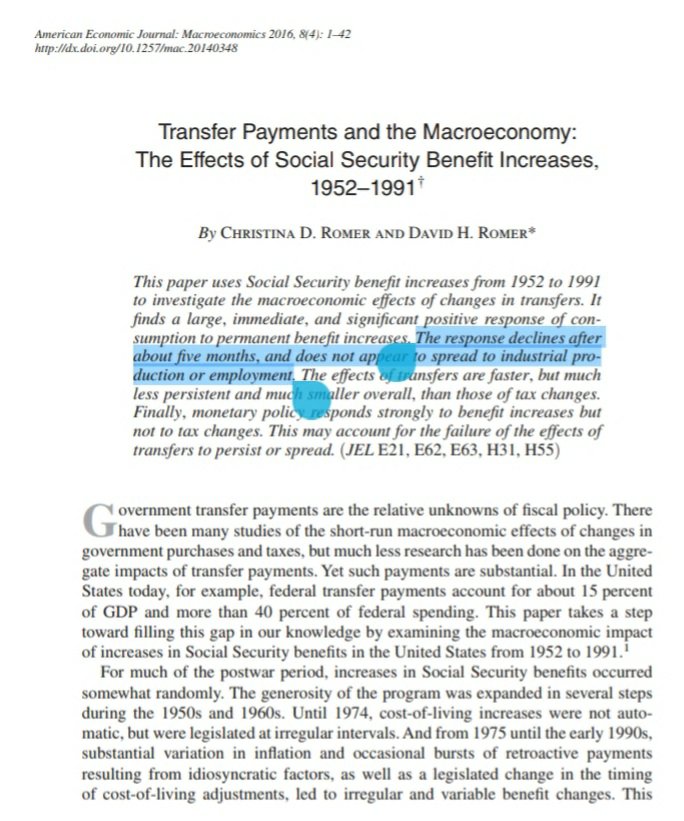
Fiscal multipliers and welfare benefit increases
10 Oct 2020 Leave a comment
in applied price theory, budget deficits, business cycles, econometerics, economic history, fiscal policy, history of economic thought, income redistribution, labour economics, labour supply, macroeconomics, politics - USA, poverty and inequality, Public Choice, public economics, welfare reform Tags: fiscal multiplier, Keynesian macroeconomics, New Keynesian macroeconomics
Kate Andrews on the Gender Pay Gap, Feminism, Socialism & the NHS
10 Oct 2020 Leave a comment
in discrimination, economic history, economics of bureaucracy, economics of crime, economics of education, economics of love and marriage, entrepreneurship, gender, health and safety, history of economic thought, human capital, income redistribution, labour economics, labour supply, law and economics, liberalism, Marxist economics, occupational choice, poverty and inequality, property rights, Public Choice, rentseeking Tags: gender wage gap
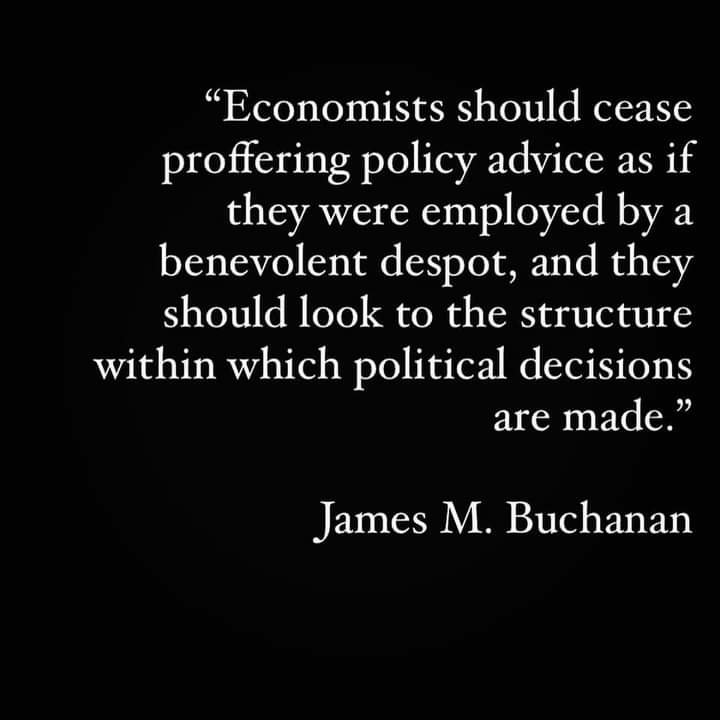
What should public service economists do?
05 Oct 2020 Leave a comment
in comparative institutional analysis, constitutional political economy, economics of bureaucracy, history of economic thought, James Buchanan, James Buchanan, Public Choice, public economics Tags: The fatal conceit
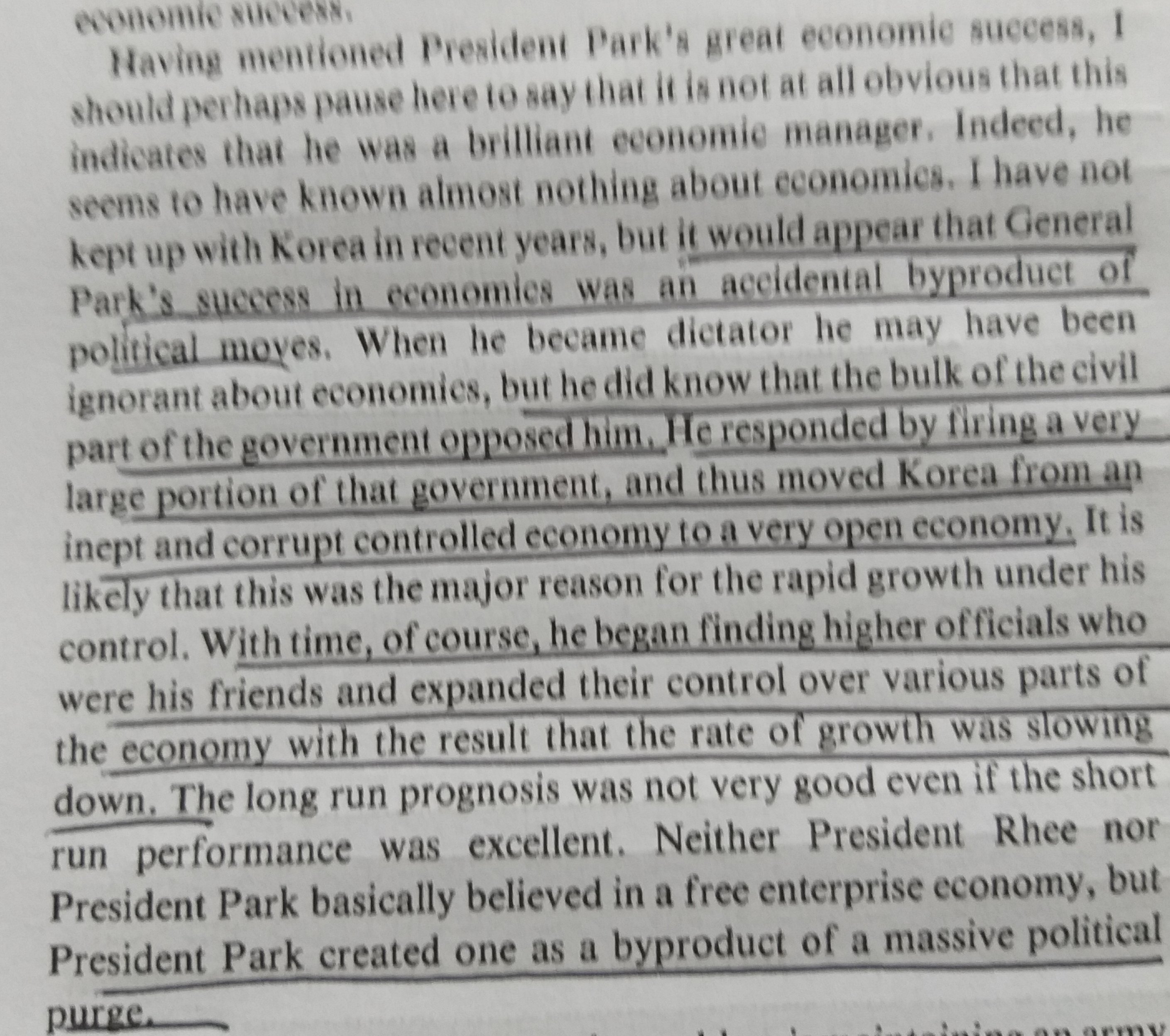
Gordon Tullock on the accidental Korean economic miracle
04 Oct 2020 Leave a comment
in comparative institutional analysis, constitutional political economy, defence economics, development economics, economic growth, economic history, economics of bureaucracy, economics of crime, economics of regulation, entrepreneurship, Gordon Tullock, growth disasters, growth miracles, history of economic thought, industrial organisation, international economics, law and economics, macroeconomics, property rights, Public Choice, rentseeking, survivor principle Tags: South Korea
.@BernieSanders @AOC @Greens @NZGreens
02 Oct 2020 Leave a comment
in business cycles, development economics, discrimination, economic growth, economic history, economics of bureaucracy, economics of crime, economics of education, Economics of international refugee law, economics of love and marriage, economics of regulation, economics of religion, energy economics, entrepreneurship, environmental economics, financial economics, fiscal policy, gender, global warming, growth disasters, growth miracles, health and safety, health economics, history of economic thought, human capital, income redistribution, industrial organisation, international economics, International law, job search and matching, labour economics, labour supply, law and economics, macroeconomics, Marxist economics, minimum wage, occupational choice, occupational regulation, politics - Australia, politics - New Zealand, politics - USA, poverty and inequality, privatisation, property rights, Public Choice, public economics, rentseeking, survivor principle, unemployment, unions, welfare reform Tags: Age of Enlightenment, moral psychology, offsetting behaviour, political psychology, regressive left, The fatal conceit, The Great Enrichment, unintended consequences, useful idiots
How Did Paul Krugman Get It So Wrong?
30 Sep 2020 Leave a comment
in budget deficits, business cycles, economic growth, economic history, Edward Prescott, Euro crisis, financial economics, fiscal policy, global financial crisis (GFC), great depression, great recession, history of economic thought, inflation targeting, job search and matching, macroeconomics, monetarism, monetary economics, Robert E. Lucas, unemployment Tags: Keynesian macroeconomics, New Keynesian macroeconomics
The Great Stagnation by Tyler Cowen
28 Sep 2020 Leave a comment
in applied price theory, comparative institutional analysis, constitutional political economy, development economics, econometerics, economic growth, economic history, growth disasters, growth miracles, history of economic thought, human capital, industrial organisation, labour economics, labour supply, law and economics, macroeconomics, poverty and inequality Tags: creative destruction, endogenous growth theory
Economic Reform in New Zealand | Ruth Richardson
23 Sep 2020 Leave a comment
in applied price theory, applied welfare economics, comparative institutional analysis, constitutional political economy, economic growth, economic history, economics of bureaucracy, economics of education, economics of regulation, entrepreneurship, financial economics, history of economic thought, human capital, income redistribution, industrial organisation, international economics, labour economics, labour supply, law and economics, macroeconomics, Marxist economics, minimum wage, occupational choice, occupational regulation, politics - New Zealand, poverty and inequality, privatisation, property rights, Public Choice, public economics, rentseeking, survivor principle, unemployment, unions, welfare reform Tags: creative destruction, offsetting behaviour, The fatal conceit, unintended consequences
Judge Frank Easterbrook on antitrust law history
23 Sep 2020 Leave a comment
in Adam Smith, applied price theory, applied welfare economics, Austrian economics, comparative institutional analysis, economic history, economics of bureaucracy, economics of crime, economics of education, economics of information, economics of regulation, entrepreneurship, history of economic thought, industrial organisation, law and economics, politics - USA, Public Choice, rentseeking, Richard Posner, Ronald Coase, Ronald Coase, survivor principle Tags: competition and monopoly, competition law, creative destruction, offsetting behaviour, patents and copyright, The fatal conceit, The meaning of competition, unintended consequences
 Utopia, you are standing in it!
Recent Comments