Angus Deaton: Epidemiology, randomised trials, and the search for what works in economic development
20 Sep 2020 Leave a comment
in comparative institutional analysis, development economics, econometerics, economic history, economics of bureaucracy, economics of education, economics of regulation, history of economic thought, labour economics, minimum wage, Public Choice Tags: philosophy of science, The fatal conceit
Posner on the left as feminism’s best home
19 Sep 2020 Leave a comment
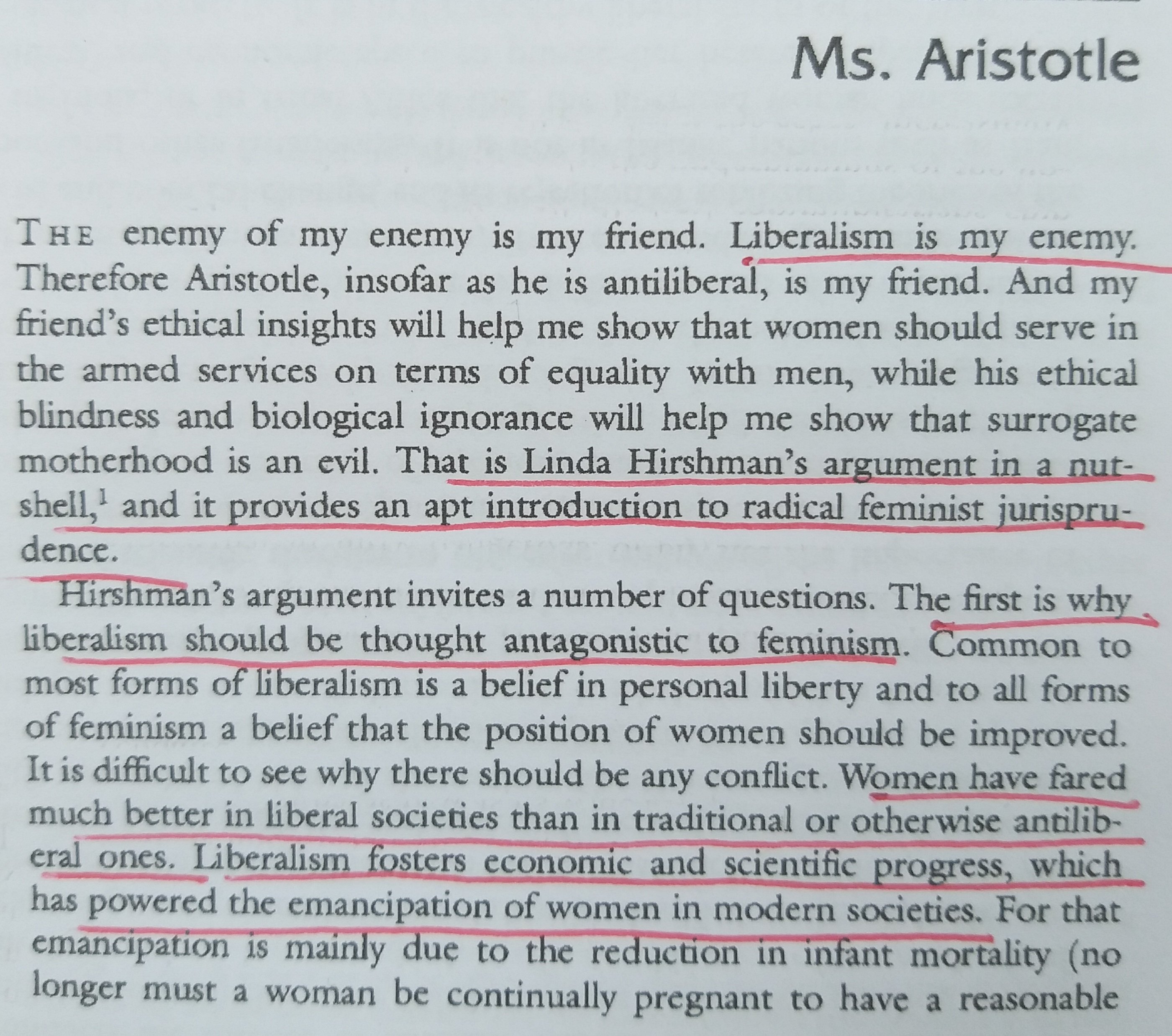
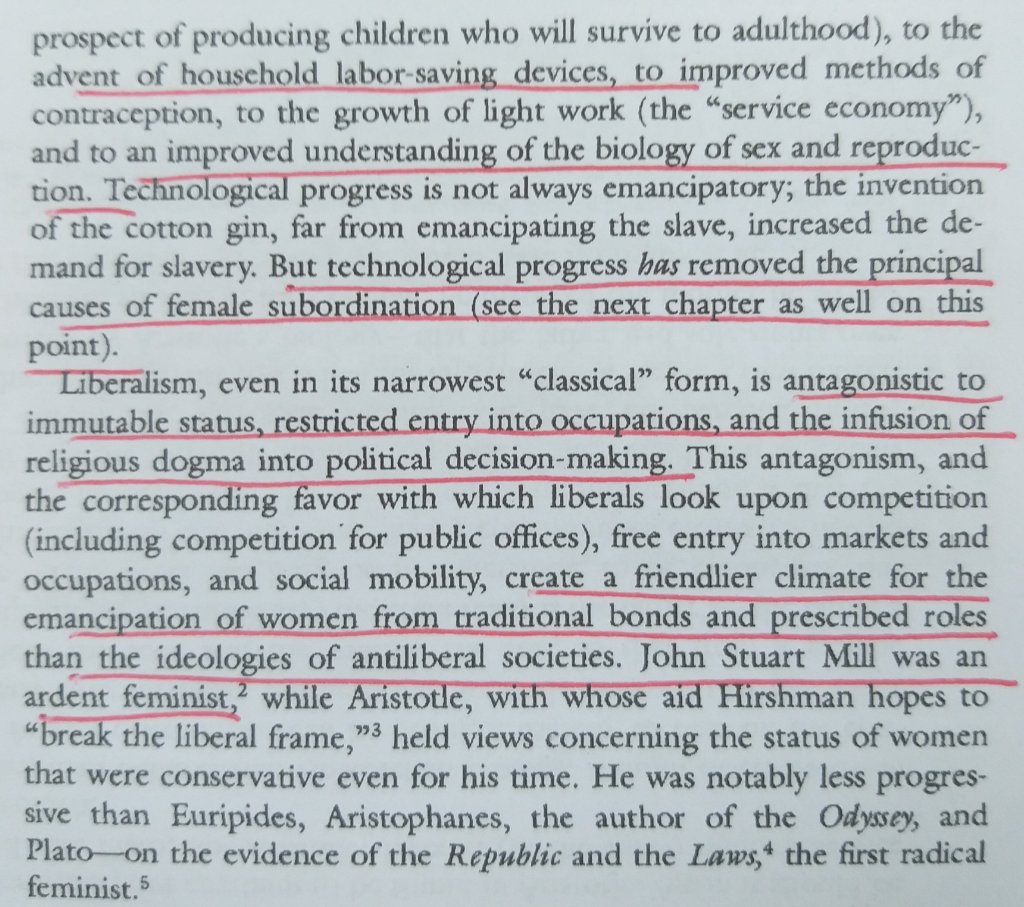
in development economics, discrimination, economic history, economics of bureaucracy, economics of education, gender, growth disasters, growth miracles, health and safety, health economics, history of economic thought, human capital, income redistribution, labour economics, labour supply, law and economics, liberalism, libertarianism, Marxist economics, occupational choice, occupational regulation, politics - Australia, politics - New Zealand, politics - USA, poverty and inequality, property rights, Public Choice, Richard Posner, unemployment, unions, welfare reform Tags: child mortality, infant mortality, sex discrimination, The Great Enrichment, The Great Escape, women's liberation
Angus Deaton – “The Great Escape: Health, Wealth, and the Origins of Inequality”
18 Sep 2020 Leave a comment
in development economics, economic history, economics of education, environmental economics, growth disasters, growth miracles, health and safety, health economics, history of economic thought, human capital, labour economics, labour supply, law and economics, poverty and inequality, property rights, Public Choice, public economics Tags: child mortality, infant mortality, The Great Escape
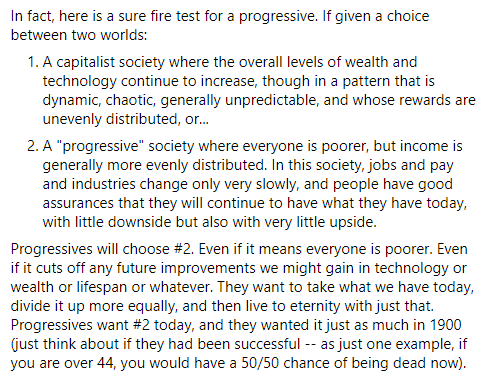
What would @AOC @oxfam @Greenpeace @berniesanders @Greens @NZGreens choose?
15 Sep 2020 Leave a comment
in applied welfare economics, comparative institutional analysis, constitutional political economy, development economics, economic growth, economic history, economics of bureaucracy, economics of regulation, entrepreneurship, growth disasters, growth miracles, health economics, history of economic thought, human capital, income redistribution, industrial organisation, Joseph Schumpeter, labour economics, labour supply, law and economics, liberalism, libertarianism, macroeconomics, Marxist economics, minimum wage, occupational choice, occupational regulation, politics - Australia, politics - New Zealand, politics - USA, poverty and inequality, property rights, Public Choice, public economics, rentseeking, survivor principle, unemployment, unions Tags: The fatel conceit, The Great Enrichment
The rise and fall of the Chinese Economy
15 Sep 2020 Leave a comment
in comparative institutional analysis, constitutional political economy, development economics, entrepreneurship, growth miracles, history of economic thought, industrial organisation, law and economics, property rights, survivor principle Tags: China
Jordan Peterson: The fatal flaw in leftist American politics | Big Think
12 Sep 2020 Leave a comment
in comparative institutional analysis, constitutional political economy, development economics, economic history, economics of education, entrepreneurship, history of economic thought, human capital, income redistribution, industrial organisation, labour economics, liberalism, libertarianism, Marxist economics, poverty and inequality, Public Choice, public economics, Rawls and Nozick Tags: anti-market bias, envy, pessimism bias, regressive left, top 1%
3rd. Global Conference Business Cycles – Edward C Prescott
10 Sep 2020 Leave a comment
in applied price theory, applied welfare economics, budget deficits, business cycles, comparative institutional analysis, development economics, economic growth, economic history, economics of regulation, Edward Prescott, entrepreneurship, Euro crisis, financial economics, fiscal policy, global financial crisis (GFC), great depression, great recession, growth disasters, growth miracles, history of economic thought, industrial organisation, international economics, labour economics, labour supply, macroeconomics, monetarism, monetary economics, public economics, unemployment Tags: real business cycles
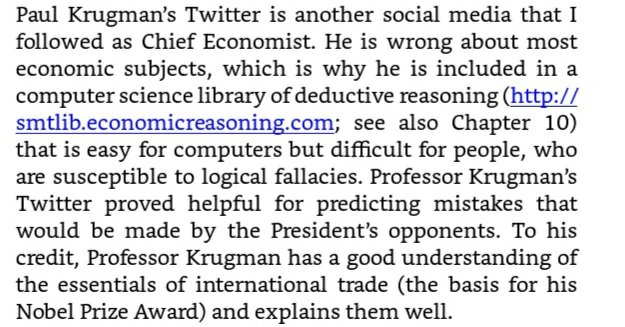
@caseybmulligan on @paulkrugman’s unwitting usefulness
05 Sep 2020 Leave a comment
in applied price theory, history of economic thought, industrial organisation, international economics, macroeconomics, politics - USA, Public Choice Tags: useful idiots
INCU Global Conference 2014 – Thomas J. Sargent – Keynote Address on the effects of opening borders
02 Sep 2020 Leave a comment
in applied price theory, applied welfare economics, budget deficits, business cycles, comparative institutional analysis, constitutional political economy, currency unions, econometerics, economic history, economics of bureaucracy, economics of regulation, entrepreneurship, financial economics, fiscal policy, growth disasters, growth miracles, history of economic thought, human capital, income redistribution, industrial organisation, international economic law, international economics, International law, labour economics, labour supply, law and economics, macroeconomics, politics - Australia, politics - New Zealand, politics - USA, poverty and inequality, property rights, Public Choice, rentseeking, survivor principle, transport economics, unemployment Tags: custom unions, free trade, tariffs
David Henderson on Monopsony
02 Sep 2020 Leave a comment
in applied price theory, applied welfare economics, Austrian economics, discrimination, econometerics, economic history, history of economic thought, income redistribution, labour economics, labour supply, law and economics, minimum wage, occupational choice, poverty and inequality, Public Choice, rentseeking, sports economics Tags: inequality of bargaining power, monopsony
Exploring Liberty, Part 4: Simple Rules for a Complex World
30 Aug 2020 Leave a comment
in comparative institutional analysis, constitutional political economy, economic history, economics of regulation, environmental economics, history of economic thought, industrial organisation, labour economics, law and economics, Public Choice, public economics, Richard Epstein Tags: rule of law
2013 BOK Conference Keynote Speeches : Thomas.J.Sargent on liquidity
29 Aug 2020 Leave a comment
in budget deficits, business cycles, economic growth, Euro crisis, financial economics, fiscal policy, global financial crisis (GFC), great depression, great recession, history of economic thought, macroeconomics, monetarism, monetary economics, Robert E. Lucas Tags: monetary policy
Demonetization: When 86% of India’s Currency Disappeared (Gabriel Chodorow-Reich, Harvard)
28 Aug 2020 Leave a comment
in business cycles, development economics, econometerics, economic growth, economic history, economics of bureaucracy, economics of crime, entrepreneurship, Euro crisis, financial economics, global financial crisis (GFC), growth disasters, growth miracles, history of economic thought, industrial organisation, labour economics, labour supply, law and economics, macroeconomics, monetarism, monetary economics, property rights, Public Choice, public economics, rentseeking Tags: bribery and corruption, currency unions, Euro, monetary policy
Exploring Liberty, Part 5: The Machinery of Freedom
28 Aug 2020 Leave a comment
in applied welfare economics, comparative institutional analysis, constitutional political economy, David Friedman, defence economics, economic history, economics of bureaucracy, economics of crime, economics of regulation, environmental economics, history of economic thought, income redistribution, law and economics, liberalism, libertarianism, property rights, Public Choice, public economics, rentseeking Tags: economics of anarchy
 Utopia, you are standing in it!
Recent Comments