Inequality, Productivity Stagnation and Moore’s Law | Tyler Cowen
24 Aug 2020 Leave a comment
in economic growth, economic history, economics of education, entrepreneurship, fisheries economics, history of economic thought, human capital, income redistribution, industrial organisation, international economics, labour economics, labour supply, politics - USA, poverty and inequality, Public Choice, survivor principle Tags: creative destruction, top 1%
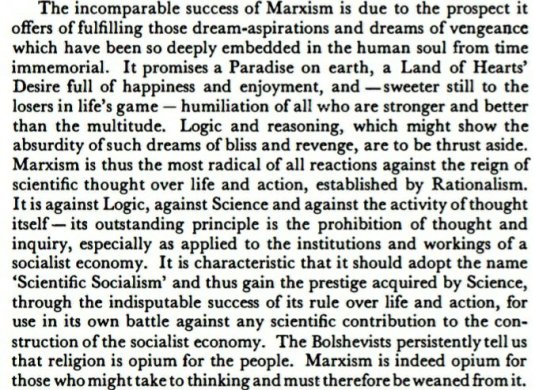
Mises on the appeal of Marxism @AOC @Greens @BernieSanders @NZGreens
22 Aug 2020 Leave a comment
in Austrian economics, comparative institutional analysis, constitutional political economy, development economics, economics of crime, economics of education, entrepreneurship, history of economic thought, human capital, income redistribution, industrial organisation, labour economics, labour supply, law and economics, Ludwig von Mises, Marxist economics, politics - Australia, politics - New Zealand, politics - USA, poverty and inequality, property rights, Public Choice, public economics, rentseeking Tags: anti-market bias, economics of socialism, envy, pessimism bias, regressive left, The fatal conceit
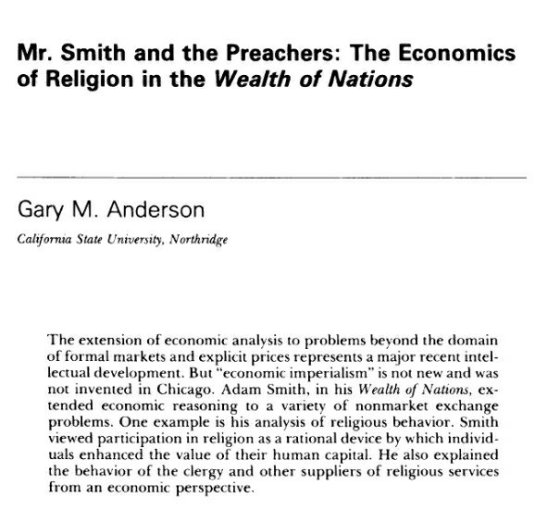
Adam Smith and religion
21 Aug 2020 Leave a comment
in Adam Smith, comparative institutional analysis, David Friedman, economics of education, history of economic thought, human capital, industrial organisation, labour economics, labour supply, occupational choice, poverty and inequality, property rights Tags: moral hazard, signaling
JPE 1988
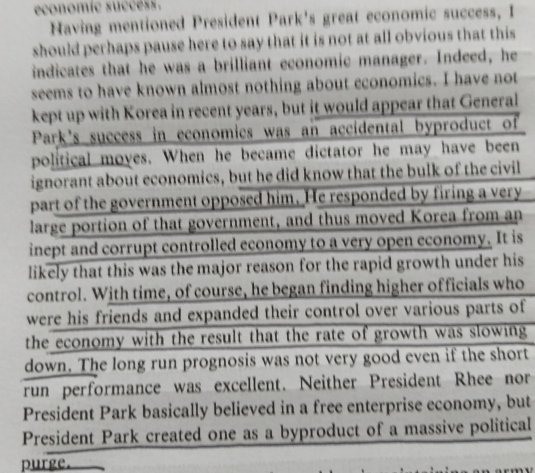
Gordon Tullock on an accidental economic miracle
20 Aug 2020 Leave a comment
in comparative institutional analysis, constitutional political economy, defence economics, development economics, economic history, economics of bureaucracy, economics of crime, economics of regulation, Gordon Tullock, growth disasters, growth miracles, history of economic thought, income redistribution, industrial organisation, international economics, labour economics, labour supply, law and economics, managerial economics, Marxist economics, organisational economics, property rights, Public Choice, rentseeking Tags: South Korea, The Great Escape
Essential Hayek: Knowledge and Prices
18 Aug 2020 Leave a comment
in applied price theory, Austrian economics, entrepreneurship, F.A. Hayek, history of economic thought
Nicholas Bloom on Management, Productivity, & Scientific Progress | Conversations with Tyler
13 Aug 2020 Leave a comment
in development economics, econometerics, economic history, economics of information, entrepreneurship, growth disasters, growth miracles, history of economic thought, industrial organisation, managerial economics, market efficiency, organisational economics, personnel economics, survivor principle
Karl Marx Hated Society’s Poorest
06 Aug 2020 Leave a comment
in history of economic thought, Marxist economics Tags: Karl Marx, regressive left
Freedom, Friedman, & Family Trajectory: David Friedman – Blue Frontiers Podcast E09
05 Aug 2020 Leave a comment
in applied price theory, applied welfare economics, comparative institutional analysis, constitutional political economy, David Friedman, economics of regulation, history of economic thought, law and economics, Milton Friedman, Public Choice, public economics
Q&A Session With Deirdre Mccloskey & David Friedman
25 Jul 2020 Leave a comment
in applied price theory, applied welfare economics, Austrian economics, comparative institutional analysis, constitutional political economy, David Friedman, economic history, economics of regulation, history of economic thought, industrial organisation, law and economics, Milton Friedman, property rights, Public Choice
Richard Posner (1997) on critical race theory
17 Jul 2020 Leave a comment
in comparative institutional analysis, discrimination, economic history, economics of bureaucracy, economics of education, economics of information, gender, history of economic thought, human capital, income redistribution, labour economics, labour supply, law and economics, Marxist economics, occupational choice, politics - Australia, politics - New Zealand, politics - USA, poverty and inequality, Public Choice, rentseeking, Richard Posner Tags: Age of Enlightenment, philosophy of science, political correctness, regressive left


Jason Brennan and Larry Temkin on Capitalism: The Good, The Bad, and The Ugly
12 Jul 2020 Leave a comment
in applied price theory, applied welfare economics, Austrian economics, development economics, economic history, entrepreneurship, health and safety, history of economic thought, human capital, income redistribution, industrial organisation, international economics, Joseph Schumpeter, labour economics, labour supply, law and economics, liberalism, libertarianism, Marxist economics, occupational choice, poverty and inequality, property rights, Public Choice, Rawls and Nozick, survivor principle, unemployment, unions, welfare reform Tags: capitalism and freedom
 Utopia, you are standing in it!
Recent Comments