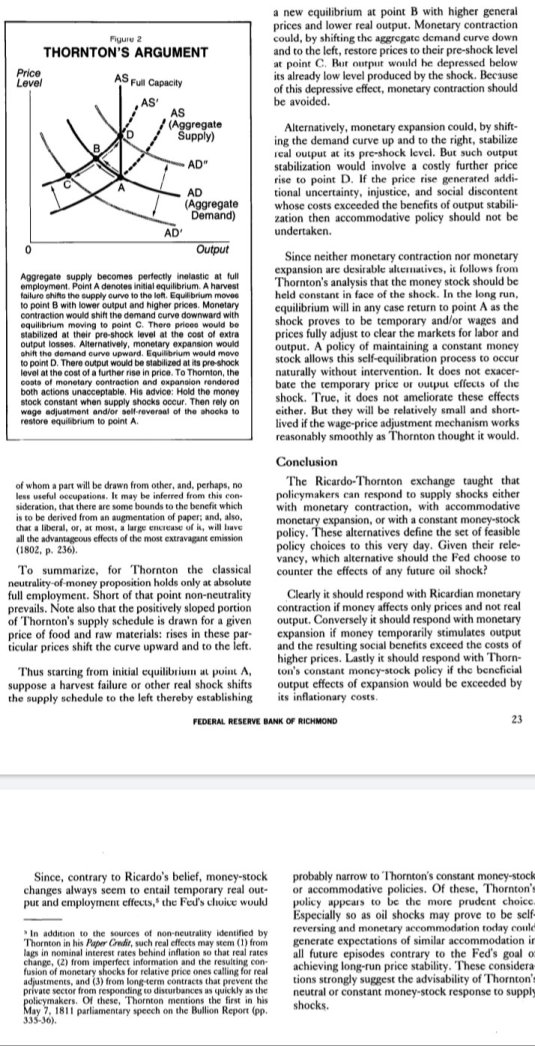
Thomas Humphrey recall Ricardo and Thornton on monetary policy and supply shocks
04 Mar 2020 Leave a comment
in business cycles, economic growth, fiscal policy, history of economic thought, labour economics, labour supply, macroeconomics, monetary economics, Thomas M. Humphrey Tags: monetary policy, real business cycle theory
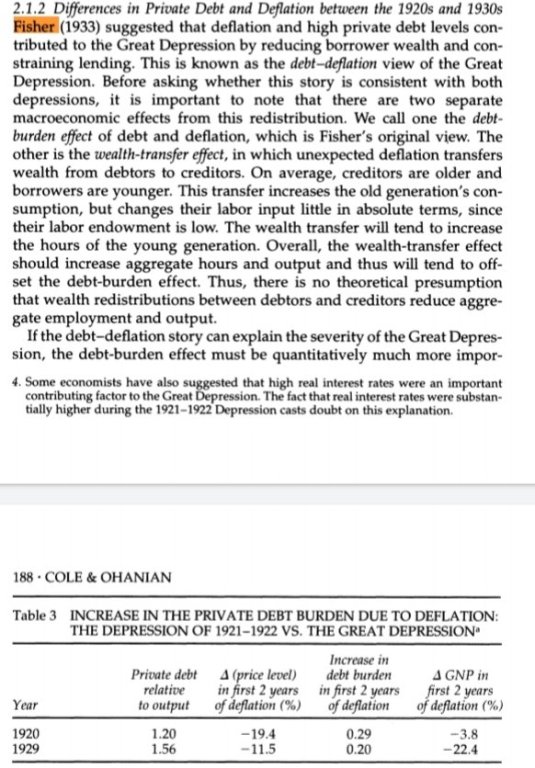
An old issue is in the news
02 Mar 2020 Leave a comment
in business cycles, history of economic thought, macroeconomics, monetary economics
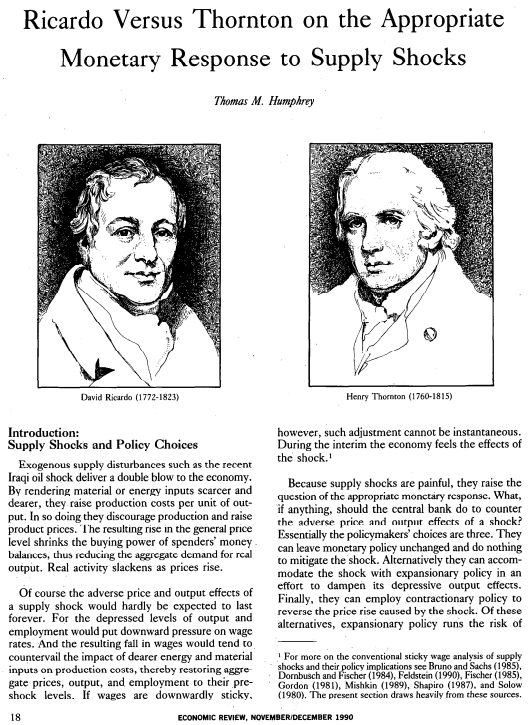
New classical macroeconomics and real business cycle theory are different macroeconomic schools
28 Feb 2020 Leave a comment

Lucas and Sargent (1979) on propagation in equilibrium business cycle models
28 Feb 2020 Leave a comment
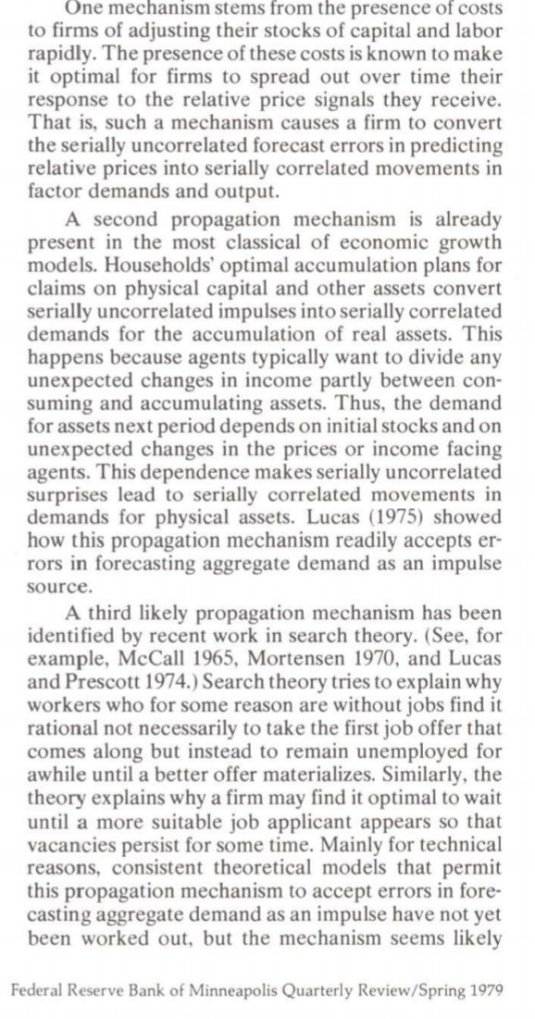
What is New Keynesian macroeconomics?
27 Feb 2020 Leave a comment
in business cycles, economic growth, fiscal policy, history of economic thought, labour economics, Milton Friedman, monetarism, monetary economics
Does neoclassical macroeconomics rule out depressions?
27 Feb 2020 Leave a comment
in business cycles, econometerics, economic history, Edward Prescott, global financial crisis (GFC), great depression, great recession, history of economic thought, job search and matching, labour economics, labour supply, macroeconomics, monetary economics, politics - USA, public economics, Robert E. Lucas, unemployment, unions Tags: Keynesian macroeconomics, new classical macroeconomics, New Keynesian macroeconomics, real business cycle theory
A methodological trip-wire for macroeconomic theories
26 Feb 2020 Leave a comment
in applied price theory, business cycles, history of economic thought, macroeconomics, monetary economics
Small bills are a big problem as I remember from handling dirty, disgusting Philippine pesos that were never taken out of circulation. Yuk
26 Feb 2020 Leave a comment
in development economics, history of economic thought, monetary economics
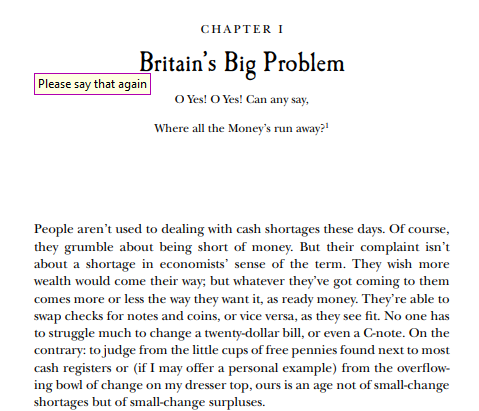
From https://www.press.umich.edu/pdf/9780472116317-ch1.pdf
The shortage of small bills in the Philippines became critical around election time because there is such a need for bribe money for voters. 300 pesos each was usually delivered to every door.
Nobel Prize Winner in Economist 1995 – Robert Emerson Lucas
20 Feb 2020 Leave a comment
in business cycles, history of economic thought, macroeconomics, monetary economics, Robert E. Lucas
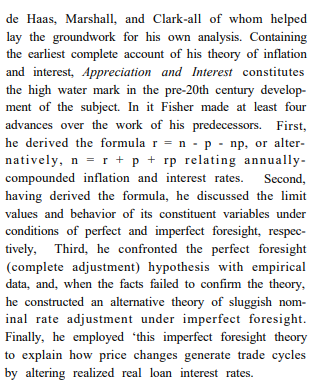
The key contributions of Fisher’s Appreciation and Interest (1896)
19 Feb 2020 Leave a comment
in business cycles, economics of information, history of economic thought, macroeconomics, monetary economics
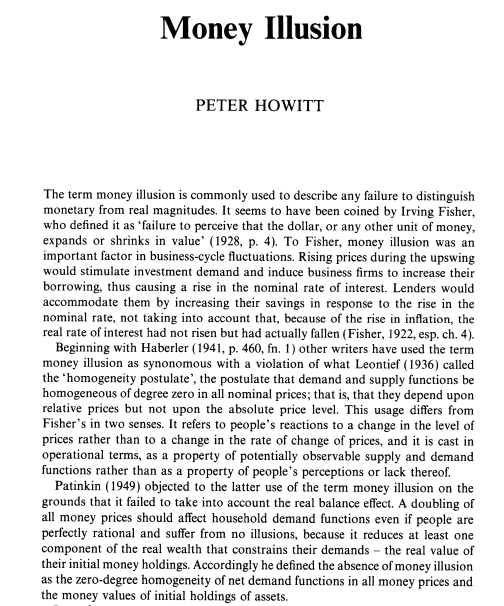
What is the money illusion?
19 Feb 2020 Leave a comment
in business cycles, economics of information, history of economic thought, macroeconomics, monetary economics
Thomas Sowell on Intellectuals and Society
19 Feb 2020 Leave a comment
in economics of bureaucracy, economics of education, economics of information, history of economic thought, human capital, income redistribution, law and economics, occupational choice, Public Choice, rentseeking, Thomas Sowell Tags: The fatal conceit
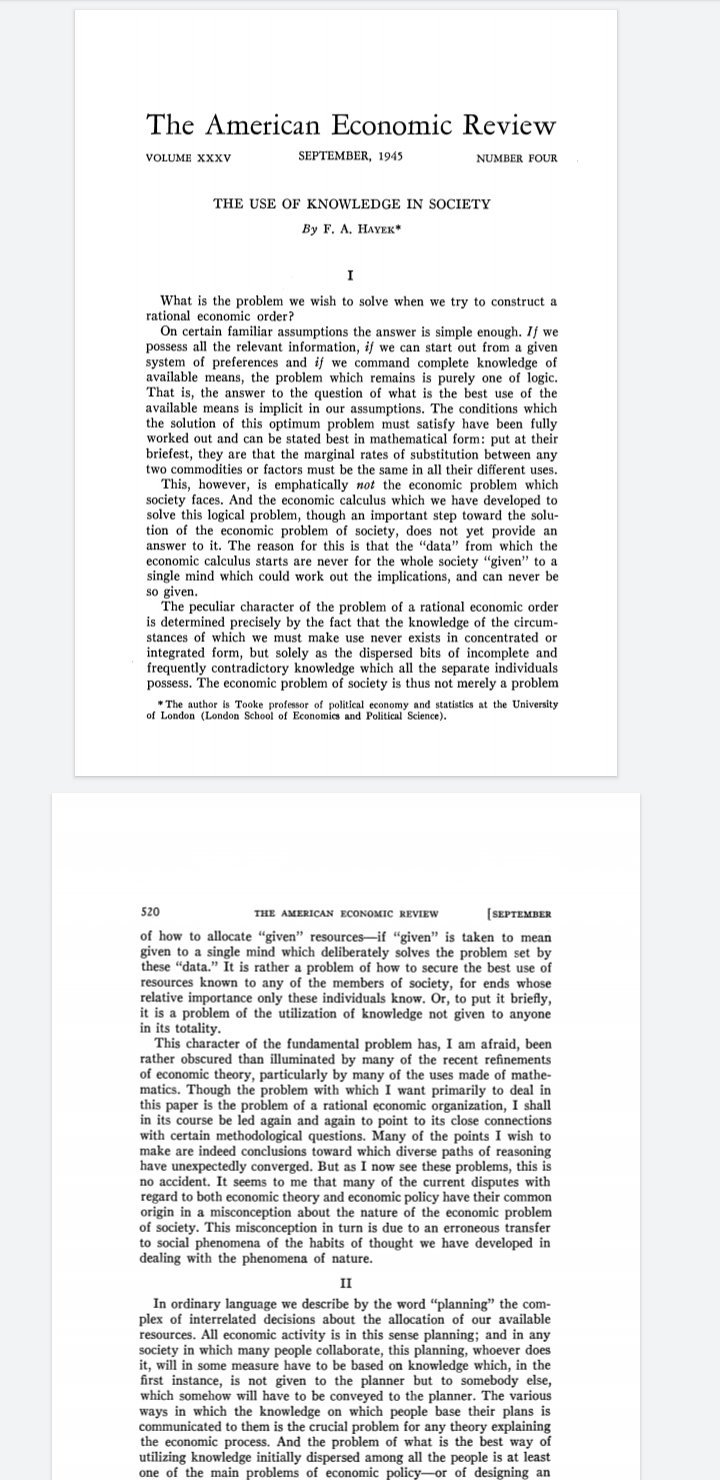
Hayek’s finest paper
16 Feb 2020 Leave a comment
in applied price theory, applied welfare economics, Austrian economics, comparative institutional analysis, economics of information, F.A. Hayek, history of economic thought, industrial organisation, property rights Tags: The fatal conceit, The meaning of competition, The pretence to knowledge
 Utopia, you are standing in it!
Recent Comments