
Democratic Socialism is a Scam
10 Aug 2018 Leave a comment
in applied price theory, applied welfare economics, comparative institutional analysis, constitutional political economy, economics of education, economics of regulation, entrepreneurship, income redistribution, industrial organisation, labour economics, politics - USA, Public Choice Tags: regressive left

Johan Norberg – Swedish Myths and Realities
08 Aug 2018 Leave a comment
in applied price theory, comparative institutional analysis, economic growth, economic history, economics of regulation, entrepreneurship, income redistribution, industrial organisation, international economics, labour economics, labour supply, macroeconomics, Public Choice, public economics, survivor principle, welfare reform Tags: Sweden
Free To Choose 1980 – The Power of the Market – Hong Kong
08 Aug 2018 Leave a comment
in applied price theory, comparative institutional analysis, development economics, economic growth, economic history, economics of regulation, growth miracles, industrial organisation, labour economics, law and economics, Milton Friedman, poverty and inequality Tags: Hong Kong, The Great Fact
The big debate about the future of work, explained by @voxdotcom
07 Aug 2018 Leave a comment
in applied price theory, applied welfare economics, economic history, entrepreneurship, industrial organisation, labour economics, labour supply, survivor principle Tags: automation, creative destruction, pessimism bias


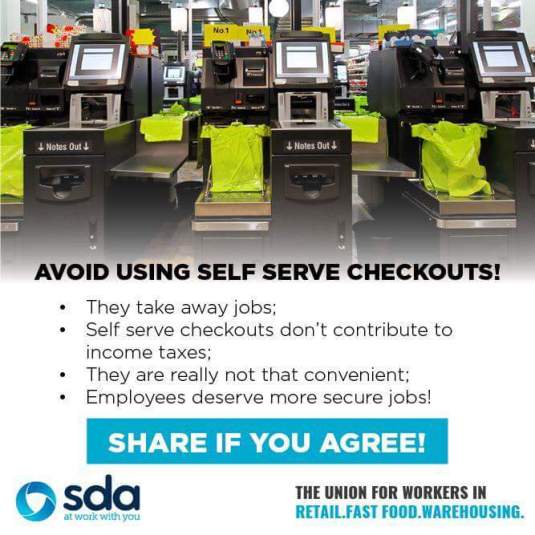
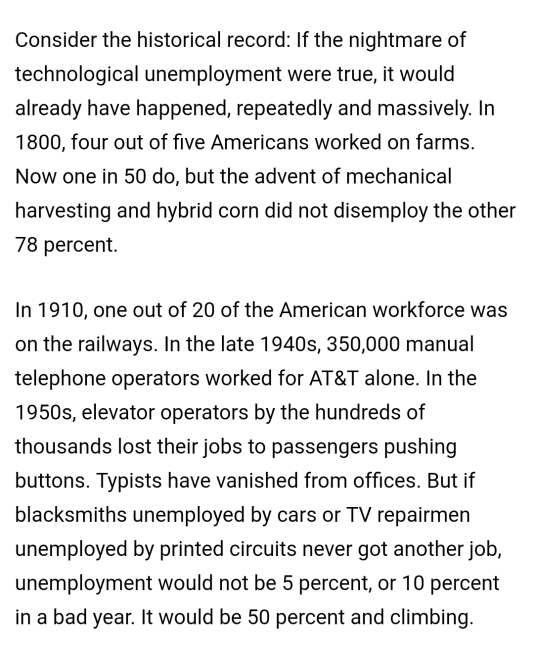
Union uses social media to protest ICT displacing checkout operators but not posties and handbills
02 Aug 2018 Leave a comment
in applied price theory, entrepreneurship, industrial organisation, labour economics, labour supply, survivor principle, unions Tags: automation, creative destruction, make-work bias, regressive left, The Great Enrichment
Stossel: The End of Tipping?
01 Aug 2018 Leave a comment
in applied price theory, economics of regulation, entrepreneurship, industrial organisation, labour economics, labour supply, law and economics, managerial economics, minimum wage, occupational choice, organisational economics, personnel economics, poverty and inequality Tags: tipping
No Considerations: Doing Business in India Without Bribes
31 Jul 2018 Leave a comment
in applied price theory, comparative institutional analysis, development economics, economics of bureaucracy, economics of crime, economics of regulation, growth disasters, growth miracles, industrial organisation, law and economics, Public Choice, rentseeking Tags: economics of corruption
The EU would have sued MySpace, given time
21 Jul 2018 Leave a comment
in applied price theory, entrepreneurship, industrial organisation, law and economics, survivor principle Tags: competition law

How the Government Turns American Indians into Freeloaders
20 Jul 2018 Leave a comment
in applied welfare economics, comparative institutional analysis, constitutional political economy, discrimination, economics of regulation, entrepreneurship, industrial organisation, labour economics, law and economics, survivor principle


Recent Comments