We’ve triggered Article 50 – what happens next? #Brexit
03 Apr 2017 Leave a comment
in economics, international economics Tags: Brexit, Common market
Yes, Minister explains the #Brexit
01 Apr 2017 Leave a comment
in defence economics, economic history, international economics Tags: Common market
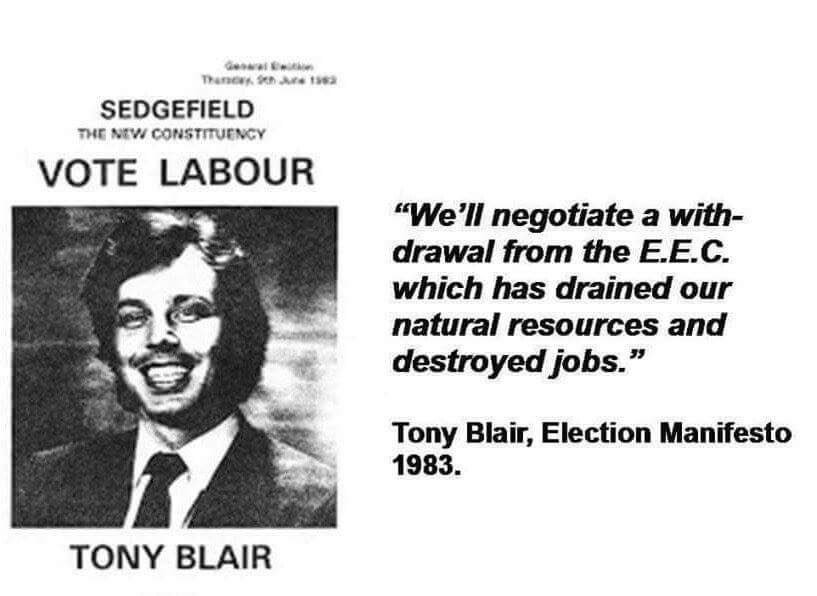
Waiting for @stevenljoyce’s great leap forward
09 Mar 2017 1 Comment
in international economics, politics - New Zealand
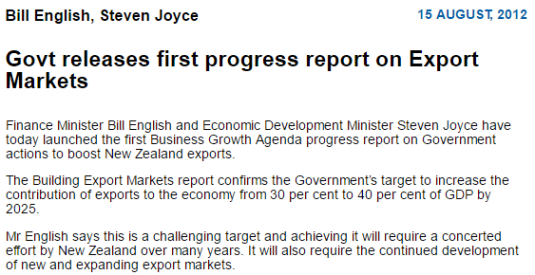
When I first heard of this idea to increase exports by 1/3rd, I immediately thought that the balance of payment balances. Any increase in exports will require a matching increase in imports unless we want to start exporting 10% of our GDP, running a trade surplus of 10% of our GDP relative to where it is now.
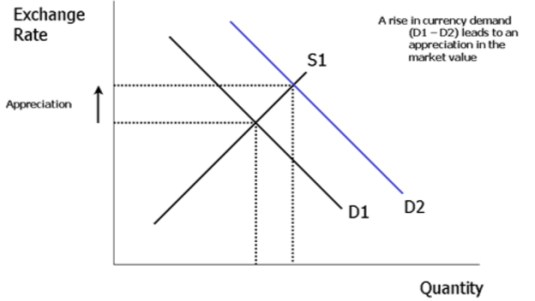
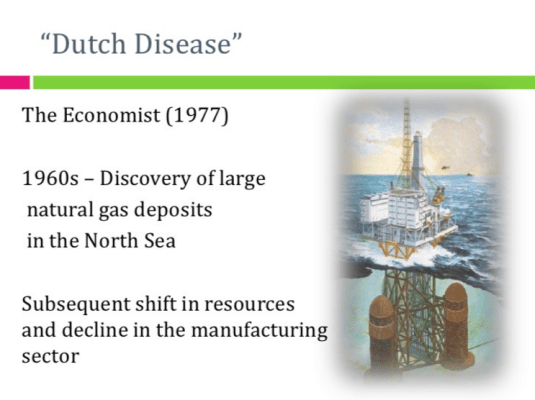
Countries do not normally embrace the Dutch disease. This is a large appreciation of the currency after an export boom will deindustrialise the import competing sectors and the non-booming export sectors. The exchange rate appreciation brought on by the export boom and heavy demand for New Zealand foreign exchange by foreigners will cause a large switch in consumer spending towards imports.
If exports are to go up by 10% of GDP, imports must too unless there is a change in incentives to invest and save in New Zealand and abroad. As Barro explains
The current-account balance is the difference between a country’s total income and its spending on consumption and investment (and net transfers abroad).
The current account is the difference between national saving — income not spent on consumption — and domestic investment. To think about why the ratio of the current-account deficit to GDP is large, ask why the ratio of investment to GDP is high or why the national saving rate is low.
Current accounts go into surplus or deficit because there is an international trade in savings. We either import the savings of others or export NZ savings. When net exports are positive, we are exporting our savings, when exports are negative, we are importing the savings of others.
The capital account surplus, otherwise known to scaremongering and export fetish types as the current account deficit, is the extent to which foreigners are willing to lend their savings to New Zealanders to buy imports in excess of export receipts.
When the current account is in surplus as it certainly must if we increased exports by 10 percentage points of GDP, New Zealanders would be lending a substantial amount of their savings to the rest of the world. What is the point of an export boom if we do not spend some of it?
It is just pedantic to point out the few countries outside of the European Union export more than 1/3rd of their GDP. That is just raining on Steven Joyce’s parade. Exports are still less than 30% of GDP in 2016 as the graphic below shows.
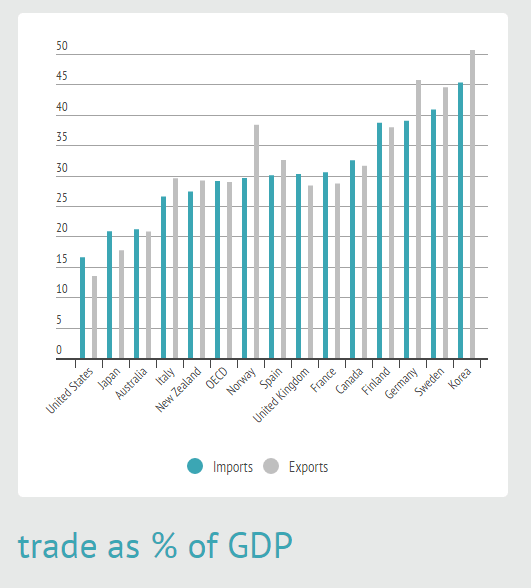
Source: OECD Factbook 2016.

Dead Wrong™ with Johan Norberg – Green Tariffs?
19 Feb 2017 Leave a comment
in applied price theory, applied welfare economics, development economics, economic history, environmental economics, global warming, international economics Tags: climate alarmism, green tariffs
The World’s Strangest Borders Part 2: Spain
18 Feb 2017 Leave a comment
in international economics, International law Tags: economics of borders, maps, Spain




Recent Comments