More Deficient Economic Thinking
03 Mar 2025 Leave a comment
in applied price theory, industrial organisation, international economics Tags: current account, free trade, tarrifs
TweetHere’s a letter to the Wall Street Journal. Editor: Anthony deBarros and Peter Santilli report on “the countries fueling America’s $1.2 trillion goods trade deficit” (March 1). With respect, what’s the point of such a report? Eighty percent of U.S. GDP is produced by the service sector – implying that the vast majority of Americans…
More Deficient Economic Thinking
Is compulsory saving the answer?
28 Feb 2025 Leave a comment
in international economics, macroeconomics Tags: current account

Economic growth – and the lack of the sustained productivity growth that underpins it – is again briefly in focus. 70 years of relative economic decline still shows no sign of being durably reversed, but the last few years have been particularly tough and there is an election next year, and so the government’s rhetorical […]
Is compulsory saving the answer?
Does the Feldstein-Horioka Puzzle mean National’s Foreign Investment Ambitions Won’t Raise NZ Productivity?
26 Feb 2025 Leave a comment
in applied price theory, econometerics, economic history, financial economics, history of economic thought, international economics, macroeconomics, politics - New Zealand Tags: foreign investment
The NZ Herald’s Editor has declared its journalists will be promoted or fired on the basis of factors like how many clicks they get on their articles. Yes, the Herald is now officially “click bait”. We’re trying to avoid the mistake of writing shallow nonsense at this Blog. So on that note, here’s a somewhat…
Does the Feldstein-Horioka Puzzle mean National’s Foreign Investment Ambitions Won’t Raise NZ Productivity?
The Spectacular Economic Ignorance of Peter Navarro
20 Feb 2025 1 Comment
in applied price theory, Austrian economics, history of economic thought, industrial organisation, international economics, labour economics, labour supply, survivor principle, unemployment Tags: 2024 presidential election, free trade, tarrifs
TweetHere’s a letter to the New York Times. Editor: Encountering, in David Leonhardt’s report, a summary of Peter Navarro’s attempted justifications of Trump’s tariffs makes the head spin (“A Disagreement on Tariffs,” February 18). Navarro’s arguments are so illogical, self-contradictory, and economically ignorant that they’d be merely laughable were he not an advisor to the…
The Spectacular Economic Ignorance of Peter Navarro
If Cooks wants to have their own foreign policy, then let them be independent – of our aid
09 Feb 2025 Leave a comment
in development economics, international economics, International law, politics - New Zealand Tags: Cook Islands
Radio NZ reports: The New Zealand government says the Cook Islands has failed to properly consult it on proposed agreements its Prime Minister Mark Brown will be signing in China this week. Brown has now left for China without further consultation, RNZ understands. In a statement this afternoon a spokesperson for foreign affairs minister Winston […]
If Cooks wants to have their own foreign policy, then let them be independent – of our aid
Trade 101 for Trumpies
08 Feb 2025 Leave a comment
in applied price theory, applied welfare economics, Austrian economics, comparative institutional analysis, constitutional political economy, development economics, entrepreneurship, industrial organisation, international economics, politics - USA Tags: 2024 presidential election
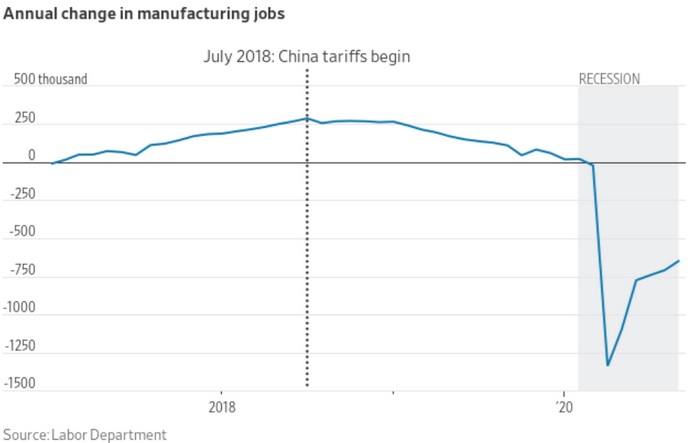
To augment my four-part video series about trade (dealing with the WTO, creative destruction, deficits, and economics), here’s part of my recent lecture about Trump’s trade policy to the Universidad de Libertad in Mexico City For those who (mistakenly) want to skip the video, my speech focused on these five themes. Trade deficits don’t matter. […]
Trade 101 for Trumpies
Some Links
06 Feb 2025 Leave a comment
in applied price theory, applied welfare economics, economic history, history of economic thought, international economics, politics - USA Tags: 2024 presidential election, free trade, game theory, tariffs
TweetNational Review‘s Charles Cooke explains that Trump’s trade war is needless. Two slices: How do I hate President Trump’s capricious levying of tariffs? Let me count the ways. They are constitutionally suspect, statutorily usurpative, diplomatically toxic, and culturally chaotic; they represent a profound political risk for the new administration — the potential upsides of which…
Some Links
Mocking European Statism
04 Feb 2025 1 Comment
in applied price theory, Austrian economics, comparative institutional analysis, economic growth, economics of bureaucracy, economics of regulation, entrepreneurship, environmental economics, financial economics, industrial organisation, international economics, labour economics, labour supply, law and economics, liberalism, macroeconomics, Marxist economics, property rights, Public Choice, public economics, rentseeking, survivor principle, theory of the firm Tags: employment law, European Union
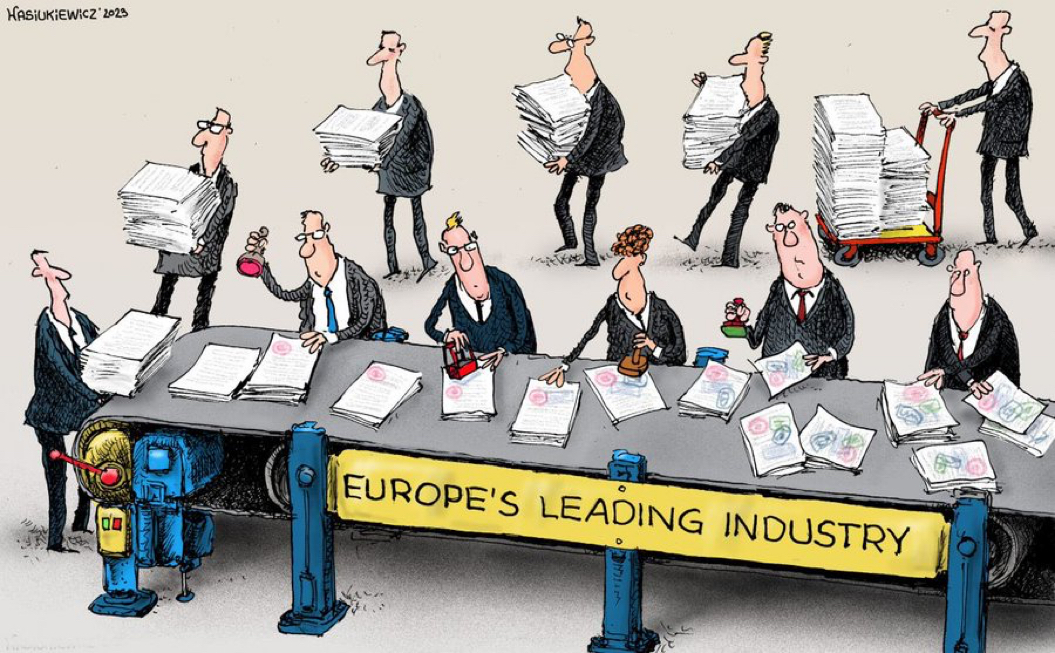
I have a special page for humor involving Europe, but I have not added to it since sharing some Brexit humor in 2016. Let’s being the process of catching up with some amusing cartoons and memes mocking our government-loving cousins on the other side of the Atlantic Ocean. I’ve made the serious point that bureaucrats […]
Mocking European Statism
…And the Really Stupid Sh*t Begins
02 Feb 2025 Leave a comment
in applied price theory, development economics, income redistribution, industrial organisation, international economic law, international economics, International law, politics - USA, Public Choice Tags: 2024 presidential election, Canada, China, free trade, Mexico, tariffs

Trump’s first few weeks have been a mix of good and bad for this libertarian, all against a backdrop of horror at how Imperial the presidency has become. But as of today, perhaps the most destructive and stupid initiative has begun: Because we are all tired of those fentanyl-toting Canadians crossing the border illegally. I…
…And the Really Stupid Sh*t Begins
1840
29 Jan 2025 Leave a comment
in economic history, international economics, International law Tags: economics of borders, Europe, maps
How to Visit India for Normies
25 Jan 2025 Leave a comment
in applied price theory, comparative institutional analysis, development economics, economic history, growth disasters, growth miracles, international economics Tags: India

In the comments to my post, India has Too Few Tourists, many people worried about the food, the touts and the poverty. Many of these comments are mistaken or apply only if you are traveling to India on the cheap as an adolescent backpacker (nothing wrong with that but I suspect the MR audience is […]
How to Visit India for Normies
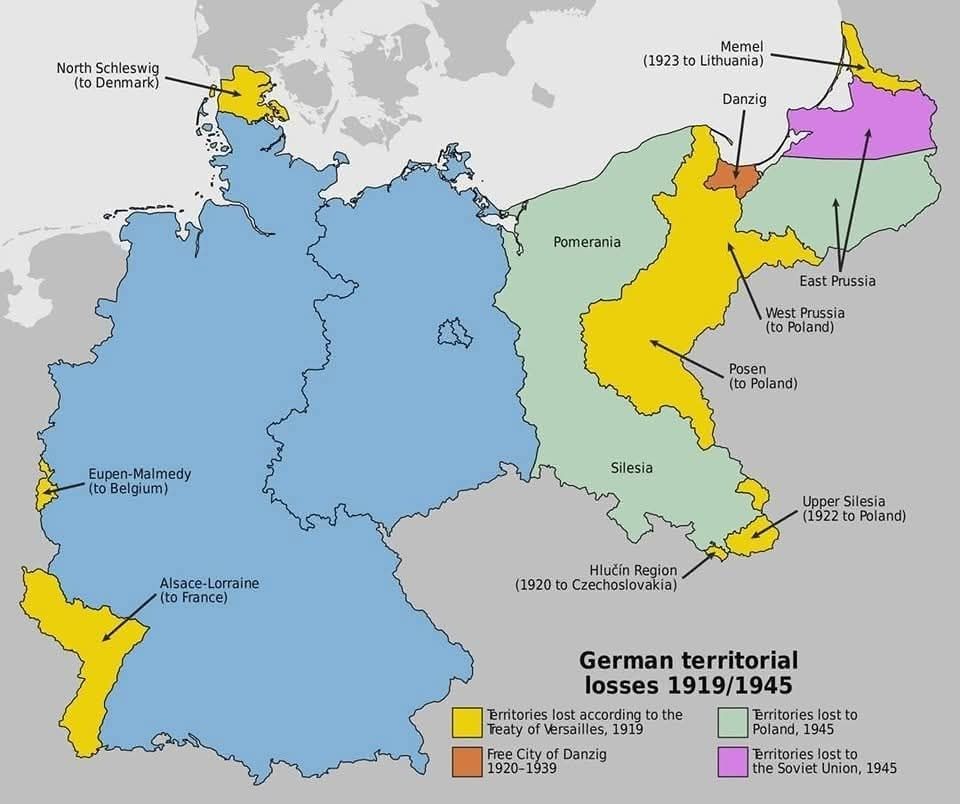
I like maps
24 Jan 2025 Leave a comment
in defence economics, economic history, international economics, International law, war and peace Tags: Nazi Germany, World War I, World War II
Trump Signs Executive Order Pulling U.S. From Paris Climate Accord
22 Jan 2025 1 Comment
in economics of climate change, energy economics, environmental economics, environmentalism, global warming, international economics, International law, politics - USA Tags: climate activists, climate alarmism
(a) The United States Ambassador to the United Nations shall immediately submit formal written notification of the United States’ withdrawal from the Paris Agreement under the United Nations Framework Convention on Climate Change. The notice shall be submitted to the Secretary-General of the United Nations, the Depositary of the Agreement, attached as Appendix A. The United States will consider its withdrawal from the Agreement and any attendant obligations to be effective immediately upon this provision of notification.
Trump Signs Executive Order Pulling U.S. From Paris Climate Accord
 Utopia, you are standing in it!
Recent Comments