Gender gap in bachelor's is 6 percentage points. Men now where women were a decade ago.
nces.ed.gov/programs/diges… http://t.co/u9rAsIcfY0—
S Dynarski (@dynarski) June 01, 2015
The reversing gender gap in one chart
11 Jun 2015 Leave a comment
in discrimination, economics of education, gender, human capital, labour economics, labour supply, occupational choice, poverty and inequality Tags: gender wage gap, lost boys, reversing gender gap
Parental time usage, 1965 and now
09 Jun 2015 Leave a comment
in gender, labour economics, labour supply, occupational choice Tags: family demographics, household division of labour
Almost 8 in 10 daughters raised by the lowest- earning men make more money per hour than their fathers did
08 Jun 2015 Leave a comment
in discrimination, economics of education, gender, human capital, labour economics, labour supply, occupational choice, poverty and inequality Tags: economic mobility, gender wage gap, reversing gender gap
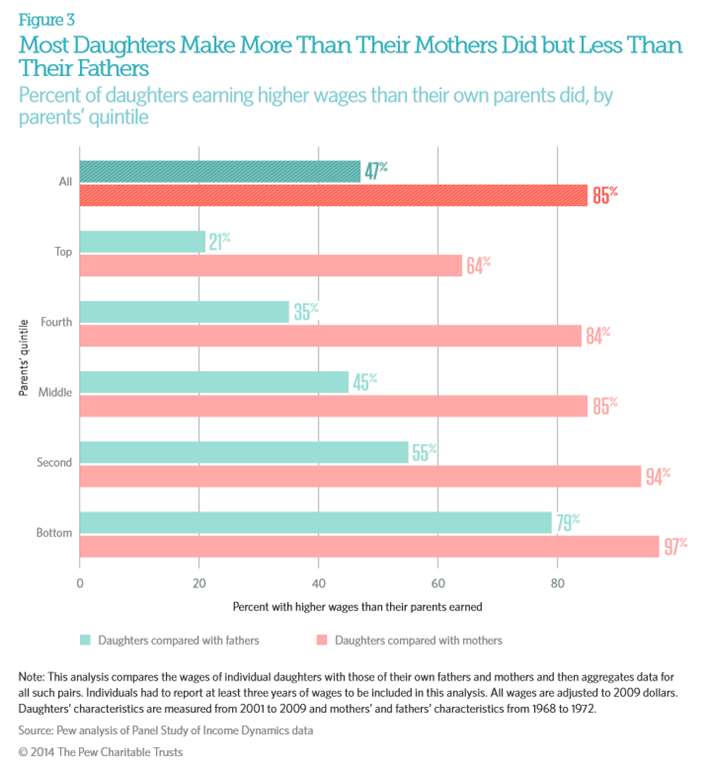
Today’s daughters earn much more than their mothers
07 Jun 2015 Leave a comment
in discrimination, gender, human capital, labour economics, labour supply, occupational choice Tags: compensating differences, gender wage gap
In the late 1960s and early 1970s, slightly more than half of all mothers were in the labour force. These women worked, on average, 24 hours per week for a little more than $10 per hour.
Today, 85 percent of all daughters are employed, and they work 10 additional hours per week and earn $9 more per hour.
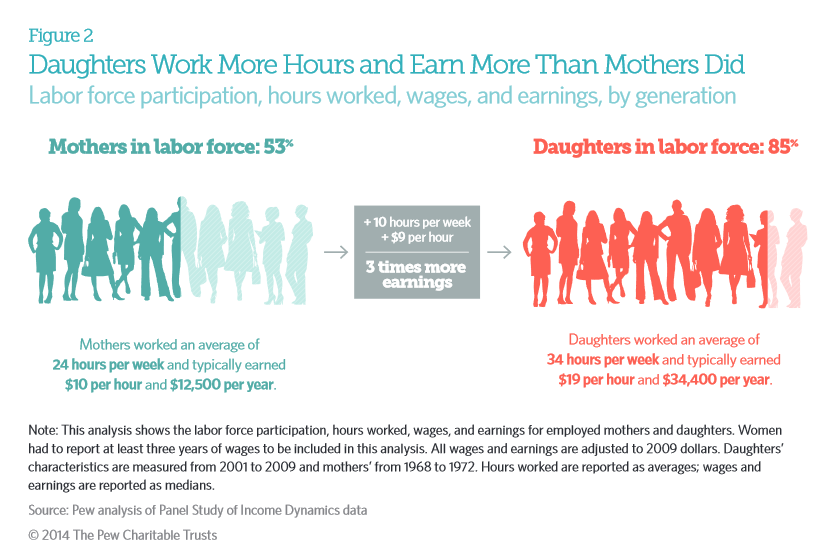
via Women’s Work: The Economic Mobility of Women Across a Generation.
The gender pay gap and motherhood
06 Jun 2015 Leave a comment
in discrimination, gender, human capital, labour economics, labour supply, occupational choice Tags: asymmetric marriage premium, gender pay gap, motherhood penalty
Why did the top 1% only pick on men when they increased inequality over recent decades?
06 Jun 2015 Leave a comment
in discrimination, gender, human capital, labour economics, labour supply, unions Tags: gender wage gap, middle class stagnation, reversing gender gap, superstar wages, superstars, top 1%, wage stagnation
Gender pay gap in corporate America twitter.com/BuzzFeedAndrew… http://t.co/AOFxcUQ8Rk—
Charts and Maps (@ChartsandMaps) April 12, 2015
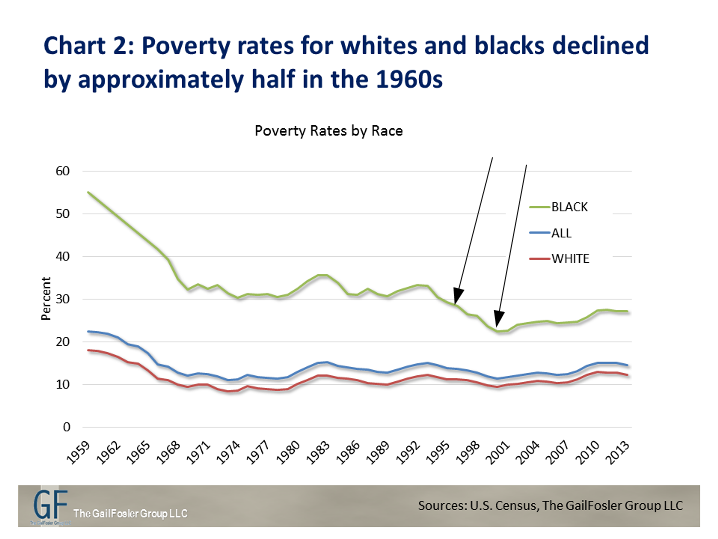
Who gained most from the 1996 US welfare reform?
03 Jun 2015 Leave a comment
in gender, labour economics, labour supply, welfare reforms Tags: U.S welfare reforms
The share of poorly educated single mothers with earnings rose from 49 percent in 1995 to 64 percent in 2000. This group was thought to be the least employable.
Employment gains of welfare reform’s early years have disappeared: bit.ly/19HTGBh http://t.co/4IRuqi6x7X—
Center on Budget (@CenterOnBudget) June 28, 2013
Where people are the most and least racially tolerant
02 Jun 2015 Leave a comment
in discrimination, economics of media and culture, gender, labour economics, Public Choice Tags: Age of Enlightenment, maps, racial discrimination, racial tolerance, racism

Who gained the most from US 1996 Federal welfare reforms?
01 Jun 2015 Leave a comment
in discrimination, gender, labour economics, labour supply, politics - USA, poverty and inequality, welfare reform Tags: 1996 US welfare reforms, racial discrimination, social insurance, welfare state
The NYT must be slipping with "When Family-Friendly Policies Backfire”
27 May 2015 2 Comments
in discrimination, economics of regulation, gender, labour economics, occupational choice Tags: gender wage gap, maternity leave, offsetting behaviour, The fatal conceit, The pretence to knowledge, unintended consequences
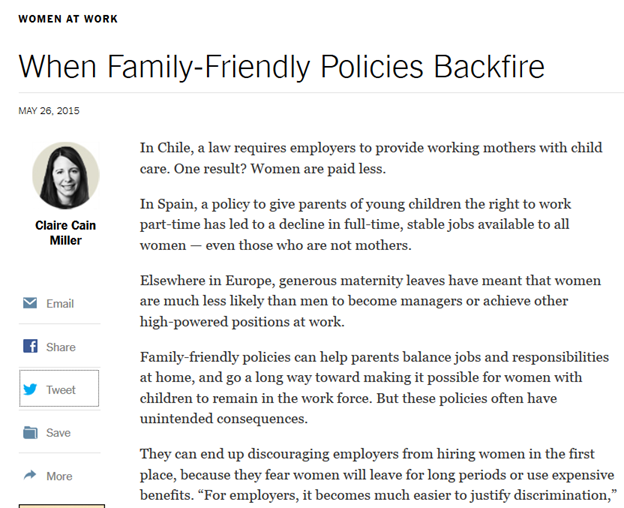
The best part of the article is its frank admission about how bare the cupboard is in dealing with the impact of generous maternity leave on the gender gap. Maternity leave should not be too generous, should not be paid by employers but by taxpayers, and should extend to both men and women.
The employment rates of sole parents with kindergarten age children, OECD, 2011
24 May 2015 Leave a comment
in gender, labour economics, labour supply, welfare reform Tags: child poverty, economics of families, female labour force participation, paternal labour force participation, single parents
Figure 1: percentage of sole parents not working with youngest child aged 3-5, OECD, 2011

Source: OECD family database
Figure 2: percentage of sole parents part-time with youngest child aged 3-5, OECD, 2011

Source: OECD family database
Male labour force participation has been in a long-term decline
24 May 2015 Leave a comment
in gender, labour economics, labour supply, occupational choice, unemployment Tags: labour demographics, labour force participation, male labour force participation, reversing gender gap
NEWS FLASH: The Labor Force Participation Rate for Men Has Been Steadily Trending Downward for the last 67 Years! http://t.co/N66WJJnHsF—
Mark J. Perry (@Mark_J_Perry) May 08, 2015
The employment rates of sole parents with school age children, OECD, 2011
23 May 2015 Leave a comment
in gender, labour economics, labour supply, welfare reform Tags: child poverty, economics of families, female labour force participation, paternal labour force participation, single parents
Figure 1: percentage of sole parents working with youngest child aged 6-14, 2011

Source: OECD family database
Figure 2: percentage of sole parents working part0time with youngest child aged 6-14, 2011
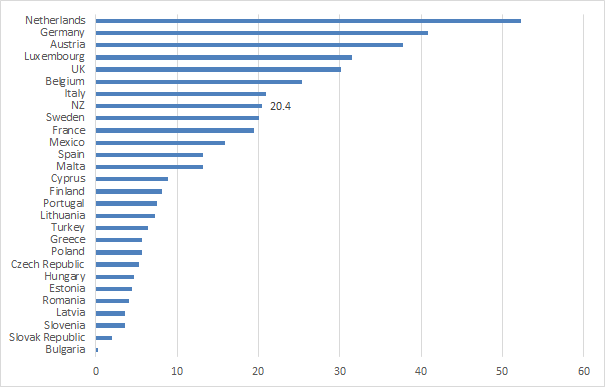
Source: OECD family database


Recent Comments