Bryce Edwards writes – Chris Hipkins has described the coalition’s decision to cancel pay equity claims under urgency as “probably the most reprehensible thing I have seen in my time as a member of Parliament”. He accused ministers of “robbing Paula to pay Paul” and of “sacrificing equal pay for women in order to balance […]
Labour is reneging on its pay equity promise
Labour is reneging on its pay equity promise
07 Oct 2026 Leave a comment
in discrimination, gender, labour economics, labour supply, politics - New Zealand, poverty and inequality, Public Choice, rentseeking, unions Tags: 2026 general election, gender wage gap
The beauty premium doesn’t seem to extend to billionaires
06 Oct 2026 Leave a comment
in applied price theory, econometerics, economic history, entrepreneurship, human capital, labour economics, labour supply, poverty and inequality Tags: top 1%
There is a broad literature supporting the existence of a ‘beauty premium’ in labour markets – more attractive workers tend to earn more. There are a number of channels proposed to account for this, including confidence, social or communication skills being higher among more attractive workers, attractive workers sorting into occupations that reward attractiveness, and…
The beauty premium doesn’t seem to extend to billionaires
Some basics on incidence of student loan relief
05 Oct 2026 Leave a comment
in applied price theory, economics of education, labour economics, labour supply, occupational choice, poverty and inequality, Public Choice, public economics, rentseeking
Labour proposes wiping 10% off of outstanding student loan balances for domestic borrowers that are not in arrears and who have not benefitted from fees-free study. That write-down will happen on 1 April.It proposes doing it again in 2031, and each year afterwards, for borrowers in good standing who have been NZ-based over the prior…
Some basics on incidence of student loan relief
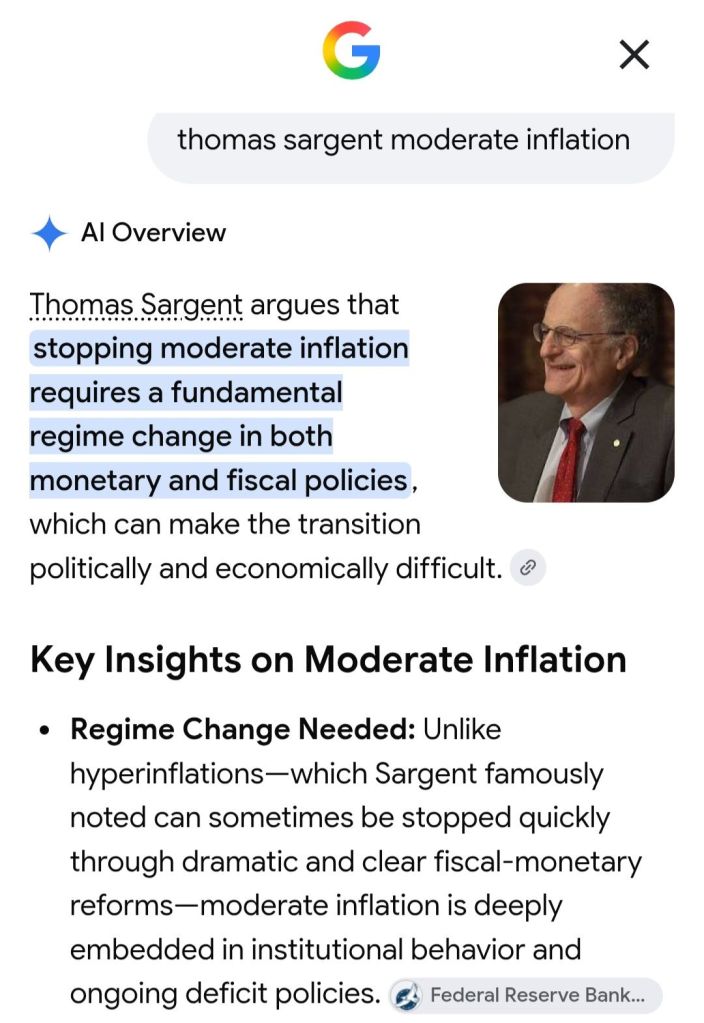
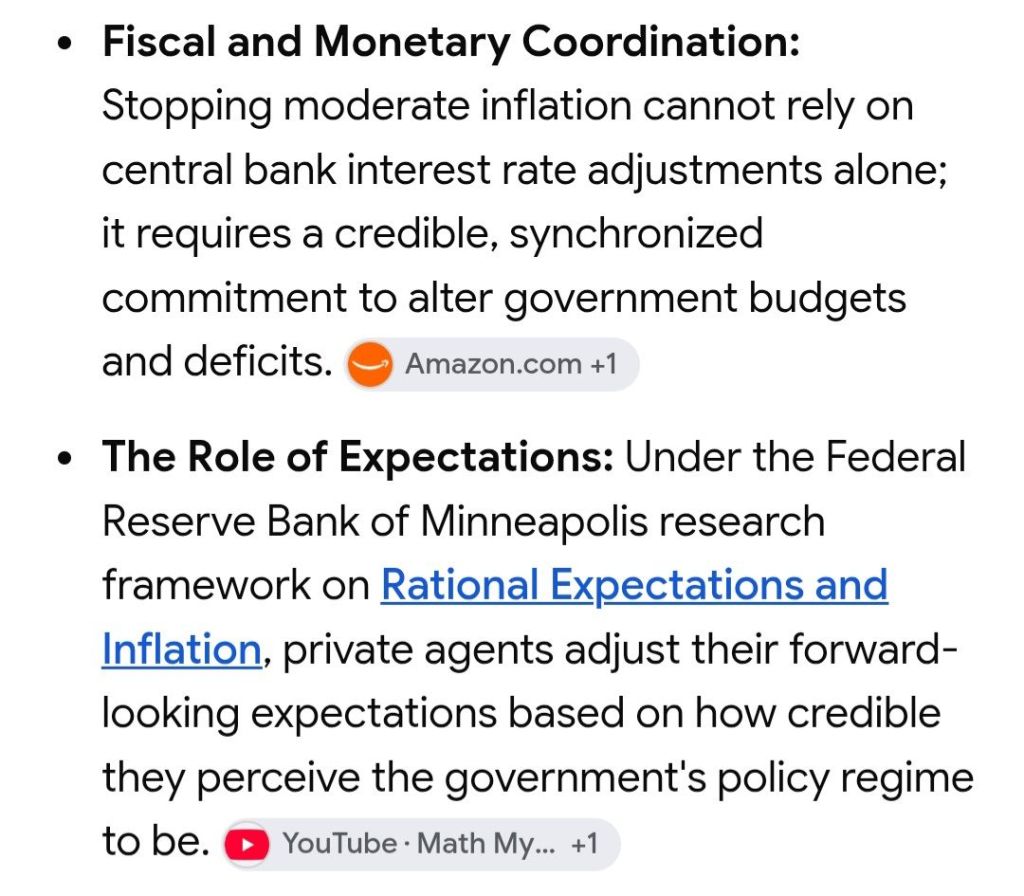
Sargent on moderate inflations
04 Oct 2026 Leave a comment
in budget deficits, business cycles, economic history, fiscal policy, history of economic thought, labour economics, labour supply, macroeconomics, monetarism, monetary economics, unemployment Tags: monetary policy
Rainbow requirements and Treaty obligations: the HR issues that impede productivity but enhance diversity
03 Oct 2026 Leave a comment
in discrimination, economics of regulation, gender, human capital, labour economics, labour supply, law and economics, poverty and inequality, property rights Tags: employment law
Bob Edlin writes – PoO noted a Newsroom report headed Major export and construction firms warn against legal definition of women. The report draws attention to objections raised to the Legislation (Definitions of Woman and Man) Amendment Bill, which aims to amend the Legislation Act to define “woman” as “an adult human biological female” and […]
Rainbow requirements and Treaty obligations: the HR issues that impede productivity but enhance diversity
America’s Affordability Problem Is Government
02 Oct 2026 Leave a comment
in economic growth, economic history, entrepreneurship, financial economics, history of economic thought, human capital, labour economics, labour supply, macroeconomics, poverty and inequality Tags: The Great Enrichment, top 1%

I have a series of columns (2021, 2024, 2025, and 2026). documenting that Americans are getting richer. And here’s a chart that adds additional evidence. More and more households over time are high income (over $100k) and fewer and fewer are low income (under $35k). And, yes, these numbers are adjusted for inflation. The chart was […]
America’s Affordability Problem Is Government
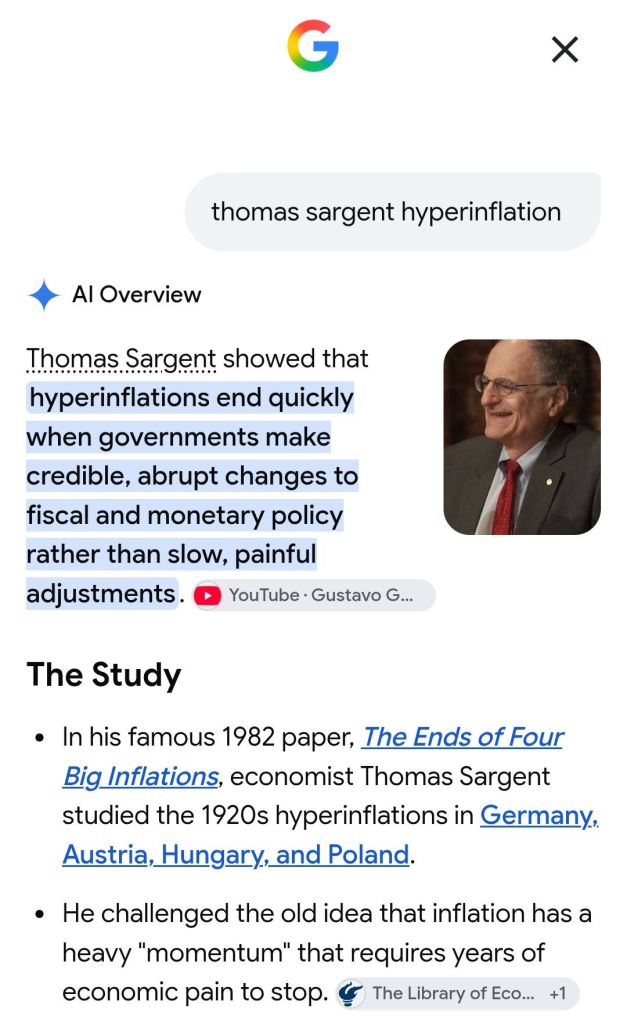
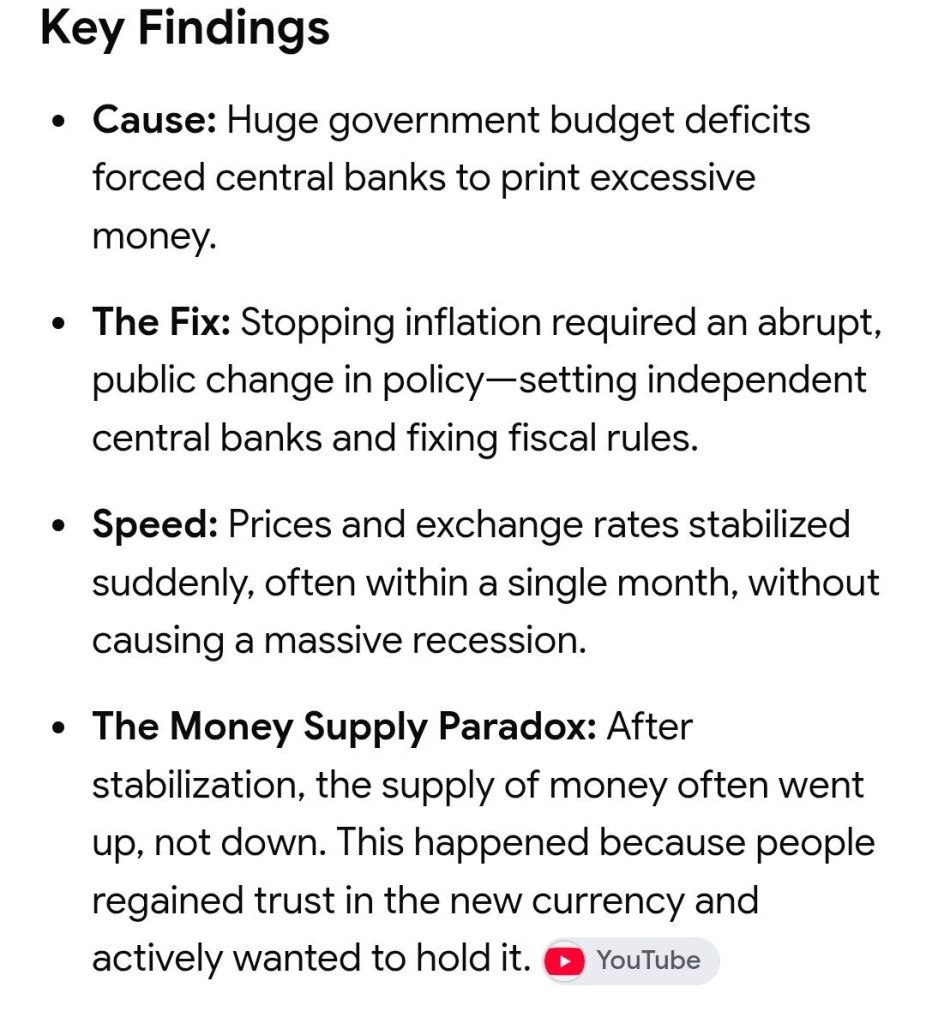
Sargent on hyperinflation
02 Oct 2026 Leave a comment
in budget deficits, business cycles, economic history, fiscal policy, history of economic thought, labour economics, labour supply, macroeconomics, monetarism, monetary economics, unemployment Tags: hyperinflation, monetary policy
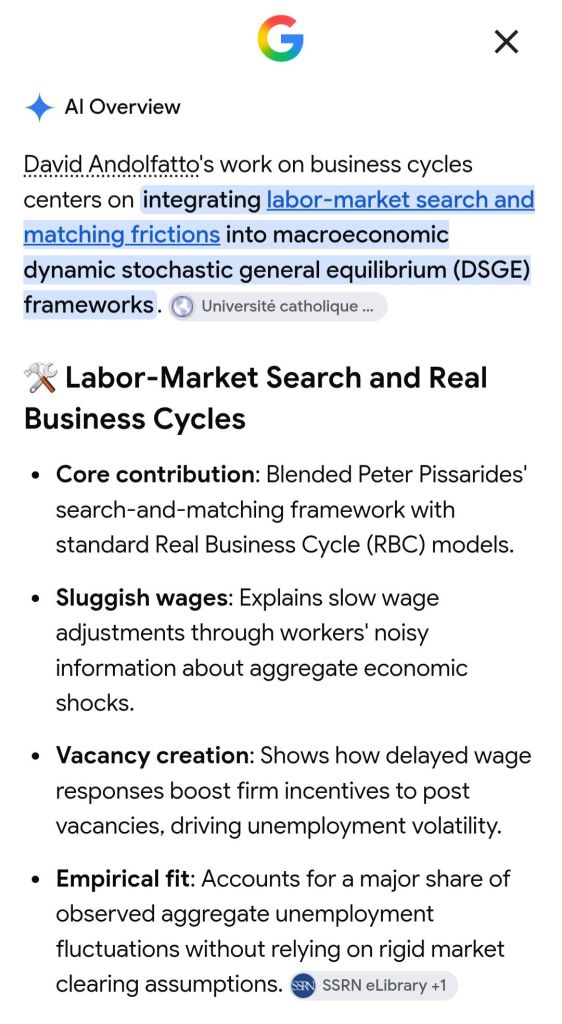
Andolfatto on business cycles
01 Oct 2026 Leave a comment
in business cycles, history of economic thought, job search and matching, labour economics, labour supply, macroeconomics, unemployment
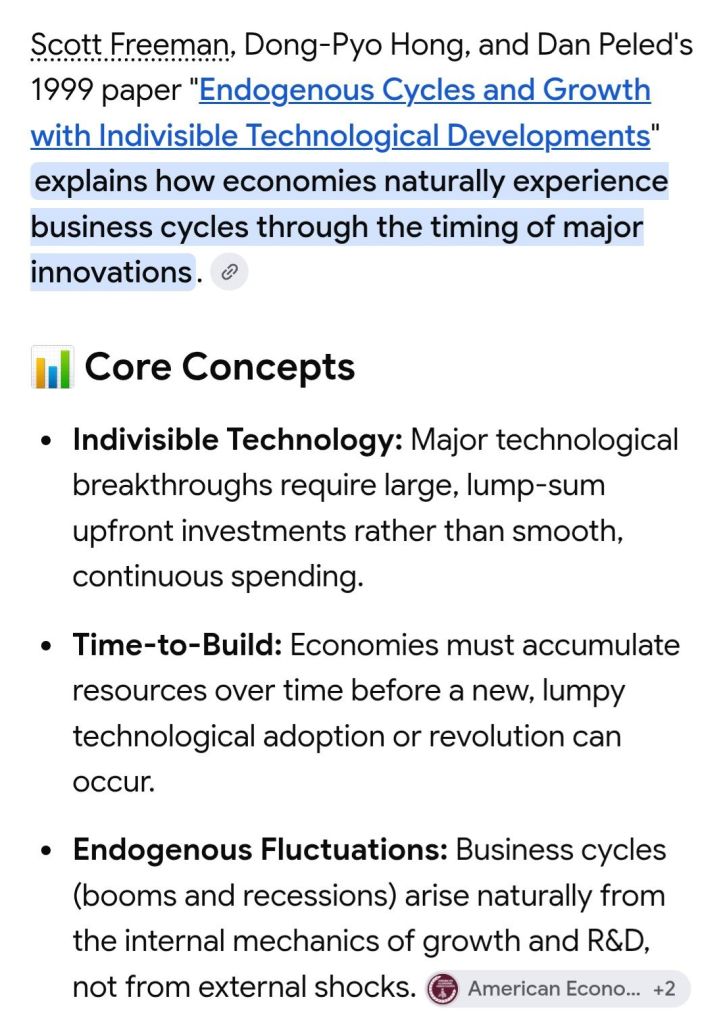
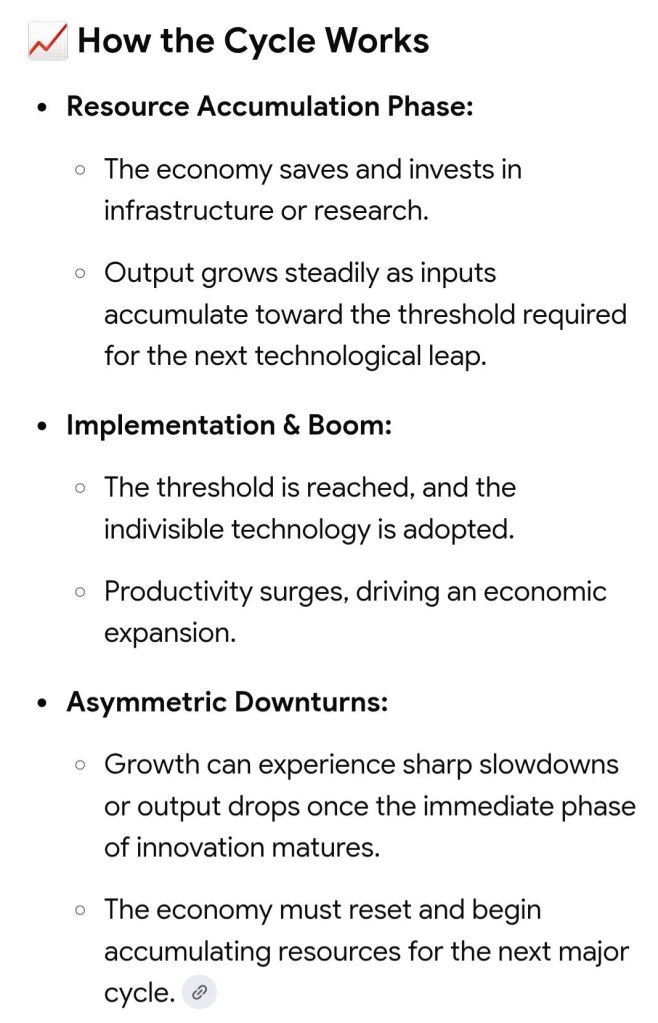
Scott Freeman and the AI boom and possible initial slowdown
30 Sep 2026 Leave a comment
in applied price theory, business cycles, economic growth, economic history, entrepreneurship, history of economic thought, labour economics, labour supply, macroeconomics, monetary economics, unemployment Tags: real business cycle theory
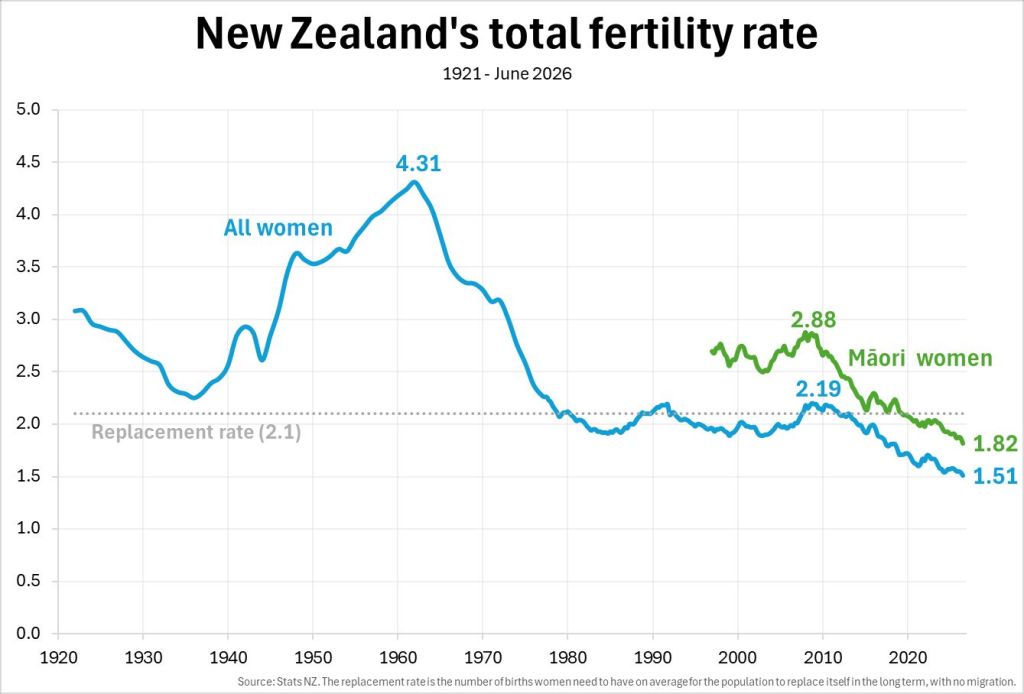
The baby bust
30 Sep 2026 Leave a comment
in economics of love and marriage, labour economics, labour supply, politics - New Zealand, population economics Tags: baby bust, economics of fertility
The U.K. Version of the Laffer Curve Strikes Again
29 Sep 2026 Leave a comment
in applied price theory, economic growth, economic history, entrepreneurship, financial economics, fiscal policy, history of economic thought, labour economics, labour supply, macroeconomics Tags: British politics, taxation and investment, taxation and labour supply

There are two reasons why I periodically write about the Laffer Curve. I want my left-leaning friends to understand to understand that higher tax rates on productive behavior will lead to less taxable income and some foregone tax revenue. I want my right-leaning friends to understand that tax cuts are only self-financing in rare cases […]
The U.K. Version of the Laffer Curve Strikes Again
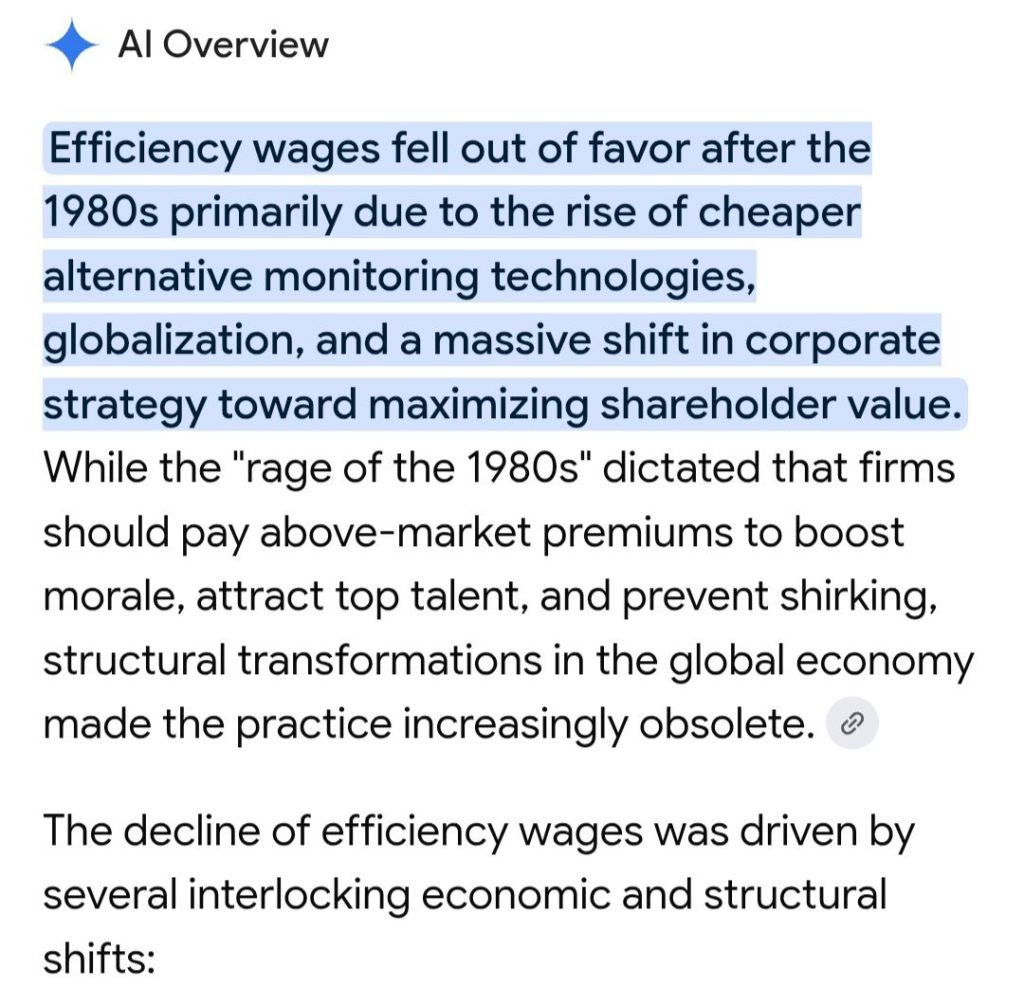
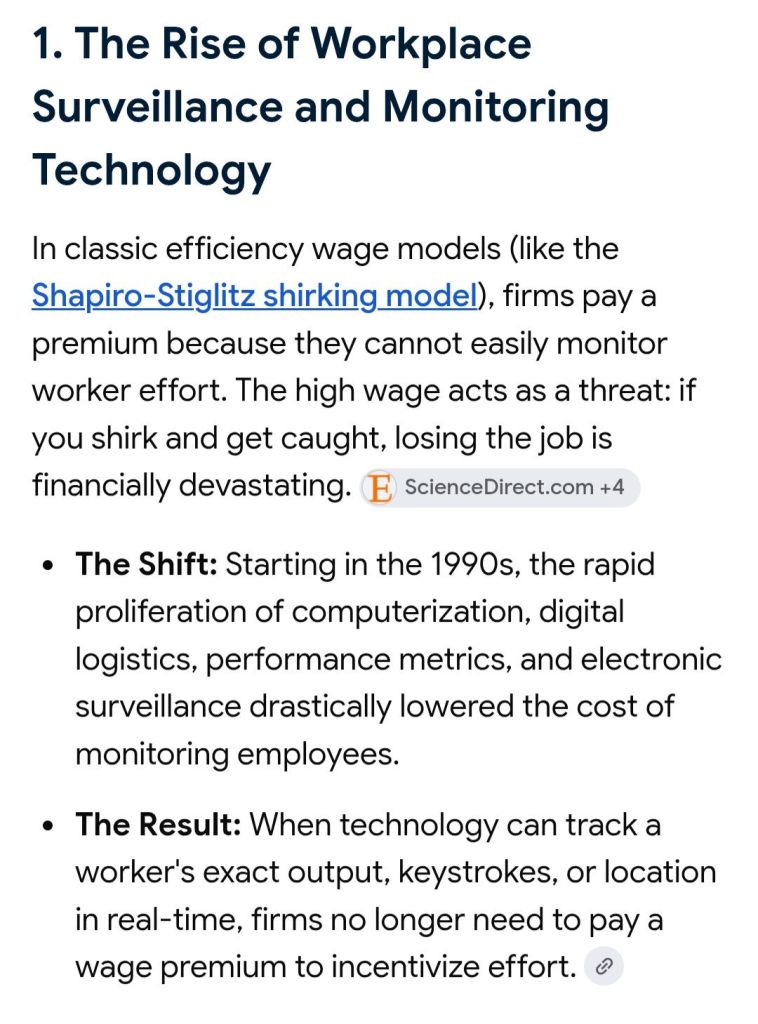
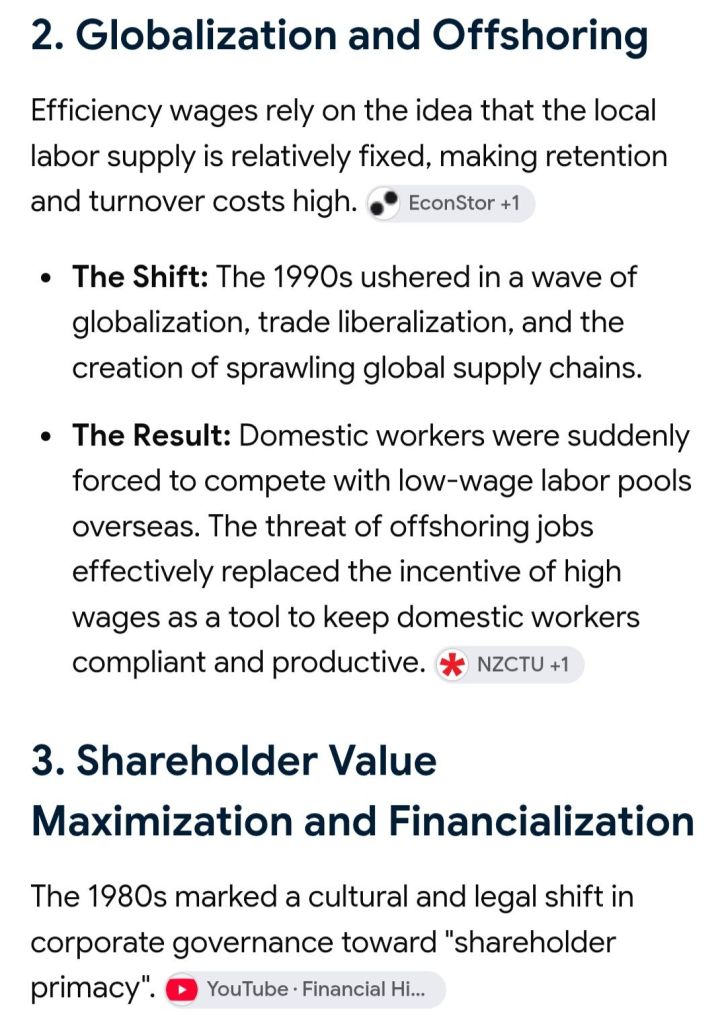
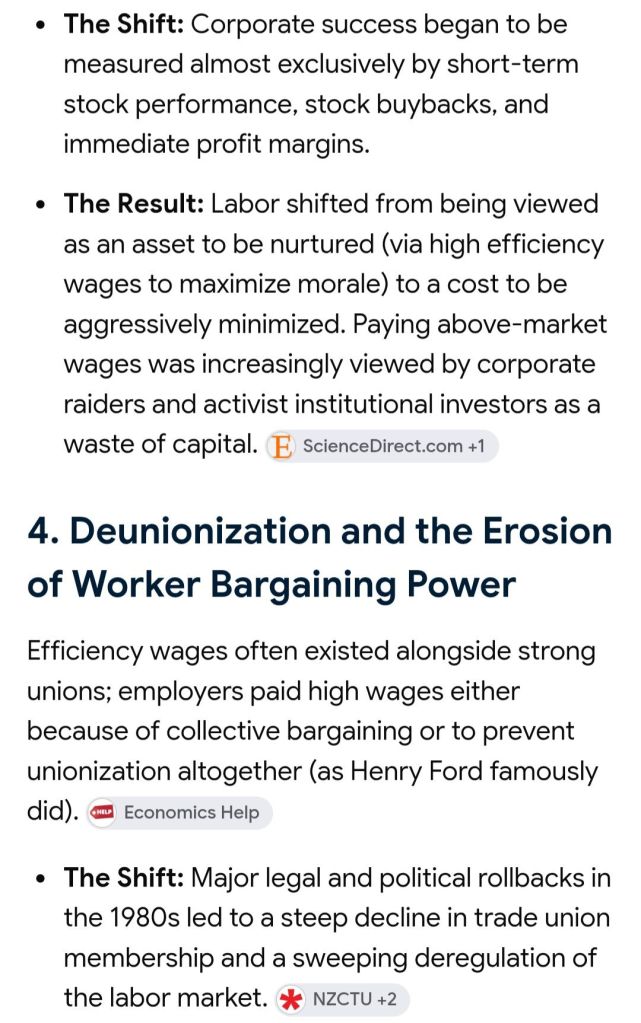
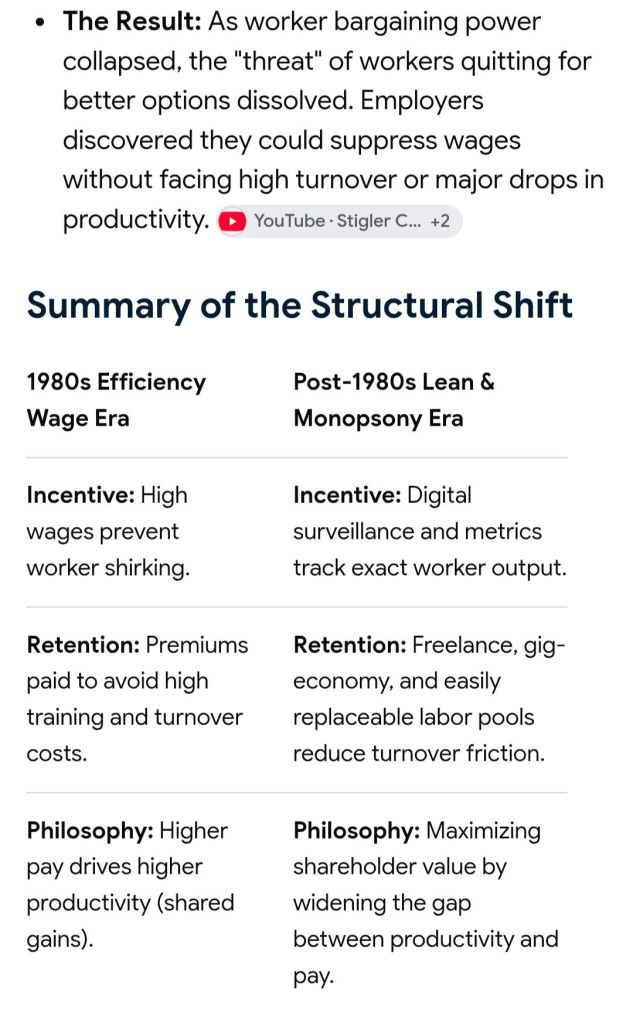
Why did efficiency wages fall out of favour – AI explanation part 1
29 Sep 2026 Leave a comment
in applied price theory, economic history, history of economic thought, human capital, industrial organisation, international economics, labour economics, labour supply, occupational choice, poverty and inequality, survivor principle, unemployment Tags: efficiency wage
The Economics of a Shrinking World
27 Sep 2026 Leave a comment
in applied price theory, development economics, econometerics, economic history, human capital, labour economics, labour supply, population economics
From Jesus Fernandez-Villaverde and Patrick Norrick: As of 2026, humanity is likely below replacement fertility. That has never happened before, not in wars or pandemics. But the real surprise is that the fall has been concentrated in low- and middle-income countries and among poorer and less educated women. We fit a single-factor model to 236…
The Economics of a Shrinking World
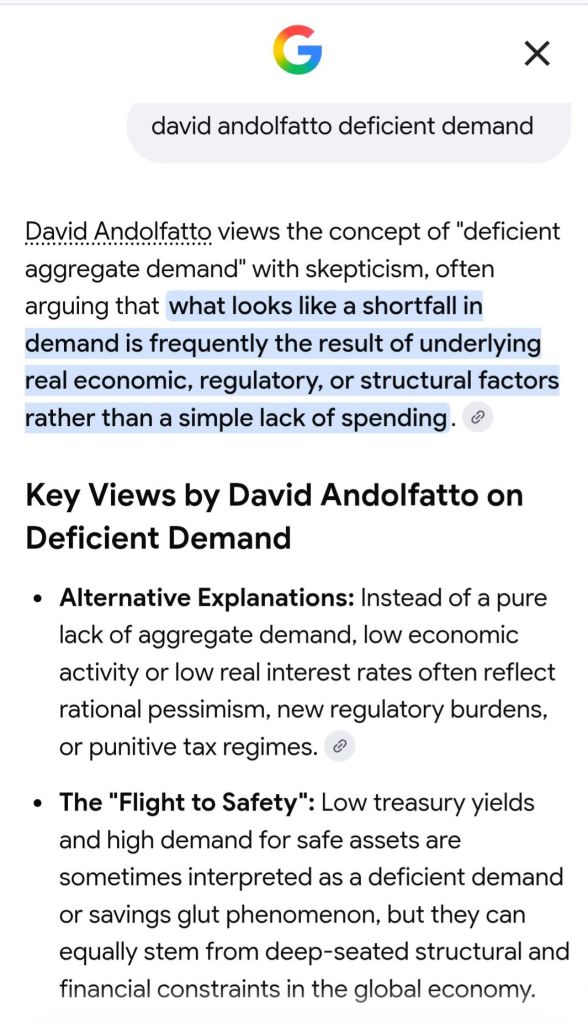
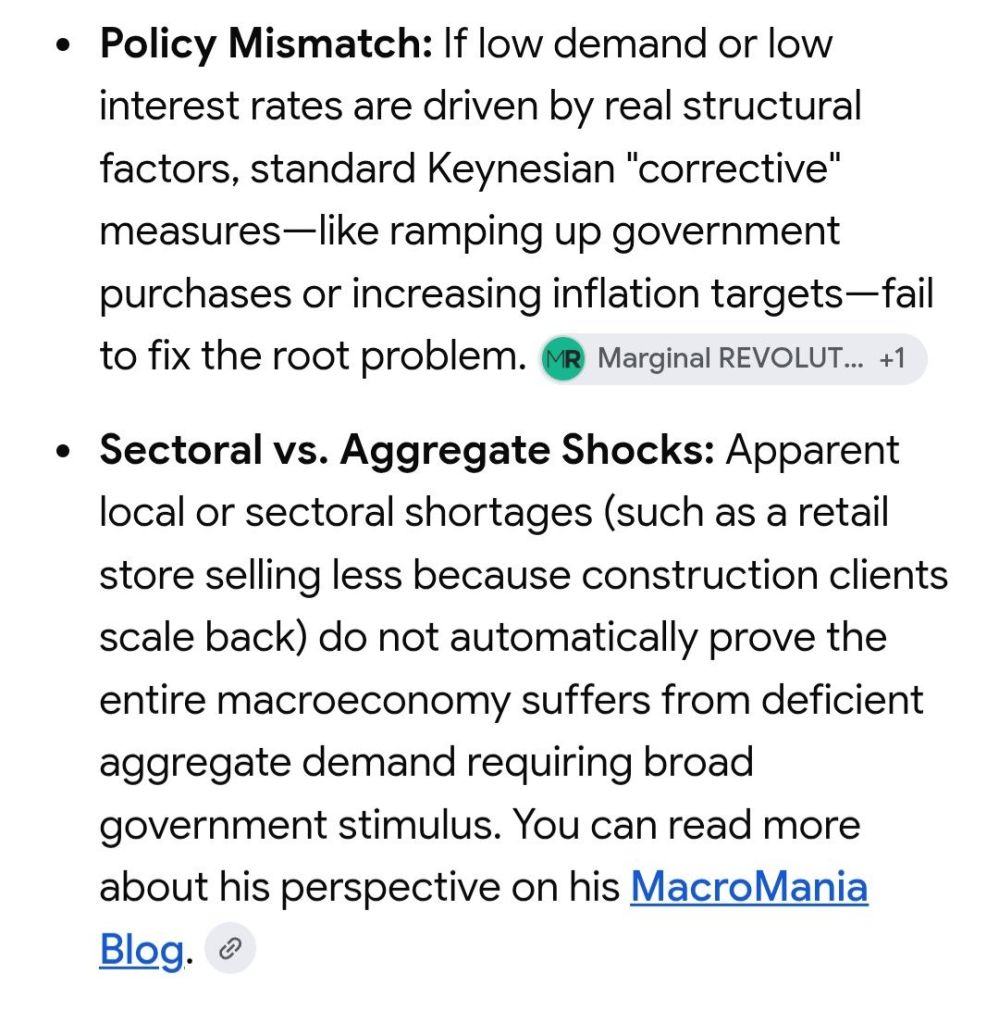
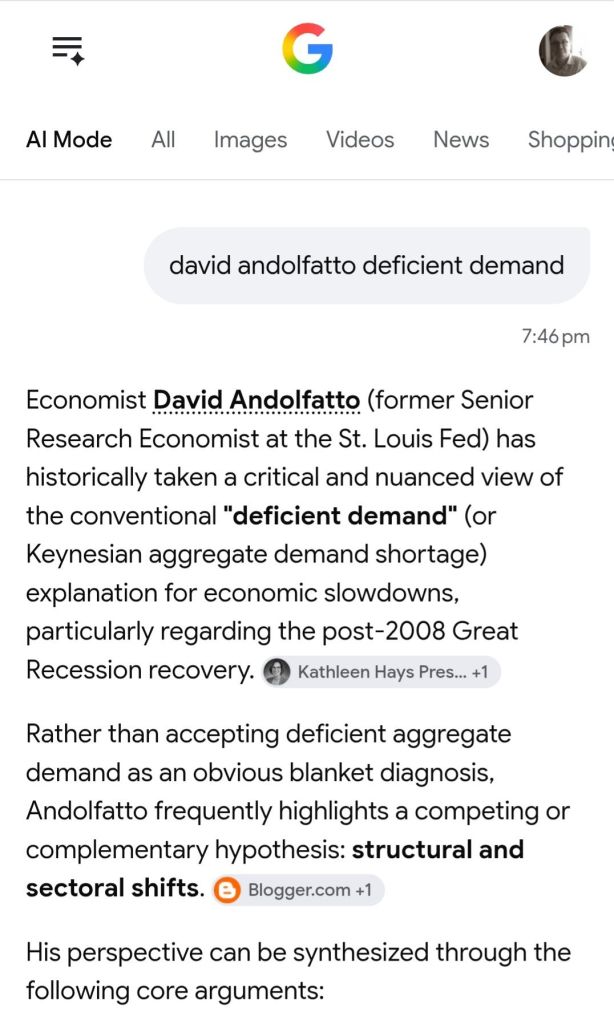
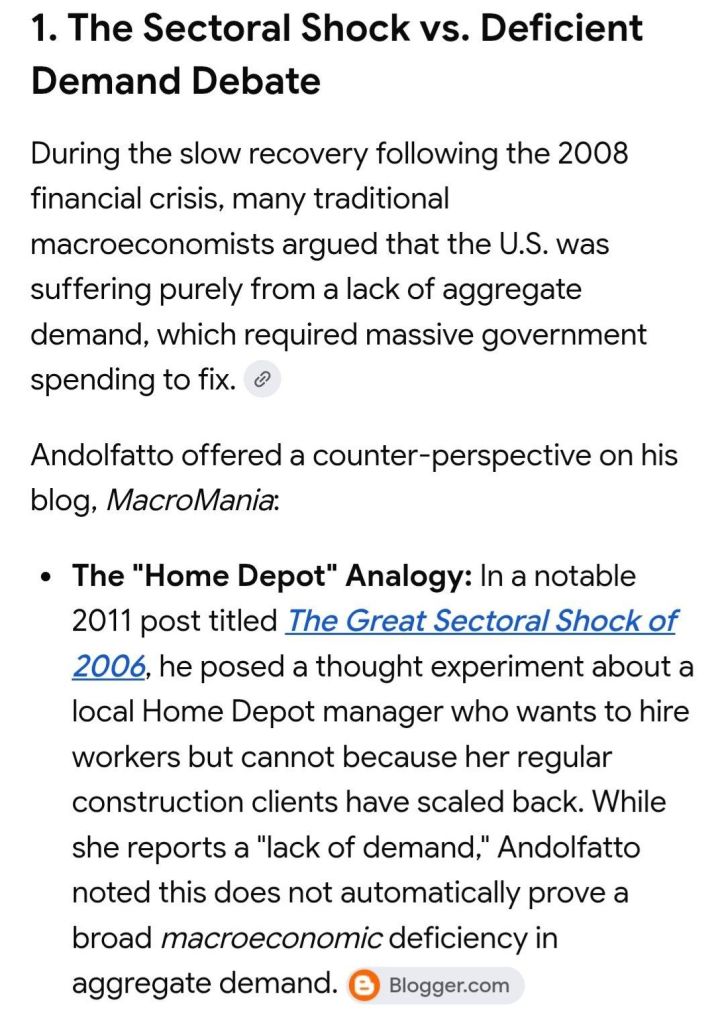
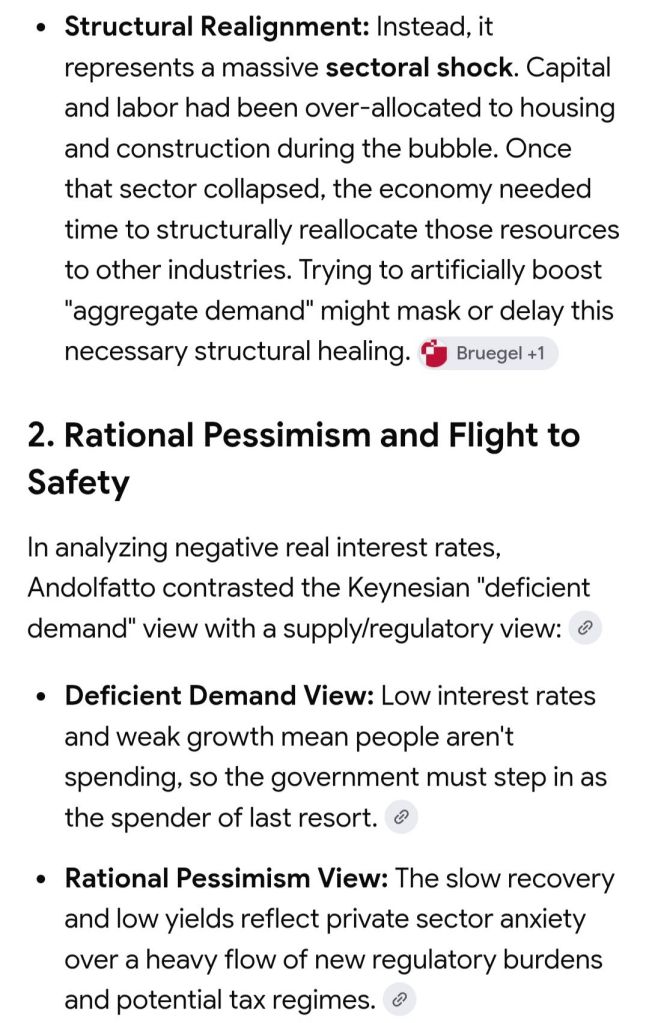
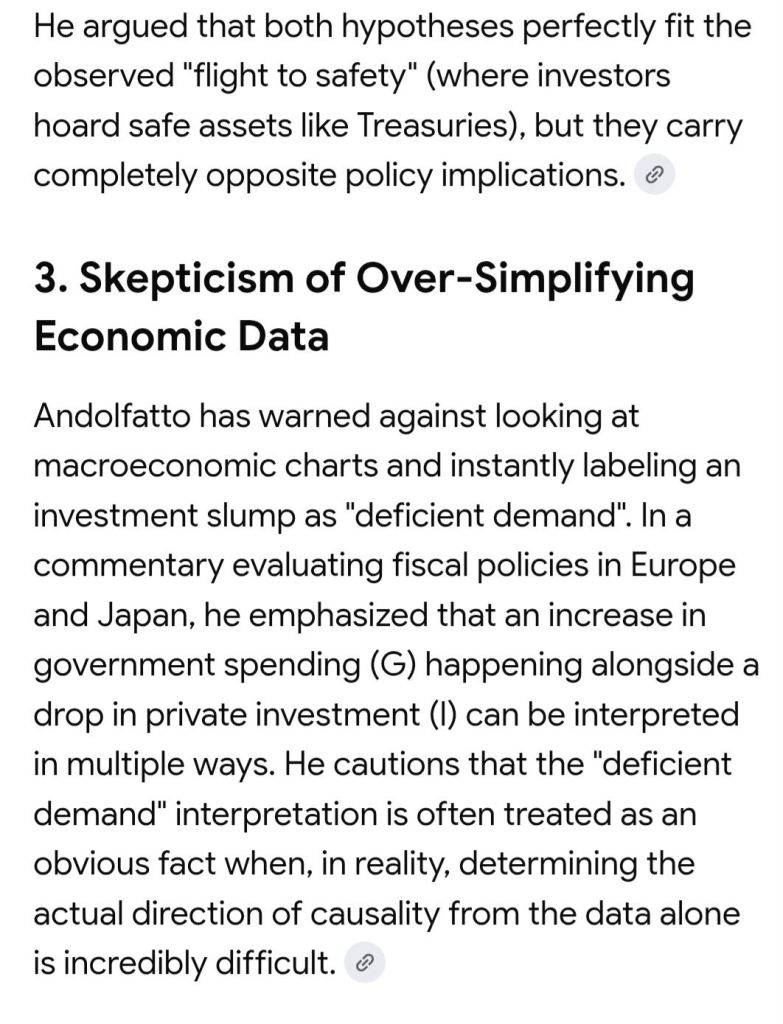
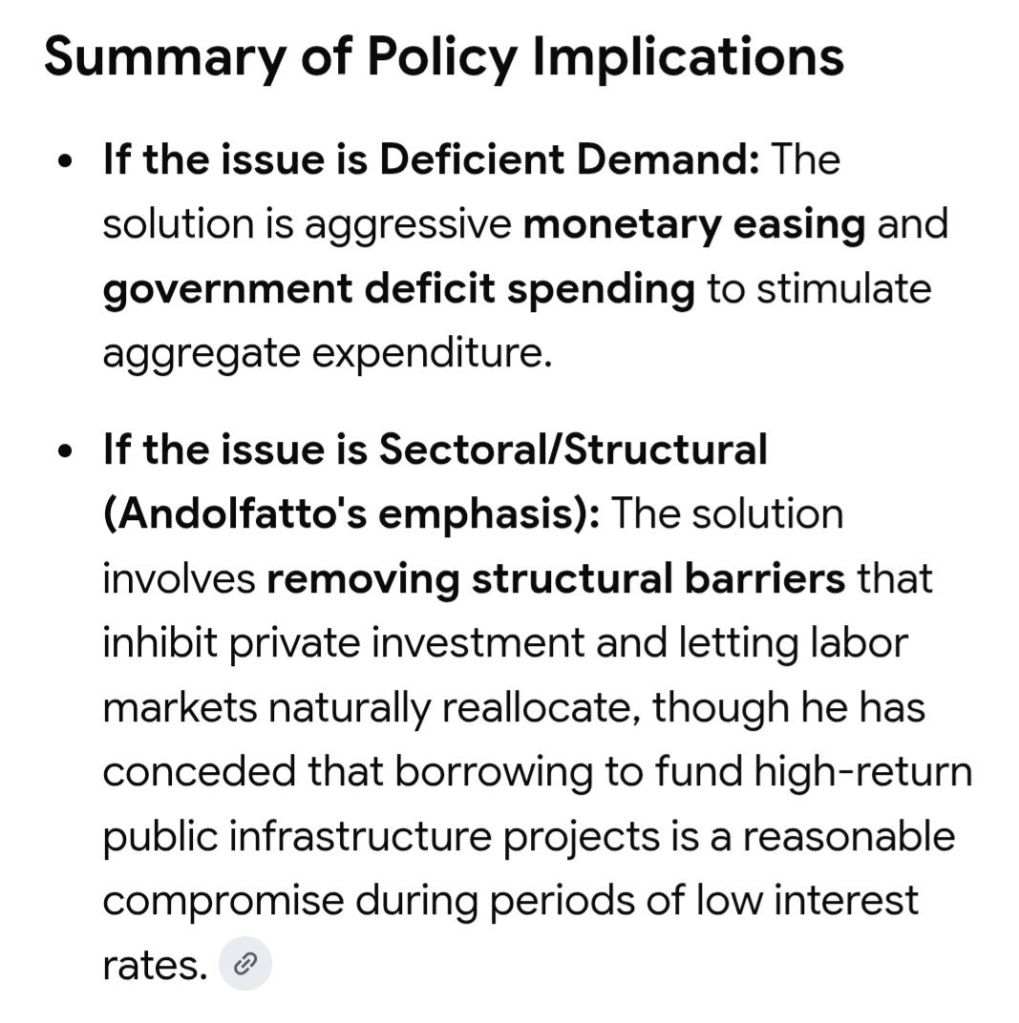
Two AI summaries of @Dandolfa on deficient demand
26 Sep 2026 Leave a comment
in budget deficits, business cycles, fiscal policy, history of economic thought, job search and matching, labour economics, labour supply, macroeconomics, monetary economics, unemployment Tags: monetary policy
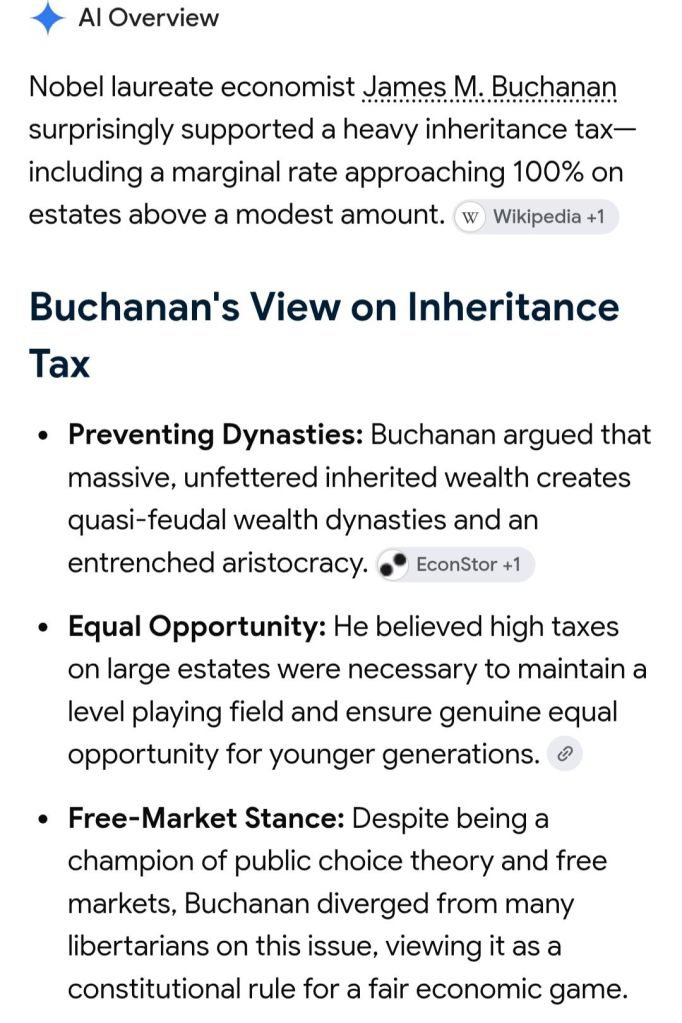
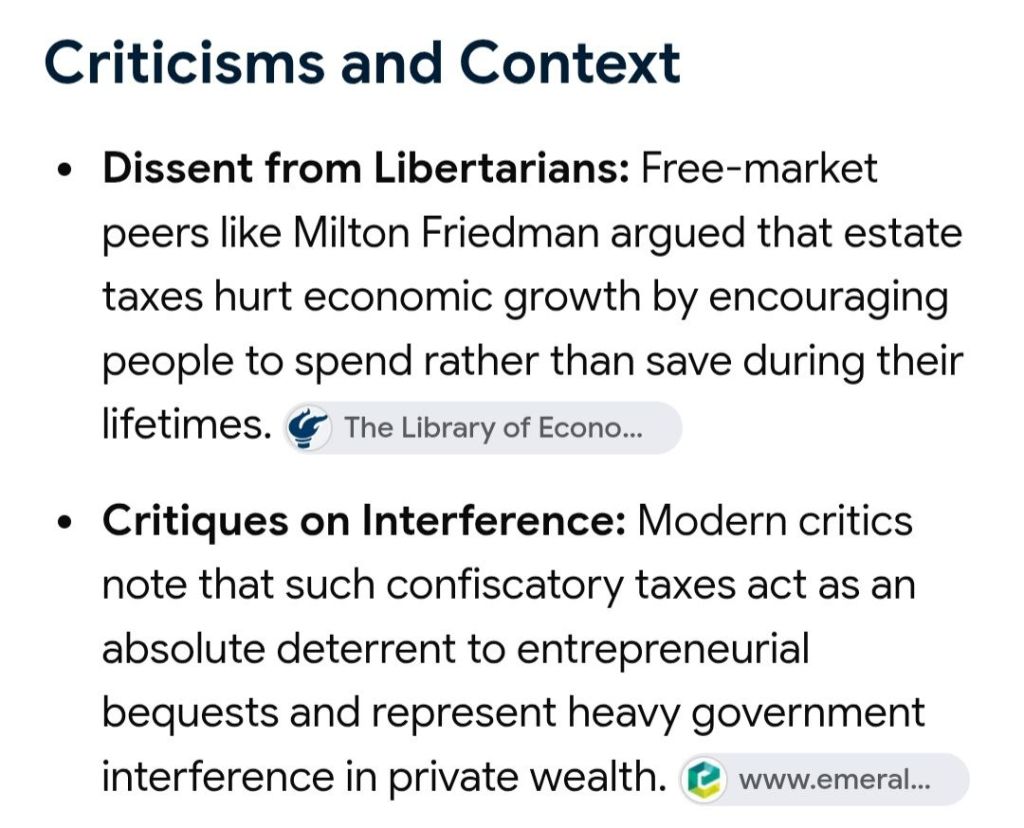
James Buchanan was an unusual neoliberal
26 Sep 2026 Leave a comment
in applied price theory, entrepreneurship, history of economic thought, human capital, income redistribution, James Buchanan, James Buchanan, labour economics, labour supply, Milton Friedman, poverty and inequality, Public Choice, public economics Tags: inheritance tax, taxation and entrepreneurship, taxation and investment


Recent Comments