Opening statements at my Steamboat Institute debate on open borders versus Sohrab Ahmari were so brief that I failed to even finish my slideshow. Since the audience didn’t get to see the whole thing, I’m sharing it here. Remember: This is the only immigration debate I’ve ever done where the resolution was explicitly about “benefit…
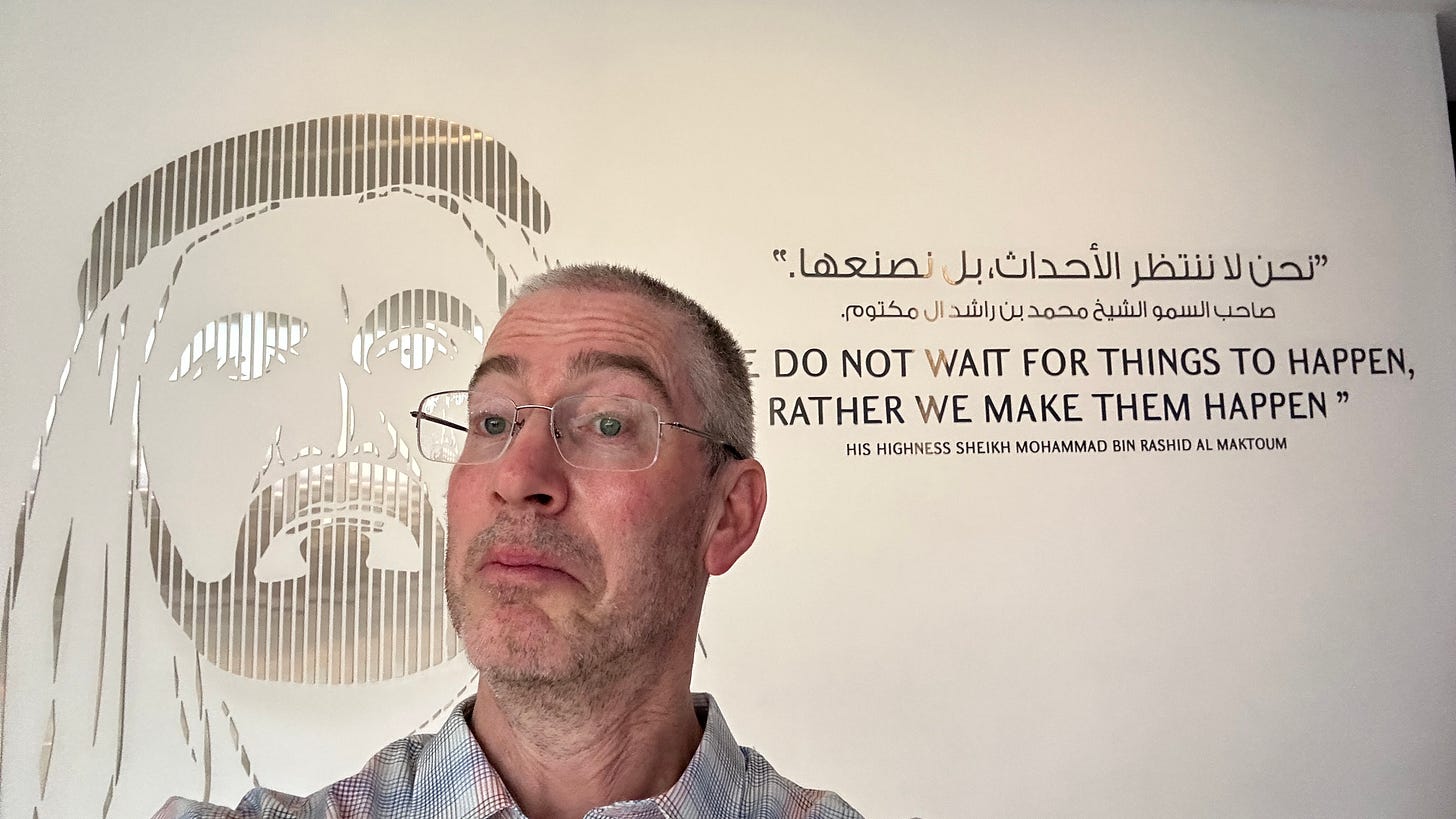
On my way to India, I connected through Abu Dhabi, capital city of the United Arab Emirates (UAE). During my one-day layover, I toured not only Abu Dhabi, but its more famous sister-city, Dubai. Here are my main thoughts.In Dubai, these are not empty words.Per-capita, UAE is the most amazing country I’ve ever seen. With…
News.com.au reports: Richard Marles’ chief of staff says she is “being bullied out” of her dream job after reporting misbehaviour directly to the Deputy Prime Minister. In a press conference on Thursday morning, Jo Tarnawsky said she “loved” her job working for Mr Marles, whom she had known for “more than 10 years”. But she […]
A guest post by Michael Littlewood: So, John Horner of the Financial Markets Authority thinks that KiwiSaver’s reaching $100 bn “…is something to celebrate; for a relatively small country like New Zealand, it represents a coming of age of KiwiSaver.” (FMA 24 September 2024 here). Others in the financial services industry praise KiwiSaver while some call for […]
Chris Morrison provides the analysis in his Daily Sceptic article ONS Reveals the Pitiful Number of New Green Jobs Being Created in the U.K. Economy. Excerpts in italics with my bolds and added images. The problem with the green U.K. economy, and its associated destruction of the hydrocarbon environment, is that there are very few […]
Bryan Caplan will feel vindicated: This paper asks whether universal pre-kindergarten (UPK) raises parents’ earnings and how much these earnings effects matter for evaluating the economic returns to UPK programs. Using a randomized lottery design, we estimate the effects of enrolling in a full-day UPK program in New Haven, Connecticut on parents’ labor market outcomes […]
Over time, a rising US standard of living is driven by productivity growth. Michael Peters succinctly describes the problem in “America Must Rediscover Its Dynamism” (Finance & Development, September 2024). He writes: The US economy has a multitrillion-dollar problem. It’s the dramatic slowdown in productivity growth over the past couple of decades. Between 1947 and…
Our Treasury is at it again. Telling Kiwis a bleak future awaits them, especially in retirement. Its latest report about how NZ Demographic Change will affect the Country’s Finances is enough make the PM’s eyes glaze over, Finance Minister Willis fall asleep, NZ First leader Peters to press Delete on his laptop & everyone else…
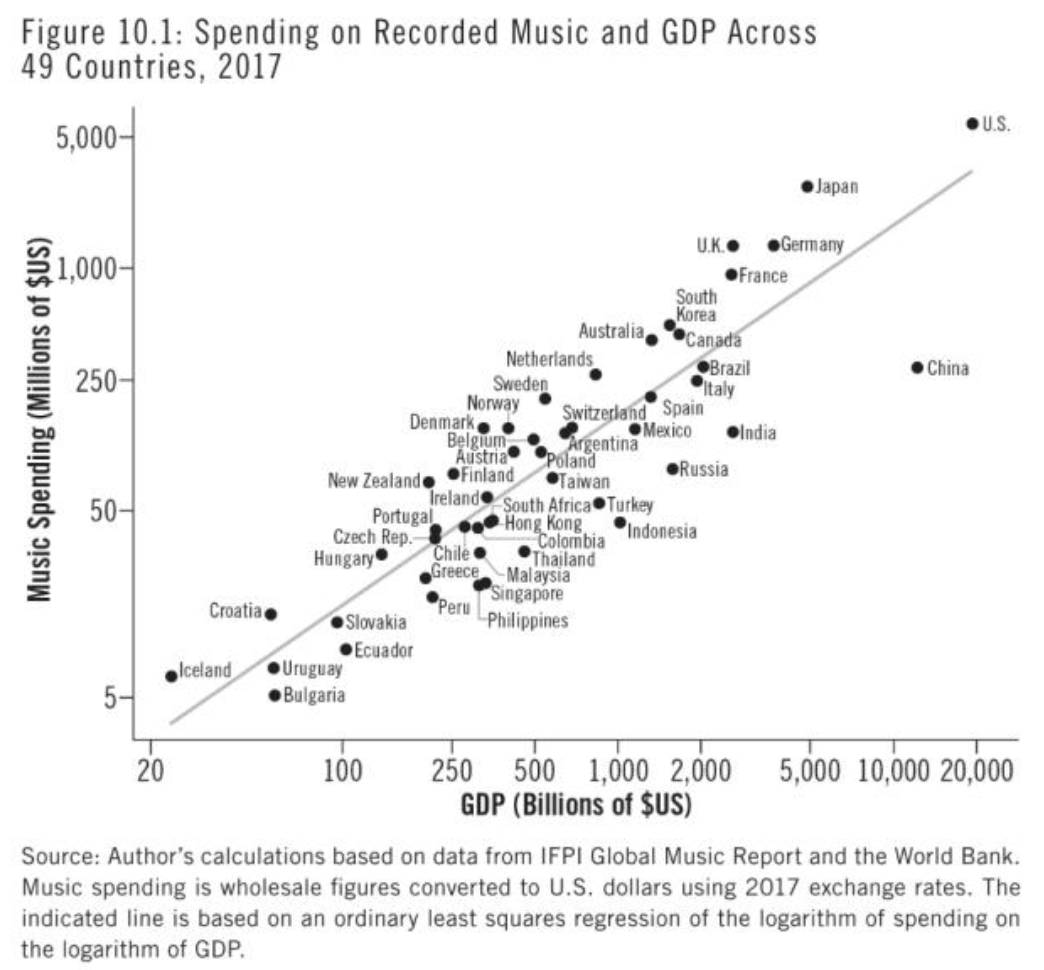
I missed Alan Kreuger’s 2019 book on the economics of popular music when it first came out, but picked it up recently when preparing for a talk on Taylor Swift. It turns out to be a well-written mix of economic theory, data, and interviews with well-known musicians, by an author who clearly loves music. Some […]
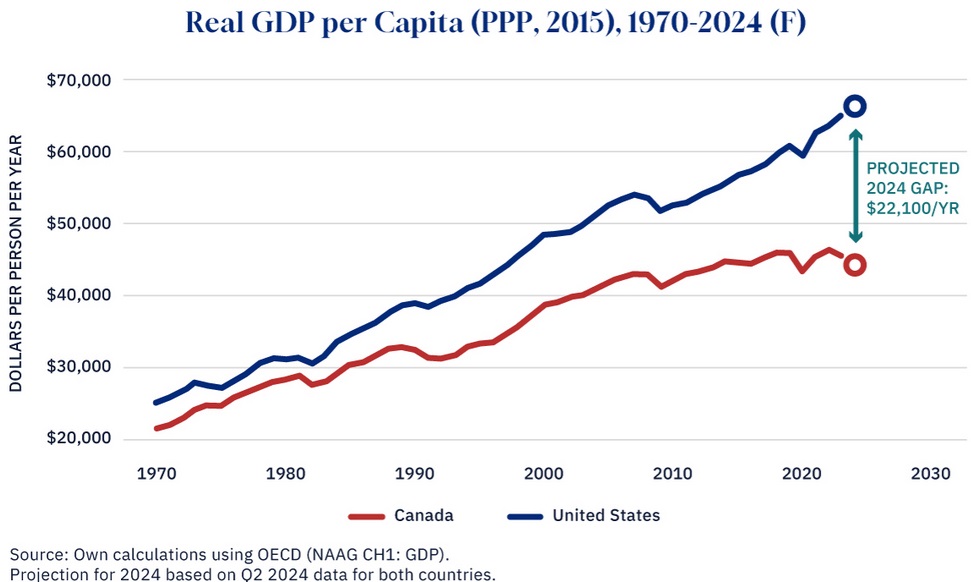
Economists widely agree with the theory of “convergence,” which is the (mostly true) idea that poor nations should grow faster than rich nations as they catch up (converge). But there are exceptions. Sometimes a richer country will grow faster than a poorer country over a significant period of time, and we can learn from these examples. This is […]
On tax policy, our friends on the left are motivated by envy and hatred. As shown in this Stossel video, Robert Reich is a sad example of this mindset. John Stossel understates his argument. It’s not that Reich is wrong. He’s wildly wrong. There are four points in the video that deserve attention. It is […]
Byrne Hobart writes to me: One of the purposes of inheritance taxes is to avoid compounding intergenerational wealth. But The Missing Billionaires points out that if all of America’s millionaires had put their money in broad market indices in 1900, their heirs would number 16,000 billionaires, even accounting for taxes, splitting estates among multiple children, etc. So […]
Why Evolution is True is a blog written by Jerry Coyne, centered on evolution and biology but also dealing with diverse topics like politics, culture, and cats.
In Hume’s spirit, I will attempt to serve as an ambassador from my world of economics, and help in “finding topics of conversation fit for the entertainment of rational creatures.”




Recent Comments