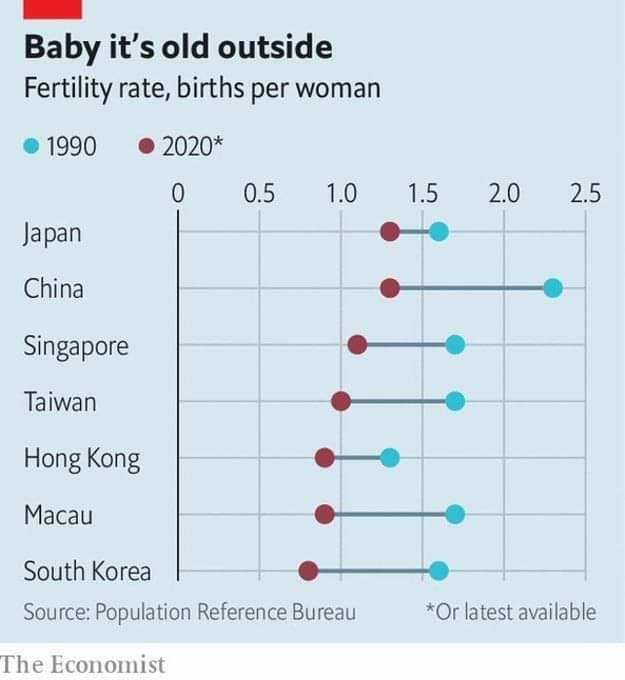
What Actually Happened Right After The Soviet Union Collapsed
14 Jun 2022 Leave a comment
in applied price theory, comparative institutional analysis, constitutional political economy, defence economics, development economics, economic growth, economic history, economics of bureaucracy, economics of crime, growth disasters, history of economic thought, income redistribution, industrial organisation, labour economics, labour supply, law and economics, Marxist economics, privatisation, property rights, Public Choice, rentseeking, theory of the firm, unemployment Tags: fall of communism
Milton Friedman – Imports, Exports & Exchange Rates
11 Jun 2022 Leave a comment
in international economics, labour economics, labour supply, Milton Friedman Tags: free trade
Kate Andrews | Feminism CAN Be Capitalist (4/6) | Oxford Union
08 Jun 2022 Leave a comment
in applied price theory, discrimination, economic history, economics of education, gender, health and safety, human capital, labour economics, labour supply, occupational choice, poverty and inequality Tags: gender wage gap
Economics Of Migration
31 May 2022 Leave a comment
in economic history, human capital, labour economics, labour supply Tags: economics of immigration

Macroeconomic Consequences of the Pandemic with David Andolfatto, Beata Javorcik and Ricardo Reis 27 Aug 2021
22 May 2022 Leave a comment
in budget deficits, business cycles, development economics, economic growth, economic history, growth disasters, growth miracles, health economics, history of economic thought, inflation targeting, job search and matching, labour economics, labour supply, macroeconomics, monetarism, monetary economics, unemployment Tags: economics of pandemics
Kate Andrews debates the gender wage gap on Sky News
22 May 2022 Leave a comment
in applied price theory, discrimination, economics of education, economics of information, gender, health and safety, human capital, labour economics, labour supply, occupational choice, poverty and inequality Tags: gender wage gap, sex discrimination
Highest Paid Athletes in the World (1990-2021)
15 May 2022 Leave a comment
in income redistribution, industrial organisation, labour economics, labour supply, occupational choice, poverty and inequality, sports economics Tags: superstar wages, superstars, top1%
Lee Ohanian on the Importance of Immigration
06 May 2022 Leave a comment
in development economics, discrimination, economic history, entrepreneurship, history of economic thought, human capital, labour economics, labour supply, occupational choice, poverty and inequality Tags: economics of immigration
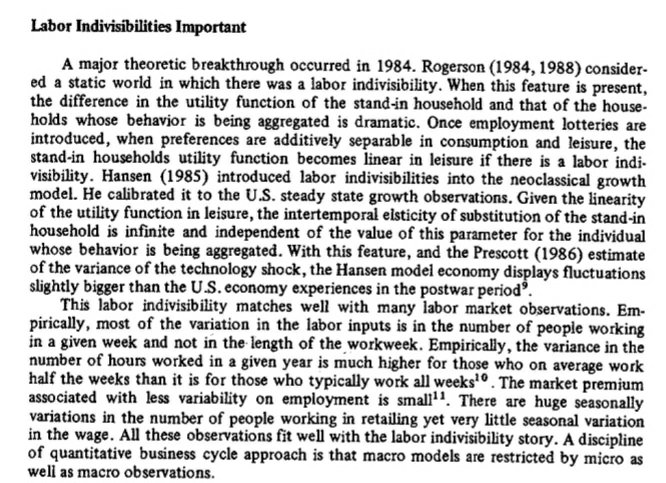
“Economic Policy and Growth of Nation” – by Prof. Finn Kydland
24 Apr 2022 Leave a comment
in applied price theory, budget deficits, business cycles, economic growth, economic history, Euro crisis, fiscal policy, global financial crisis (GFC), great recession, growth disasters, history of economic thought, labour economics, labour supply, macroeconomics, monetary economics, public economics, unemployment Tags: real business cycles
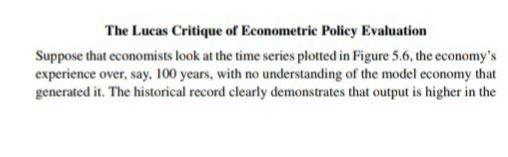
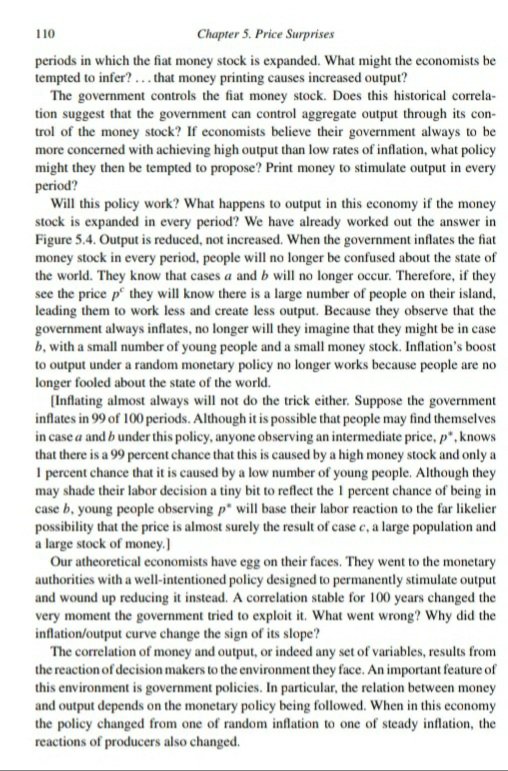
The Lucas critique summarised by Freeman and Champ
22 Apr 2022 Leave a comment
in budget deficits, business cycles, economic growth, labour economics, labour supply, macroeconomics, monetarism, monetary economics, Robert E. Lucas
Thomas Piketty on the Politics of Equality | Conversations with Tyler
21 Apr 2022 Leave a comment
in applied price theory, economic history, economics of education, history of economic thought, human capital, income redistribution, labour economics, labour supply, occupational choice, poverty and inequality, Public Choice, public economics Tags: envy, top 1%


Recent Comments