Charles Murray — The Bell Curve Revisited in 2014
13 Mar 2020 Leave a comment
in discrimination, economics of education, human capital, labour economics, labour supply, occupational choice, poverty and inequality Tags: conjecture and refutation, IQ, philosophy of science, political correctness, regressive left

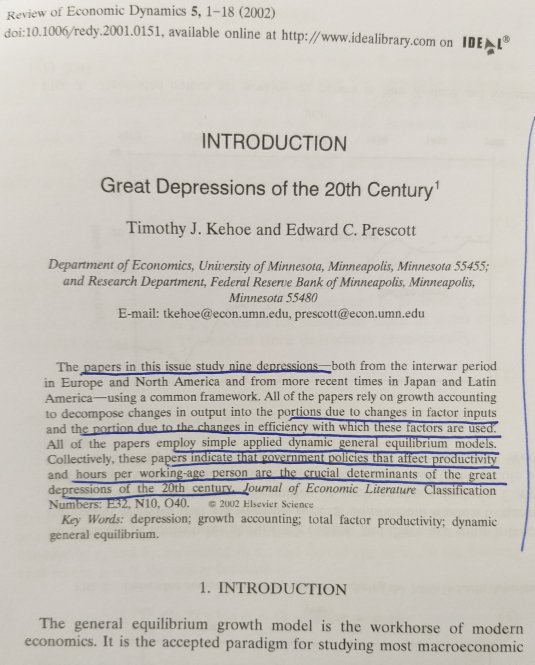
2014 Edward Prescott
13 Mar 2020 Leave a comment
in budget deficits, business cycles, economic growth, economic history, economics of education, Edward Prescott, fiscal policy, global financial crisis (GFC), great depression, great recession, human capital, labour supply, law and economics, macroeconomics, monetarism, monetary economics, property rights Tags: real business cycle theory
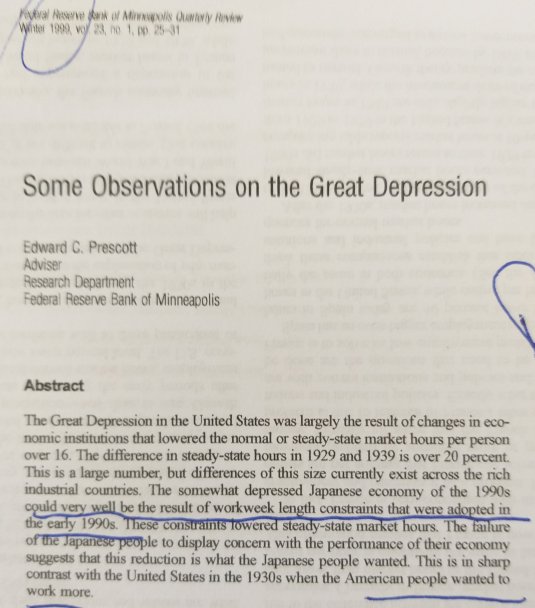
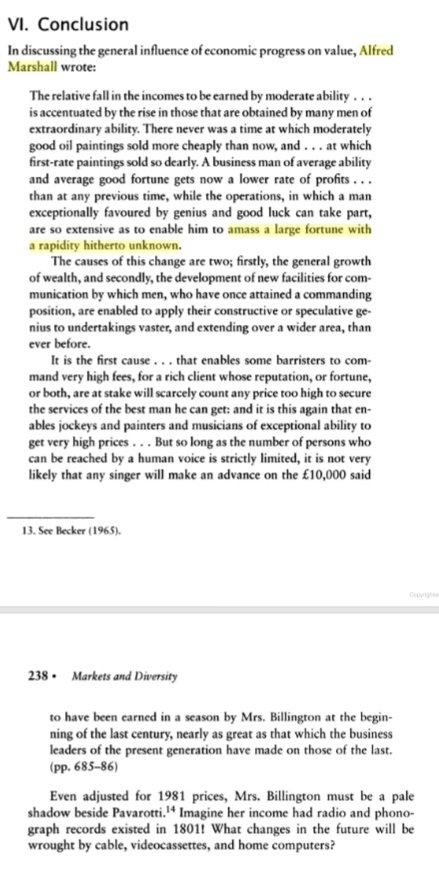

The Bill That Killed Freelance
11 Mar 2020 Leave a comment
in economics of bureaucracy, economics of religion, income redistribution, labour economics, labour supply, law and economics, managerial economics, market efficiency, Marxist economics, occupational choice, occupational regulation, organisational economics, personnel economics, poverty and inequality, property rights, Public Choice, rentseeking, unemployment Tags: employment law
Bryan Caplan & Charles Murray on “Selfish Reasons to Have More Kids”
11 Mar 2020 Leave a comment
in economics of education, economics of love and marriage, health economics, human capital, labour economics, labour supply, law and economics, occupational choice, poverty and inequality Tags: economics of fertility
A 10% rise in benefits induces a 3% to 4% increase in the time injured workers take to return to work
10 Mar 2020 Leave a comment
in applied price theory, economics of crime, health and safety, labour economics, labour supply
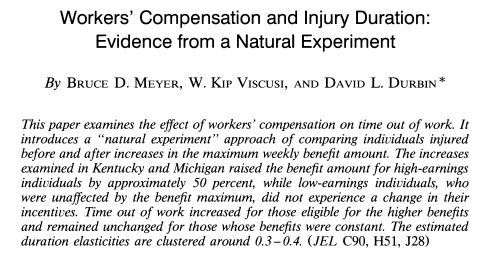
From https://scholarship.law.vanderbilt.edu/cgi/viewcontent.cgi?article=1184&context=faculty-publications
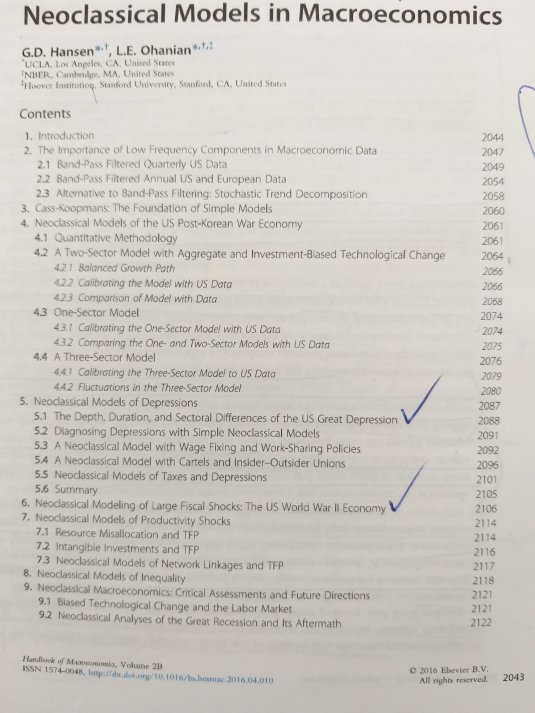
Does real business cycle theory ignore depressions?
10 Mar 2020 Leave a comment
in budget deficits, business cycles, econometerics, economic growth, economic history, Edward Prescott, Euro crisis, fiscal policy, global financial crisis (GFC), great depression, great recession, history of economic thought, labour economics, labour supply, macroeconomics, monetarism, monetary economics, public economics, Robert E. Lucas Tags: real business cycle theory
Paola Sapienza – Does culture affect economic outcomes?
10 Mar 2020 Leave a comment
in entrepreneurship, human capital, international economic law, international economics, International law, labour economics, labour supply, law and economics, property rights, Public Choice Tags: economics of immigration
Steve Kaplan Discusses CEO Pay
08 Mar 2020 Leave a comment
in economics of bureaucracy, economics of crime, economics of education, economics of information, entrepreneurship, financial economics, human capital, income redistribution, industrial organisation, labour economics, labour supply, law and economics, managerial economics, market efficiency, occupational choice, organisational economics, personnel economics, politics - USA, poverty and inequality, property rights, Public Choice, rentseeking, survivor principle Tags: CEO pay, efficient markets hypothesis
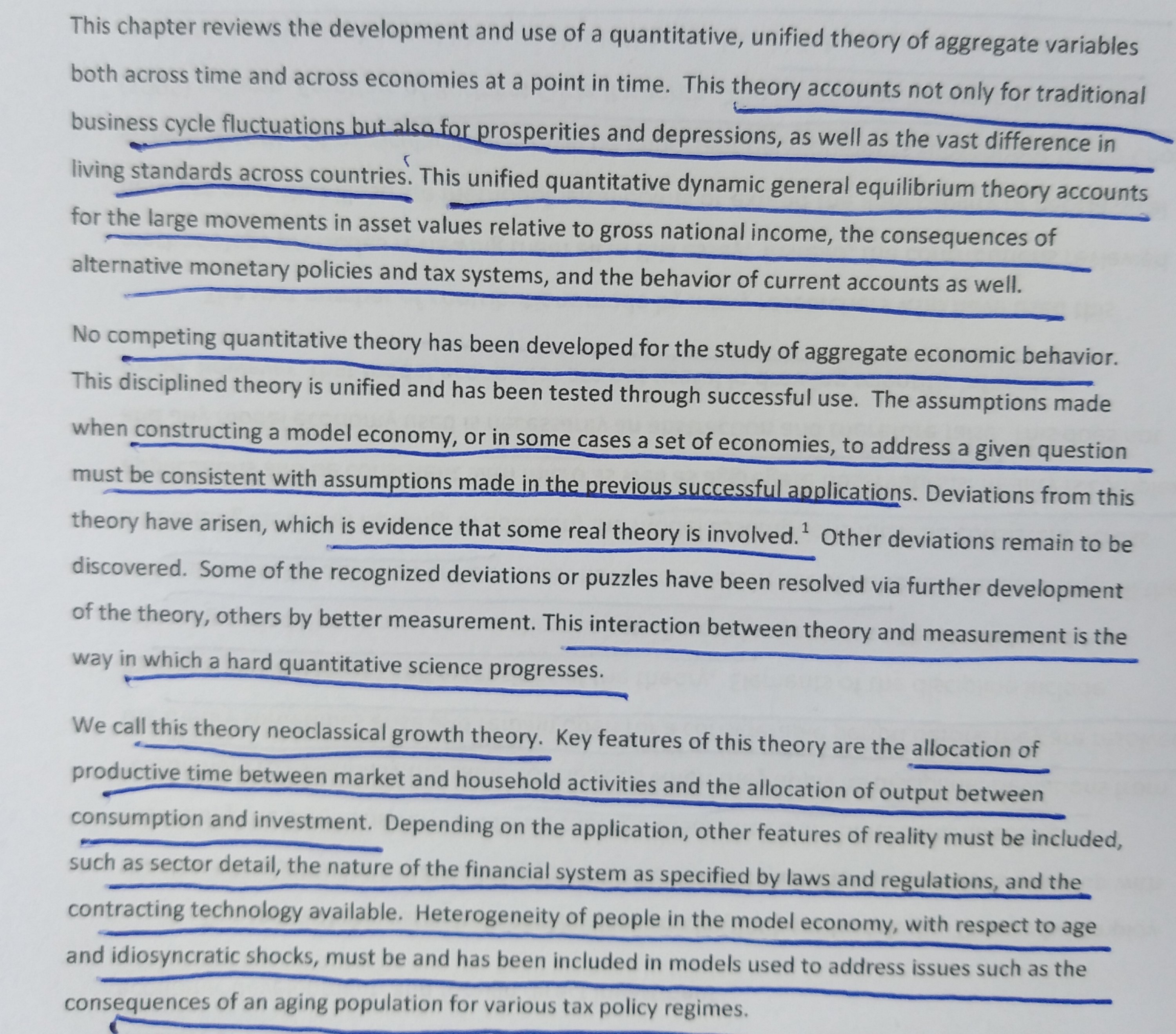
Prescott on real business cycle theory ignoring depressions
08 Mar 2020 Leave a comment
in budget deficits, business cycles, economic growth, economic history, Edward Prescott, Euro crisis, fiscal policy, global financial crisis (GFC), great depression, great recession, history of economic thought, labour supply, macroeconomics, monetary economics Tags: real business cycle theory
Inequality in America: Taxes and the Ultra-Rich | Emmanuel Saez | Steven Kaplan | Luigi Zingales
08 Mar 2020 Leave a comment
in applied price theory, economics of education, entrepreneurship, financial economics, human capital, income redistribution, industrial organisation, labour economics, labour supply, managerial economics, occupational choice, organisational economics, personnel economics, politics - USA, poverty and inequality, Public Choice, public economics, rentseeking Tags: capital gains tax, envy, taxation and entrepreneurship, taxation and investment, top 1%
 Utopia, you are standing in it!
Recent Comments