10 Male “Privileges”
10 Dec 2016 Leave a comment
in discrimination, economics of crime, gender, health economics, human capital, labour economics, labour supply, law and economics, occupational choice Tags: gender wage gap, reverse gender gap
Thomas Sowell – Black Lives and Social Policy
08 Dec 2016 Leave a comment
in applied price theory, discrimination, economics of education, human capital, labour economics, minimum wage, occupational choice, poverty and inequality, unemployment Tags: economics of families, racial discrimination, Thomas Sowell
2015 #PISA gender gaps for reading, science and maths
07 Dec 2016 Leave a comment
in economics of education, gender
The reading gap in favour of teenage girls is the equivalent of 6 to 12 months more education; the science and maths gaps work out to 3 months extra schooling.

SOURCE: Organization for Economic Cooperation and Development (OECD), Program for International Student Assessment (PISA), 2015 Reading, Mathematics and Science Assessment.
2015 PISA reverse gender gap in reading, USA, UK, Japan, France, Germany, Canada, Australia and New Zealand
07 Dec 2016 Leave a comment
in economics of education, gender, human capital, labour economics, occupational choice Tags: lost boys, PISA, reverse gender gap
This reading gap is the equal if 6-12 months extra school.for girls.

SOURCE: Organization for Economic Cooperation and Development (OECD), Program for International Student Assessment (PISA), 2015 Reading, Mathematics and Science Assessment.
Are We Better Off If We Buy Local?
07 Dec 2016 Leave a comment
in applied price theory, development economics, economic history, industrial organisation, international economics, labour economics Tags: buy local
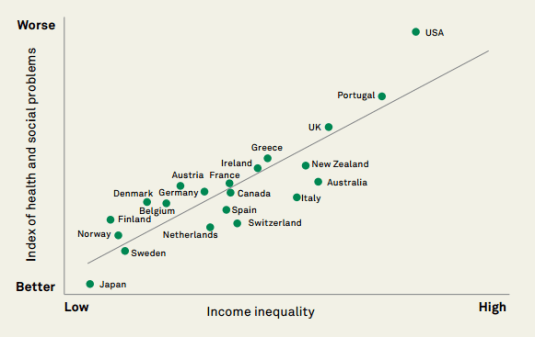
Why doesn’t the Left want us to be more like low tax Japan, not high-tax Sweden?
07 Dec 2016 Leave a comment
in applied welfare economics, comparative institutional analysis, population economics, poverty and inequality
Why did poverty start falling noticeably in the 1990s in the USA?
06 Dec 2016 Leave a comment
in economic history, labour economics, labour supply, politics - USA, poverty and inequality, welfare reform
The old and new theories of monopsony have clashing predictions
06 Dec 2016 Leave a comment
in applied price theory, labour economics, minimum wage Tags: job search and matching, monopsony
Robinson’s (1933) theory of monopsony, of employer market power, is about fewness in the number of employers allow them to pay below-market wages. This means a minimum wage will raise wages, employment and, importantly, output. Her’s is a joint hypothesis. Employers will hire more workers and will produce more which means the firm must cut its prices to sell this additional output.

The new theories of monopsony such as in Manning’s Monopsony in Motion: Imperfect Competition in the Labour Market have ambiguous predictions about output and employment because they arise out of how the surplus from job matching is split. They acknowledge the possibility that some firms will close because they cannot afford the higher minimum wage rate.
The old monopoly monopsony theories are vindicated if output rises and prices fall as they must to sell the additional output. The new monopsony theories are vindicated if some firms close but employment does not fall much.
Because the new monopsony theories arise from a specific hypothesis about the labour market that it more difficult for larger employers to recruit, Kuhn (2005) argued that the title “Search Models with Ex-Ante Posted Wages in Motion, while considerably more accurate than Monopsony on Motion, is less catchy”.

Fair Trade: Does It Help Poor Workers? Normative sociology alert
02 Dec 2016 Leave a comment
in applied price theory, development economics, international economics, labour economics, labour supply Tags: fair trade
Maybe if we had called more people racist Trump would not have won?
02 Dec 2016 1 Comment
in discrimination, economics of media and culture, gender, politics - USA, Public Choice Tags: 2016 presidential election, identity politics, political correctness
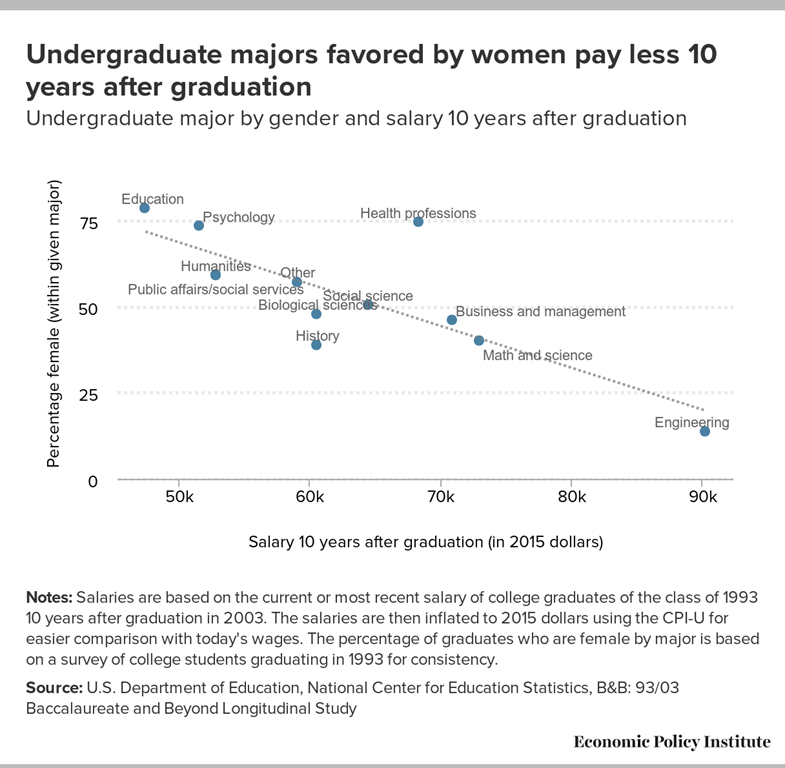
Undergraduate majors favoured by women pay less 10 years after graduation
02 Dec 2016 Leave a comment
Women Working: What’s the Pill Got to Do With It?
01 Dec 2016 Leave a comment
in applied price theory, discrimination, economic history, economics of education, gender, health economics, human capital, labour economics, labour supply, occupational choice Tags: contraception, gender gap, gender wage gap


Recent Comments