
How to tell if you are a modern progressive – a two-part test by Scott Sumner
13 Apr 2016 Leave a comment
in international economics, labour economics, minimum wage, politics - New Zealand, politics - USA Tags: antiforeign bias, antimarket bias, expressive voting, Leftover Left, living wage, makework bias, rational irrationality
What undergrads and @stevenljoyce need to know about trade @GreenCatherine
12 Apr 2016 Leave a comment
in applied price theory, applied welfare economics, development economics, international economics, job search and matching, labour economics, labour supply, macroeconomics, politics - New Zealand Tags: antiforeign bias, free trade, makework bias, Paul Krugman, protectionism, tariffs, trade policy
Minister for everything Stephen Joyce wrote some nonsense in the paper today about how trade agreements and more exports will mean more jobs:
I would like to make the point that trade access is hugely important for a small country like New Zealand.
Without fair and equal trade access we can’t sell as much of our goods and we get less for them. And that means fewer jobs.
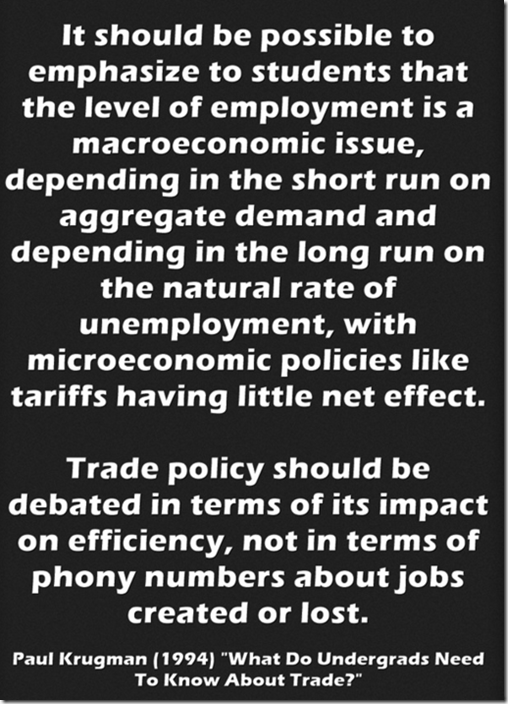
This make-work bias is as bad as those who oppose trade agreements on the grounds of an anti-foreign bias. Trade affects the composition of employment, not the number of jobs. Paul Krugman spent a good part of the 1990s trying to explain that to the general public and public intellectuals.
Is America racist?
11 Apr 2016 Leave a comment
in discrimination, economic history, economics Tags: racism
1992 Camille Paglia trashes Gloria Steinem wing of feminism
10 Apr 2016 Leave a comment
in discrimination, economics of love and marriage, economics of media and culture, gender, labour economics, law and economics, politics - Australia, politics - New Zealand, politics - USA, television Tags: feminism
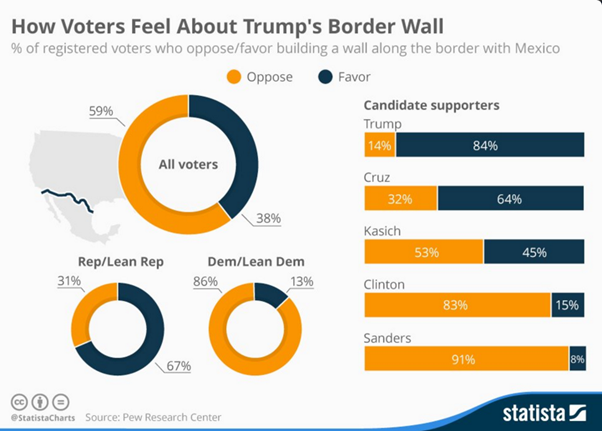
@BernieSanders just wants to build a different type of wall to @realdonaldtrump’s
09 Apr 2016 Leave a comment
in applied price theory, applied welfare economics, development economics, growth disasters, growth miracles, industrial organisation, international economics, labour economics, labour supply, politics - USA Tags: 2016 presidential election, antiforeign bias, economics of immigration, left-wing popularism, Mexico, NAFTA, right-wing popularism, The Great Escape, trade agreements

@billclinton absolutely nails #blacklivesmatter
09 Apr 2016 Leave a comment
in discrimination, economics of crime, law and economics, politics - USA, poverty and inequality Tags: 2016 presidential election, Bill Clinton, crime and punishment, law and order, police shootings, street gangs
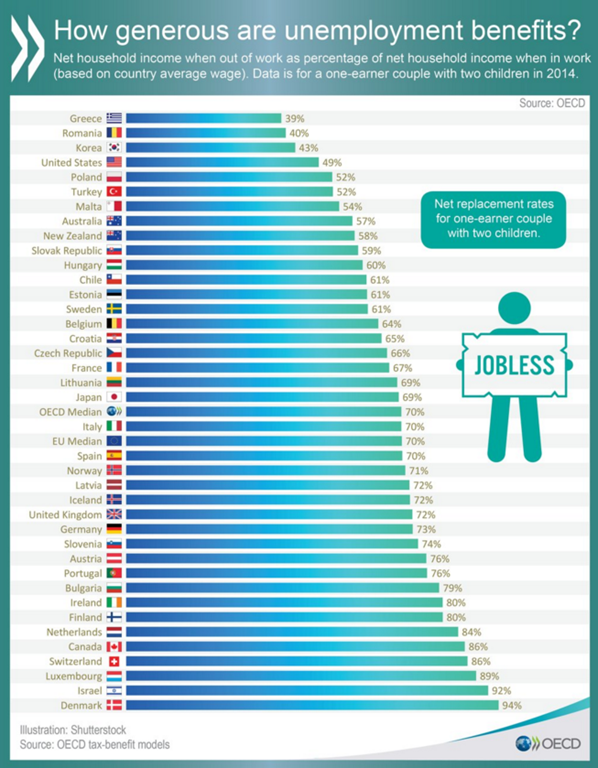
@BernieSanders @GrantRobertson1 why does anyone bother to work in #Denmark?
06 Apr 2016 Leave a comment
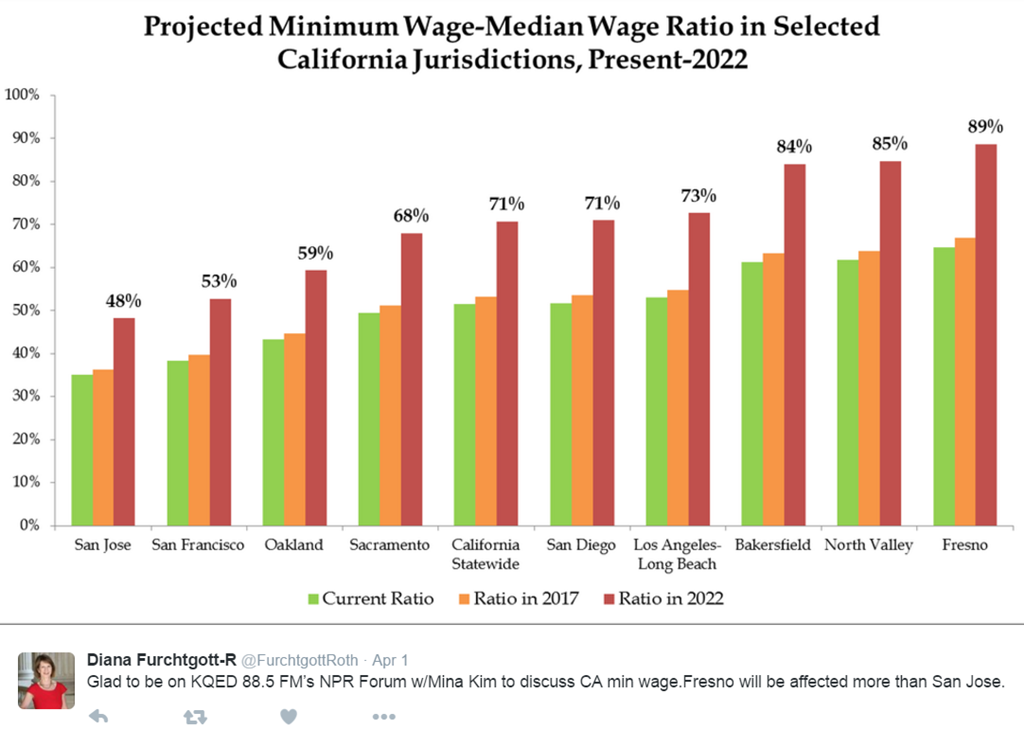
Do minimum wages stimulate productivity? @BernieSanders @livingwageNZ
06 Apr 2016 Leave a comment
in econometerics, labour economics, labour supply, minimum wage, politics - New Zealand, politics - USA, poverty and inequality Tags: living wage, The fatal conceit, The pretence the knowledge

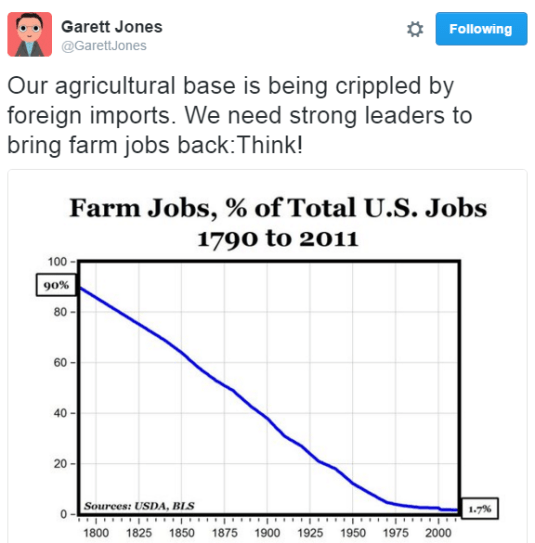
@jeremycorbyn @realdonaldtrump @BernieSanders would want to save these jobs
05 Apr 2016 Leave a comment

Which occupations have the longest commutes?
05 Apr 2016 Leave a comment
in human capital, labour economics, occupational choice, transport economics, urban economics Tags: commuting times, compensating differentials

Intersectional Feminism: What is it?
04 Apr 2016 Leave a comment
in discrimination, economics, gender, labour economics Tags: gender gap
@garethmorgannz’s @grantrobertson1’s #UBI is worse than I thought @JordNZ
03 Apr 2016 Leave a comment
in applied welfare economics, labour economics, labour supply, politics - New Zealand, poverty and inequality, welfare reform Tags: expressive voting, New Zealand Labour Party, rational irrationality, universal basic income
The Universal Basic Income of $11,000 per adult proposed by the Morgan Foundation and floated as a idea to consider by the New Zealand Labour Party leaves the poor way below even that the stingy as the poverty line switch is that 50% relative poverty line. Little wonder that the Labour Party said that increasing the Universal Basic Income to avoid leaving current beneficiaries worth off would lead to a very high tax rate.

Source: A Universal Basic Income may be a good idea – but we will still need social security that works.


Recent Comments