16 Jul 2015
by Jim Rose
in discrimination, gender, human capital, labour economics, labour supply, occupational choice
Tags: asymmetric marriage premium, economics of families, gender wage gap, motherhood penalty
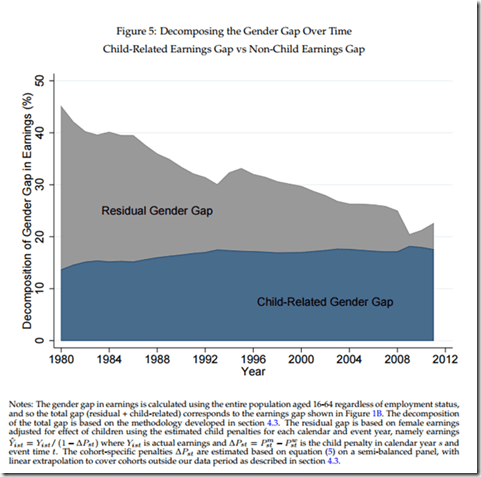
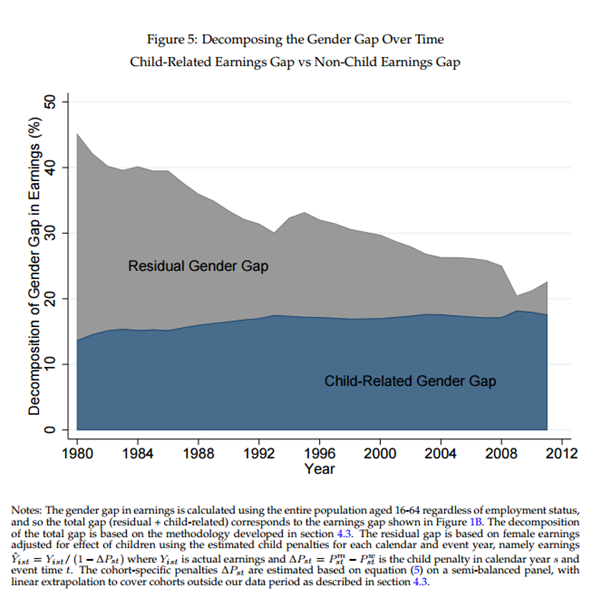
Source: Parenthood and the Gender Gap: Evidence from Denmark by Henrik Jacobsen Kleven, Camille Landais and Jakob Egholt Søgaard, University of Copenhagen January 2015 at http://eml.berkeley.edu/~webfac/auerbach/Landais2015.pdf
16 Jul 2015
by Jim Rose
in economic growth, labour economics, labour supply, minimum wage, politics - New Zealand, poverty and inequality, unemployment, welfare reform
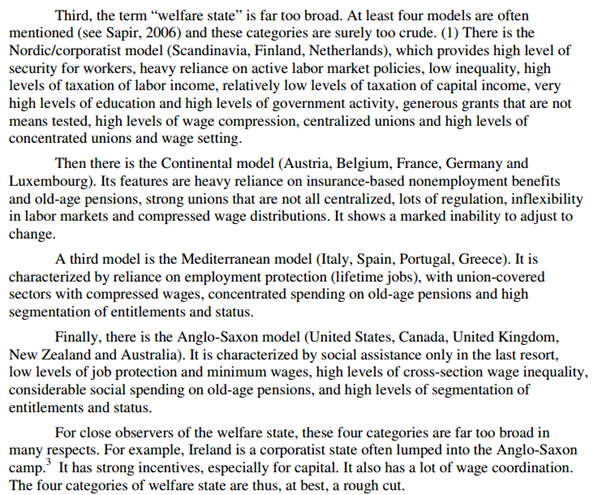
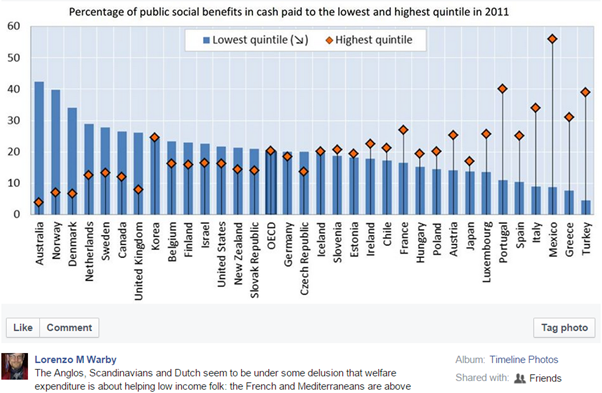
Tags: child poverty, family poverty, family tax credits, in-work tax credits, social insurance, welfare reform, welfare state

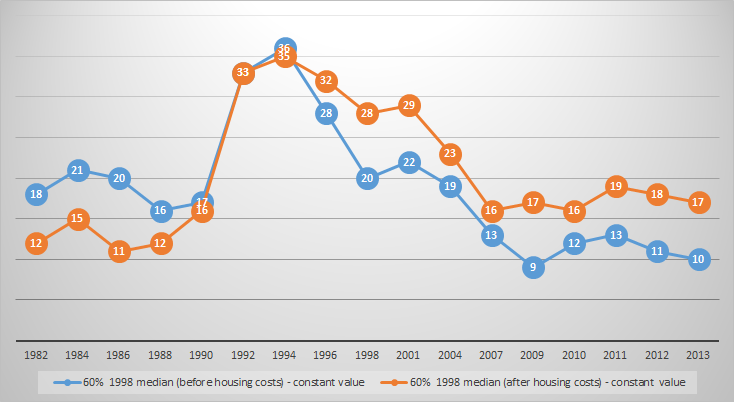
Figure 1: child poverty (%) in New Zealand (before and after housing costs), 1982 – 2013
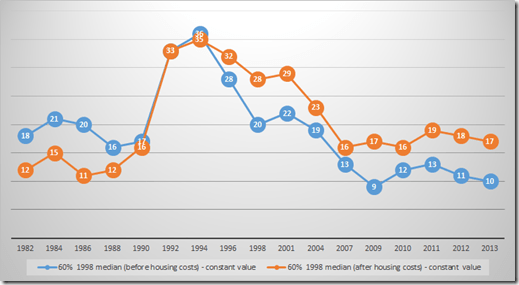
Source: Bryan Perry, Household incomes in New Zealand: Trends in indicators of inequality and hardship 1982 to 2013. Ministry of Social Development (July 2014), Tables F.6 and F.7.
16 Jul 2015
by Jim Rose
in discrimination, economics of education, gender, labour economics, labour supply
Tags: cognitive psychology, educational psychology, lost boys, PISA, Psychology, reversing gender gap
Figure 1: % of students achieving a proficiency level below 2 in science by gender, USA, UK, New Zealand, Japan, Canada and Australia, 2012
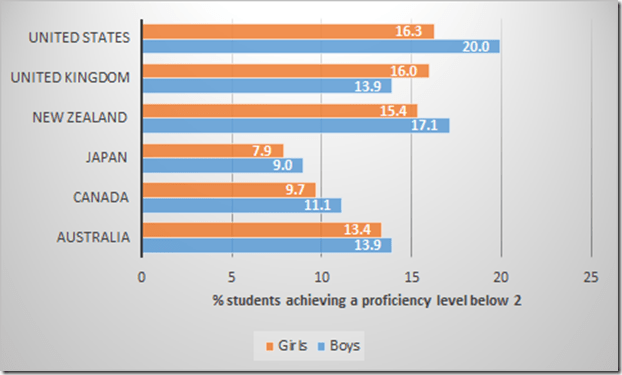
Source: OECD StatExtract.
16 Jul 2015
by Jim Rose
in applied price theory, applied welfare economics, Austrian economics, comparative institutional analysis, constitutional political economy, development economics, economic history, economics of bureaucracy, economics of education, economics of regulation, economics of religion, energy economics, entrepreneurship, environmental economics, financial economics, growth disasters, growth miracles, income redistribution, industrial organisation, international economics, labour economics, labour supply, liberalism, poverty and inequality, Public Choice, rentseeking, survivor principle, transport economics, urban economics
Tags: Deirdre McCloskey, entrepreneurial alertness, The Great Enrichment, The Great Escape, The Great Fact, top 1%
15 Jul 2015
by Jim Rose
in business cycles, currency unions, economic growth, Euro crisis, fiscal policy, job search and matching, labour economics, macroeconomics, unemployment
Tags: ageing society, demographic crisis, economic reform, employment law, employment regulation, Greece, labour market deregulation, Margaret Thatcher, pension reform, privatisation, Roger Douglas, social insurance, sovereign bailouts, sovereign defaults, welfare state
15 Jul 2015
by Jim Rose
in discrimination, economics of education, gender, human capital, labour economics
Tags: cognitive psychology, education, lost boys, PISA, Psychology, reversing gender gap
Figure 1: % of students achieving a proficiency level below 2 in reading by gender, USA, UK, New Zealand, Japan, Canada and Australia, 2012

Source: OECD StatExtract.
15 Jul 2015
by Jim Rose
in Euro crisis, global financial crisis (GFC), great recession, job search and matching, labour economics, labour supply, macroeconomics, unemployment, welfare reform
Tags: equilibrium unemployment rate, Eurosclerosis, natural unemployment rate, unemployment duration
14 Jul 2015
by Jim Rose
in international economics, labour supply, minimum wage, politics - Australia, politics - New Zealand, politics - USA, poverty and inequality, welfare reform
Tags: Australia, British economy, Canada, low pay, New Zealand, social insurance, welfare state, working poor
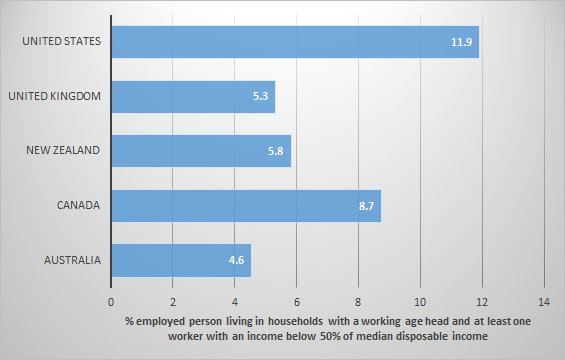
Figure 1: working poor – proportion of employed persons with income below the poverty line (50% of median disposable income) living in households with a working age head and at least one worker in USA, UK, Canada, Australia and New Zealand, 2013
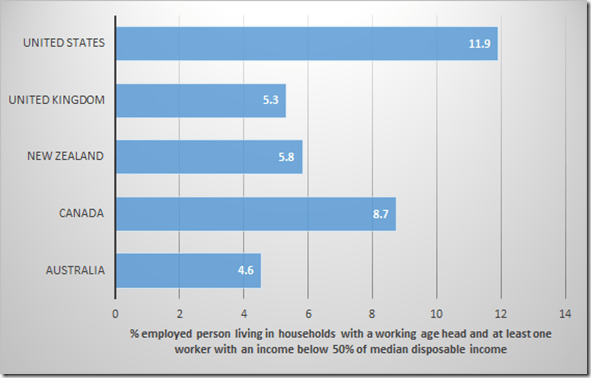
Source: In It Together – Why Less Inequality Benefits All – © OECD 2015, OECD Income Distribution Database (IDD), www.oecd.org/social/income-distribution-database.htm, Table 1.A1.1. Key indicators on the distribution of household disposable income and poverty, 2007, 2011 and 2013 or most recent year.
Previous Older Entries Next Newer Entries





Recent Comments