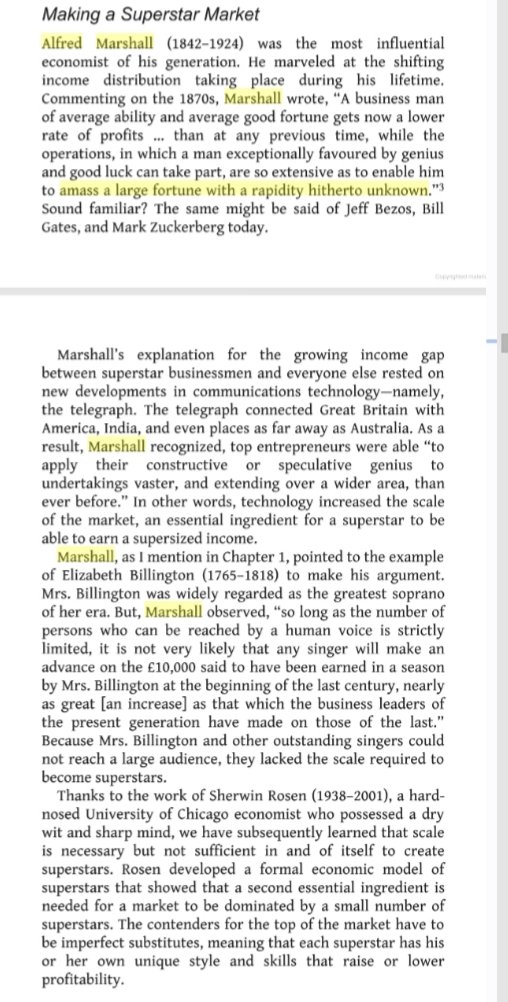
Still more on #marilynwaring and economists ignoring home production @waring_marilyn @women_nz
17 Apr 2020 Leave a comment
in business cycles, development economics, discrimination, econometerics, economic growth, economics of love and marriage, fiscal policy, gender, human capital, labour economics, labour supply, macroeconomics, occupational choice, poverty and inequality Tags: female labour force participation, female labour supply, gender wage gap, marital division of labour, marital labour supply
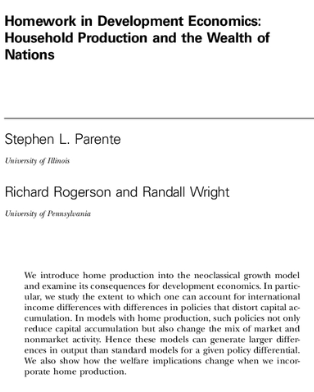
For @BernieSanders @AOC @SenWarren voters relying on @Amazon in the lockdown by Steve Kaplan
14 Apr 2020 Leave a comment
in applied price theory, economic history, entrepreneurship, financial economics, human capital, income redistribution, labour economics, Marxist economics, occupational choice, politics - USA, poverty and inequality, public economics Tags: envy, taxation and entrepreneurship, taxation and investment, top 1%
Angus Deaton on what COVID-19 means for inequality and ‘Deaths of Despair’
14 Apr 2020 Leave a comment
in applied welfare economics, economic history, human capital, labour economics, labour supply, occupational choice, poverty and inequality Tags: child poverty, family poverty
More on #marilynwaring and economists ignoring home production @waring_marilyn
12 Apr 2020 Leave a comment
in business cycles, discrimination, econometerics, gender, labour economics, labour supply, macroeconomics, poverty and inequality Tags: gender wage gap
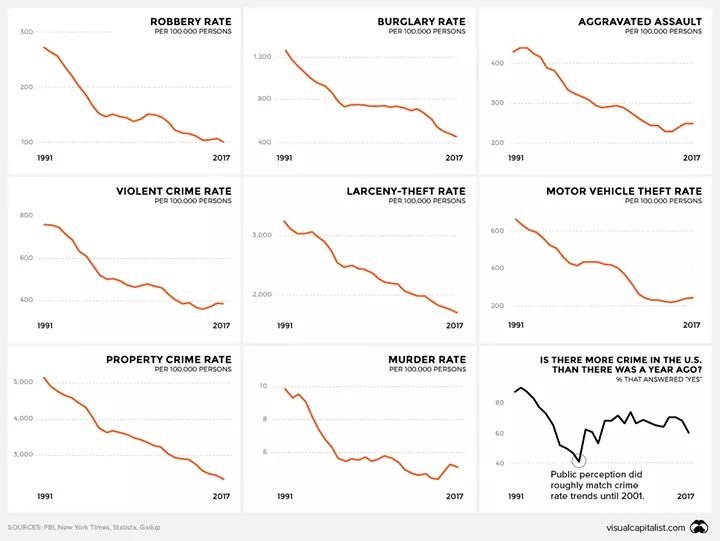
How much of 20th century growth were one-off productivity gains?
25 Mar 2020 Leave a comment
in discrimination, economic growth, economic history, economics of education, gender, human capital, labour economics, labour supply, occupational choice, occupational regulation, politics - USA, poverty and inequality, Public Choice
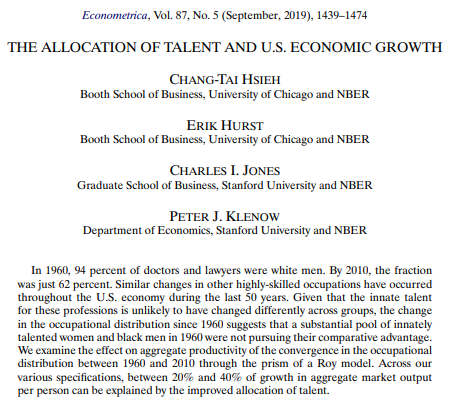
How was the war on poverty going?
20 Mar 2020 Leave a comment
in economic history, income redistribution, labour economics, politics - USA, poverty and inequality
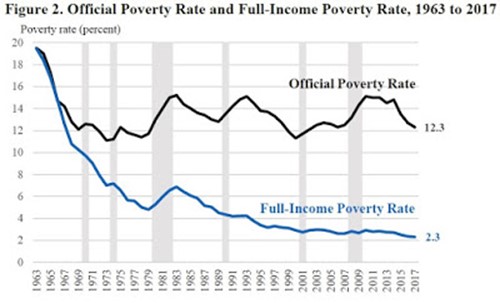
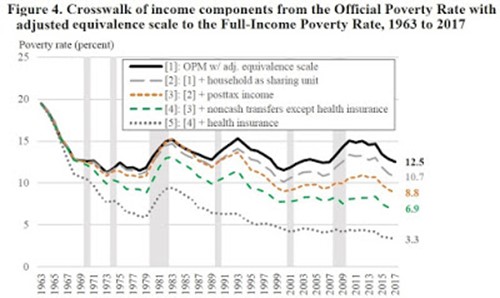
the Full-income Poverty Measure estimates the share of people in poverty using a post-tax, (comprehensive or full) post-transfer definition of income. Similar to the Official Poverty Measure, it includes market income (wages and salaries, self-employment and business income, farm income, retirement income from pensions, dividends, interest, rent and alimony) and cash transfers (Aid to Families with Dependent Children/Temporary Assistance for Needy Families, Social Security and workers’ compensation). It then adds the market value of health and non-health in-kind transfers (food stamps/SNAP, subsidized school lunches, rental housing assistance, and Medicare and Medicaid) as well as the market value of employer-provided health insurance. It subtracts Federal income and payroll taxes but adds tax credits including the Earned Income Tax Credit, Child Tax Credit, and Additional Child Tax Credit (the refundable portion of the CTC) based on estimated tax liabilities using NBER Taxsim 9.3 (Feenberg and Coutts 1993). We impute several of these income sources in the early years of our analysis because they were not collected in the CPS-ASEC.
From https://www.iza.org/publications/dp/12855/evaluating-the-success-of-president-johnsons-war-on-poverty-revisiting-the-historical-record-using-a-full-income-poverty-measure via http://conversableeconomist.blogspot.com/2020/03/us-poverty-over-time-how-to-compare.html
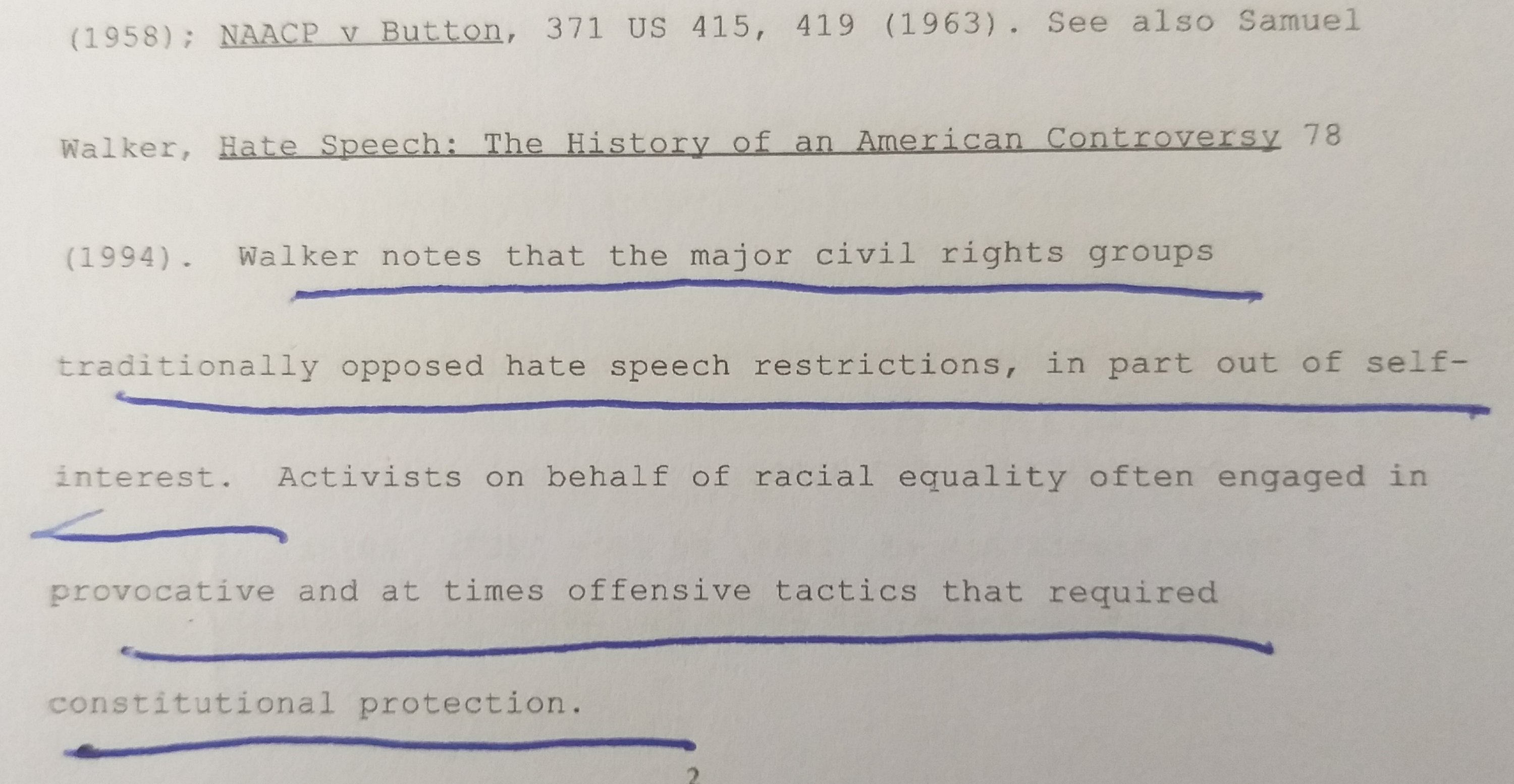
.@ProfDBernstein reminds the woke of who gains from hate speech laws
14 Mar 2020 Leave a comment
in comparative institutional analysis, constitutional political economy, discrimination, economic history, law and economics, politics - Australia, politics - New Zealand, politics - USA, poverty and inequality, Public Choice Tags: free speech, political correctness, regressive left
Charles Murray — The Bell Curve Revisited in 2014
13 Mar 2020 Leave a comment
in discrimination, economics of education, human capital, labour economics, labour supply, occupational choice, poverty and inequality Tags: conjecture and refutation, IQ, philosophy of science, political correctness, regressive left
The Bill That Killed Freelance
11 Mar 2020 Leave a comment
in economics of bureaucracy, economics of religion, income redistribution, labour economics, labour supply, law and economics, managerial economics, market efficiency, Marxist economics, occupational choice, occupational regulation, organisational economics, personnel economics, poverty and inequality, property rights, Public Choice, rentseeking, unemployment Tags: employment law
Bryan Caplan & Charles Murray on “Selfish Reasons to Have More Kids”
11 Mar 2020 Leave a comment
in economics of education, economics of love and marriage, health economics, human capital, labour economics, labour supply, law and economics, occupational choice, poverty and inequality Tags: economics of fertility
 Utopia, you are standing in it!
Recent Comments