
What would @golrizghahraman do if this was a Northlands beach? @AmnestyNZ
25 Nov 2017 Leave a comment
in Economics of international refugee law, politics - New Zealand
Yes, Minister meeting with the Chief Whip
24 Nov 2017 Leave a comment
in defence economics, economics of crime, economics of regulation, television, welfare reform Tags: Yes Minister
Did @Greens @NZGreens @SenSanders denounce the wet feet, dry feet policy applied to Cuban refugees?
24 Nov 2017 Leave a comment
in Economics of international refugee law, International law, Marxist economics, politics - USA
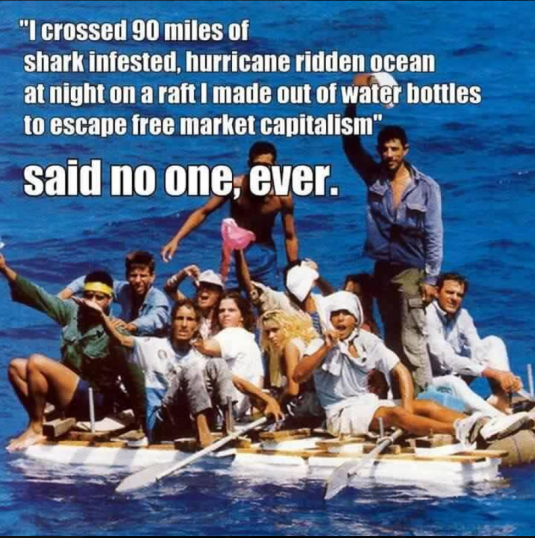

Asked about three specific Cuba policies — the Cuban Adjustment Act; wet-foot, dry-foot; and the immigration status of Cuban nationals convicted of state and federal crimes — Sanders said he didn’t know enough about them to opine.
A Day Without Men
24 Nov 2017 Leave a comment
in discrimination, economics of love and marriage, gender, labour economics Tags: reverse gender gap
Since the 1960s, fathers doubled the time they spend on housework and tripled their hours of childcare
19 Nov 2017 Leave a comment
in discrimination, economics of love and marriage, gender, labour supply, occupational choice, population economics
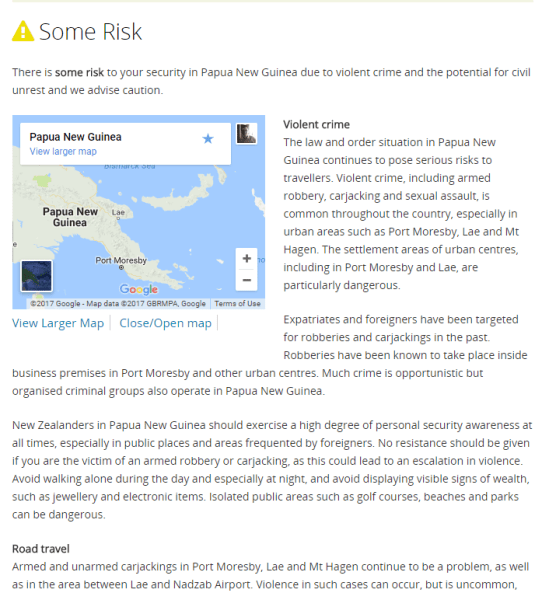
Is travelling in Papua New Guinea that dangerous?
14 Nov 2017 Leave a comment
in development economics, economics of crime
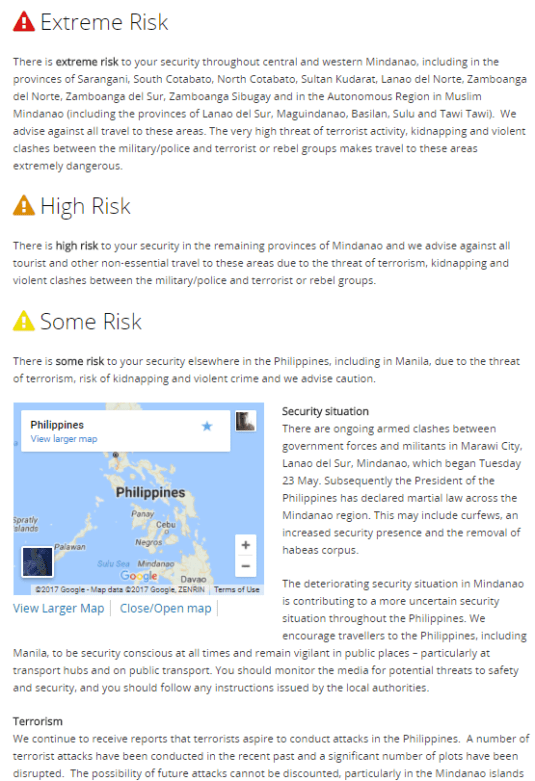
The Manus Island debates led me to notice I have travelled in far more dangerous places such as the Philippines. Also, if you are thinking are going to Bali, read its travel advisory.
When travelling to the Philippines, we make sure we are already outside of Manila because of the stray bullets on New Year’s Eve. There are guns everywhere. A M-16 looks a lot smaller in the flesh than on the telly.
Philippine banks have 3 security guards at the front with guns pointing horizontally ready to go at bank robbers. The Manila airport chief was assassinated a few years ago because she crackdown on corruption. The assassination was by a sniper.
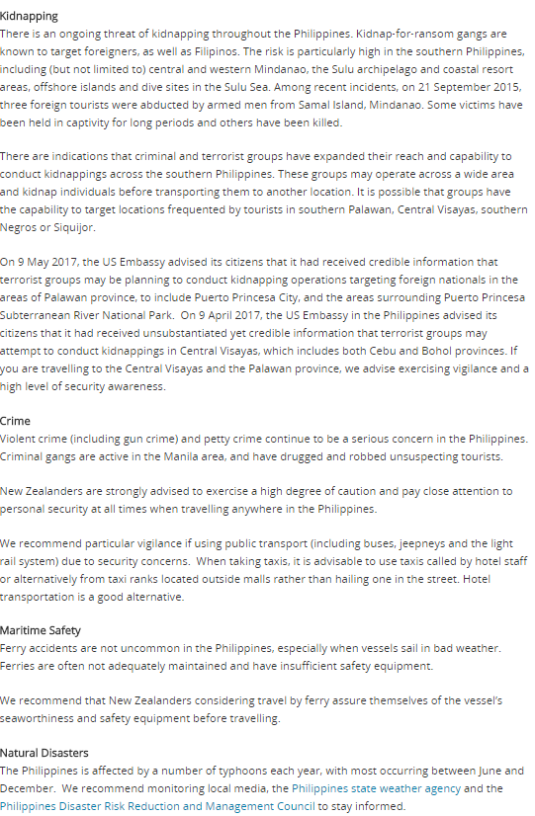
Everything from airports to discos in the Philippines have gun deposit booths so that you and your bodyguards can deposit your guns at the door and collected them on the way out.

In Leyte, where we holiday at Christmas with family, it is common for politicians to have private armies of several dozen. When I was in the Philippines for a presidential election, there is a murder every day often of a rival candidate
My point is that the PNG is not the only dangerous country in Asia. If the asylum seekers from Afghanistan, and some are, the travel advisory is you are not safe even if you bring your own bodyguards.
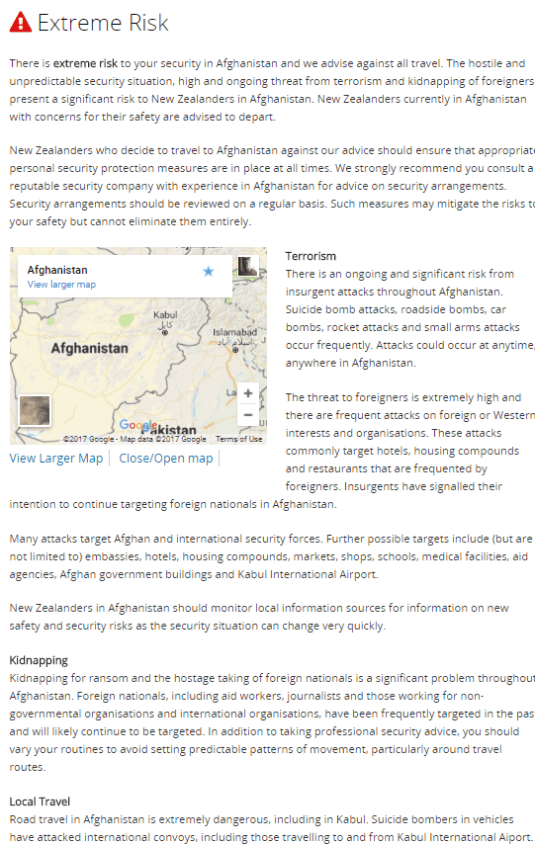
About 200 of the residents of that camp have been denied asylums because their claims were not deemed to have merit. I do not see why Australia has any responsibility for them now. They are free to travel anywhere in PNG and anywhere else that will give them a visa.
Why no boat people via PNG? Why from Indonesia?
14 Nov 2017 Leave a comment
in Economics of international refugee law, International law, politics - Australia
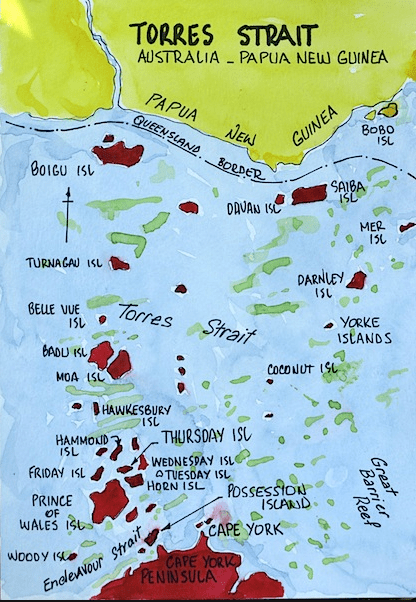
The northernmost tip of Australia is 5 km from Papua New Guinea. Instead, boat people take off from Indonesia in leaky boats too unseaworthy to get to where they are going, much less be turn backed, to land on Christmas Island which is an offshore territory. A strong swimmer could get to the State of Queensland from Papua New Guinea on a good day. A decent paddle boat would do the job.

If the PNG authorities tolerated people smuggling, their relationship with Australia would be jeopardised. On the other hand, there is plenty of votes at the ballot box in Indonesia from sticking it to Australia. Little wonder that a substantial part of the Pacific solution to illegal maritime arrivals by boat people is bribing Indonesian authorities to crack down on people smuggling.
.@Greens policy would have meant many more drownings of boat people
14 Nov 2017 Leave a comment
in Economics of international refugee law, politics - Australia

Source: THE RIGHT WAY FORWARD ON REFUGEES HUMANE, EFFECTIVE, LEGAL The Greens’ plan for a genuine regional response and safer pathways.
The most recent policy of the Australian Greens drops the above ideas about an open border but has other weird things like a skilled refugee visa. Very odd for a social justice policy. Obviously all well-founded fears of persecution are not created equal. The university educated deserve more protection. Good luck assessing a claim for asylum within 30 days, much less an identity check.

The PNG Supreme Court on #ManusIsland #Manus
11 Nov 2017 Leave a comment
in Economics of international refugee law, International law, politics - New Zealand

“Re:scam” This Hilarious Chatbot Messes with Scammers for You
11 Nov 2017 Leave a comment
in economics of crime, economics of media and culture, entrepreneurship Tags: spam
Orson Welles on Cold Reading
09 Nov 2017 Leave a comment
in economics of crime, economics of media and culture Tags: con artists
Does addiction and mental illness dull responses to incentives
01 Nov 2017 Leave a comment
in applied price theory, economics of crime, health economics
I found the chapter in Tullock and McKenzie’s book on token economies in mental hospitals to be most enlightening in regard to addictions and mental illness clouding judgement.
The tokens in a token economy were spending money at the hospital canteen and trips to town and other privileges. They were earned by keeping you and your area clean and helping out with chores at the mental asylum.

The first token economies were for chronic, treatment-resistant psychotic inpatients. In 1977, a major study, still considered a landmark, successfully showed the superiority of a token economy compared to the standard treatments of these type of psychotic inpatients.
Experiments which would now be unethical showed that the occupational choices and labour supply of certified lunatics responded to incentives in the normal, predictable way. For example, tokens were withdrawn for helping clean halls and common areas. The changes in occupational choice and reductions in labour supply was immediate and as predicted by standard economics.
Some patients would steal the tokens for other patients, so the tokens were individually marked. The thefts almost stopped. Crime must pay even for criminally insane inpatients. Kagel reported that:
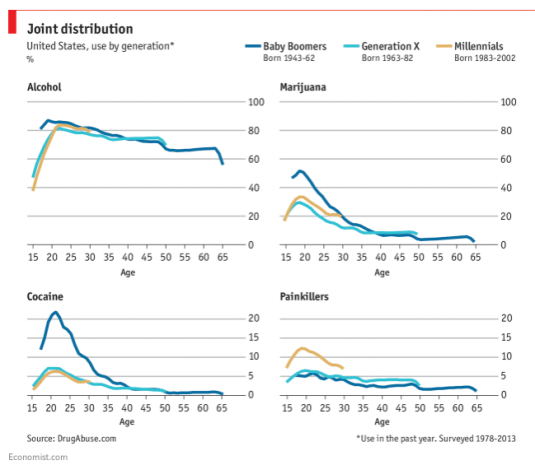
The results have not varied with any identifiable trait or characteristic of the subjects of the token economy – age, IQ, educational level, length of hospitalization, or type of diagnosis. Most people age out of addiction to drugs or to alcohol. By age 35, half of patients with active alcoholism or addiction diagnoses during their teens and 20s no longer take drugs or drink:
The average cocaine addiction lasts four years, the average marijuana addiction lasts six years, and the average alcohol addiction is resolved within 15 years. Heroin addictions tend to last as long as alcoholism, but prescription opioid problems, on average, last five years. In these large samples, which are drawn from the general population, only a quarter of people who recover have ever sought assistance in doing so (including via 12-step programs). This actually makes addictions the psychiatric disorder with the highest odds of recovery.
Studies of demand elasticity normally find that consumption of hard drugs is quite sensitive to price. Addicts respond to incentives, in particular, to price rises by cutting back on their drug taking.
At the beginning of this century, the Dutch government controlled the opium market in the Dutch East Indies–nowadays Indonesia–for several decades. This state monopoly was called the opiumregie. Using information gathered during the opiumregie, this paper estimates price elasticities of opium consumption. It appears that short-term price elasticities of opium use are about -0.7. Long-term price elasticities are about -1.0.
 Utopia, you are standing in it!
Recent Comments