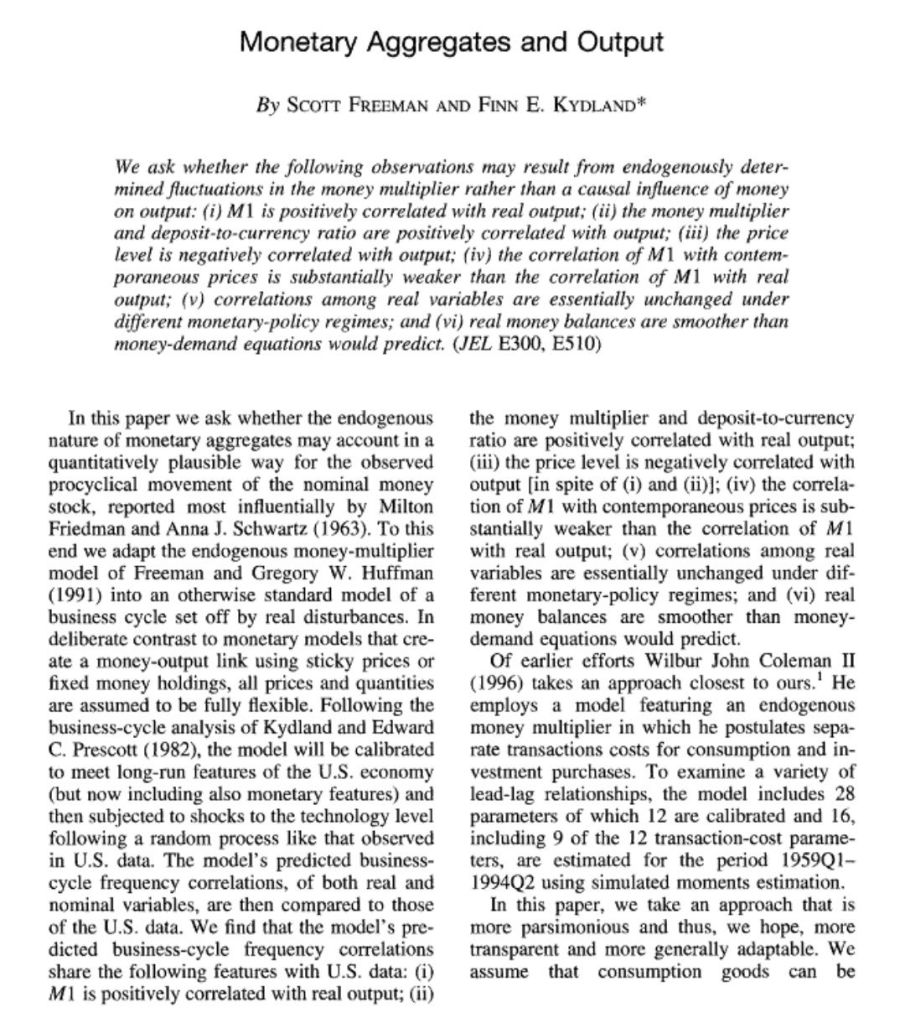
Scott Freeman on monetarism again
20 Sep 2026 Leave a comment
in business cycles, econometerics, economic growth, economic history, history of economic thought, macroeconomics, monetarism, monetary economics Tags: monetary policy
News drives business cycles
19 Sep 2026 Leave a comment
in macroeconomics, economic growth, history of economic thought, business cycles, monetary economics
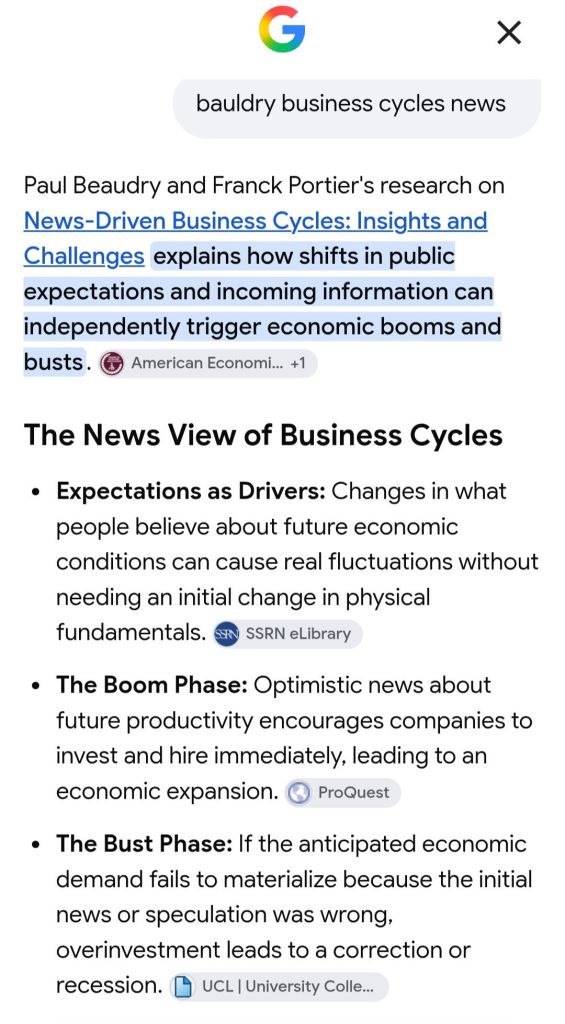
Money and Output: Correlation or Causality? Scott Freeman again
18 Sep 2026 Leave a comment
in applied price theory, business cycles, history of economic thought, macroeconomics, Milton Friedman, monetarism, monetary economics Tags: quantity theory of money
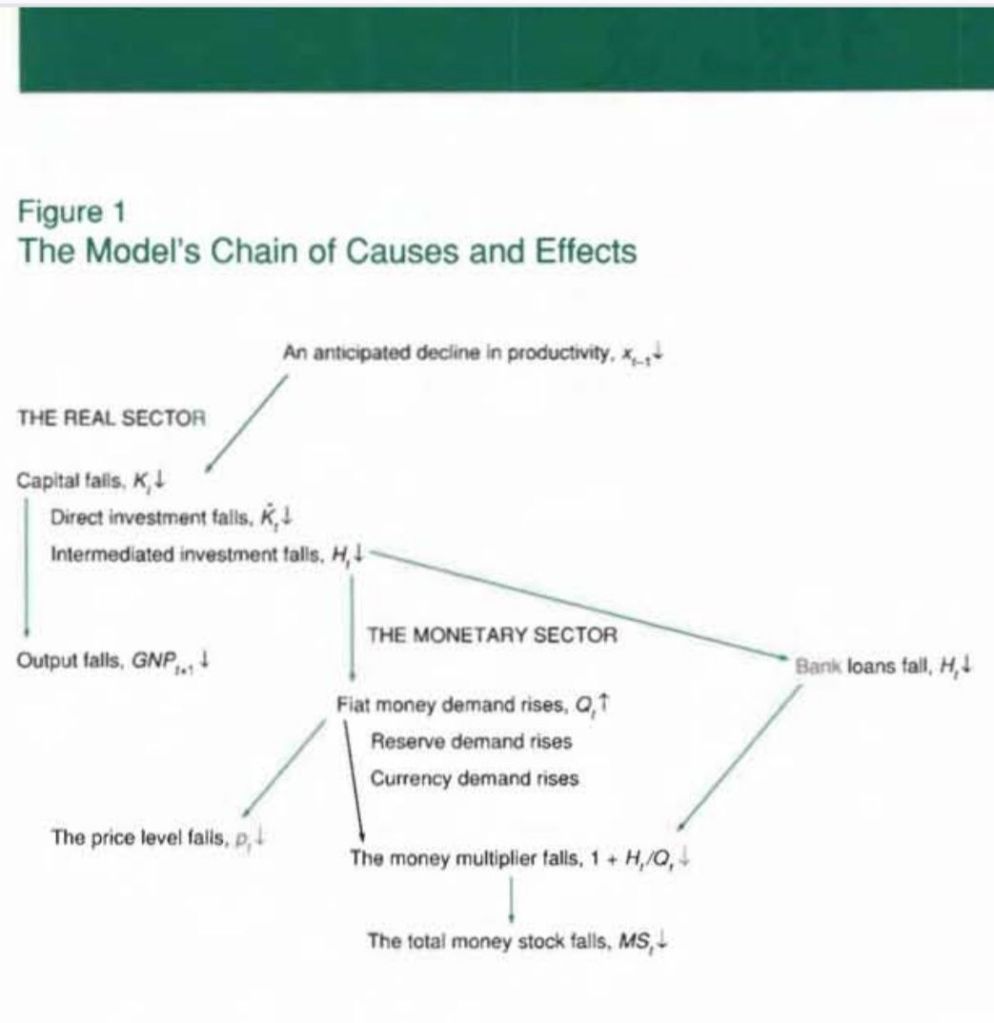
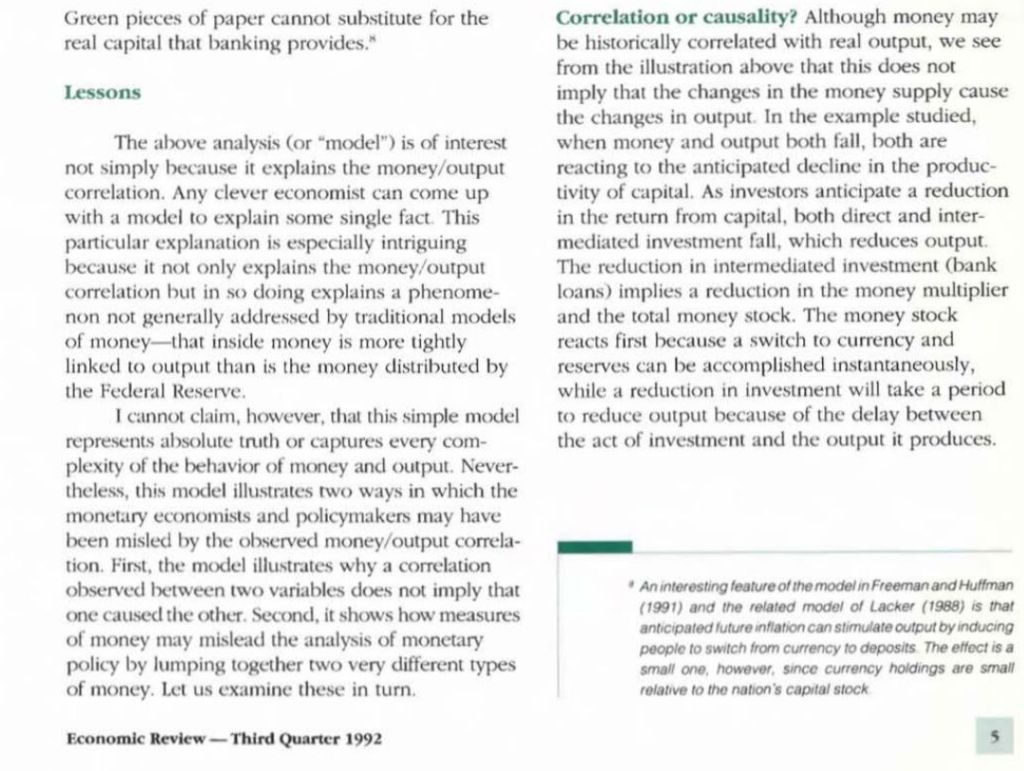
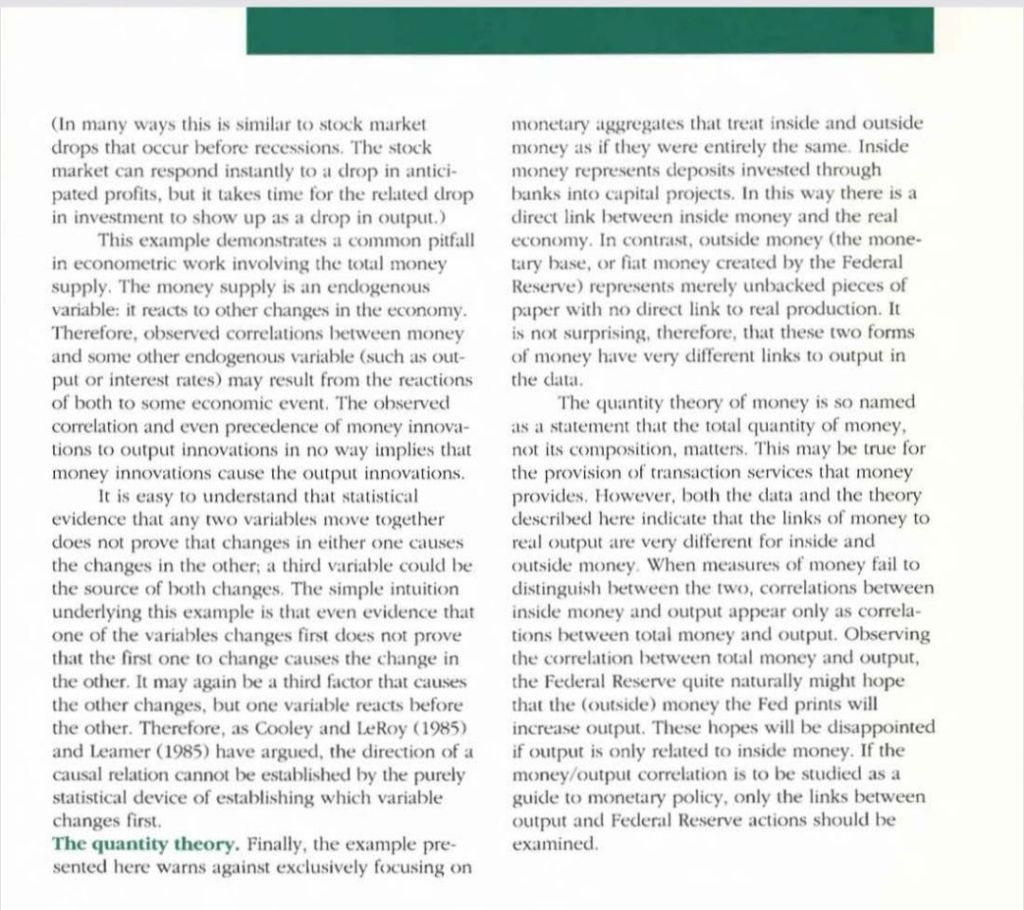
Scott Freeman on monetarism
16 Sep 2026 Leave a comment
in business cycles, econometerics, economic history, history of economic thought, labour economics, macroeconomics, Milton Friedman, monetarism, monetary economics, unemployment Tags: quantity theory of money
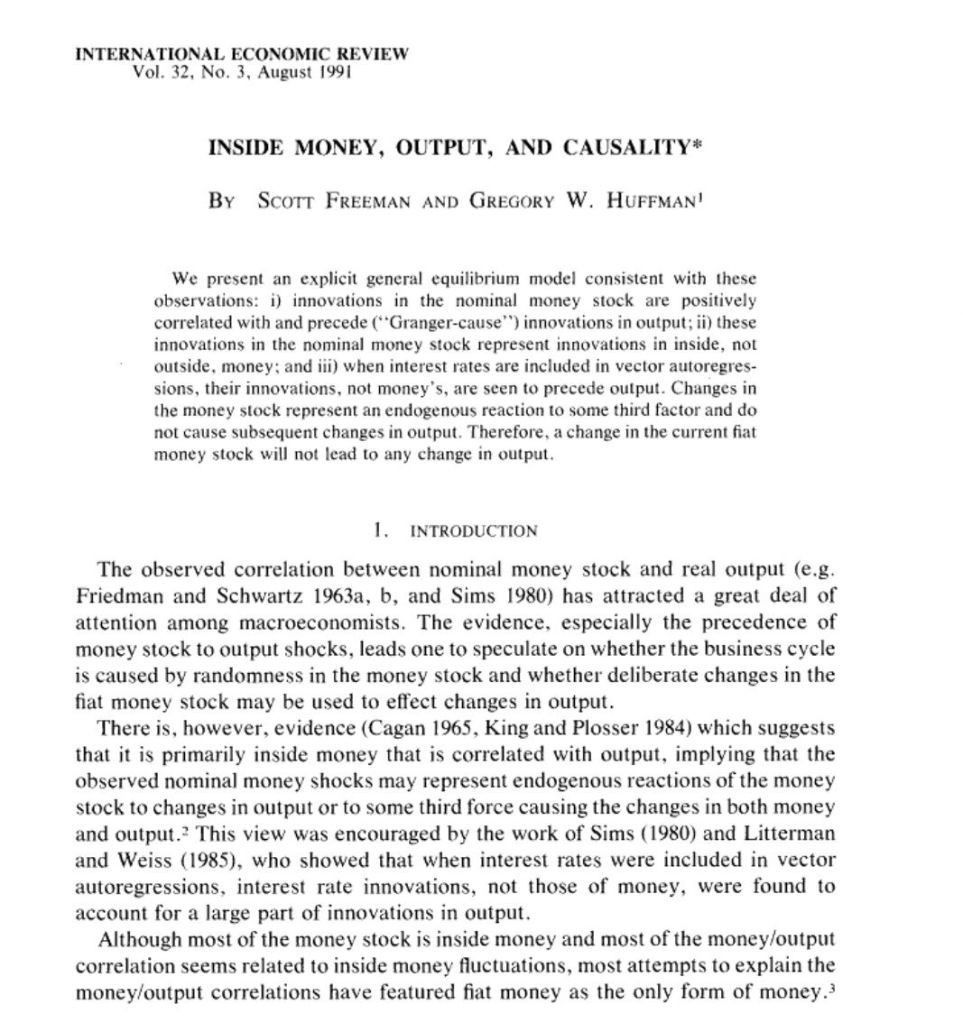
Money and output: correlation or causality
14 Sep 2026 Leave a comment
in applied price theory, business cycles, economic history, financial economics, history of economic thought, macroeconomics, Milton Friedman, monetarism, monetary economics Tags: quantity theory of money
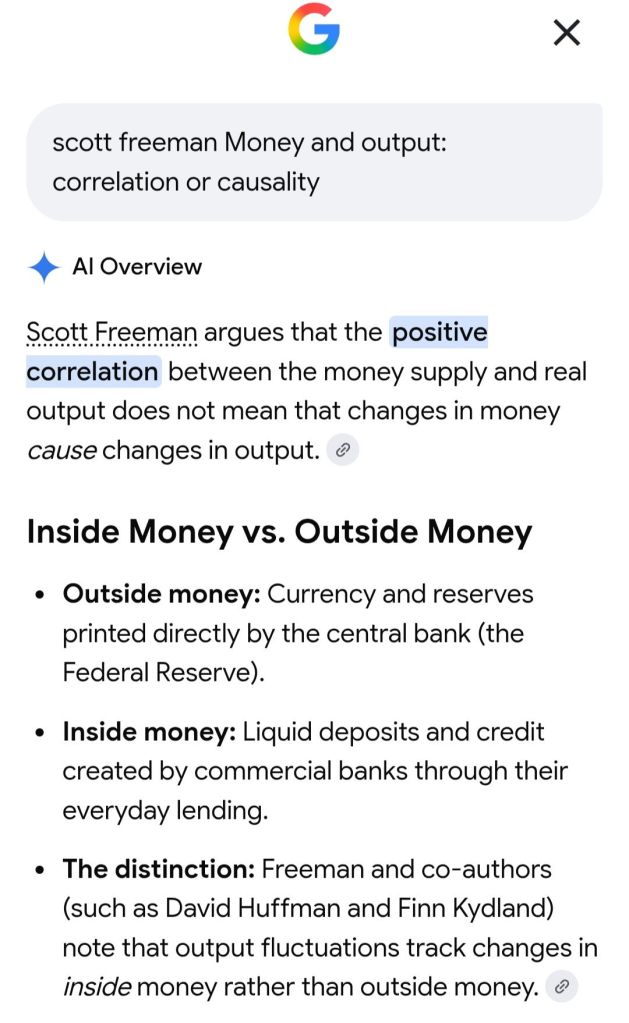
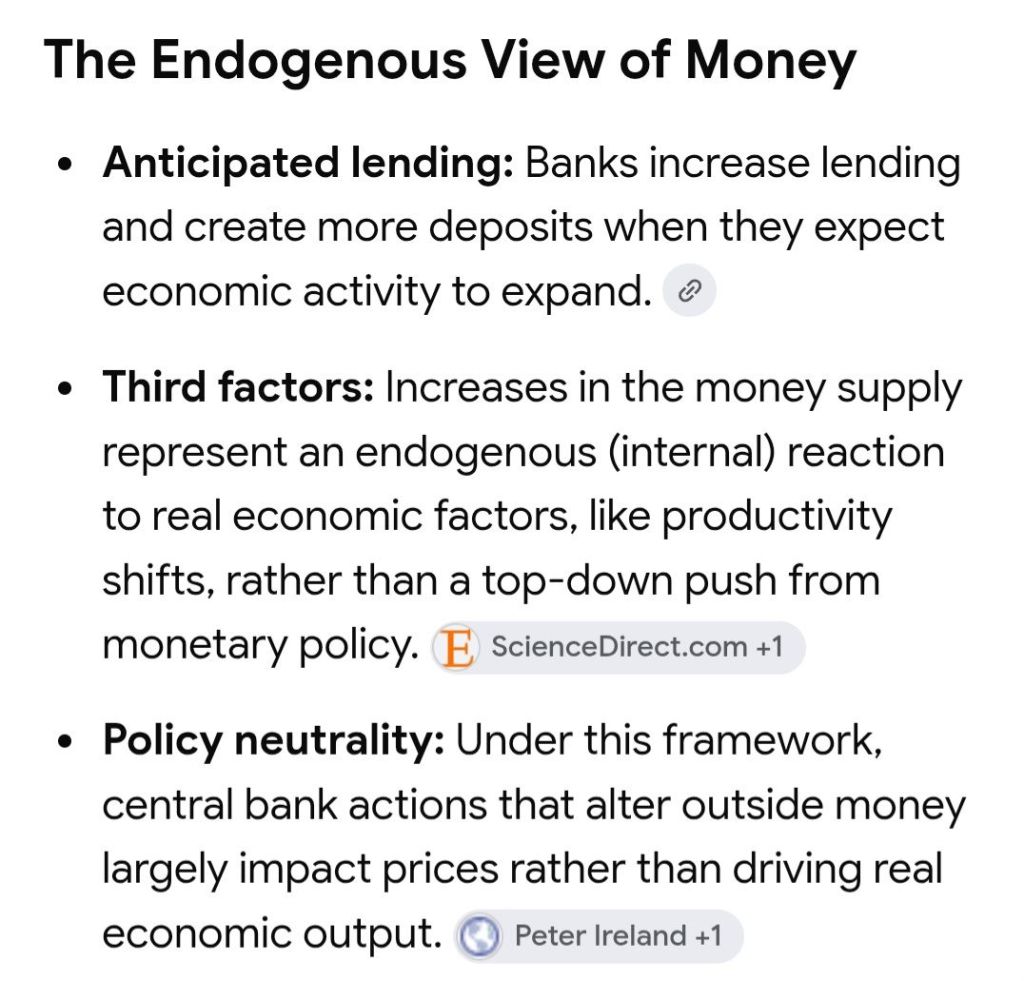
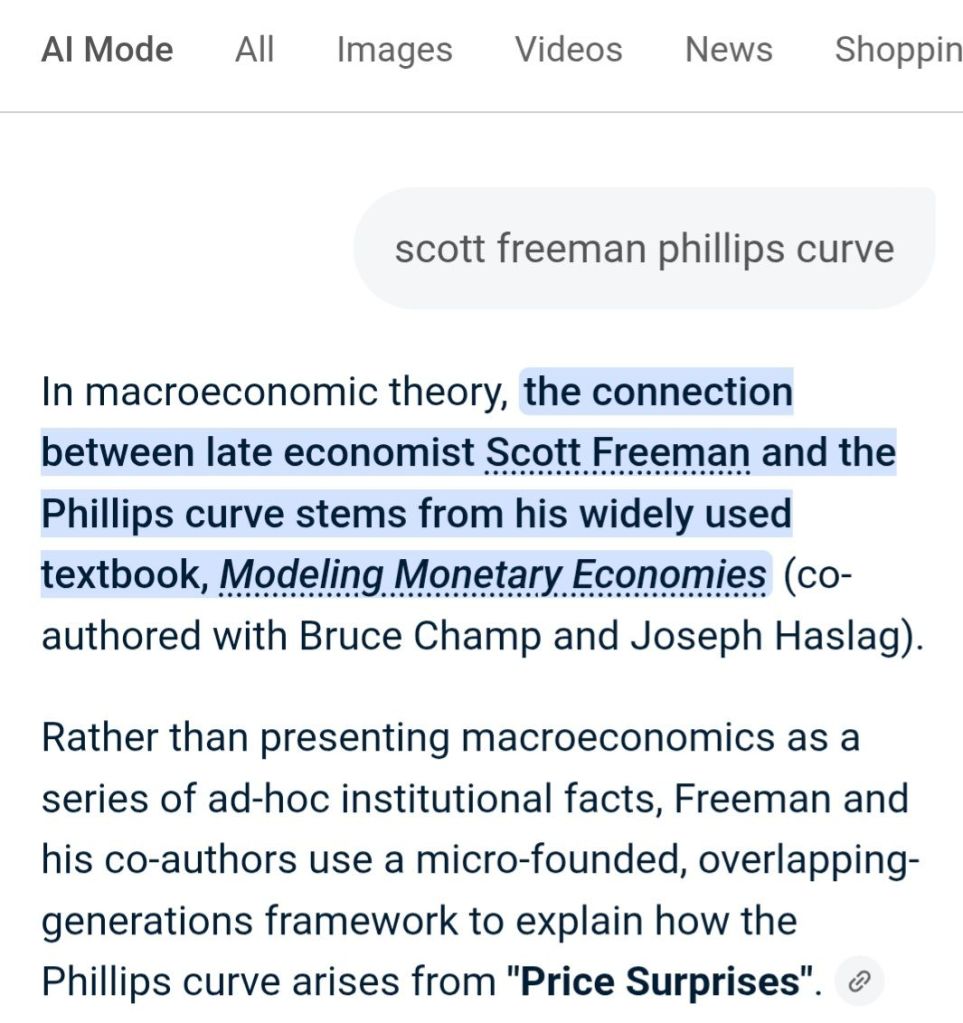
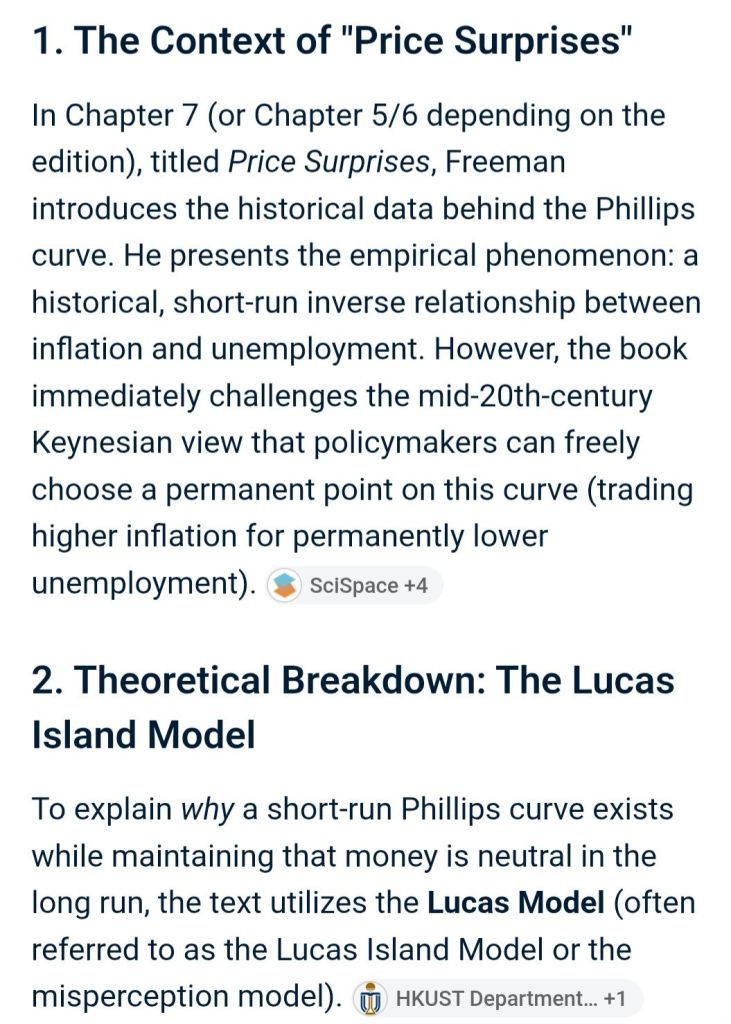
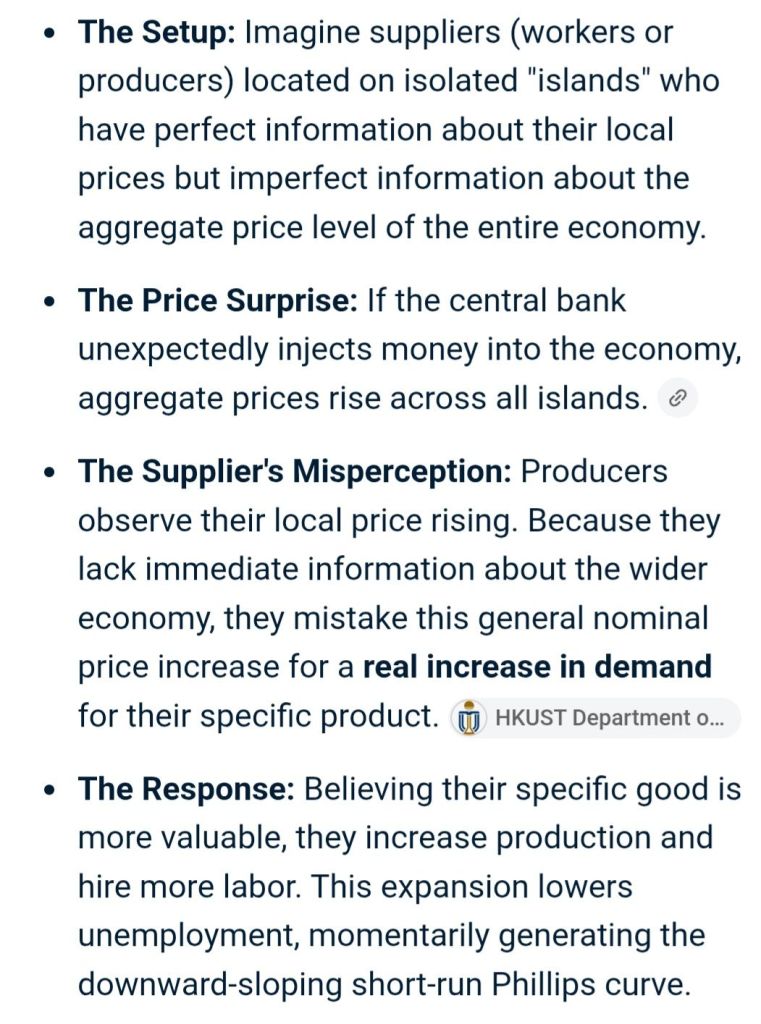
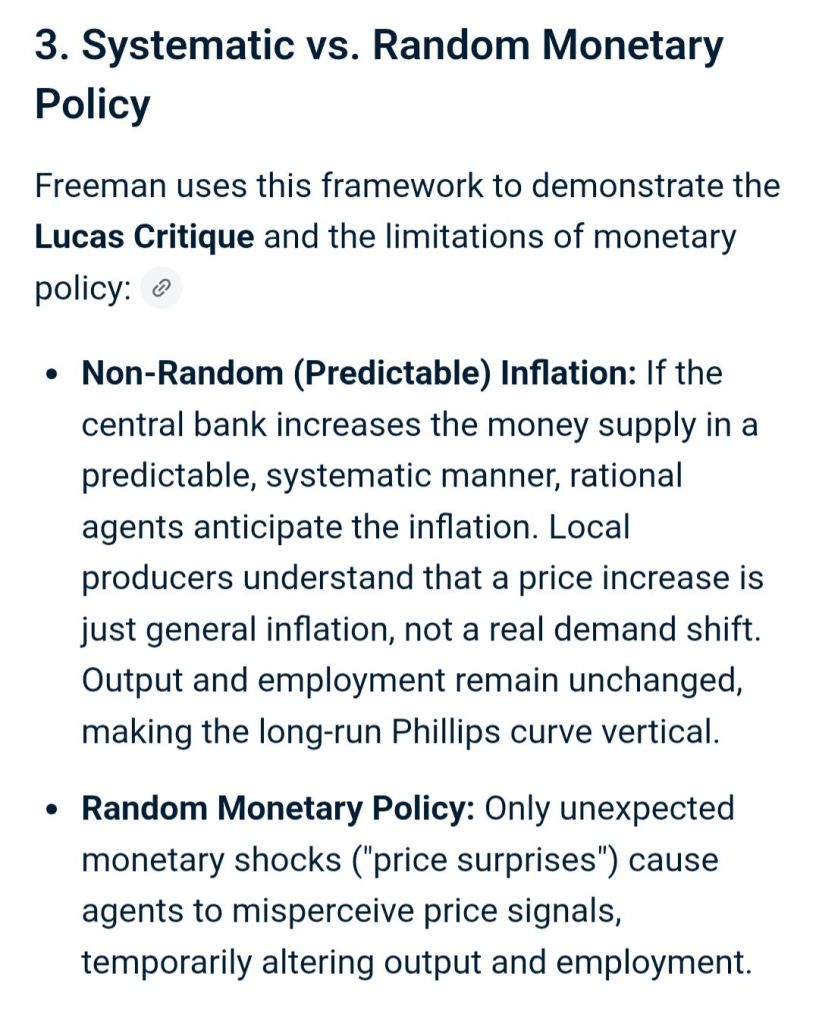
Scott Freeman on the Phillips Curve
13 Sep 2026 Leave a comment
in applied price theory, business cycles, economics of information, history of economic thought, labour economics, labour supply, macroeconomics, Milton Friedman, monetarism, monetary economics, Robert E. Lucas, unemployment
Rethinking keynesian fiscal stimulus | LSE Event
31 Aug 2026 Leave a comment
in budget deficits, business cycles, econometerics, economic growth, economic history, global financial crisis (GFC), great recession, history of economic thought, labour economics, macroeconomics, public economics, unemployment
Edmund Phelps, 1933-2026
28 May 2026 Leave a comment
in business cycles, history of economic thought, labour economics, macroeconomics, monetary economics, unemployment
Economics has recently lost another of the greats, Nobel Prize-winning economist Edmund Phelps, who passed away last week. Phelps was a macroeconomist, and among his many contributions he helped to formalise the concept of the natural rate of unemployment. Phelps won the Nobel Prize in 2006 for “his analysis of intertemporal tradeoffs in macroeconomic policy”.Surprisingly,…
Edmund Phelps, 1933-2026
Blame Washington for the Great Depression, Part III
27 May 2026 Leave a comment
in budget deficits, business cycles, economic growth, economic history, fiscal policy, great depression, history of economic thought, macroeconomics
To follow up on Part I and Part II in this series, let’s start with this Stossel video featuring Professor Don Boudreaux of George Mason University. The message is simple and accurate. Starting nearly 100 years ago, we got terrible statist policy from Herbert Hoover, followed by terrible statist policy from Franklin Roosevelt. No wonder […]
Blame Washington for the Great Depression, Part III
Interview with Ellen McGrattan: Business Cycles and Intangible Capital
17 Apr 2026 Leave a comment
in business cycles, Edward Prescott, entrepreneurship, financial economics, global financial crisis (GFC), great recession, history of economic thought, human capital, labour economics, macroeconomics, monetary economics, occupational choice, Robert E. Lucas
Tim Sablik of the Richmond Fed interviews “Ellen McGrattan: On measuring what businesses do, developing effective tax policy, and searching for answers beyond the lamppost” (Econ Focus: Federal Reserve Bank of Richmond, First/Second Quarter 2026). Here are a few of the comments that caught my eye: How did McGrattan become interested in business cycles? In…
Interview with Ellen McGrattan: Business Cycles and Intangible Capital
Bet On It Book Club: For a New Liberty, Chapter 9
11 Apr 2026 Leave a comment
in Austrian economics, business cycles, economic history, history of economic thought, macroeconomics, monetary economics, Murray Rothbard Tags: monetary policy
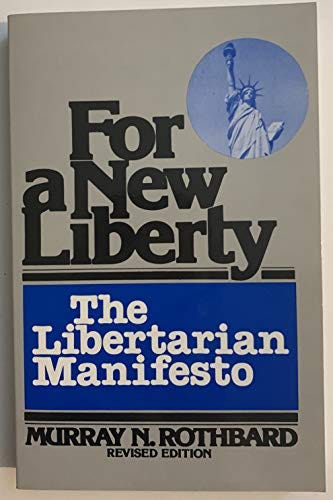
SummaryIn 1973, when the first edition of For a New Liberty was published, Keynesians were still sitting pretty. Five years later, the Keynesians had so much egg on their faces that Rothbard was inspired to add this entirely new chapter on “Inflation and the Business Cycle: The Collapse of the Keynesian Paradigm” to his revised…
Bet On It Book Club: For a New Liberty, Chapter 9
On the Great Recession
02 Apr 2026 Leave a comment
in Austrian economics, budget deficits, business cycles, economic growth, fiscal policy, global financial crisis (GFC), great depression, great recession, history of economic thought, labour economics, macroeconomics, monetarism, unemployment
TweetPrager University’s new short video on the Great Recession was inspired by Chapter 5 of Phil Gramm’s and my 2025 book, The Triumph of Economic Freedom. The post On the Great Recession appeared first on Cafe Hayek.
On the Great Recession
Javier Milei Week, Part V: Fixing Argentina’s Monetary Crisis
27 Mar 2026 Leave a comment
in applied price theory, Austrian economics, budget deficits, business cycles, development economics, growth disasters, macroeconomics, monetary economics Tags: Argentina

I’ve been participating in a conference in Argentina this week on “Understanding Argentina’s Transformations Under Milei.” Part I reviewed the horrible economic conditions that plagued Argentina when Javier Milei took office. Part II looked at Milei’s spending restraint and some of the subsequent improvements in fiscal outcomes. Part III examined Milei’s remarkable progress with regards to […]
Javier Milei Week, Part V: Fixing Argentina’s Monetary Crisis
Javier Milei Week, Part I: Inheriting an Economic Crisis
23 Mar 2026 Leave a comment
in applied price theory, Austrian economics, budget deficits, business cycles, development economics, economic growth, economic history, growth disasters, liberalism, libertarianism, macroeconomics, Marxist economics Tags: Argentina

Given my enthusiasm for Javier Milei and his libertarian reforms, I’m excited to be in Buenos Aires for a week-long program on “Understanding Argentina’s Transformations Under Milei.” This means a heavy does of Milei-ism this week. For today’s column, I’m going to share some slides from a presentation by Alejandro Rodriguez on the “Inheritance” Milei […]
Javier Milei Week, Part I: Inheriting an Economic Crisis


Recent Comments