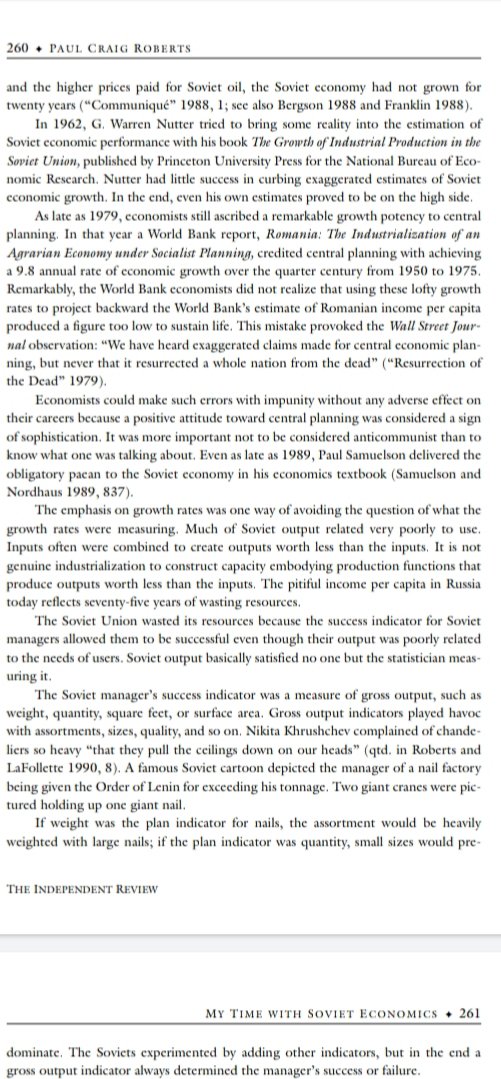
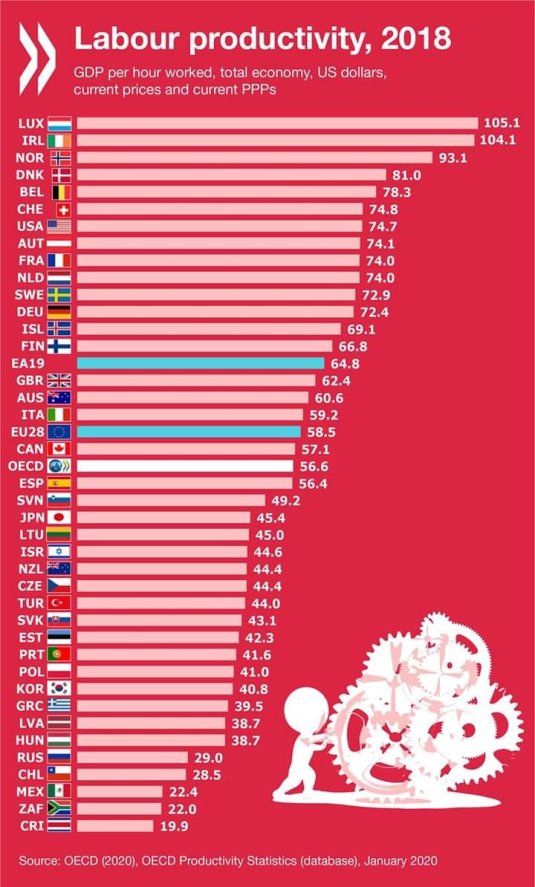
Nobel Symposium Randall Kroszner Lessons from the global financial crisis, and crises past
19 Feb 2020 Leave a comment
in budget deficits, business cycles, economic growth, economic history, economics of information, economics of regulation, Euro crisis, financial economics, global financial crisis (GFC), great depression, great recession, law and economics, macroeconomics, monetary economics, property rights, Public Choice, public economics Tags: sovereign defaults
Nobel Symposium Emi Nakamura Monetary policy: Conventional and unconventional
12 Feb 2020 Leave a comment
in budget deficits, business cycles, econometerics, economic growth, economic history, Euro crisis, fiscal policy, global financial crisis (GFC), great depression, great recession, macroeconomics, monetarism, monetary economics Tags: New Keynesian macroeconomics
Debate on Progress Steven Pinker, Matt Ridley, Malcolm Gladwell, Alain de Botton
11 Feb 2020 Leave a comment
in comparative institutional analysis, constitutional political economy, defence economics, development economics, discrimination, economic growth, economic history, economics of crime, economics of education, energy economics, environmental economics, gender, growth disasters, growth miracles, labour economics, law and economics, liberalism, poverty and inequality, property rights, Public Choice Tags: Age of Enlightenment, pessimism bias, The Great Enrichment
Nobel Symposium Kenneth Rogoff Indebtedness of governments, firms, and households
09 Feb 2020 Leave a comment
in budget deficits, business cycles, economic growth, economic history, economics of information, financial economics, global financial crisis (GFC), great recession, macroeconomics, monetary economics, Public Choice, public economics Tags: sovereign debt crises, sovereign defaults
How an obsession with home ownership can ruin the economy | The Economist
07 Feb 2020 Leave a comment
in economic growth, economics of bureaucracy, economics of regulation, Edward Prescott, income redistribution, law and economics, macroeconomics, politics - USA, property rights, Public Choice, public economics, rentseeking, urban economics Tags: affordable housing, land supply, zoning
Free to Grow | John H. Cochrane
04 Feb 2020 Leave a comment
in applied price theory, comparative institutional analysis, constitutional political economy, development economics, economic growth, economic history, economics of education, economics of regulation, entrepreneurship, financial economics, industrial organisation, international economics, labour economics, law and economics, macroeconomics, Milton Friedman, Public Choice, public economics, rentseeking
Is slow growth the new normal?
04 Feb 2020 Leave a comment
in budget deficits, business cycles, economic growth, economic history, Euro crisis, global financial crisis (GFC), great recession, job search and matching, labour economics, labour supply, macroeconomics, monetary economics, Public Choice Tags: Eurosclerosis
Unraveling the Mysteries of Money – Cochrane and Uhlig
01 Feb 2020 Leave a comment
in applied price theory, budget deficits, business cycles, economic growth, economic history, economics of information, Euro crisis, financial economics, fiscal policy, global financial crisis (GFC), great recession, macroeconomics, monetary economics, Public Choice Tags: fiscal stimulus, monetary policy
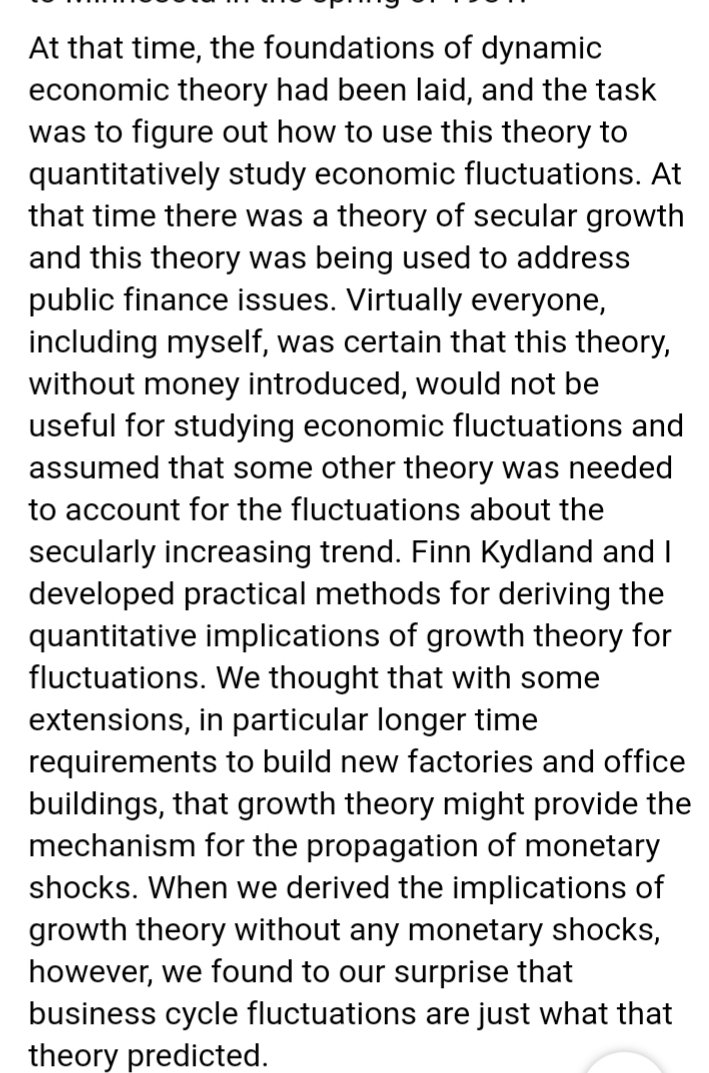
Real business cycle theory at its best
31 Jan 2020 Leave a comment
in business cycles, economic growth, human capital, industrial organisation, job search and matching, labour economics, labour supply, macroeconomics, managerial economics, occupational choice, personnel economics


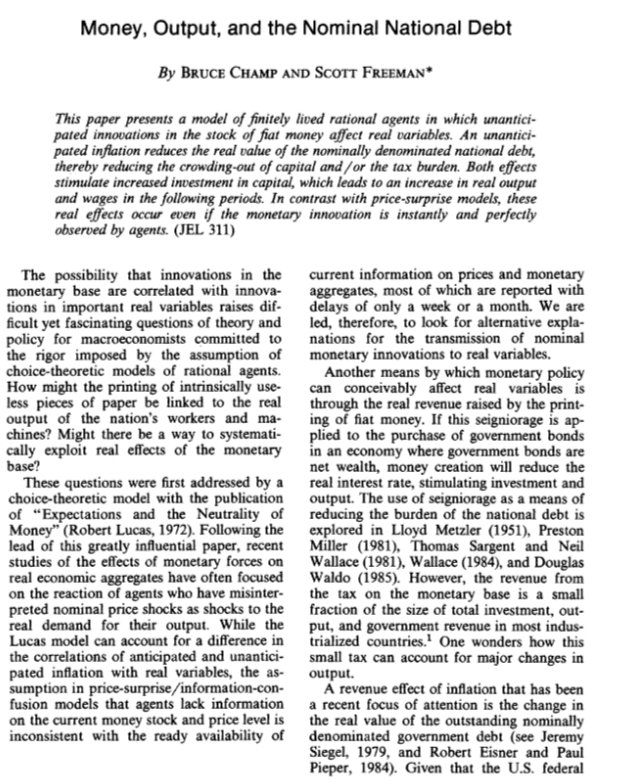
Where the real seigniorage is
30 Jan 2020 Leave a comment
in budget deficits, business cycles, economic growth, economics of information, financial economics, fiscal policy, macroeconomics, monetary economics Tags: monetary policy, sovereign defaults
The Tax Increases to Come – @WSJ
27 Jan 2020 Leave a comment
in economic growth, economics of education, fiscal policy, human capital, income redistribution, labour economics, labour supply, macroeconomics, Marxist economics, occupational choice, politics - USA, poverty and inequality, Public Choice Tags: 2020 presidential election, taxation and entrepreneurship, taxation and investment, taxation and labour supply



Recent Comments