Short Cut: Macron’s Scandi-Solution for France
16 May 2017 Leave a comment
in economics, fiscal policy, labour supply, macroeconomics, minimum wage, Public Choice, public economics, welfare reform
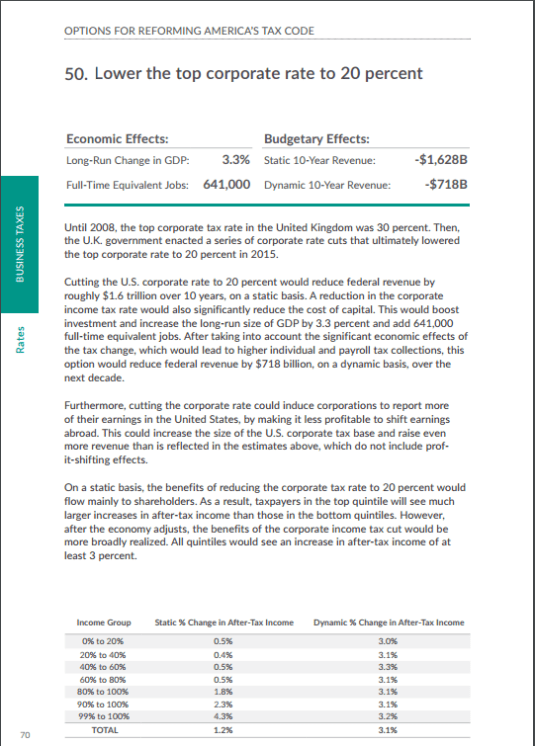
Macroeconomic Consequences of Taxing the Rich
11 May 2017 Leave a comment
in fiscal policy, macroeconomics, politics - USA, Public Choice, public economics, sports economics Tags: taxation and labour supply, top 1%
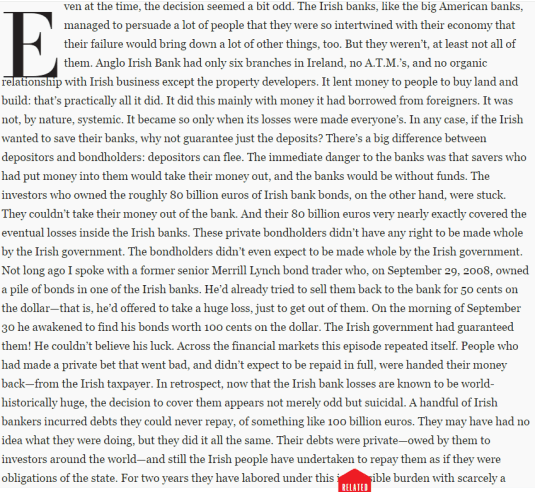
The one and only reason for the fall of the Celtic Tiger
11 May 2017 Leave a comment
in fiscal policy, macroeconomics, monetary economics, Public Choice, rentseeking
Edward C Prescott on the EU, business cycles and European economic research
07 May 2017 Leave a comment
in budget deficits, business cycles, economic growth, Edward Prescott, macroeconomics Tags: real business cycle theory
Fiat Value in the theory of value – an ADEMU lecture by Edward C Prescott
06 May 2017 Leave a comment
Costs of Inflation: Price Confusion and Money Illusion
09 Apr 2017 Leave a comment
in business cycles, macroeconomics, monetary economics Tags: inflation rates, inflation tax
The wage bump from 1% Oz company tax cut @TheAusInstitute @GrattanInst @JordNZ
31 Mar 2017 Leave a comment
in economic growth, fiscal policy, politics - Australia, politics - New Zealand, public economics Tags: company tax incidence, endogenous growth theory, optimal tax theory

How wasteful is the Oz company tax? @TheAusInstitute @GrattanInst
30 Mar 2017 Leave a comment
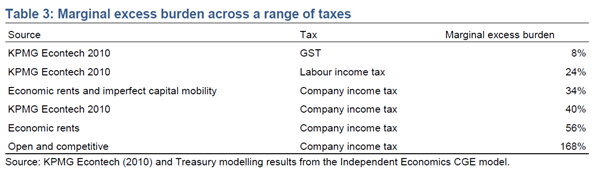
Source: The incidence of company tax in Australia, Xavier Rimmer, Jazmine Smith and Sebastian Wende, Australian Treasury working paper.
Sharp ratios of @NZSuperFund since inception @TaxpayerUnion
28 Mar 2017 Leave a comment
in financial economics, fiscal policy, politics - New Zealand, public economics Tags: sharp ratios, sovereign wealth funds
The Sharp ratio describes how much excess return you are receiving for the extra volatility that you endure for holding a riskier asset. If manager A generates a return of 15% while manager B generates a return of 12%, it would appear that manager A is a better performer. But if manager A took much larger risks than manager B, manager B may be a better risk-adjusted return.
The Sharpe Ratio such as those below of the NZ Superannuation Fund can be used to compare two funds on how much risk a fund had to bear to earn excess return over the risk-free rate.
Source:New Zealand Superannuation Fund response to Official Information Act request.
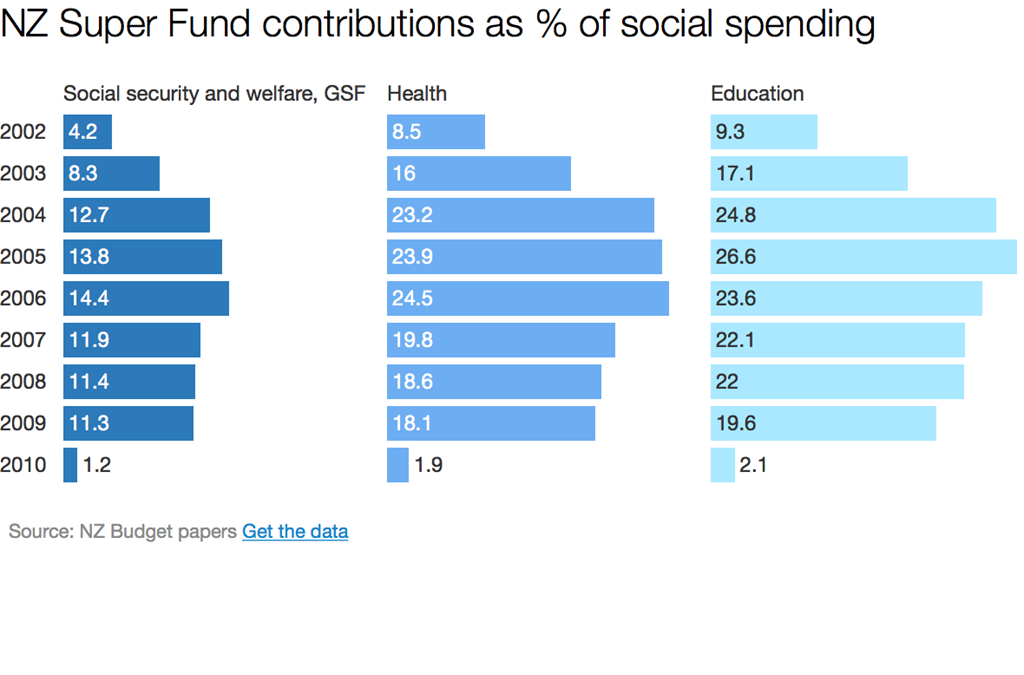
The Kidney Machine Gambit & @NZSuperFund @VernonSmall @TaxpayersUnion
27 Mar 2017 Leave a comment
in fiscal policy, politics - New Zealand, public economics, television Tags: sovereign wealth funds, Yes Prime Minister
Prime Minister Jim Hacker: “Well, of course we do what we can. There are many calls on the public purse: inner cities, schools, hospitals, kidney machines…”
Business Cycles – Edward C. Prescott
25 Mar 2017 Leave a comment
in business cycles, development economics, economic growth, economic history, financial economics, fiscal policy, macroeconomics Tags: Edward Prescott, real business cycles
98% top US economists disagree @NZSuperFund strategy @VernonSmall @JordNZ
24 Mar 2017 Leave a comment
in financial economics, fiscal policy, politics - New Zealand, public economics Tags: active investing, efficient markets hypothesis, passive investing, sovereign wealth funds
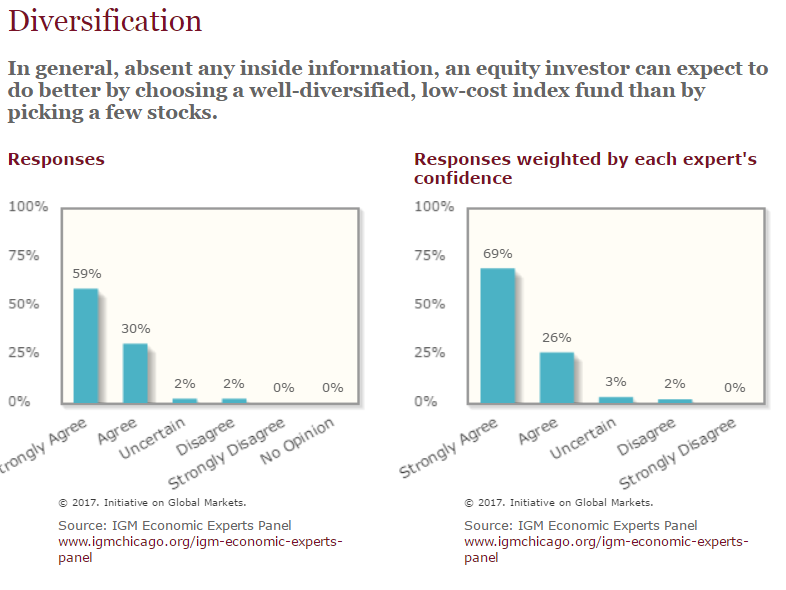
There is always one. Liran Einav had to be the only economist out of 100 or so top American and European economists who disagreed with the proposition that:
In general, absent any inside information, an equity investor can expect to do better by choosing a well-diversified, low-cost index fund than by picking a few stocks.
The New Zealand Superannuation Fund’s policy of active investing has one supporter out of 100 surveyed by the Initiative for Global Markets. I suppose it is better than none.
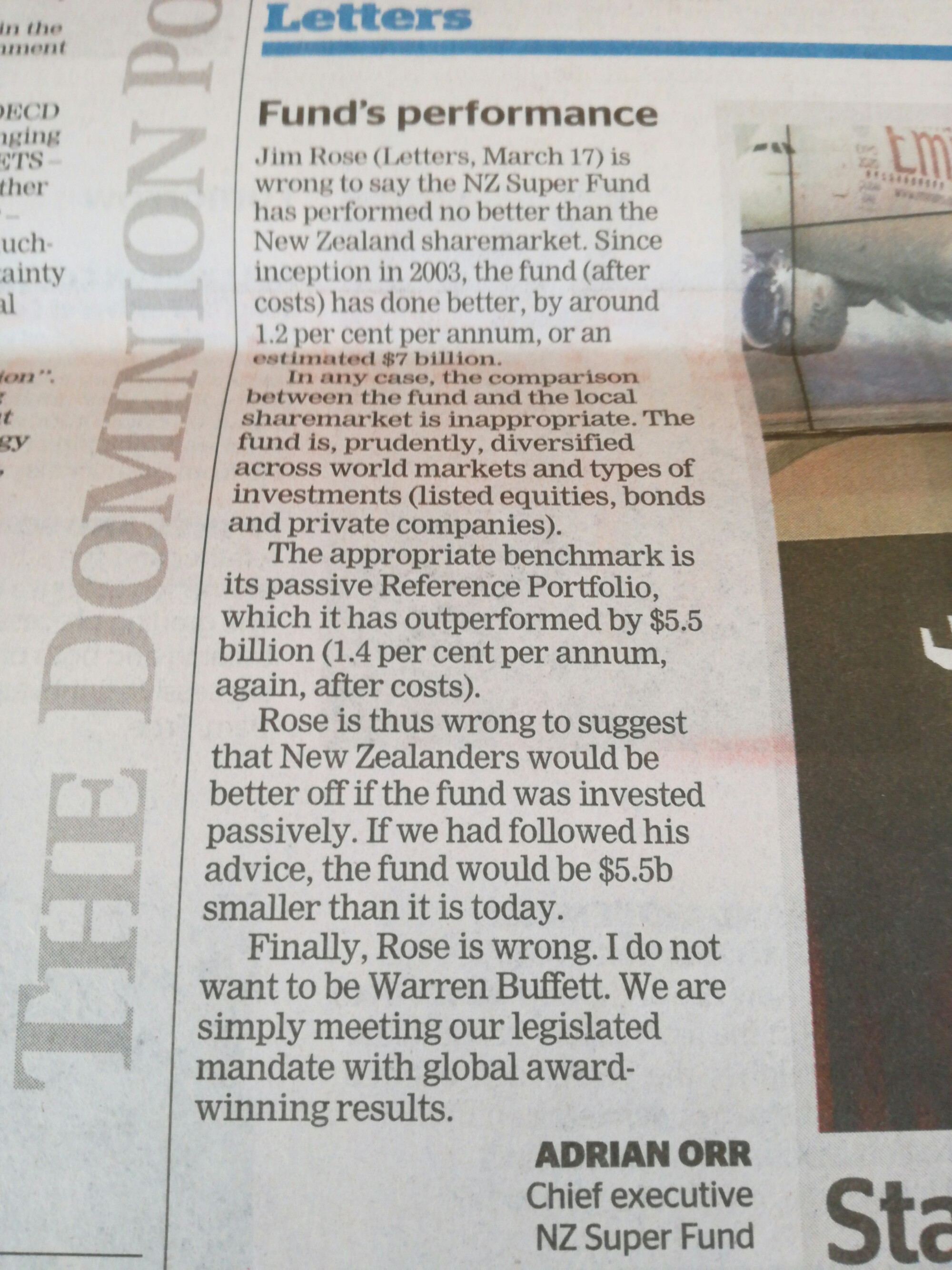
Letter to @DomPost on @NZSuperfund performance @Taxpayersunion utopiayouarestandinginit.com/2017/03/18/let… https://t.co/wxo6F1zZn5—
Jim Rose (@JimRose69872629) March 18, 2017
The chief executive of the fund quibbles by claiming there is a 3rd way between active and passive investing but there is not as William Sharp explained in his timeless 1991 article, The Arithmetic of Active Management:
- A passive investor always holds every security from the market, with each represented in the same manner as in the market. Thus if security X represents 3 per cent of the value of the securities in the market, a passive investor’s portfolio will have 3 per cent of its value invested in X. Equivalently, a passive manager will hold the same percentage of the total outstanding amount of each security in the market2.
- An active investor is one who is not passive. His or her portfolio will differ from that of the passive managers at some or all times. Because active managers usually act on perceptions of mispricing, and because such misperceptions change relatively frequently, such managers tend to trade fairly frequently — hence the term “active.”
An active fund is a fund that is not a passive fund. If you do not own a balanced portfolio of every security in the market, you are an active investor.
The majority of the New Zealand Superannuation fund is passively invested but some of it is not. It is invested in dogs like KiwiBank, in Z service stations and even in some bad Portuguese loans.
It’s "threadbare" to question @NZSuperFund’s investment strategy @TaxpayersUnion
23 Mar 2017 Leave a comment
There really is an issue on which economists are unanimous, a big issue to boot.
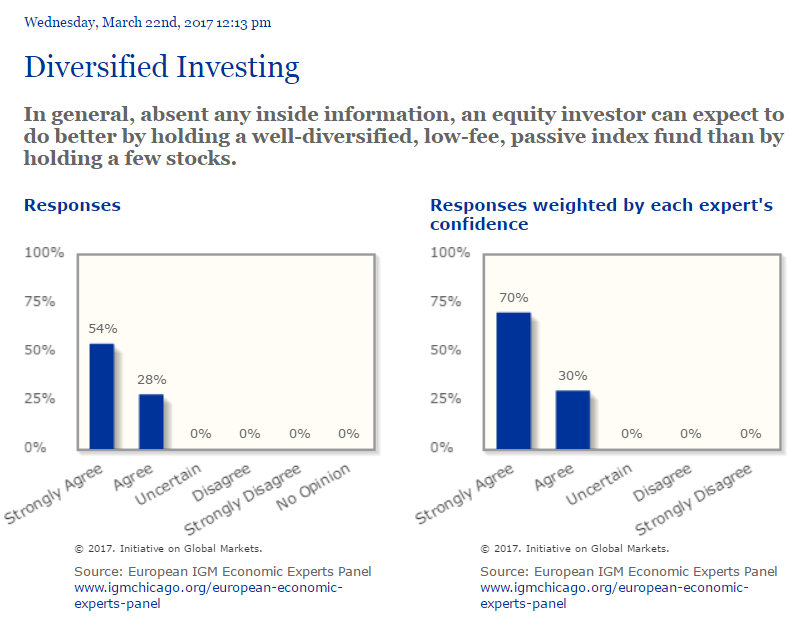
Source: Diversified Investing | IGM Forum.
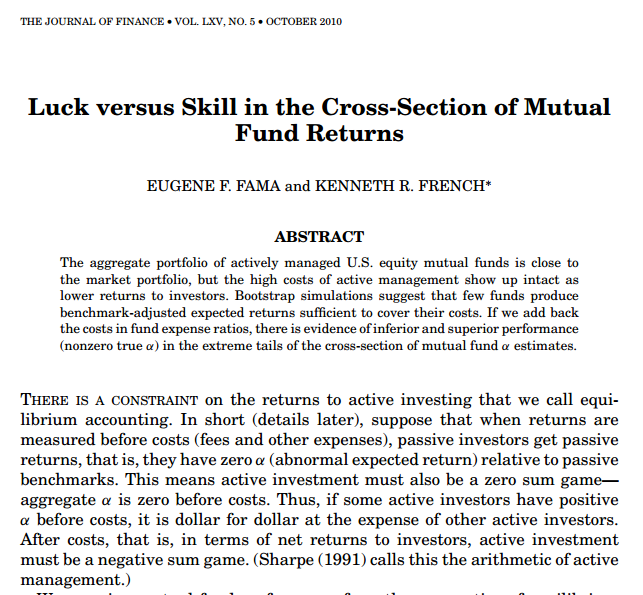
Actively-managed mutual funds cannot earn excess returns over index funds because in aggregate they earn the same as index funds, less the difference in cost. This was proposed by Sharpe in his timeless 1991 article, The Arithmetic of Active Management.
Of course, certain definitions of the key terms are necessary. First a market must be selected — the stocks in the S&P 500, for example, or a set of “small” stocks. Then each investor who holds securities from the market must be classified as either active or passive.
- A passive investor always holds every security from the market, with each represented in the same manner as in the market. Thus if security X represents 3 per cent of the value of the securities in the market, a passive investor’s portfolio will have 3 per cent of its value invested in X. Equivalently, a passive manager will hold the same percentage of the total outstanding amount of each security in the market2.
- An active investor is one who is not passive. His or her portfolio will differ from that of the passive managers at some or all times. Because active managers usually act on perceptions of mispricing, and because such misperceptions change relatively frequently, such managers tend to trade fairly frequently — hence the term “active.”
… Properly measured, the average actively-managed dollar must underperform the average passively-managed dollar, net of costs. Empirical analyses that appear to refute this principle are guilty of improper measurement.
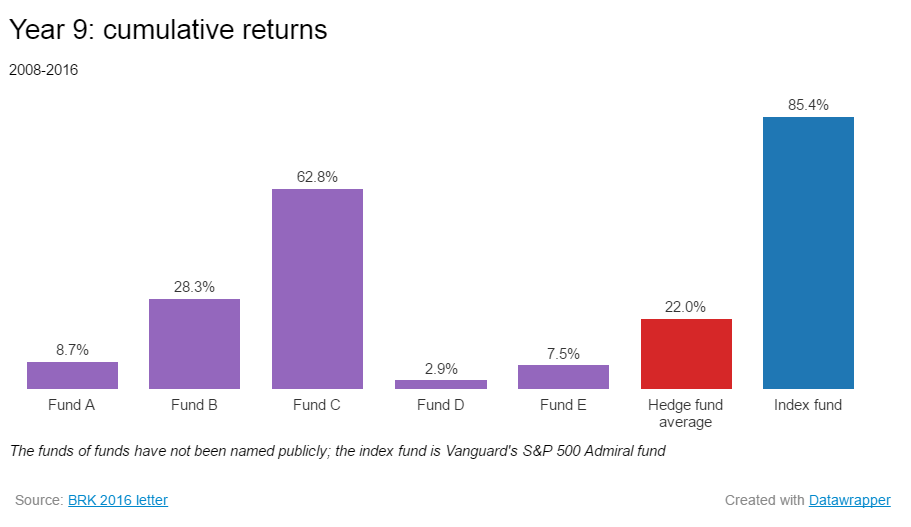
In 2008, Warren Buffett made a bet of $1 million with Protégé Partners LLC that, including fees, costs and expenses, an S&P 500 index fund would outperform a hand-picked portfolio of hedge funds over the 10 years ending December 31, 2017.


Recent Comments