QUESTION TO CLAUDE 3: The EU and China lag behind the US in economic dynamism, measured by start-up activity, number of unicorns, age of unicorns (younger indicates more rapid innovation), and in productivity growth. Can you document this and tell me why?ANSWER: Here is the data to document the economic dynamism gap between the US,…
Claude 3 on why the US leads China and the EU in economic dynamism
Claude 3 on why the US leads China and the EU in economic dynamism
21 May 2024 Leave a comment
in applied price theory, comparative institutional analysis, development economics, economics of regulation, entrepreneurship, growth miracles, industrial organisation, managerial economics, organisational economics, public economics, survivor principle Tags: taxation and entrepreneurship, taxation and investment
Is it time to take the Interislander away from Kiwirail?
17 May 2024 Leave a comment
in applied price theory, economics of bureaucracy, industrial organisation, law and economics, managerial economics, politics - New Zealand, privatisation, property rights, Public Choice, survivor principle, theory of the firm, transport economics
The Herald reports: KiwiRail’s seemingly endless requests for more money is damning. At one point, KiwiRail assured Robertson when he was the Finance Minister that the worst-case scenario would be an extra $300 million before requesting $1.2 billion a few months later. Not what most people regard as worst case. It’s no wonder Ministry of Transport officials […]
Is it time to take the Interislander away from Kiwirail?
US v. Google: do complaints have to be internally consistent?
26 Apr 2024 Leave a comment
in applied price theory, entrepreneurship, industrial organisation, law and economics, managerial economics, organisational economics, politics - USA Tags: competition law, creative destruction
From former DOJ Economist Greg Werden: The governments case suggests that its exclusive deals with Apple and Mozilla to be the default search engine on their browsers “allowed Google to maintain its monopoly power [in “general search”] in violation of Section 2 of the Sherman Act.” However, the government’s brief also suggests that Google’s scale is very important,…
US v. Google: do complaints have to be internally consistent?
Hiring discrimination sentences to ponder
23 Apr 2024 Leave a comment
in applied price theory, discrimination, econometerics, economics of education, economics of information, human capital, labour economics, labour supply, law and economics, managerial economics, organisational economics, personnel economics, politics - USA, poverty and inequality Tags: gender wage gap, implicit bias, racial discrimination, sex discrimination
Several common measures — like employing a chief diversity officer, offering diversity training or having a diverse board — were not correlated with decreased discrimination in entry-level hiring, the researchers found. But one thing strongly predicted less discrimination: a centralized H.R. operation. The researchers recorded the voice mail messages that the fake applicants received. When a company’s […]
Hiring discrimination sentences to ponder
Agent-principal conflicts
18 Apr 2024 Leave a comment
in economics of crime, economics of information, economics of media and culture, labour economics, labour supply, law and economics, managerial economics, organisational economics, personnel economics Tags: agency costs, asymmetric information, moral hazard, screening

No Knife But A Bloodletting Nevertheless.
15 Apr 2024 Leave a comment
in economics of bureaucracy, economics of media and culture, industrial organisation, managerial economics, market efficiency, organisational economics, personnel economics, politics - New Zealand, privatisation, Public Choice, public economics, survivor principle Tags: media bias
Hosking went after Radio New Zealand this morning and it was bad.The Mike Hosking Breakfast, 0600 till 0900 has three producer/support staff, Radio NZ Morning report has 16 production staff to cover the same five day time slot, yet the state run highly subsidised show falls way behind in ratings.. That 16 figure for production […]
No Knife But A Bloodletting Nevertheless.
A scathing report on Auckland Light Rail
12 Apr 2024 Leave a comment
in managerial economics, organisational economics, politics - New Zealand, transport economics, urban economics
This is so scathing. The Auckland Light Rail fiasco: What a gigantic waste of money it all was.
A scathing report on Auckland Light Rail
The RCT Agenda
12 Mar 2024 Leave a comment
in applied price theory, applied welfare economics, comparative institutional analysis, development economics, econometerics, economic history, economics of bureaucracy, economics of education, economics of information, economics of regulation, experimental economics, growth disasters, growth miracles, history of economic thought, human capital, labour economics, labour supply, law and economics, managerial economics, market efficiency, Marxist economics, occupational choice, organisational economics, property rights, Public Choice, public economics Tags: The fatal conceit

Randomized Controlled Trials: Could you be any more scientific? The book I’m now writing, Unbeatable: The Brutally Honest Case for Free Markets, insists that the randomistas of the economics profession actually have a thinly-veiled political agenda. Namely: To get economists to humbly serve the demagogues that rule the world instead of bluntly challenging their unabated…
The RCT Agenda
TV layoffs not a threat to democracy
10 Mar 2024 Leave a comment
in applied price theory, economic history, economics of bureaucracy, economics of information, economics of media and culture, economics of regulation, entrepreneurship, income redistribution, industrial organisation, managerial economics, market efficiency, organisational economics, personnel economics, politics - New Zealand, Public Choice, public economics, rentseeking, survivor principle, theory of the firm Tags: media bias
A few weeks ago I joined some contemporaries by abandoning the near sixty year habit of watching nightly TV news. I dropped it because I felt it did not give me real information that I had not acquired from other media sources, including some I pay for – The Economist, the NZ Herald, The Atlantic […]
TV layoffs not a threat to democracy
Walter Block on sex Discrimination
04 Jan 2022 Leave a comment
in applied price theory, applied welfare economics, discrimination, econometerics, economic history, economics of information, gender, health and safety, human capital, labour economics, labour supply, managerial economics, market efficiency, occupational choice, organisational economics, personnel economics, poverty and inequality Tags: gender wage gap
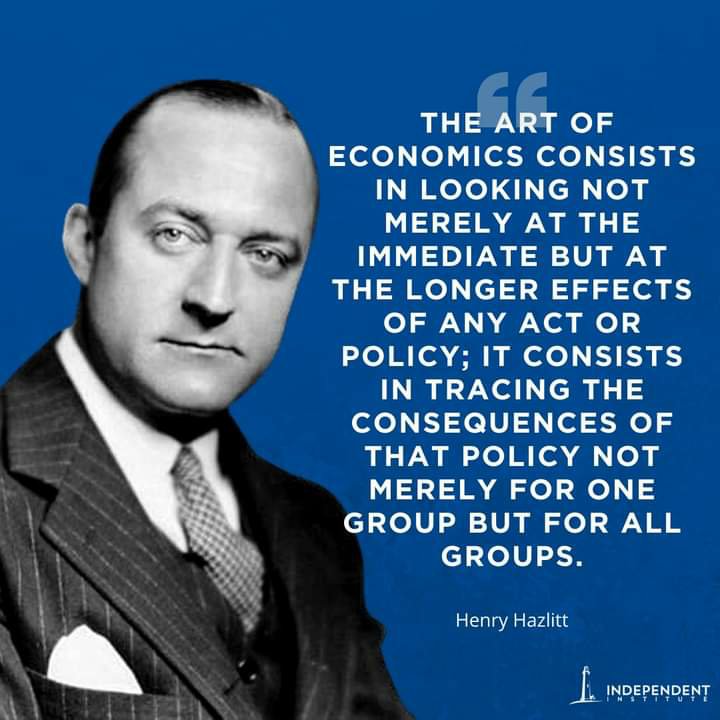
Why economists are unpopular
01 Jan 2022 Leave a comment
in applied price theory, applied welfare economics, comparative institutional analysis, economics of bureaucracy, economics of crime, entrepreneurship, environmental economics, history of economic thought, income redistribution, industrial organisation, international economics, labour economics, labour supply, law and economics, liberalism, macroeconomics, managerial economics, minimum wage, organisational economics, personnel economics, poverty and inequality, property rights, Public Choice, public economics, rentseeking, survivor principle, theory of the firm, unemployment, unions, welfare reform Tags: offsetting behaviour, The fatal conceit, unintended consequences

Compensating differences in wages and work intensity
01 Nov 2021 Leave a comment
in Adam Smith, Alfred Marshall, applied price theory, economic history, entrepreneurship, history of economic thought, industrial organisation, labour economics, labour supply, managerial economics, occupational choice, organisational economics, personnel economics, survivor principle Tags: compensating differences
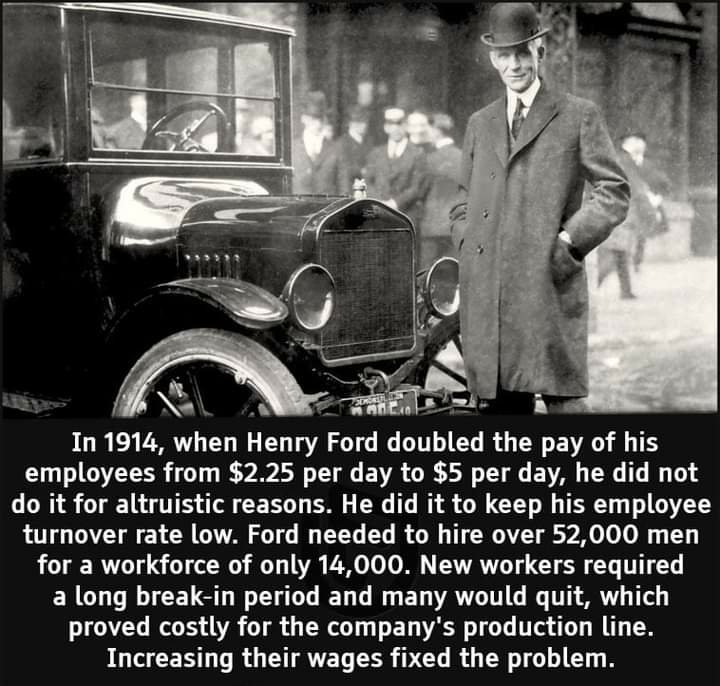
The tight Detroit automaker oligopoly had wildly unstable market shares and investment strategies
13 Oct 2021 Leave a comment
in applied price theory, Austrian economics, economic history, entrepreneurship, industrial organisation, law and economics, managerial economics, organisational economics, politics - USA, survivor principle, theory of the firm, transport economics Tags: antitrust economics, competition law, creative destruction


Recent Comments