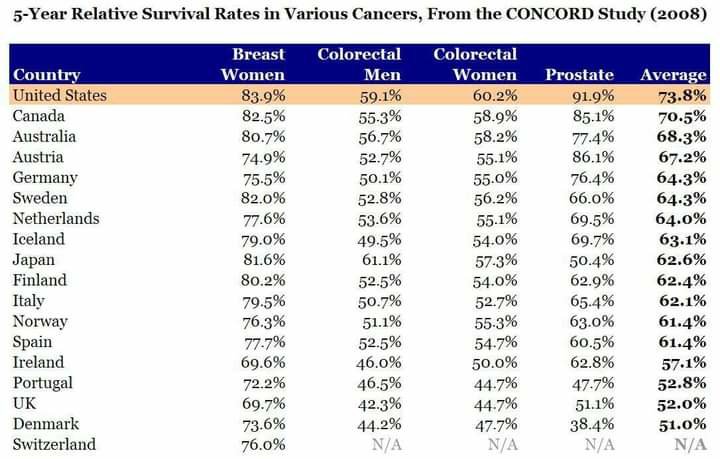
A shortcoming of the NHS; keeping people alive
26 Feb 2021 Leave a comment
in comparative institutional analysis, economics of bureaucracy, health economics, managerial economics, organisational economics, personnel economics, politics - USA, Public Choice, public economics Tags: health insurance, social insurance
John D. Rockefeller: The American Oil Magnate
25 Feb 2021 Leave a comment
in economic history, energy economics, entrepreneurship, industrial organisation, managerial economics, organisational economics, survivor principle Tags: competition law
Steven J. Davis — “Some Economic Implications of COVID-Related Shocks”
30 Jan 2021 Leave a comment
in economic growth, economic history, fiscal policy, health economics, human capital, industrial organisation, labour economics, labour supply, macroeconomics, managerial economics, occupational choice, organisational economics, personnel economics, survivor principle, unemployment Tags: economics of pandemics, real business cycles
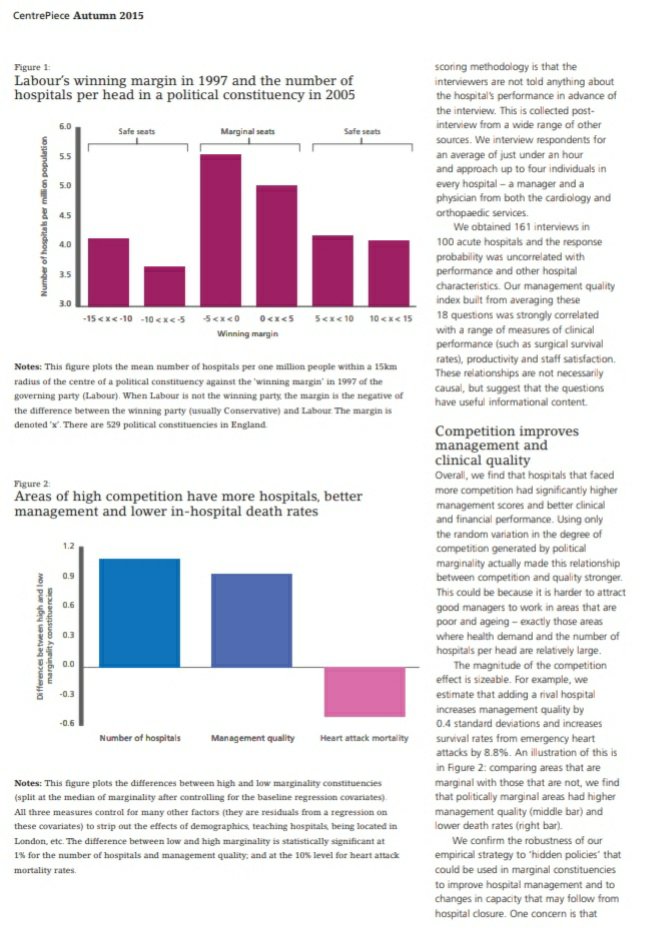
Patient choice saves lives
27 Jan 2021 Leave a comment
in applied price theory, comparative institutional analysis, economics of bureaucracy, health economics, industrial organisation, managerial economics, market efficiency, organisational economics, personnel economics, privatisation, property rights, Public Choice, survivor principle Tags: British politics, health insurance, NHS
German Army: Why No Collapse?
24 Jan 2021 Leave a comment
in defence economics, managerial economics, organisational economics, personnel economics, war and peace Tags: World War II
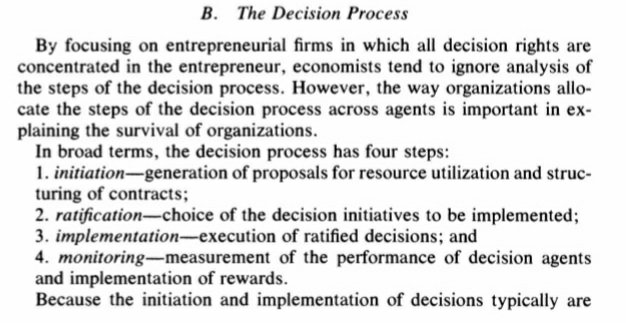
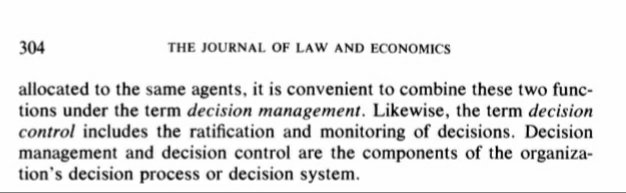
Fama and Jensen explain governance
10 Jan 2021 Leave a comment
in applied price theory, economics of information, industrial organisation, managerial economics, organisational economics, personnel economics, property rights, survivor principle, theory of the firm Tags: corporate governance
Oklahoma Doctors vs. Obamacare
03 Dec 2020 Leave a comment
in applied price theory, economics of bureaucracy, economics of information, health economics, industrial organisation, managerial economics, organisational economics, personnel economics, politics - USA, Public Choice, theory of the firm Tags: adverse selection, asymmetric information, health insurance, moral hazard, self-selection
Competition saves lives even in the NHS!!
28 Nov 2020 Leave a comment
in applied price theory, econometerics, economics of bureaucracy, health economics, industrial organisation, managerial economics, organisational economics, Public Choice, public economics, survivor principle Tags: creative destruction, market selection

Edward Lazear – “Rationality in Policy Making”
27 Nov 2020 Leave a comment
in applied price theory, applied welfare economics, comparative institutional analysis, economics of bureaucracy, economics of information, global financial crisis (GFC), history of economic thought, industrial organisation, international economics, labour economics, macroeconomics, managerial economics, organisational economics, personnel economics, Public Choice
Unpacking Policy Consequences: Kevin Murphy and Ed Lazear Part 1
26 Nov 2020 Leave a comment
in applied price theory, applied welfare economics, comparative institutional analysis, economics of bureaucracy, economics of education, economics of information, labour economics, managerial economics, organisational economics, personnel economics, Public Choice
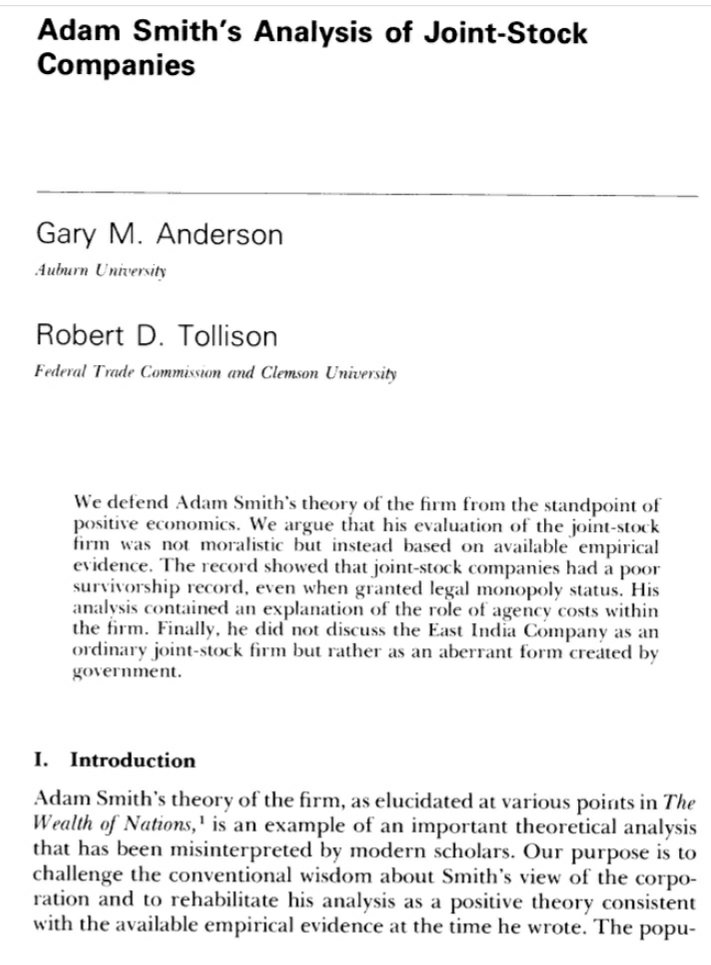
Tollison on Smith and corporate governance
12 Nov 2020 Leave a comment
in Adam Smith, comparative institutional analysis, development economics, economic history, economics of bureaucracy, economics of regulation, history of economic thought, industrial organisation, law and economics, managerial economics, market efficiency, organisational economics, property rights, Public Choice, rentseeking, survivor principle, theory of the firm Tags: corporate governance
Richard A. Posner, “The Embattled Corporation”
27 Oct 2020 Leave a comment
in applied price theory, comparative institutional analysis, economic history, economics of information, financial economics, history of economic thought, industrial organisation, law and economics, managerial economics, organisational economics, personnel economics, property rights, Richard Posner, survivor principle, theory of the firm Tags: corporate law
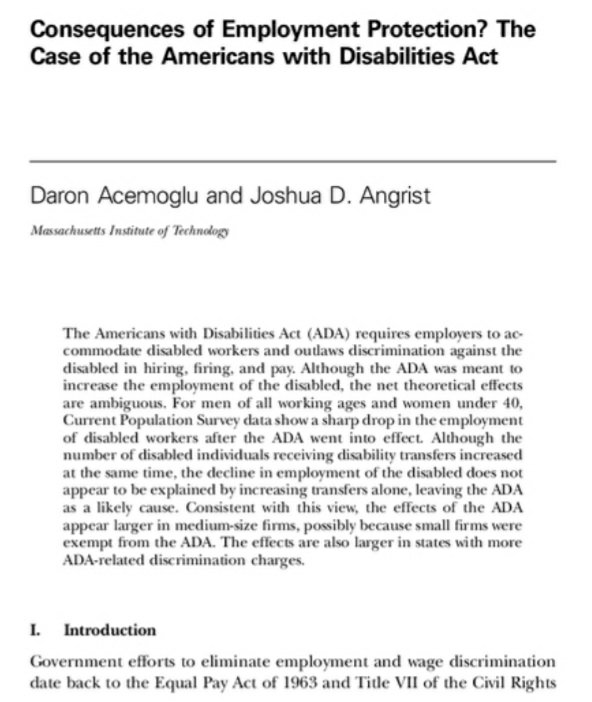
Employment Protection laws reduces hiring of risky applicants
26 Oct 2020 Leave a comment
in applied price theory, comparative institutional analysis, discrimination, economics of bureaucracy, economics of education, economics of information, health economics, human capital, industrial organisation, labour economics, labour supply, law and economics, managerial economics, organisational economics, personnel economics, politics - USA, poverty and inequality, Public Choice, survivor principle Tags: employment law, employment protection laws, offsetting behaviour, The fatal conceit, unintended consequences
Robert Lucas and Paco Buera | Idea Flows and Economic Growth
20 Oct 2020 Leave a comment
in applied price theory, applied welfare economics, comparative institutional analysis, development economics, econometerics, economic history, economics of education, history of economic thought, human capital, industrial organisation, international economics, labour economics, labour supply, law and economics, managerial economics, occupational choice, organisational economics, personnel economics, poverty and inequality, Robert E. Lucas Tags: endogenous growth theory
 Utopia, you are standing in it!
Recent Comments