
Ideas and Growth Lecture with Nobel Laureate Robert E. Lucas Jr
31 Oct 2018 Leave a comment
in economic growth, economic history, economics of education, human capital, labour economics, macroeconomics, occupational choice, Robert E. Lucas

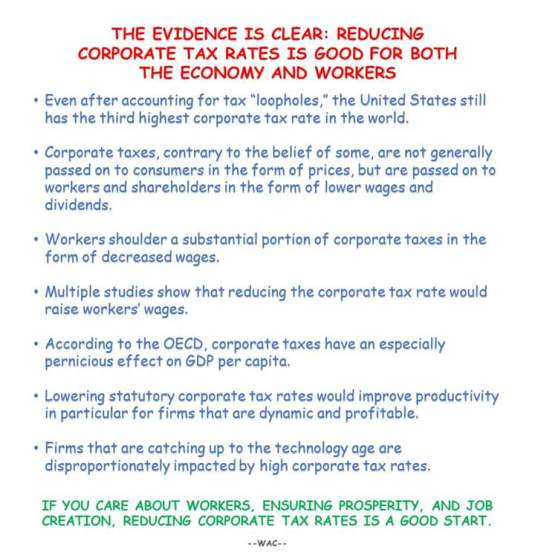

Indians vote for the crooks because they are tough enough to deliver in a corrupt system
30 Oct 2018 Leave a comment
in development economics, economics of bureaucracy, economics of crime, law and economics, Public Choice

More public money shovelled into the KiwiRail firebox to help the environment
30 Oct 2018 Leave a comment

The poor old taxpayer who poured more than $1bn into state-owned KiwiRail during the term of the National government is being hit up for another $35m to reverse the decision taken two years ago to ditch the North Island electric locos and replace them with diesel-powered engines.
The Ardern-Peters-led coalition has decided to refurbish the 15 units in the electric fleet — even though the argument to replace them was “compelling” .
While the government now says it is keeping electric locomotives on the North Island Main Trunk Line running to help meet its long-term emissions goals and boost the economy, KiwiRail earlier said it was essentially running “a railway within a railway” by having the electric section. (The North Island Main Trunk runs from Auckland to Wellington but is electrified only between Hamilton and Palmerston North). The doubling up of service facilities, inventory, training and maintenance required with…
View original post 628 more words
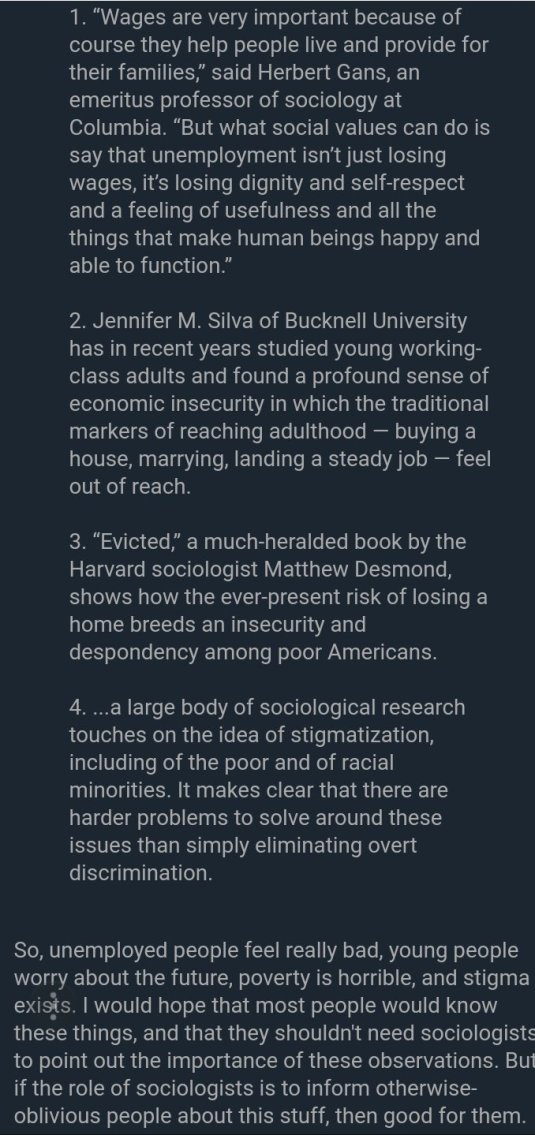
Stephen Williamson on the policy contributions from Sociology
30 Oct 2018 Leave a comment
in applied price theory, applied welfare economics Tags: sociology
Good question
30 Oct 2018 Leave a comment
in development economics, energy economics, environmental economics, global warming, growth miracles Tags: climate alarmists

VUW science teachers are encouraged to learn about mauri and other Māori belief concepts
30 Oct 2018 Leave a comment
Is not the word belief systems code for religion?

A concept rooted in Māori spiritual belief – mauri – is widely used in environmental research, monitoring, and restoration work in New Zealand. It has been absorbed within university studies, too, and mātauranga Māori is being taught in science courses.
Victoria University of Wellington “encourages” its staff and students to teach, research and learn about mātauranga Māori as part of their studies.
Faculty of Science staff have not been exempted from this institutional acculturation. They
” … have been actively participating in the University’s Te Hāpai professional development programme, which helps them to learn more about Te Reo Māori, tikanga Māori and the Treaty of Waitangi. We have found that as people learn more about the Māori culture they become more comfortable and confident about teaching Māori material.”
View original post 993 more words
Mass Extinctions events
30 Oct 2018 Leave a comment
in economic history, economics of media and culture
Bill Nye Debates Richard Lindzen On Climate Change
30 Oct 2018 Leave a comment
in applied price theory, applied welfare economics, energy economics, environmental economics, global warming Tags: climate alarmists


Recent Comments